

The Birth of Wall Street: The New York Stock Exchange is Formally Created
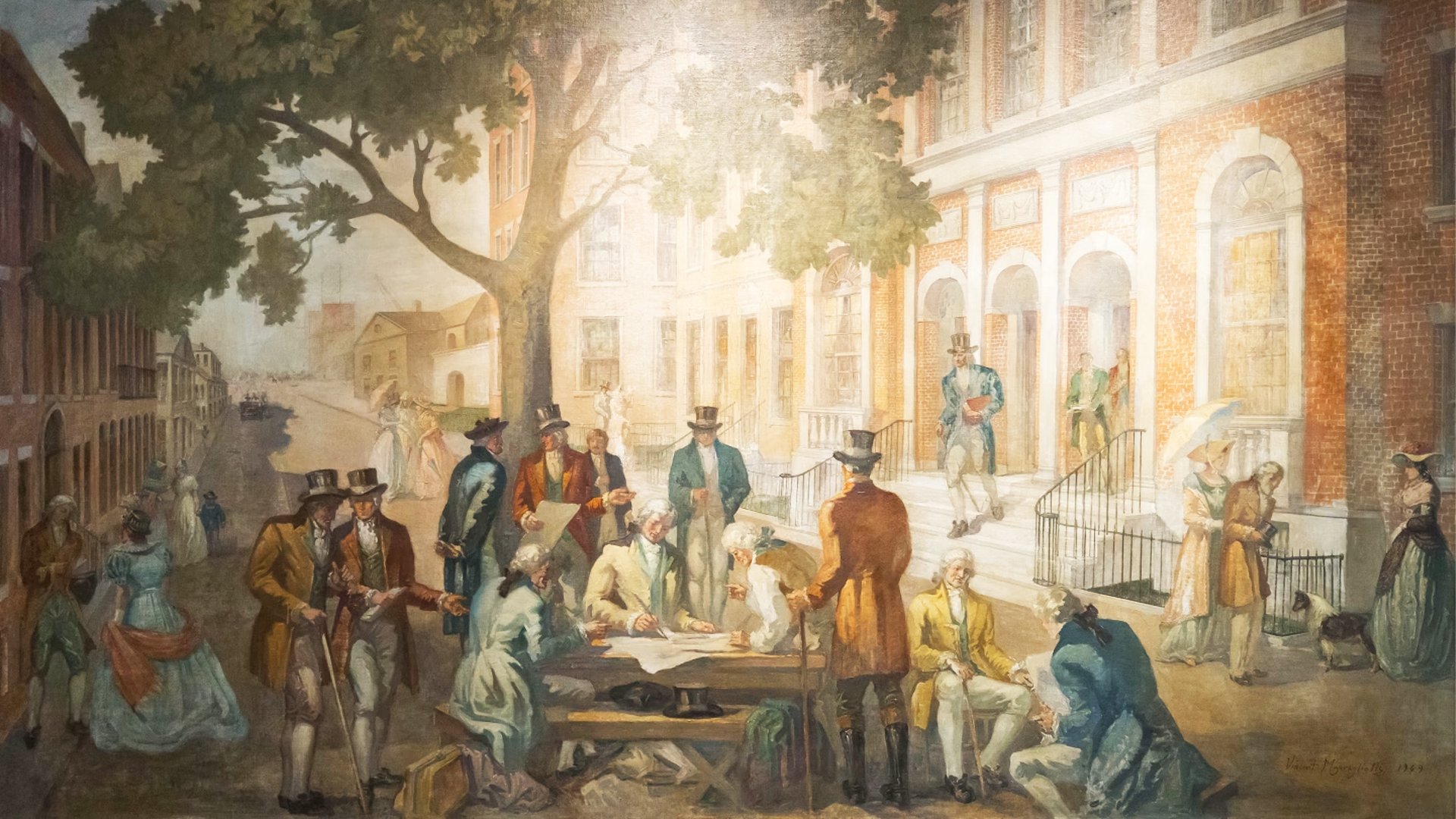
A historic depiction of brokers signing the Buttonwood Agreement.
What Happened?
Before Wall Street was the financial epicenter of the world, stock trading in the young United States was a chaotic, unregulated affair, conducted in coffeehouses and on street corners. Seeking stability, 24 brokers signed the Buttonwood Agreement in 1792, laying the groundwork for what would become the New York Stock Exchange. The agreement sought to instill confidence in financial transactions by setting fixed commissions and creating a structured market.
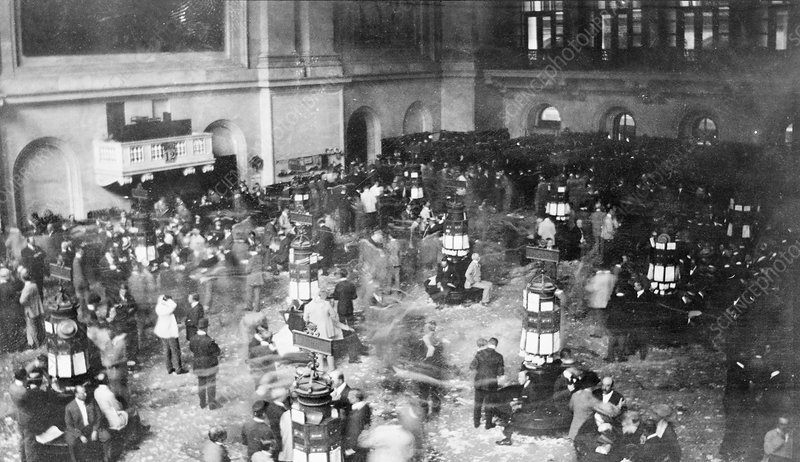
By 1817, stock trading had grown significantly, prompting brokers to establish a formal organization with a constitution. On March 8, 1817, they adopted the name 'New York Stock & Exchange Board' and moved into their first official space at 40 Wall Street. Transactions became more orderly, with set trading hours and regulations governing business conduct. The NYSE quickly became a central hub for capital investment in the expanding U.S. economy.
Throughout the 19th century, the NYSE facilitated the growth of the American economy, allowing companies, municipalities, and even the federal government to raise funds through stock and bond sales. Railroads, banks, and industrial firms flocked to the exchange, fueling expansion across the nation. The adoption of the stock ticker in 1867 and telephone lines in 1878 revolutionized market communication, making Wall Street a real-time marketplace.
The NYSE’s role in the global economy was cemented in the 20th century as it survived and adapted to historic events like the 1929 stock market crash, the Great Depression, and multiple financial crises. The Exchange introduced regulations and technological advancements to keep pace with a rapidly evolving world.
Today, the NYSE remains a cornerstone of global finance, hosting some of the world’s largest and most influential corporations. From its humble beginnings under a buttonwood tree to its current digital trading floors, its evolution mirrors the rise of modern capitalism.
Why It Matters
The NYSE isn’t just a place where stocks are bought and sold—it’s an institution that has shaped the economic fabric of the world. Its formation marked the beginning of organized stock trading in the U.S., helping businesses grow, fueling economic expansion, and providing everyday investors a stake in financial markets. Understanding the NYSE’s origins and evolution helps us grasp how financial markets impact economies, governments, and individual wealth. It also highlights the importance of financial regulations and the lessons learned from past economic crises.
?
How did the Buttonwood Agreement shape the future of stock trading in America?
What role did the NYSE play in financing American expansion during the 19th century?
How have stock market crashes, like the one in 1929, influenced regulations on Wall Street?
How has technology, such as the stock ticker and digital trading platforms, changed the way stocks are traded?
What are the long-term implications of stock market trends on the global economy?
Dig Deeper
A breakdown of how the New York Stock Exchange operates, its history, and its impact on the global economy.
Related
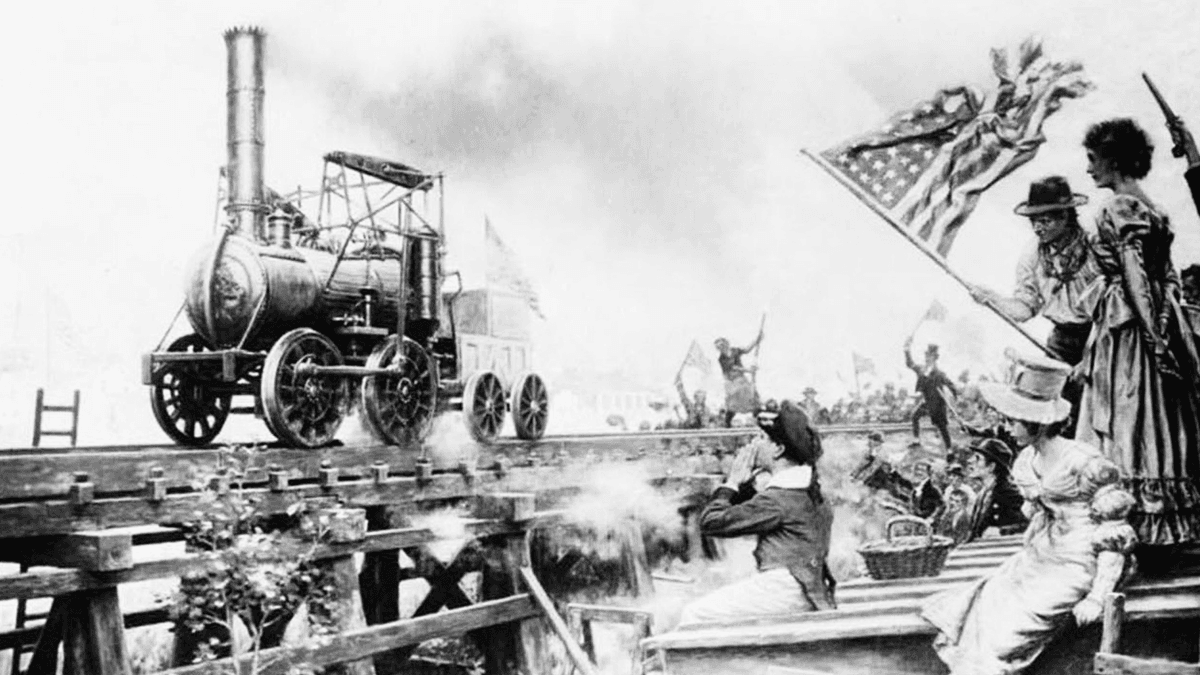
The Market Revolution: How Innovation Transformed America
In the early 1800s, America changed from a land of small farms to a booming nation of factories, railroads, and markets. The Market Revolution connected people, goods, and ideas—while also revealing deep inequalities in who benefited from progress.
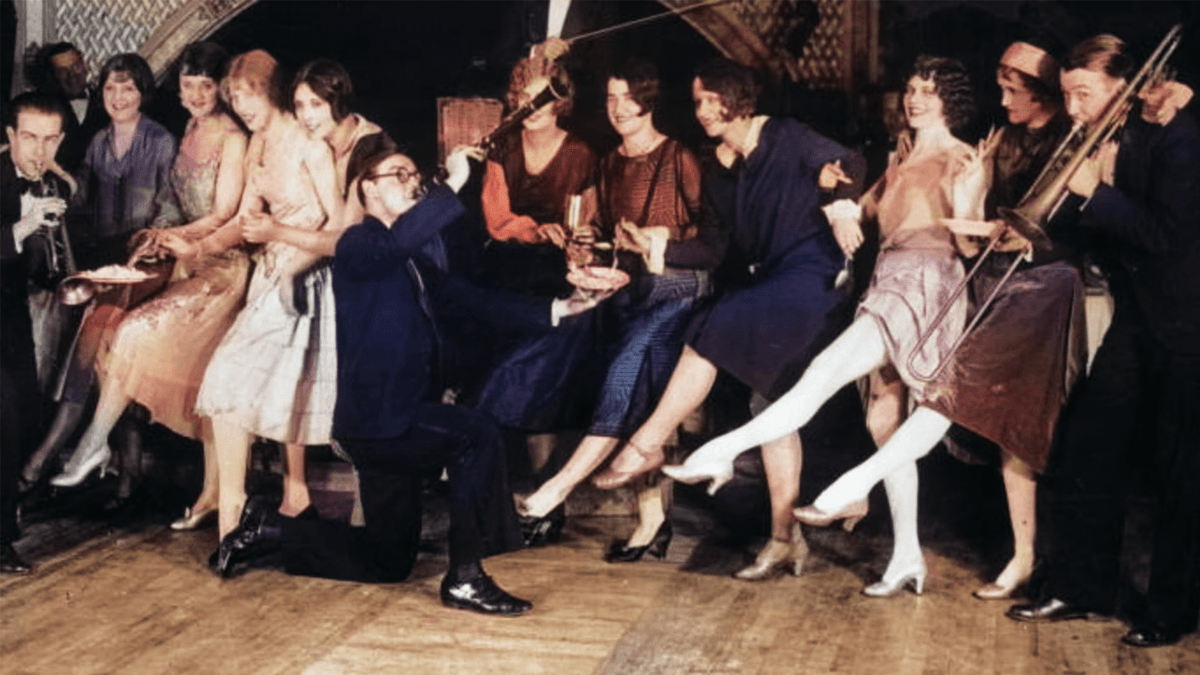
The Roaring Twenties: Prosperity, Culture, and Conflict
The 1920s were a decade of booming technology, jazz, and consumer culture—but beneath the excitement were deep social tensions and cultural conflicts.
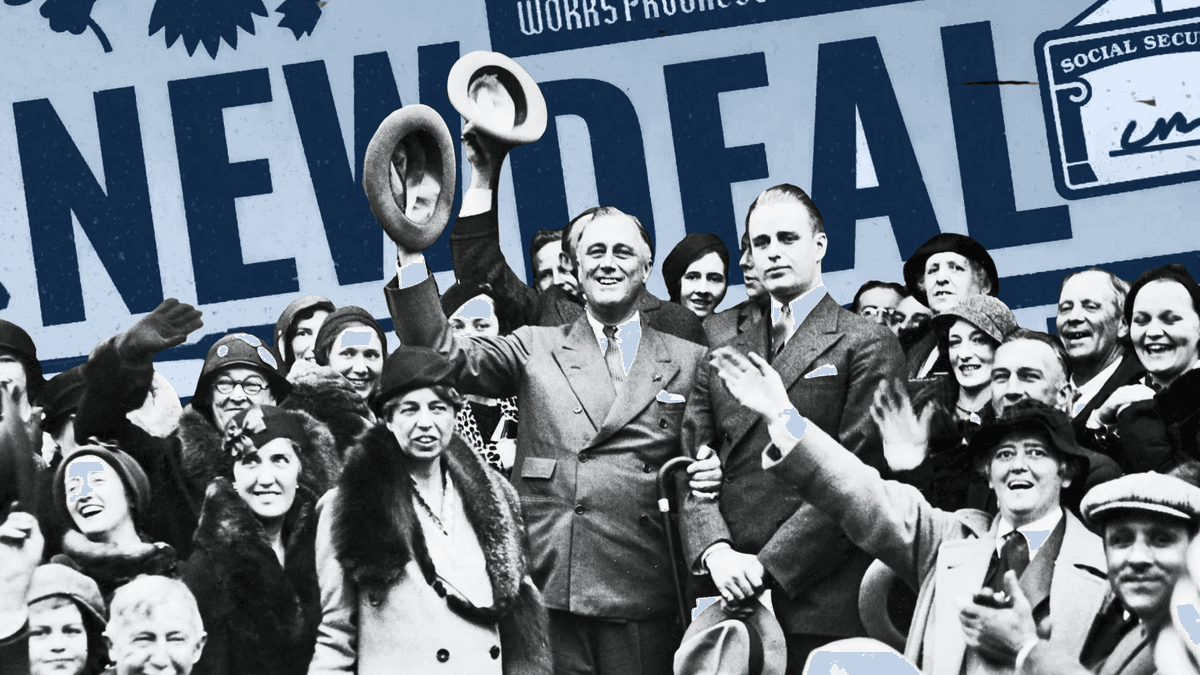
The New Deal: Fighting Depression with Bold Ideas
Faced with economic collapse, President Franklin D. Roosevelt launched a revolutionary plan to rebuild America from the ground up. The New Deal wasn’t just policy—it was a bold experiment in hope, action, and government responsibility.
Further Reading
Stay curious!