

Peace, Protest, and Carnations: The Radical Roots of Mother’s Day

An early 20th-century Mother's Day postcard featuring a white carnation and the words 'To Mother with Love.'
What Happened?
On May 9, 1914, President Woodrow Wilson signed a proclamation that officially established the second Sunday in May as Mother’s Day in the United States. What may seem today like a simple holiday filled with flowers, brunch reservations, and greeting cards actually began as something much deeper. Mother’s Day was shaped by grief, war, public health crises, activism, and the determined efforts of women who believed that mothers deserved recognition not only for raising children, but for helping hold communities and societies together. The history of Mother’s Day reminds us that motherhood has never been just a private role inside the home. Mothers have often been organizers, caretakers, reformers, peace advocates, and builders of community in times of both crisis and change.
The roots of Mother’s Day stretch back to the 19th century and begin with a woman named Ann Reeves Jarvis, often called “Mother Jarvis.” She lived in Appalachia in what was then Virginia, later West Virginia, during a time when disease spread easily and medical care was limited. Jarvis experienced heartbreaking loss in her own life, losing many of her children to illnesses such as measles and diphtheria. Instead of giving in to despair, she turned her grief into action. She organized “Mothers’ Work Clubs,” where women worked together to improve sanitation, clean local water supplies, teach hygiene practices, and help reduce infant mortality. At a time when women had little political power, Jarvis built change through community action and care for others.
When the American Civil War divided the country, Ann Jarvis continued her work by helping wounded soldiers on both the Union and Confederate sides. After the war ended, bitterness and division remained across many communities. In response, Jarvis organized a “Mothers’ Friendship Day” in 1868 to help reunite families and neighbors who had been torn apart by the conflict. Her belief was simple but powerful: mothers could help rebuild peace where politics and war had created hatred. Motherhood, in her eyes, was not weakness. It was a force capable of healing communities.
Another important figure in the history of Mother’s Day was Julia Ward Howe, the abolitionist and activist best known for writing “Battle Hymn of the Republic.” Horrified by the violence of the Civil War and later conflicts abroad, Howe issued what became known as the “Mother’s Day Proclamation” in 1870. She called on women around the world to unite against war and work toward peace. Howe believed mothers understood the human cost of violence better than anyone because they were often the ones left to mourn the dead and rebuild families afterward. She even proposed an international congress of women dedicated to preventing war. Although her version of Mother’s Day never became a permanent national tradition, it helped connect the idea of motherhood with activism, moral leadership, and peacebuilding.
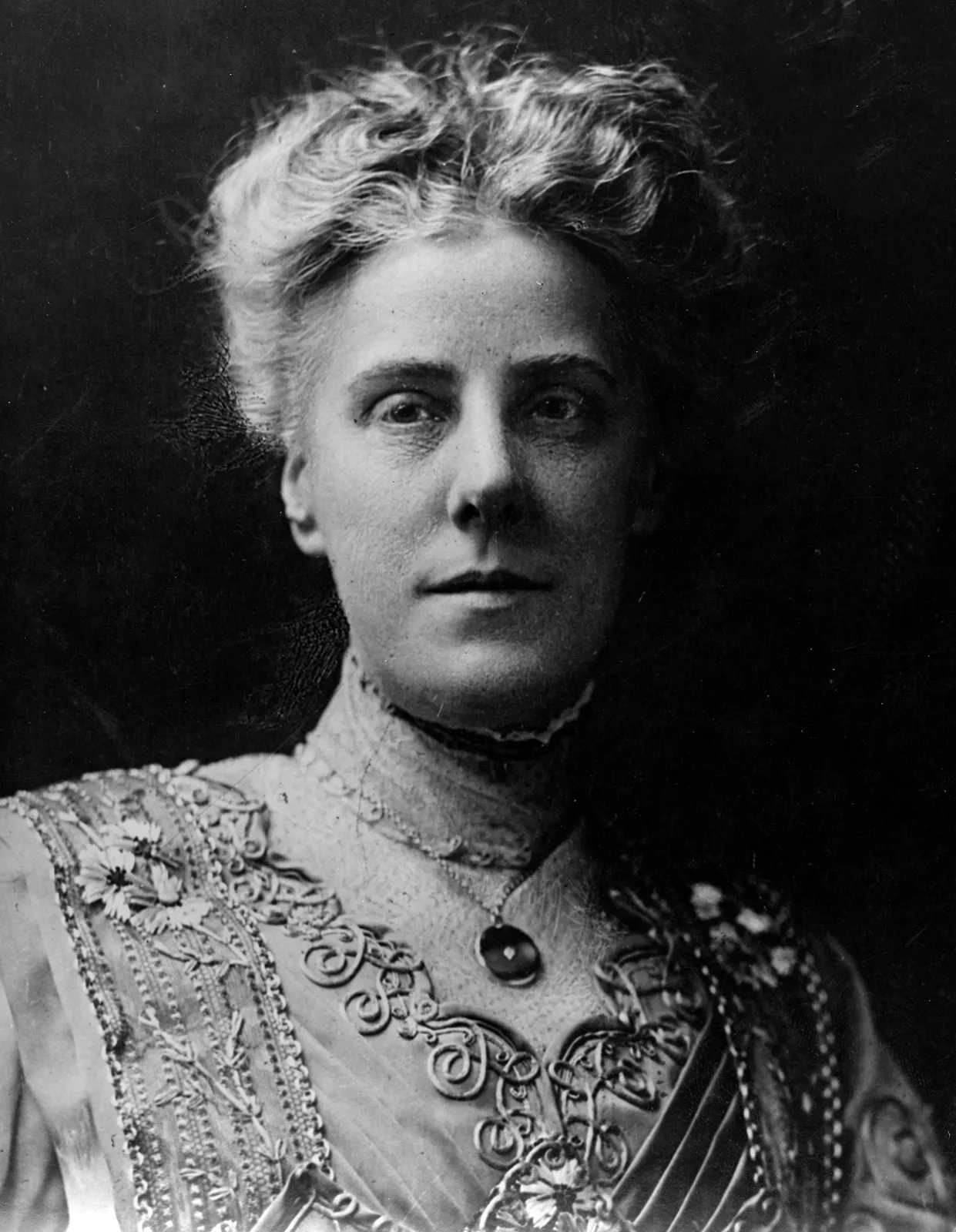
The version of Mother’s Day Americans celebrate today was most directly shaped by Anna Jarvis, the daughter of Ann Reeves Jarvis. After her mother died in 1905, Anna Jarvis dedicated herself to creating a national holiday in her honor. She organized one of the first official Mother’s Day services on May 10, 1908, in Grafton, West Virginia, and later held another event in Philadelphia. Jarvis wanted the holiday to be personal and heartfelt. She encouraged children to write sincere letters to their mothers and chose the white carnation, her mother’s favorite flower, as the symbol of the day. For Anna Jarvis, Mother’s Day was meant to be a quiet moment of gratitude and reflection, not a commercial celebration.
Thanks largely to Anna Jarvis’ relentless campaign of letter-writing and organizing, Mother’s Day quickly gained support across the country. By the time President Wilson issued his proclamation in 1914, many states were already observing the holiday. Wilson called on Americans to display the national flag in honor of mothers, officially recognizing the second Sunday in May as a national day of appreciation. Yet even as the holiday spread, Anna Jarvis began to grow frustrated. Businesses quickly realized Mother’s Day could be profitable. Florists sold millions of carnations, greeting card companies expanded rapidly, and stores promoted expensive gifts. Jarvis believed the holiday she created was being transformed into something shallow and commercial. She famously argued that a handwritten letter meant far more than a store-bought card.
Over time, Anna Jarvis became one of Mother’s Day’s fiercest critics. She protested against florists, greeting card companies, and organizations she believed were exploiting the holiday for profit. In one of history’s strangest twists, the woman who helped create Mother’s Day spent much of her later life trying to stop what it had become. By the time she died in 1948, she was nearly penniless and deeply disappointed by the commercialization surrounding the holiday. Ironically, some of the businesses she criticized helped pay for her medical care near the end of her life.
Mother’s Day also became part of larger cultural debates about family, gender, and parenting in America. During the 1920s and 1930s, some groups attempted to replace Mother’s Day with a broader “Parents’ Day” that would equally celebrate fathers and mothers together. Anna Jarvis strongly opposed these efforts, believing motherhood held a unique place in society that should not be diluted or replaced. Although Parents’ Day never fully replaced Mother’s Day, the debate reflected changing ideas about parenting roles in the early 20th century and helped pave the way for the growing popularity of Father’s Day in later decades.
Today, Mother’s Day means different things to different people. For some, it is a joyful celebration filled with family traditions. For others, it can be emotional or complicated, especially for those who have lost loved ones or experienced difficult family relationships. But beneath the advertisements and traditions, the history of Mother’s Day still carries the ideas that first inspired it: compassion, sacrifice, peace, care for community, and recognition of the often unseen labor that mothers perform every day. The holiday’s founders believed that mothers were not passive figures standing quietly in the background of history. They believed mothers helped shape the moral, emotional, and social foundations of entire communities.
Why It Matters
More than a century after President Wilson signed the proclamation establishing Mother’s Day, the holiday continues to evolve. Yet its history reminds us that honoring mothers is about far more than buying flowers or posting messages online. It is about recognizing the people who nurture, guide, teach, comfort, protect, and strengthen others, often without recognition or reward. Mother’s Day began not as a celebration of perfection, but as a tribute to service, resilience, and humanity itself. In many ways, the story of Mother’s Day is also the story of how ordinary people—especially women working quietly within their communities—can leave a lasting mark on history.
?
What was Julia Ward Howe’s original vision for a Mother’s Day of peace?
How did Ann Reeves Jarvis use public health to empower her community?
Why did Anna Jarvis ultimately oppose the holiday she helped create?
In what ways has the meaning of Mother’s Day changed over the last century?
How can modern Mother’s Day observances reclaim some of the holiday’s activist roots?
Dig Deeper
Find out about the ancient roots and modern history of Mother's Day, which is celebrated on the second Sunday in May in the United States.
Related
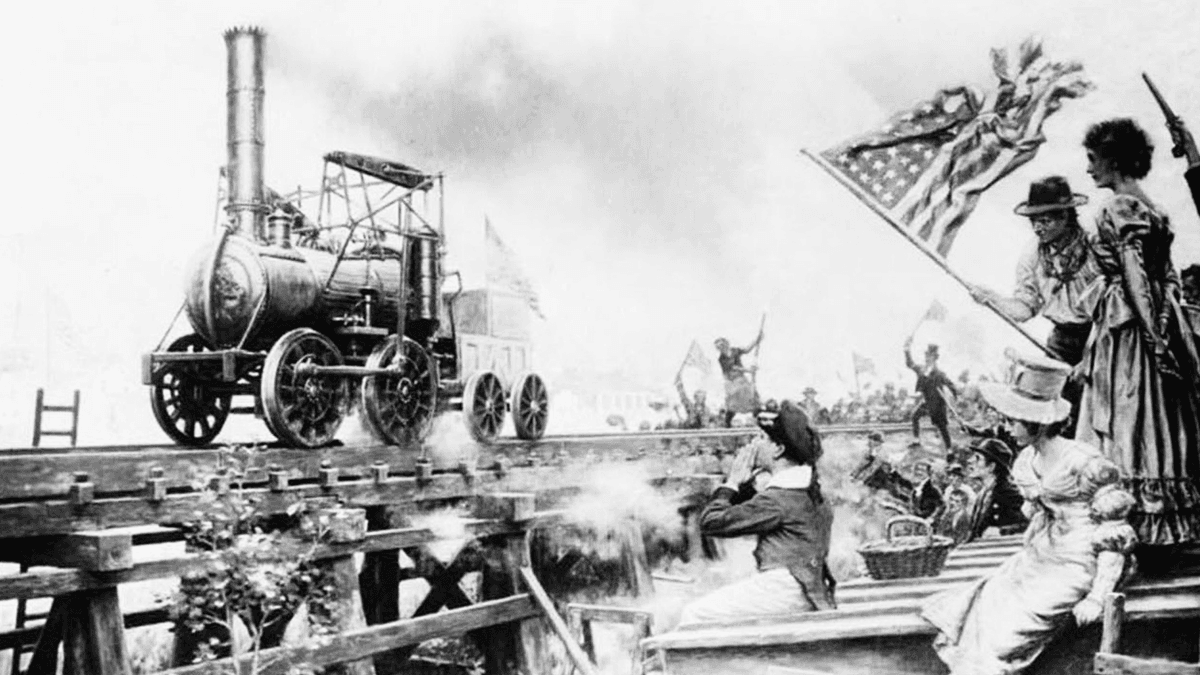
The Market Revolution: How Innovation Transformed America
In the early 1800s, America changed from a land of small farms to a booming nation of factories, railroads, and markets. The Market Revolution connected people, goods, and ideas—while also revealing deep inequalities in who benefited from progress.
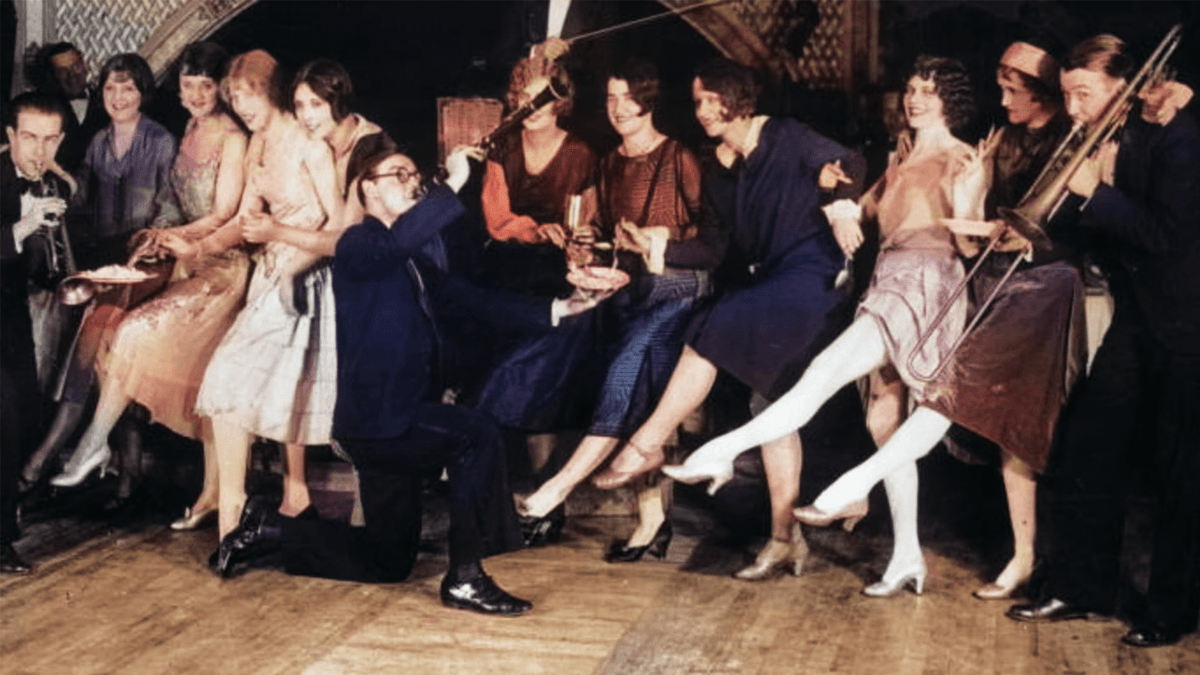
The Roaring Twenties: Prosperity, Culture, and Conflict
The 1920s were a decade of booming technology, jazz, and consumer culture—but beneath the excitement were deep social tensions and cultural conflicts.
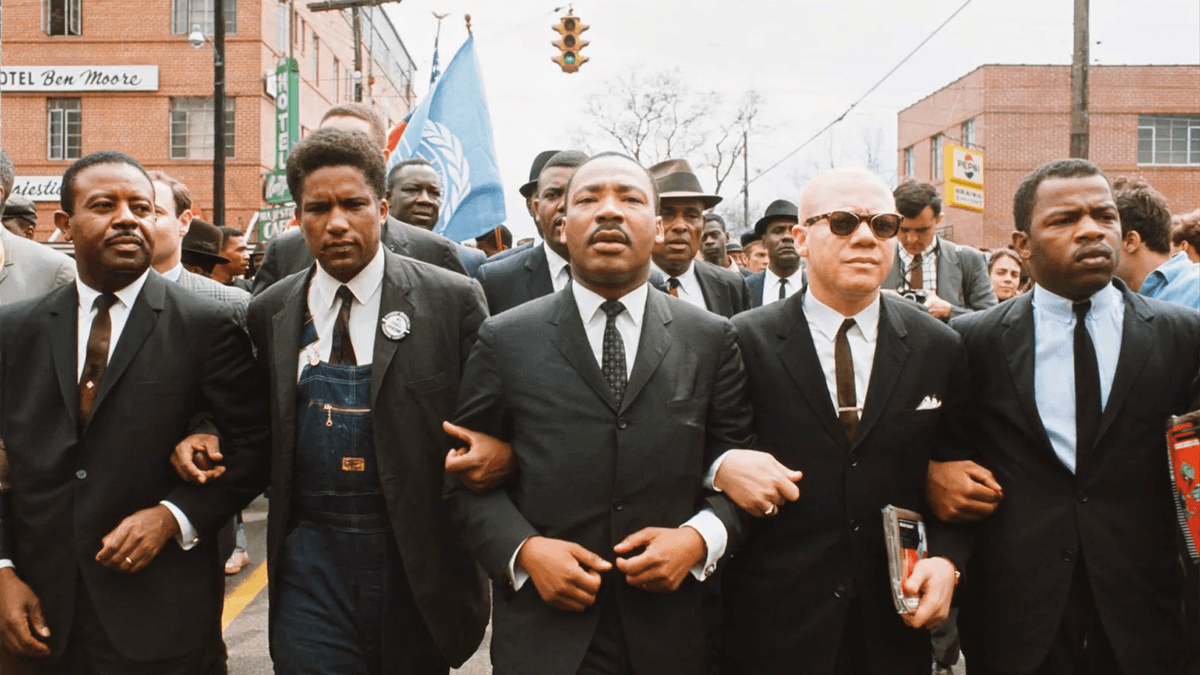
Montgomery Bus Boycott, Greensboro Sit-In, and the Rise of MLK
From Montgomery’s buses to Greensboro’s lunch counters, ordinary citizens ignited extraordinary change — and a new national leader emerged.
Further Reading
Stay curious!