

Mussolini Declares Himself Dictator of Italy
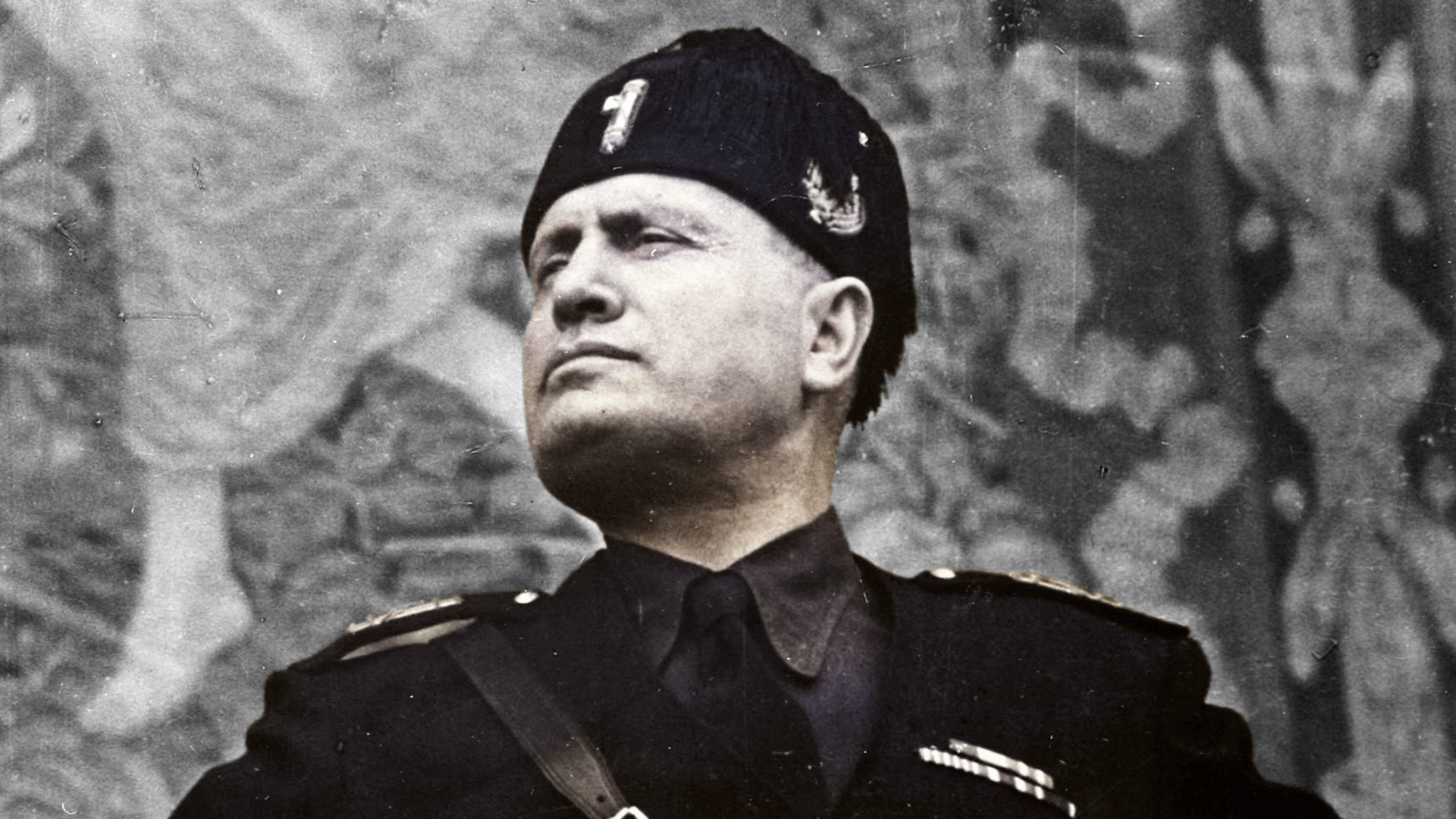
Mussolini’s declaration ended Italian democracy and showed how fascism can rise by slowly weakening freedoms from within.
What Happened?
After World War I, Italy was unstable and deeply divided. Many people were angry about unemployment, rising prices, and fear of a communist revolution. Benito Mussolini used this fear and frustration to gain followers by promising order, strength, and national pride.
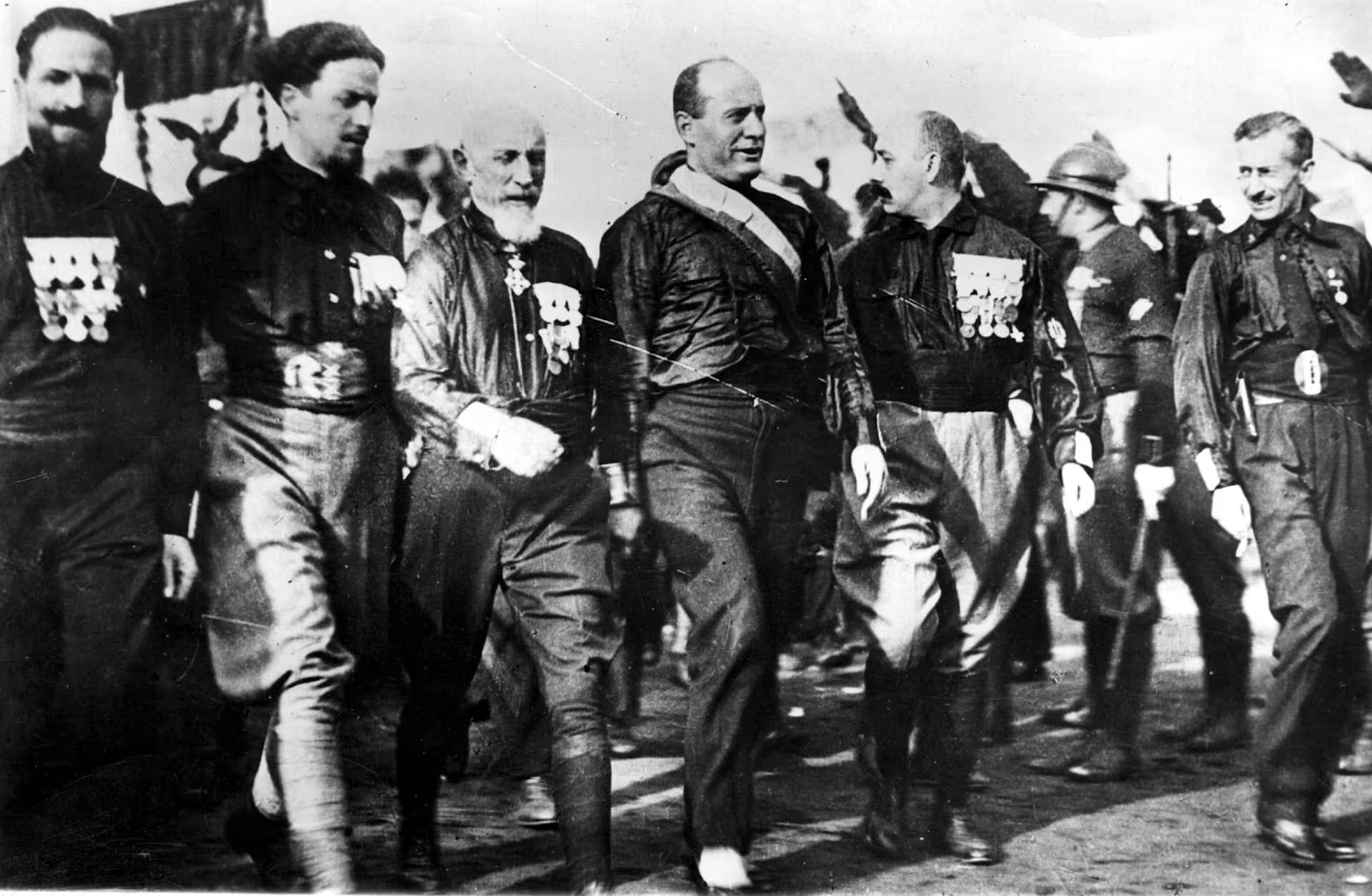
Mussolini did not seize power all at once. At first, he worked within Italy’s political system, forming the Fascist Party and using violence through paramilitary groups called Blackshirts to intimidate opponents while still claiming to support law and order.
In 1922, armed Fascists marched on Rome and demanded control of the government. Instead of stopping them, King Victor Emmanuel III asked Mussolini to become prime minister, giving him legal authority and access to state power.
Over the next few years, Mussolini weakened democracy step by step. He limited free speech, attacked labor unions, rigged elections, and allowed violence against political enemies, while many officials looked the other way.
In 1924, the murder of socialist leader Giacomo Matteotti shocked Italy and revealed how dangerous Fascist power had become. When critics demanded justice, Mussolini chose confrontation instead of compromise.
On January 3, 1925, Mussolini stood before parliament and declared that he alone took responsibility for Fascist violence. No one challenged him. With that speech, he effectively ended democracy and ruled openly as a dictator known as Il Duce.
From that moment on, Italy became a one-party state where the government controlled the press, punished dissent, and used propaganda to shape public opinion, setting the stage for war and alliance with Nazi Germany.
Why It Matters
Mussolini’s rise shows how democracies can collapse when fear, violence, and unchecked power replace accountability. His dictatorship reminds us that freedom isn't lost all at once, but often taken away piece by piece when leaders are not challenged.
?
Why were many Italians willing to support Mussolini after World War I?
How did fear of communism help Mussolini and the Fascists gain power?
Why did King Victor Emmanuel III choose not to stop Mussolini and the Blackshirts?
How did Mussolini use laws and violence together to weaken democracy?
Why was Mussolini’s January 3, 1925 speech a turning point for Italy?
How can a democracy slowly turn into a dictatorship without a single takeover?
Dig Deeper
An overview of how Mussolini dismantled democracy and built a fascist dictatorship.
Related
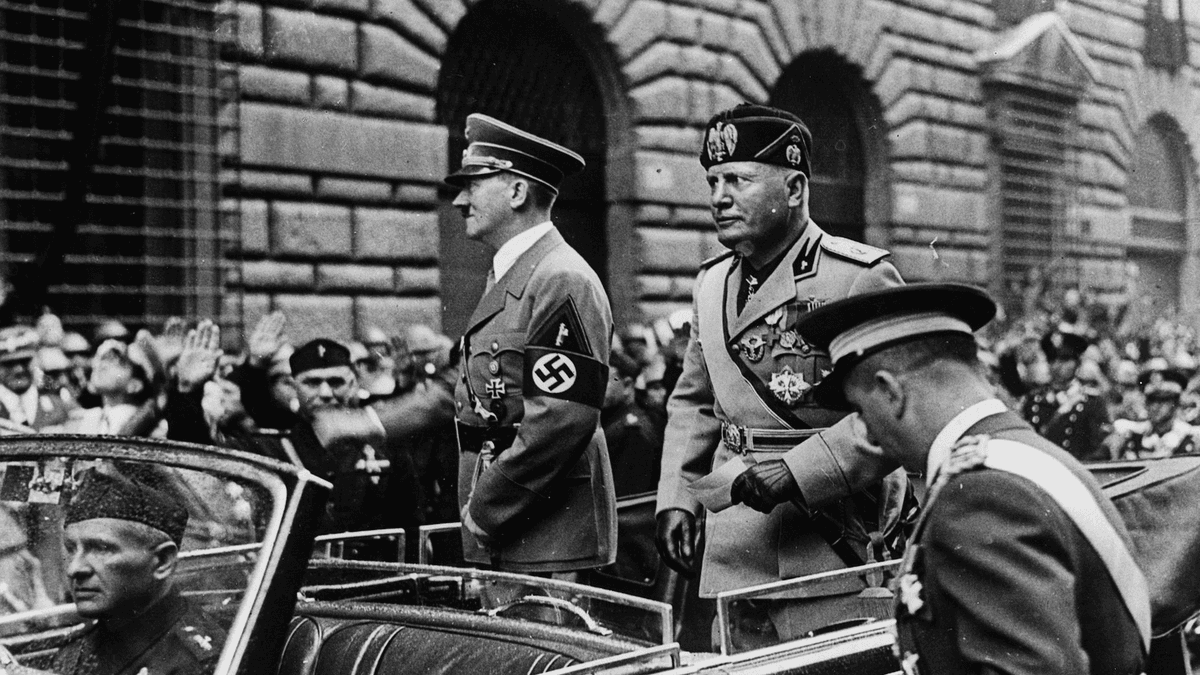
Fascism: Power, Propaganda, and the Fall of Democracy
Fascism emerged from the ruins of World War I and found its foothold in fear, nationalism, and economic despair. It promised unity, but delivered control, conformity, and catastrophe.
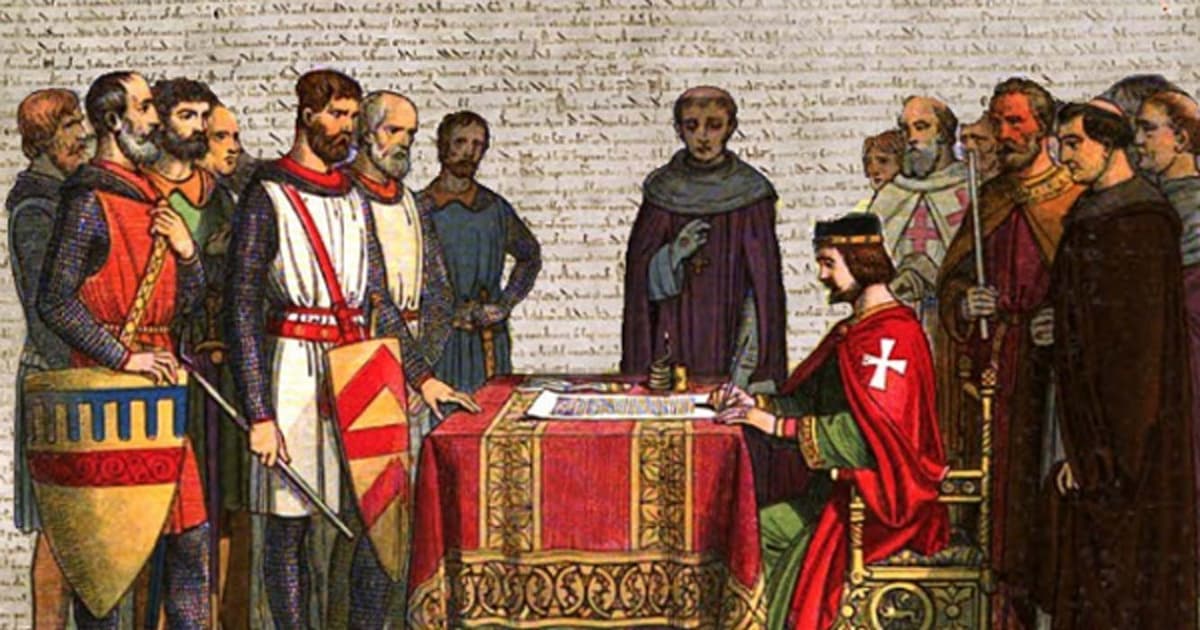
Magna Carta
On May 12, 1215, a gang of angry English barons forced King John into a corner—and launched a document that would echo across centuries. It wasn’t democracy, but it was a dent in the divine right of kings.
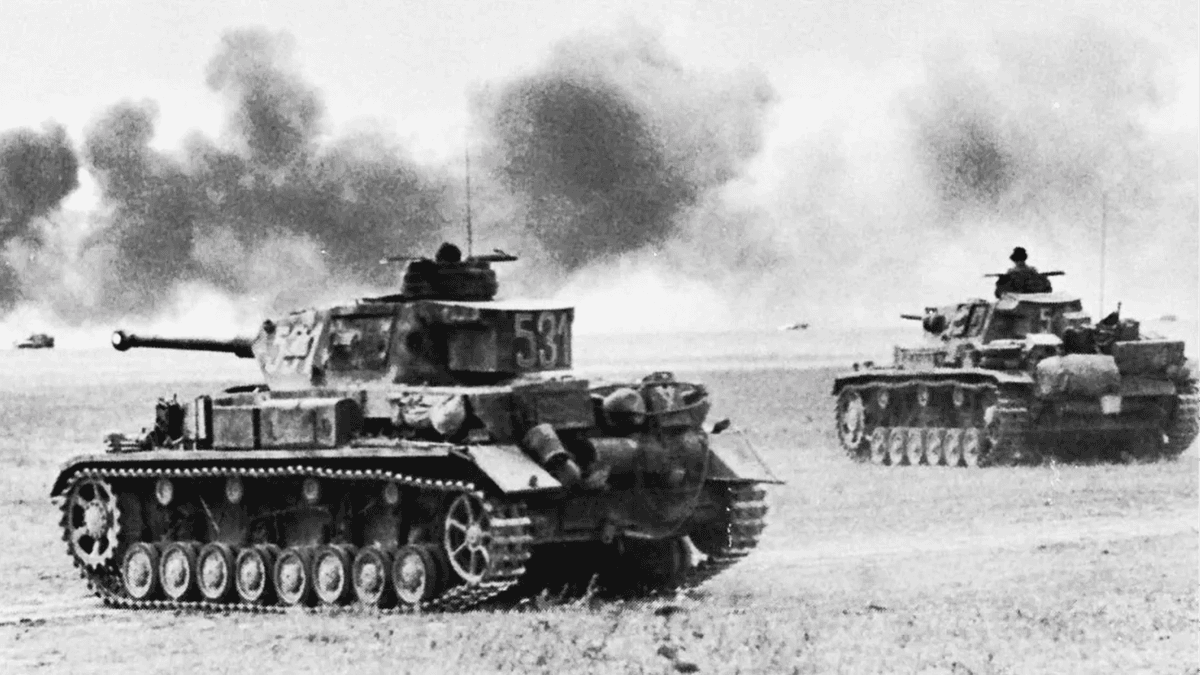
World War II: Causes, Conflict, and Consequences
A global war shaped by unresolved tensions, devastating conflict, and consequences that still define our world today.
Further Reading
Stay curious!