

Hattie Wyatt Caraway Becomes First Woman Elected to the U.S. Senate
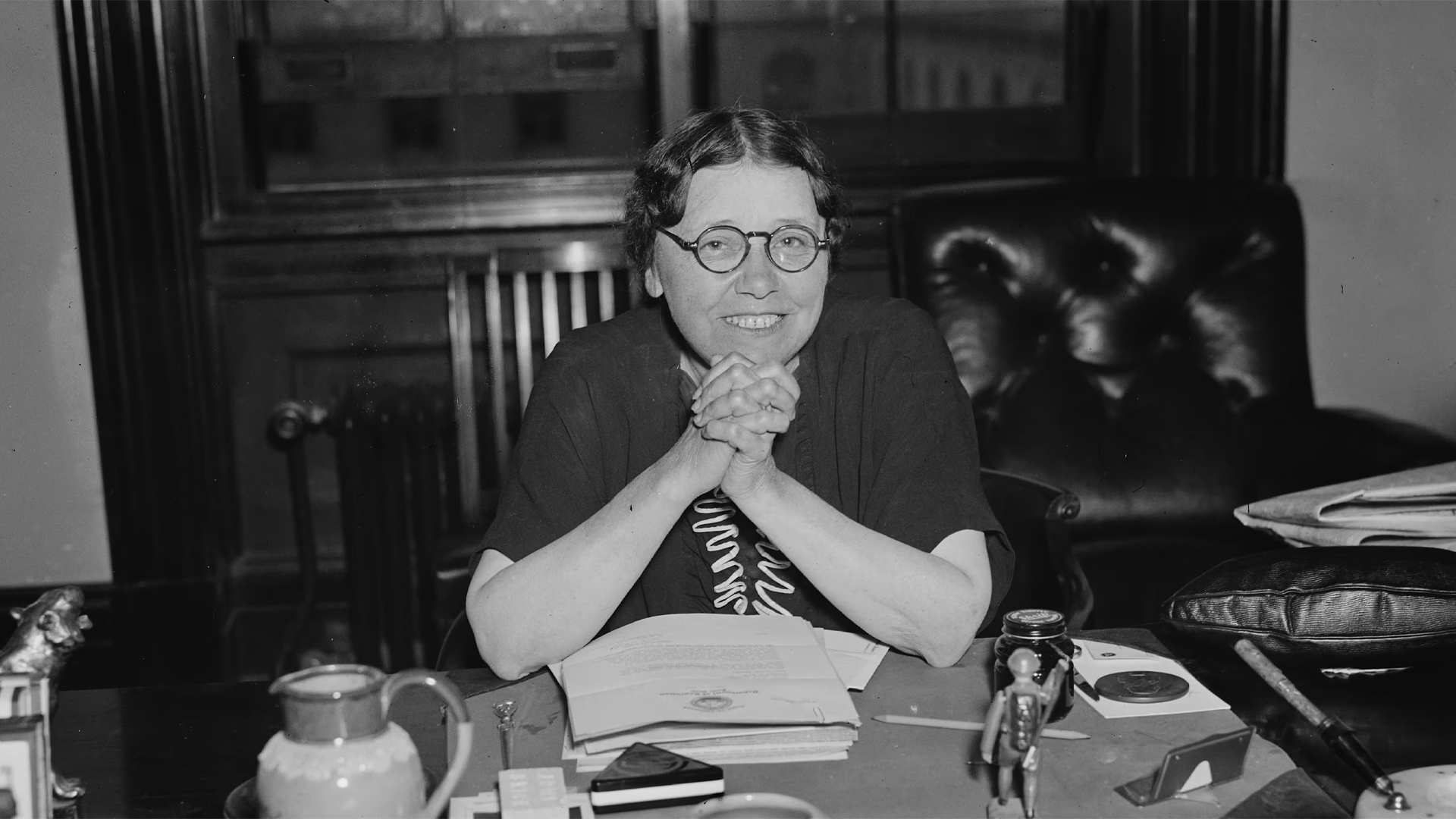
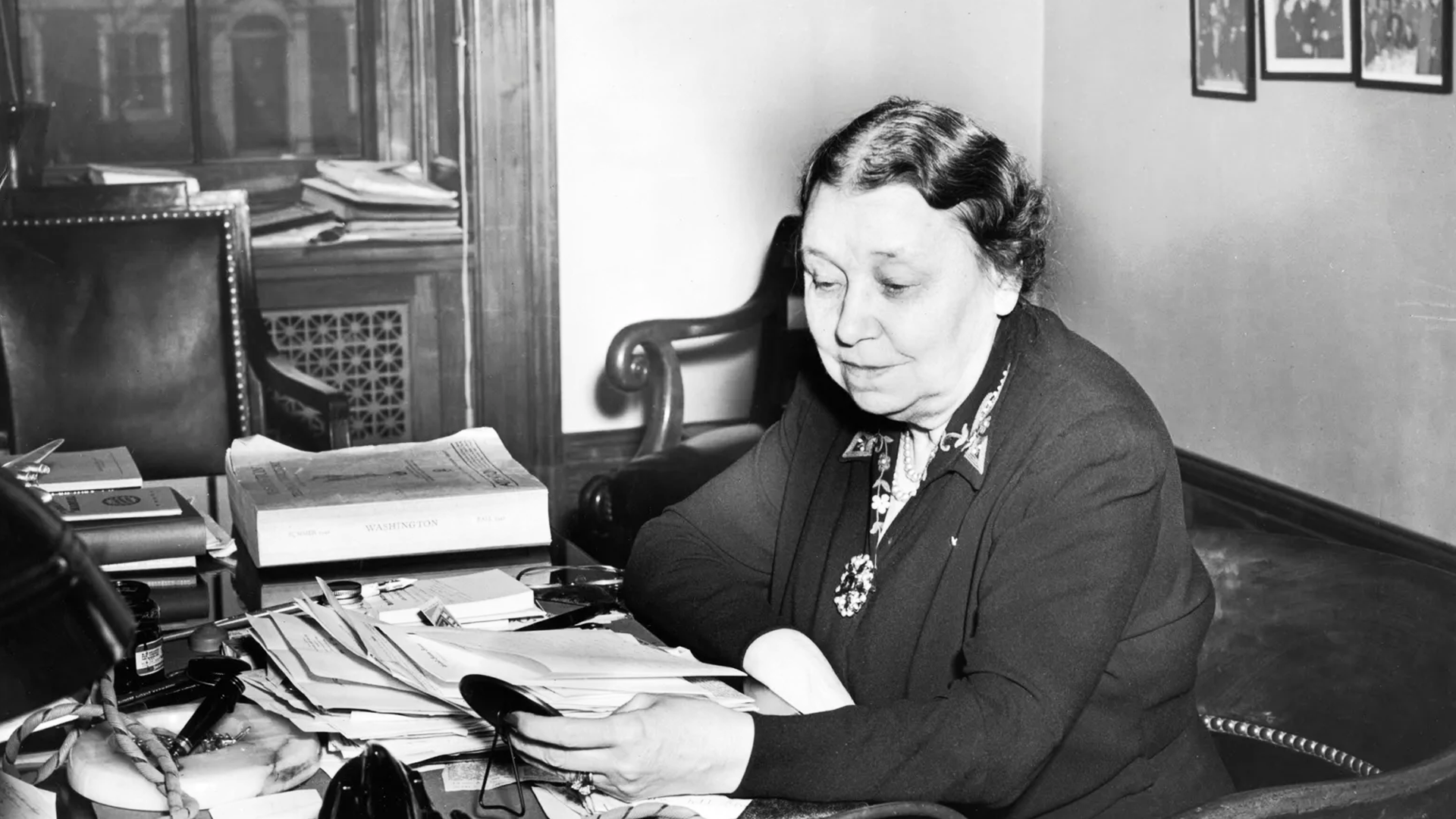
Hattie Wyatt Caraway, the first woman elected to the United States Senate
What Happened?
In the early 1930s, American politics was still almost entirely dominated by men. Even though women had gained the right to vote in 1920, they were rarely seen as serious candidates for national office. Most leadership positions in Congress were held by men, and many Americans believed women belonged in supportive or domestic roles rather than in lawmaking and national decision-making.
Hattie Wyatt Caraway entered national politics after the sudden death of her husband, Senator Thaddeus Caraway of Arkansas, in 1931. As was common at the time, she was appointed to temporarily fill his Senate seat, a practice often called a ‘widow’s appointment.’ Many political observers assumed her role would be brief and ceremonial, serving only until a male successor could be chosen.
Rather than quietly stepping aside, Caraway made a bold and unexpected choice to run for the seat herself. With determination, voter support, and the energetic campaigning of Senator Huey Long of Louisiana, she won the special election on January 12, 1932. Her victory made history, as she became the first woman ever elected—not just appointed—to the United States Senate.
Once elected, Caraway proved she was a capable and committed legislator. She served during the Great Depression, a time of widespread economic hardship, and strongly supported President Franklin D. Roosevelt’s New Deal programs, which aimed to provide jobs, economic relief, and stability to struggling Americans. She focused especially on issues affecting rural communities, agriculture, flood control, and workers’ welfare.
Although Caraway spoke less frequently on the Senate floor than many of her colleagues, earning her the nickname ‘Silent Hattie,’ her influence extended beyond speeches. She became the first woman to preside over the Senate and the first woman to chair a Senate committee, showing that leadership can take many forms, including careful decision-making and behind-the-scenes work.
Caraway was reelected in 1938, further proving that her first victory was not an accident or a sympathy vote. Her continued service demonstrated that voters were willing to judge women leaders by their work rather than their gender. Through her steady presence in the Senate, she helped normalize the idea of women holding long-term, powerful roles in national government.
Hattie Wyatt Caraway’s career revealed both progress and limits in American democracy. While she broke historic barriers and expanded opportunities for women, her time in office also reflected the political tensions and compromises of her era. Her legacy lies in showing how one person’s courage to step forward can gradually reshape expectations and open doors for future generations.
Why It Matters
Hattie Wyatt Caraway’s election proved that political representation can expand when barriers are challenged and expectations are rewritten. Her career reminds us that democracy grows stronger when leadership reflects the full diversity of the people, and that lasting change often begins when someone is willing to step forward—even when few expect them to succeed.
?
Why did many people initially expect Hattie Caraway to serve only briefly in the Senate?
How did Caraway’s election challenge common beliefs about women in politics during the 1930s?
Why might quiet leadership still be powerful, even without frequent speeches?
How did Caraway’s support of New Deal programs affect everyday Americans?
Why is representation important in a democratic government?
Dig Deeper
A short documentary explaining how Hattie Caraway became the first woman elected to the U.S. Senate and why her leadership mattered.
Related
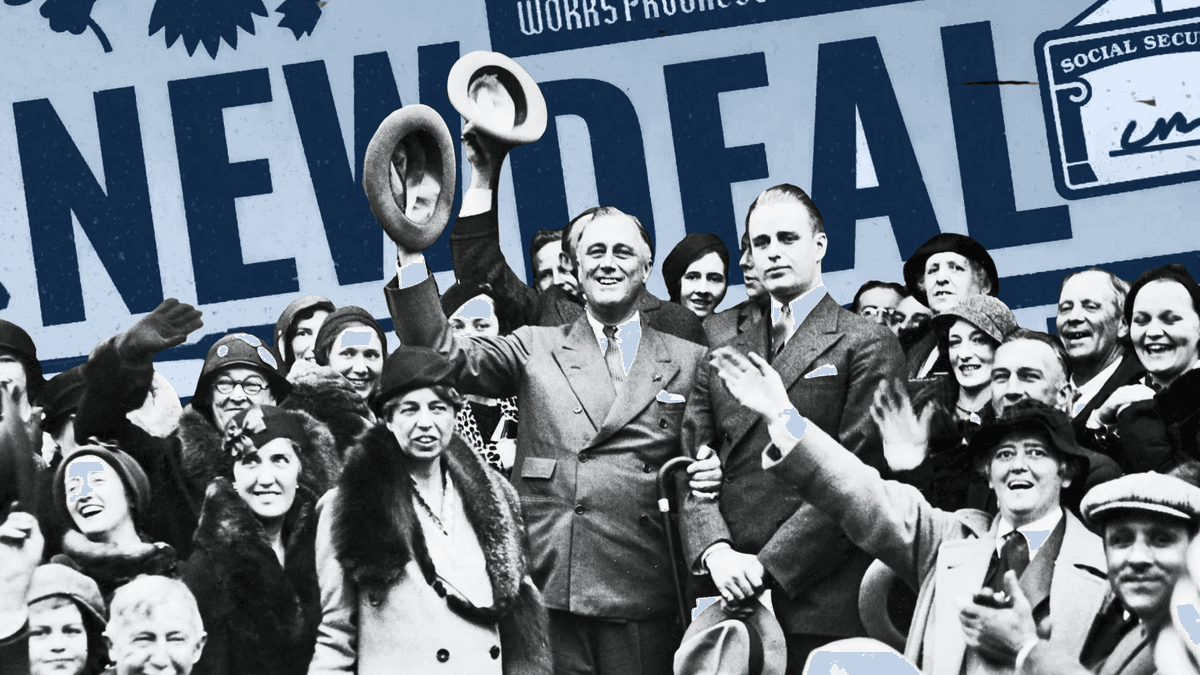
The New Deal: Fighting Depression with Bold Ideas
Faced with economic collapse, President Franklin D. Roosevelt launched a revolutionary plan to rebuild America from the ground up. The New Deal wasn’t just policy—it was a bold experiment in hope, action, and government responsibility.
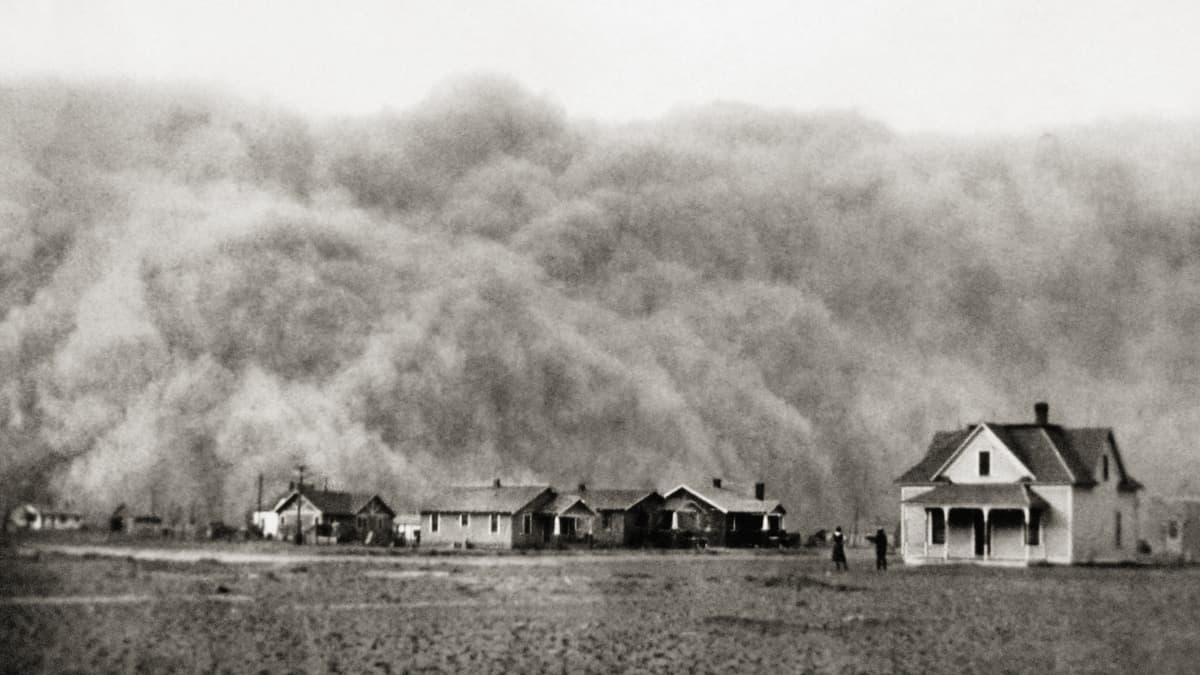
The Dust Bowl and the Price of Plowed Dreams
On May 11, 1934, a dust storm two miles high turned daylight into darkness and carried America’s soil into the Atlantic Ocean. But this wasn’t just a weather event—it was the collapse of a dangerous illusion.
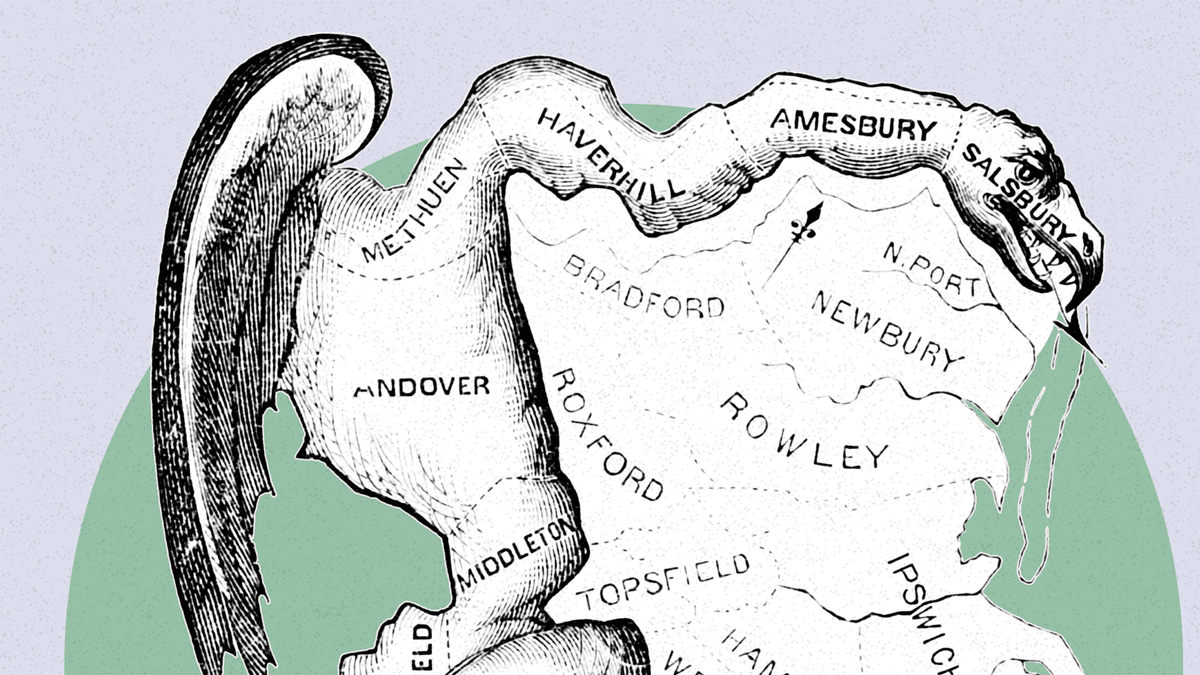
Gerrymandering: When Maps Become Weapons
What happens when politicians choose their voters instead of the other way around? Welcome to the twisted world of gerrymandering.
Further Reading
Stay curious!