

Hernandez v. Texas Expands Civil Rights Protections
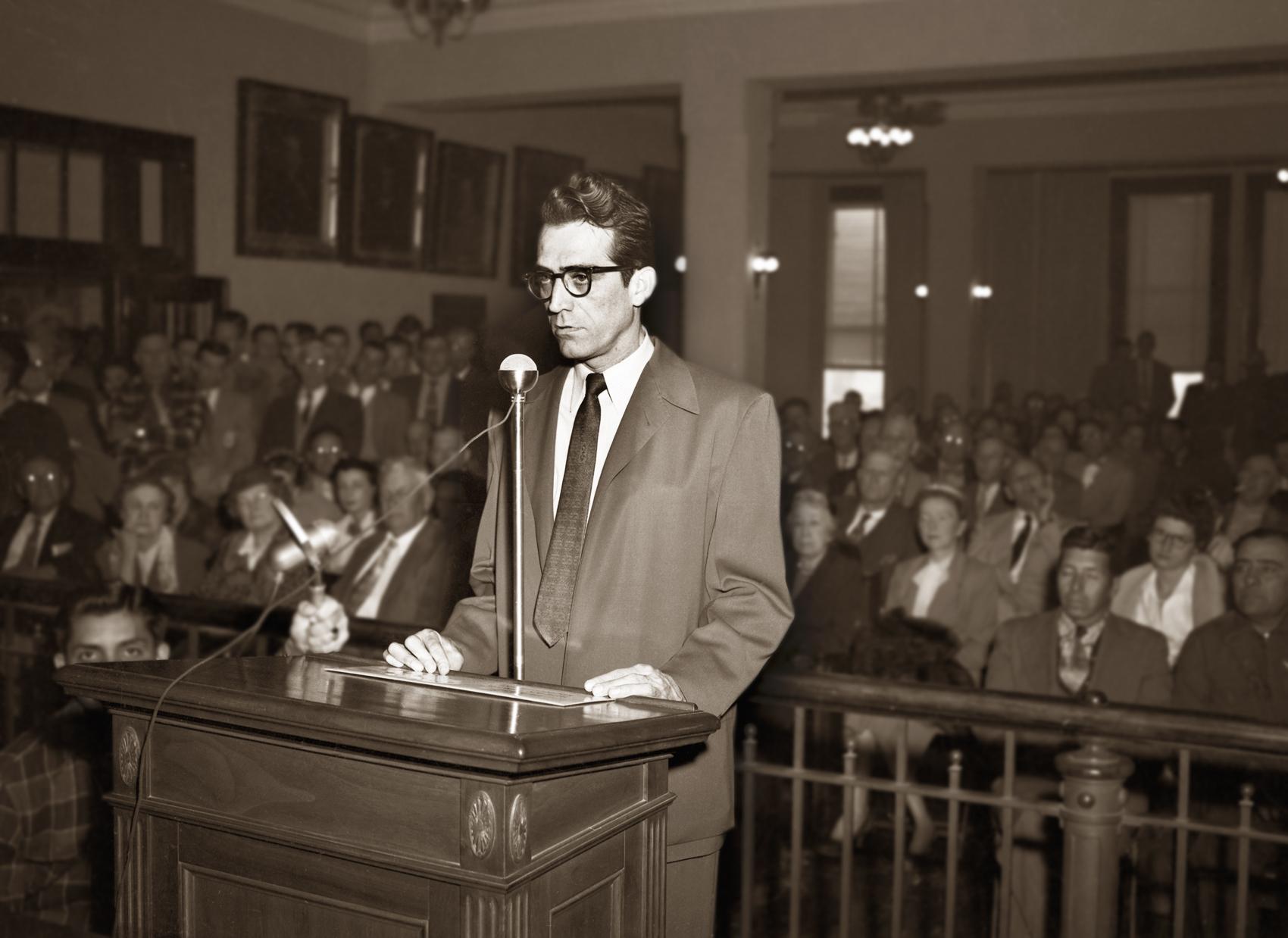
In a unanimous decision, the Supreme Court ruled that all racial and ethnic groups—including Mexican Americans—deserved equal protection under the Constitution.
What Happened?
In the early 1950s, Pete Hernandez, a Mexican American farmworker in Texas, was convicted of murder by an all-white jury, despite living in a county with a large Mexican American population. This raised an important question: could someone truly receive a fair trial if people from their own community were completely excluded from the jury?
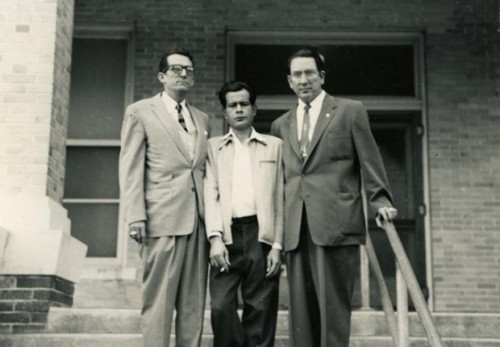
Hernandez’s lawyers, Gus Garcia and Carlos Cadena, investigated and found that no one with a Hispanic surname had served on a jury in that county for over 25 years, despite the large Mexican American population. They argued that this pattern showed clear discrimination and violated Hernandez’s constitutional rights.
Texas officials did not deny the exclusion. Instead, they argued that Mexican Americans were legally classified as 'white,' and therefore no discrimination had taken place. According to this logic, the Constitution only recognized inequality between Black and white Americans.
The Supreme Court rejected that argument. In a unanimous decision, the justices ruled that the Fourteenth Amendment protects all groups facing discrimination. Chief Justice Earl Warren delivered the opinion: the Constitution doesn’t operate on a 'two-class theory.' It protects all people facing discrimination—Black, brown, or otherwise. The Court made it clear that equality under the law must reflect real-life experiences, not just legal labels.
This decision marked a major shift in how civil rights were understood in the United States. For the first time, Mexican Americans were officially recognized as a group that could be discriminated against—and therefore protected by the Constitution.
Hernandez v. Texas helped lay the groundwork for future civil rights victories by expanding who could challenge unfair treatment in court. It showed that justice must evolve as society becomes more aware of inequality in all its forms.
Why It Matters
Hernandez v. Texas forced the nation to face a deeper truth: civil rights aren’t just about two groups, they’re about fairness for all. This case reminds us that fairness isn't always obvious or automatic. It often requires people to speak up, challenge systems, and demand that laws reflect the realities of everyday life. The ruling opened the door for other communities—Latino, Asian American, Indigenous, and more—to challenge discrimination in court. It was a turning point in the fight for justice, and a reminder that America’s promise must be shared by everyone.
?
Why was it important that Hernandez be tried by a jury that included people from his own community?
What does the phrase 'a class apart' mean, and how did it apply to Mexican Americans in Texas?
Why did the Supreme Court reject the idea that the Fourteenth Amendment only protected Black and white Americans?
How did this case help lay the groundwork for later civil rights victories?
Can you think of a time when a law didn’t reflect the real-life experiences of a group of people? How might courts help change that?
Dig Deeper
Explore the landmark case that expanded civil rights protections to Mexican Americans, featuring interviews, archival footage, and legal insight into how 'a class apart' changed American law.
Related

The Second Amendment: Rights, Regulation, and Modern Debate
The Second Amendment has sparked centuries of debate: Is it about militias, individual rights, or both? From its 18th-century origins to modern Supreme Court rulings, this question remains central to America’s most heated constitutional argument.
Birthright Citizenship: The Right of the Soil and the Right of the Blood
From English common law to the Fourteenth Amendment, birthright citizenship has shaped who belongs in America — and who is excluded.
Universal Suffrage in the United States
The right to vote wasn’t handed to everyone—it was fought for, over centuries, by people demanding that democracy actually mean everyone has a voice.
Further Reading
Stay curious!