

Surgeon General Confirms Smoking Causes Cancer
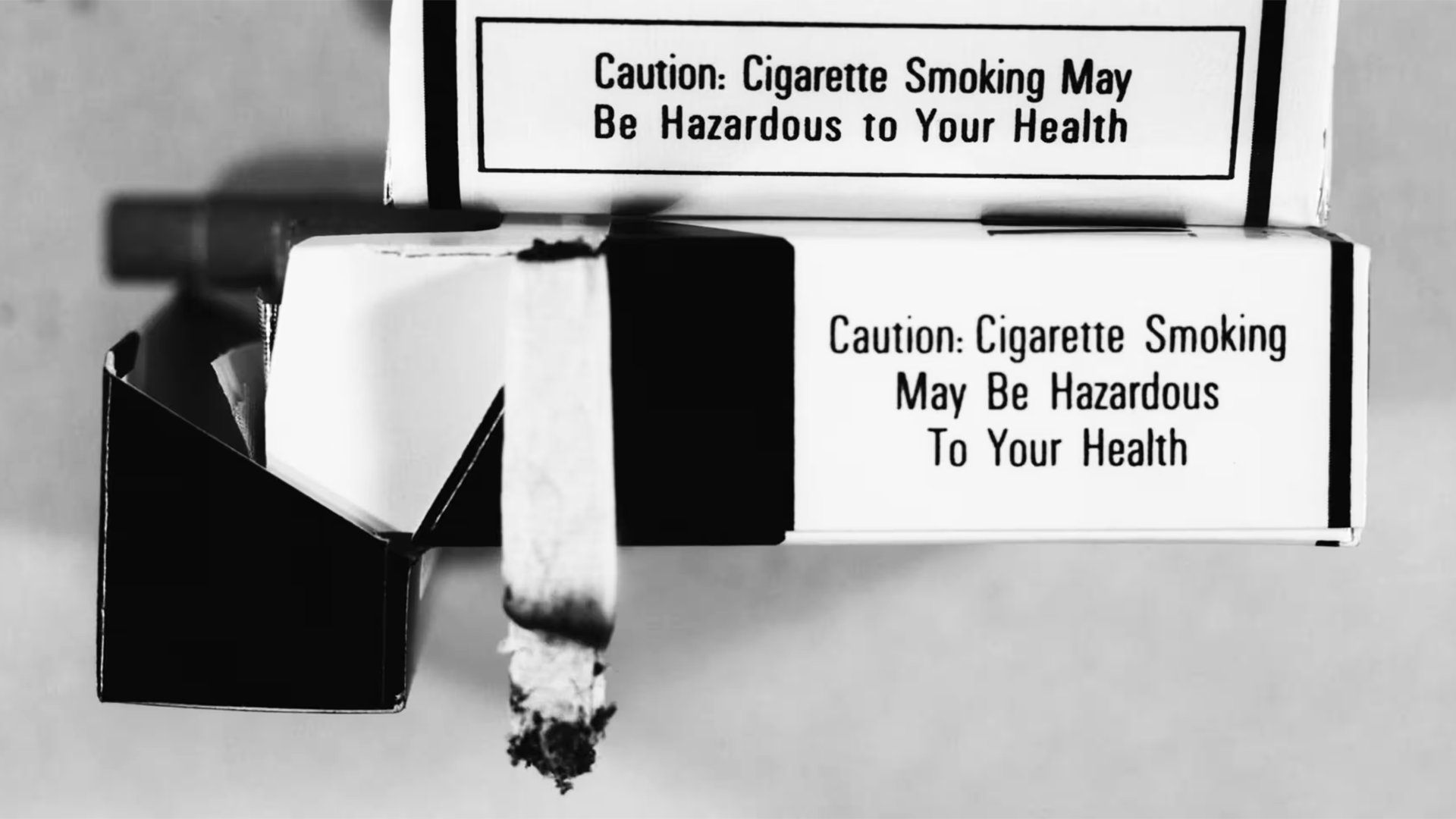
1960s public health warning about the dangers of smoking
What Happened?
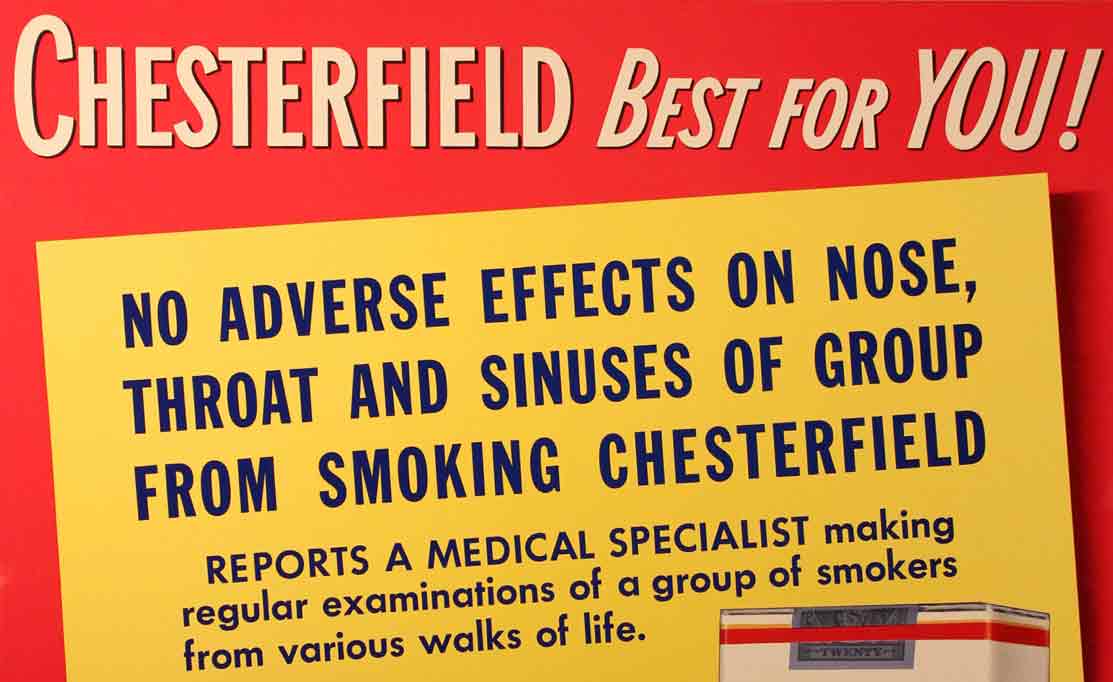
By the early 1960s, cigarette smoking was woven into everyday American life and culture. People smoked openly in offices, restaurants, airplanes, schools, and even hospitals, and ashtrays were considered a normal household item. Tobacco companies filled newspapers, magazines, radio, and television with ads that portrayed smoking as glamorous, calming, and even healthy, often featuring doctors, athletes, and movie stars. While some physicians quietly raised concerns, smoking was still widely accepted as a normal personal choice rather than a serious health risk.
For several decades, scientists and doctors in the United States and Europe had observed a troubling rise in lung cancer cases, especially among people who smoked cigarettes. Large population studies and long-term surveys showed that smokers were far more likely than non-smokers to develop lung cancer, heart disease, chronic bronchitis, and emphysema. Despite the growing evidence, many people dismissed these findings, and tobacco companies publicly questioned the science, creating confusion and slowing public acceptance of the risks.
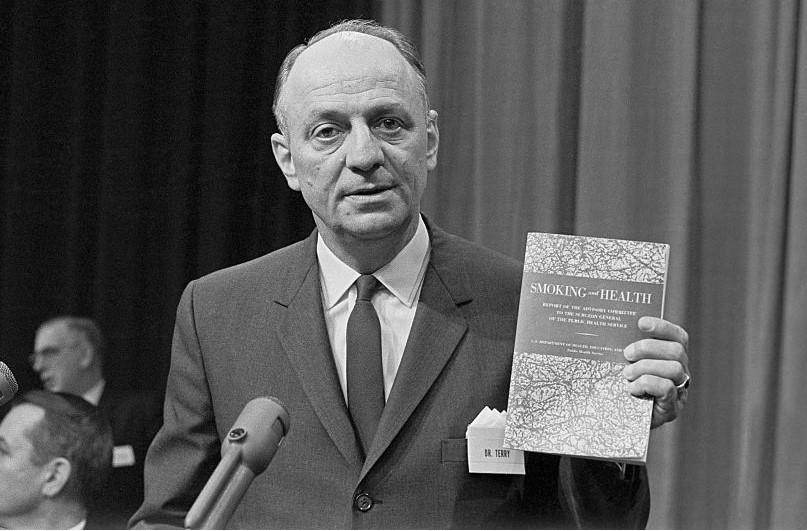
In 1962, U.S. Surgeon General Luther Terry took a historic step by forming an independent advisory committee made up of leading medical and scientific experts. The group carefully reviewed more than 7,000 scientific studies over two years, using strict standards to avoid bias. Their conclusion was clear and unprecedented: cigarette smoking caused lung cancer and other serious diseases in men and likely posed similar dangers to women, even though fewer women smoked at the time.
When Terry released the report on January 11, 1964, he intentionally chose a Saturday to soften its immediate economic impact. Still, the findings dominated headlines across the nation and became a lead story on radio and television. The announcement shocked many Americans and forced the public to confront the reality that a common and socially accepted habit was causing widespread illness and death.
The report revealed that smokers faced significantly higher death rates than non-smokers and that the risk increased the longer a person smoked. It also showed that quitting smoking could reduce health risks over time, offering hope that change was possible. Most importantly, the report reframed smoking as a public health crisis, emphasizing that its effects extended beyond individual smokers to families, workplaces, and even people exposed to secondhand smoke.
Although tobacco companies publicly denied the findings and invested heavily in advertising and public relations campaigns to cast doubt on the science, public belief in the smoking–cancer link grew rapidly. Within a few years, most Americans accepted the connection. This shift led to major policy changes, including warning labels on cigarette packages, bans on cigarette advertising on television and radio, and laws designed to protect non-smokers from secondhand smoke.
The 1964 Surgeon General’s report permanently changed how Americans think about science, health, and corporate responsibility. It demonstrated that careful research and public transparency can challenge powerful industries and influence national behavior. The report laid the foundation for modern public health policy and helped save millions of lives by showing that informed choices and government action can reduce preventable harm.
Why It Matters
The Surgeon General’s 1964 report showed how evidence and science can reshape public behavior, policy, and cultural norms even in the face of powerful economic and political resistance. It reminds us that protecting public health requires independent research, honest communication, and leaders willing to act on facts rather than profit or popularity. The report also set a lasting example of how governments can use knowledge to reduce harm, save lives, and hold industries accountable.
?
Why do you think so many Americans continued smoking even after early warning signs appeared?
How did the 1964 report change the role of government in protecting public health?
Why might companies try to create doubt when scientific evidence threatens their profits?
How are debates about vaping today similar to debates about cigarettes in the past?
Why is it important for scientists and doctors to remain independent from corporations?
Dig Deeper
An accessible explanation of how smoking harms the body and what happens when someone quits.
A historical look at how scientists uncovered the link between smoking and cancer.
Related
English Colonization: Roanoke, Jamestown, and Early Settlements
From vanished colonies and tobacco empires to pirates and indigenous resistance, the story of England’s first attempts at colonization in North America is anything but boring.

The 13 Colonies: Seeds of a New Nation
How did thirteen scattered colonies along the Atlantic coast grow into the foundation of a new nation?

Daylight Saving Time: Does It Still Make Sense?
As Americans prepare to set their clocks forward, the debate over Daylight Saving Time resurfaces. Does changing the clocks actually save energy, or is it just an outdated tradition?
Further Reading
Stay curious!