

LBJ Envisions a Great Society
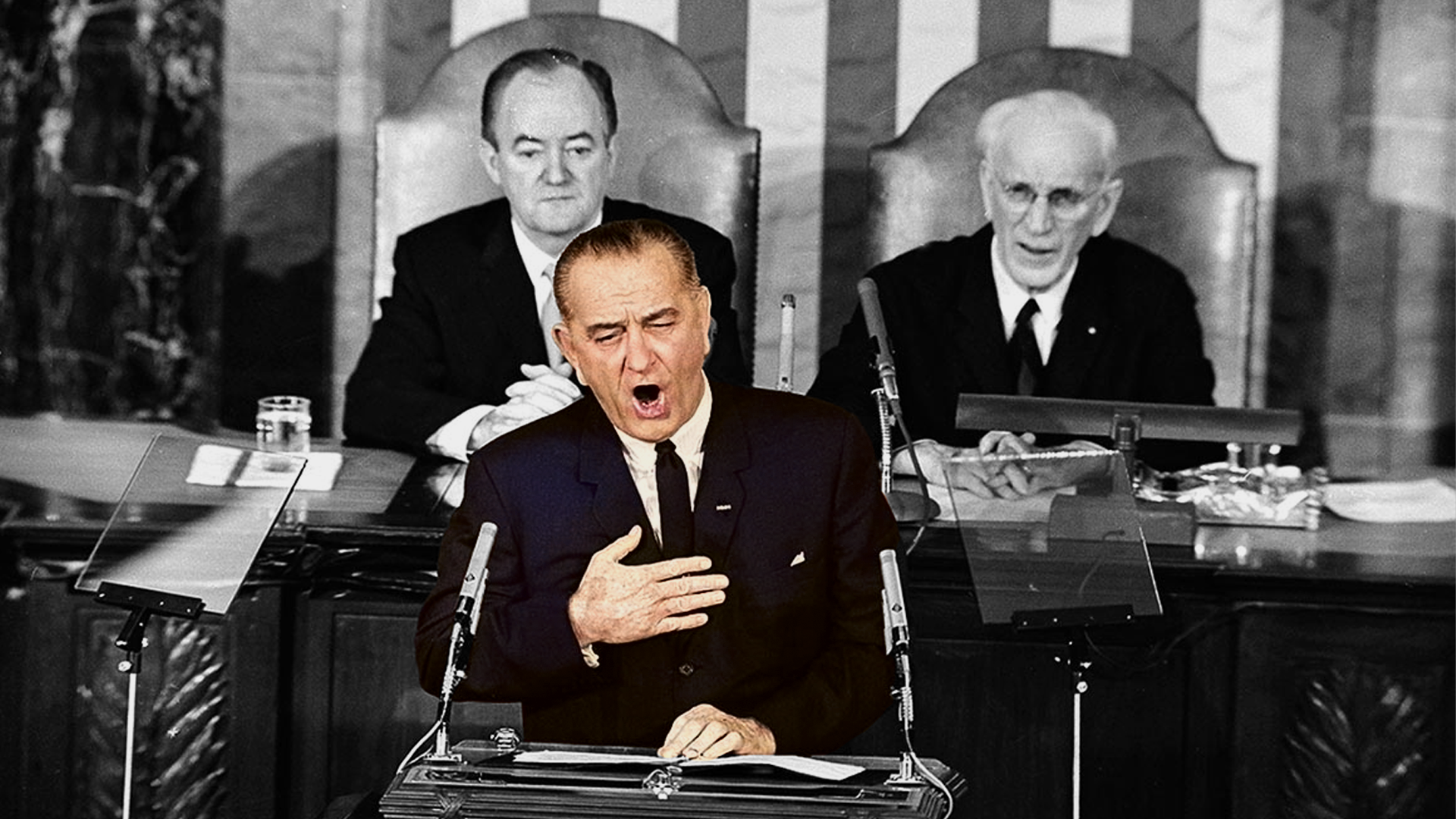
LBJ’s Great Society redefined the role of government by aiming to ensure health, education, and opportunity for all Americans.
What Happened?
On January 4, 1965, President Lyndon B. Johnson addressed Congress at a moment when the nation was searching for direction. After the shock of President John F. Kennedy’s assassination and Johnson’s overwhelming election victory, many Americans believed the federal government could and should take bold steps to improve everyday life.
Johnson introduced his vision of a “Great Society,” arguing that freedom meant more than economic growth—it meant dignity, opportunity, and security for every citizen. He believed that a wealthy nation had a responsibility to confront poverty, inequality, poor education, and lack of access to health care.
Central to this vision was the War on Poverty. Programs like Job Corps, work-study opportunities, and community action initiatives were designed to help people gain skills, education, and jobs so they could break cycles of poverty rather than rely on temporary aid.
Health care reform became a defining part of the Great Society. Medicare provided health coverage for older Americans, while Medicaid helped low-income families receive medical care. These programs dramatically reduced the number of uninsured Americans and reshaped how the nation cared for its most vulnerable people.
Education and early childhood development were also priorities. Through Head Start and federal funding for low-income school districts, Johnson aimed to give children a fair chance to succeed regardless of where they were born or how much money their families had.
The Great Society expanded civil rights protections and strengthened democracy. Laws passed during this period helped end legal segregation and protected voting rights, ensuring that more Americans could participate fully in civic life.
Johnson also believed a strong society needed clean air, clean water, cultural enrichment, and scientific progress. Environmental laws, arts funding, and support for space exploration reflected his belief that quality of life included beauty, creativity, and innovation, not just economic survival.
Why It Matters
The Great Society changed how Americans think about the responsibilities of government. It showed that laws and public programs can be used to expand opportunity, protect rights, and improve daily life, while also raising lasting debates about how much government should do and for whom.
?
Why did President Lyndon B. Johnson believe the country was ready for big changes in 1965?
How did the Great Society try to improve everyday life for families, children, and seniors?
Why were programs like Medicare, Medicaid, and Head Start considered so important?
How did civil rights laws fit into Johnson’s vision of a Great Society?
Why do people still debate the successes and limits of the Great Society today?
Dig Deeper
An overview of the goals, programs, and lasting impact of President Johnson’s Great Society.
Related
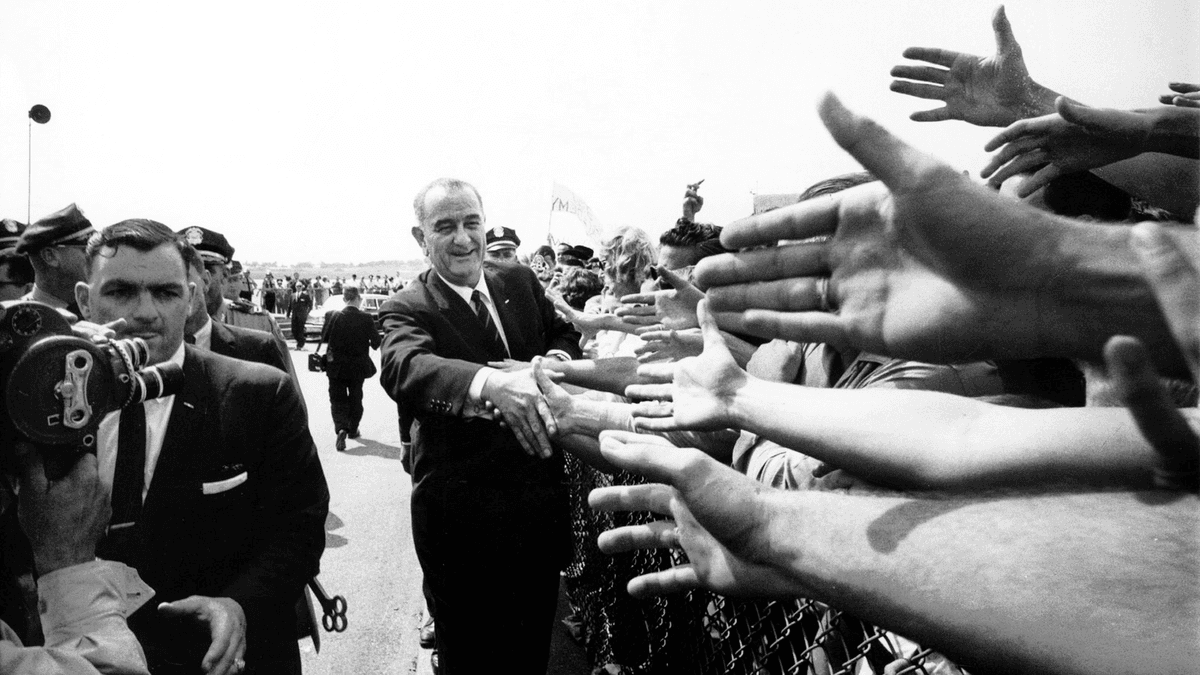
The Great Society: Government as a Force for Good
The Great Society wasn’t just a policy agenda, it was a radical vision of what America could be. With sweeping reforms in health care, education, civil rights, immigration, and the environment, President Johnson’s plan aimed to eliminate poverty and racial injustice once and for all.
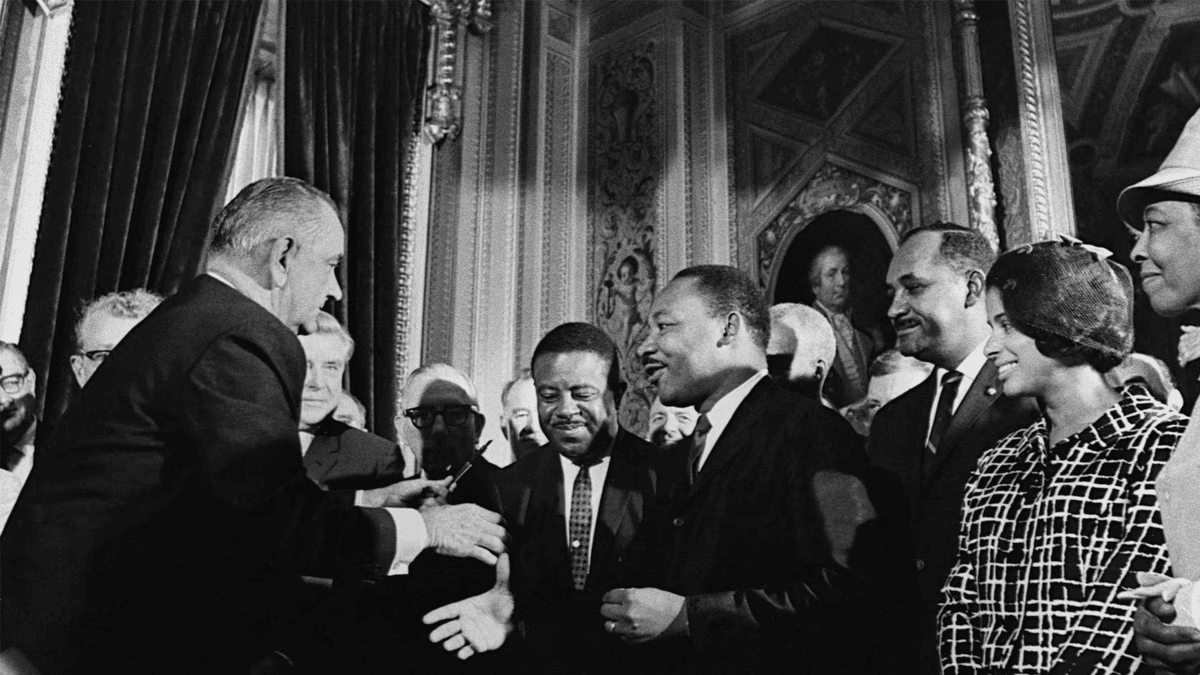
The Voting Rights Act of 1965: Enforcing the 15th Amendment
How a landmark law transformed voting access in the South and gave real force to the promises of the 15th Amendment.
Fair and Unfair Laws: Justice, Equality, and the Power of Rules
Laws shape how societies function, but not all laws are fair. Understanding the difference between fair and unfair laws helps citizens protect justice and equality.
Further Reading
Stay curious!