

The Responsibility of Intellectuals: Noam Chomsky’s Call to Conscience
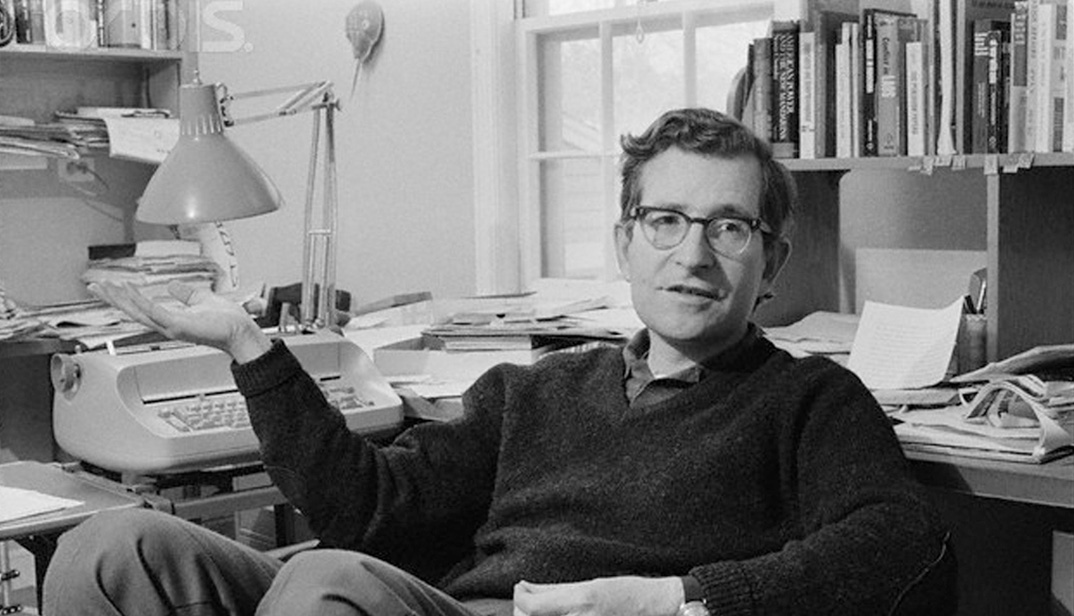
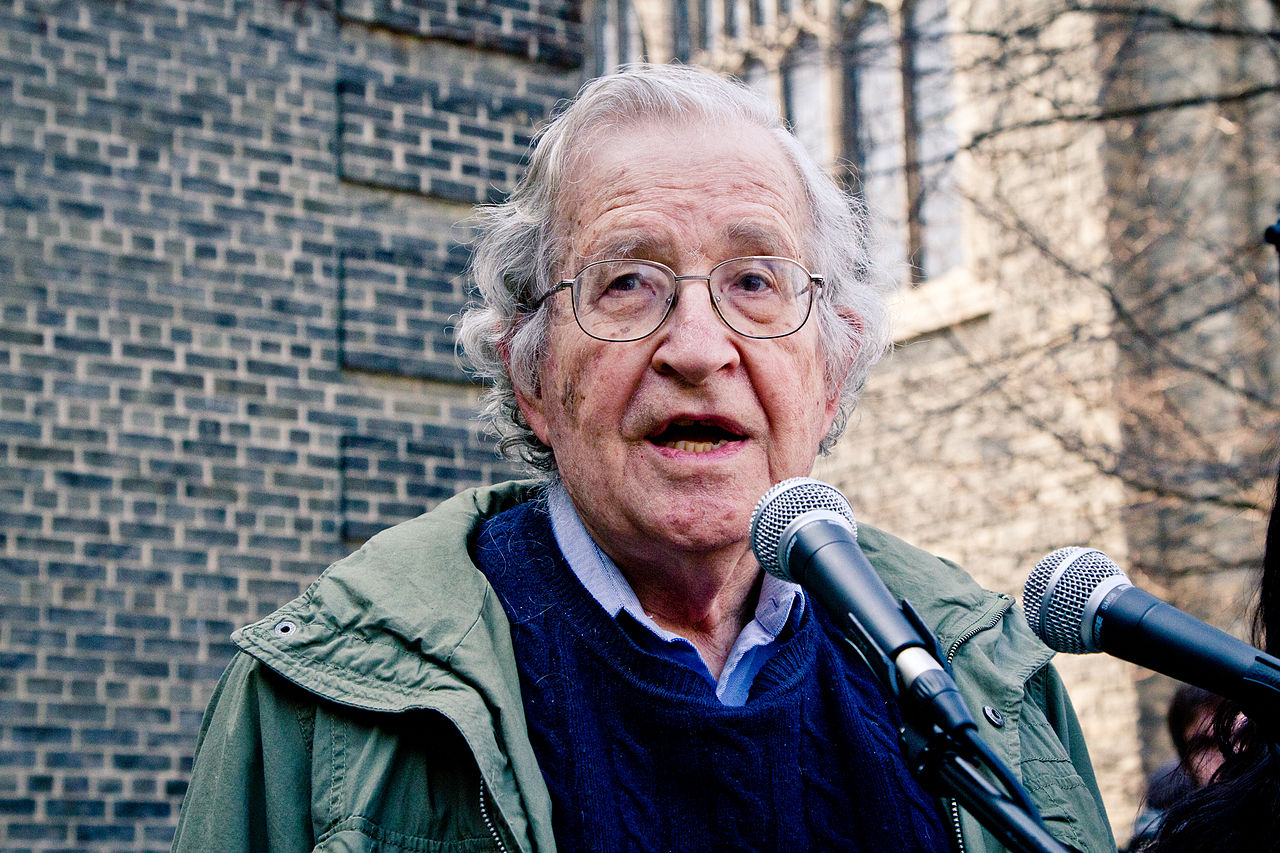
Noam Chomsky speaking at a lecture, advocating for the moral responsibility of intellectuals.
What Happened?
In the midst of the Vietnam War, Noam Chomsky, a linguist and philosopher, turned his attention to politics. He argued that intellectuals—scholars, scientists, journalists, and policymakers—often failed in their moral responsibility by supporting or rationalizing state violence instead of questioning it.
Chomsky’s essay was influenced by the work of Dwight Macdonald, who after World War II had asked whether German and Japanese citizens bore responsibility for their governments’ war crimes. Chomsky turned this question back on the American public, asking whether U.S. intellectuals were complicit in justifying the atrocities of their own government.
He criticized those who opposed the Vietnam War purely on technical grounds—arguing that it was an unwinnable conflict—rather than on moral grounds. He noted that some of the most vocal critics of the war were not social scientists or political insiders but mathematicians, philosophers, and other thinkers who approached the issue from an ethical standpoint.
Chomsky warned that intellectuals, if they served power instead of questioning it, could become tools of oppression rather than forces for truth and justice. He highlighted historical examples, such as the way prominent scholars in Germany, Britain, and the United States had justified their own countries’ wars, often without critically evaluating the human cost.
His essay challenged the idea that expertise and intelligence alone make someone a responsible intellectual. Instead, he argued that true responsibility requires using one’s knowledge and influence to challenge lies, expose injustice, and defend the powerless—even when it is unpopular or dangerous to do so.
Over time, 'The Responsibility of Intellectuals' became one of the most influential essays in modern political thought, cementing Chomsky’s reputation as one of the leading voices of dissent. His critique of media, government propaganda, and the role of experts in manufacturing consent for war remains relevant today.
Why It Matters
Chomsky’s essay remains a powerful reminder that intellectuals are not just passive observers of history—they shape it. The responsibility of intellectuals is not just to analyze events but to speak out when power is abused. Whether during the Vietnam War, the War on Terror, or conflicts today, the challenge remains: Will scholars and experts serve the truth, or will they serve power?
?
How did Chomsky’s essay change the way intellectuals engage with politics and public debate?
What are some historical examples of intellectuals who challenged authority versus those who served it?
How does the role of intellectuals in questioning power compare between the Vietnam War era and today?
Why do governments often rely on experts and intellectuals to justify their policies, and how can this be dangerous?
Dig Deeper
According to American linguist and political activist, Noam Chomsky, media operate through 5 filters: ownership, advertising, the media elite, flak and the common enemy.
Related
Everyday Ethics: How We Decide What’s Right
Ethics isn’t just for philosophers—it shows up in everyday choices. Learn how to think through right and wrong using real-world frameworks.
Civics vs. Ethics
Civics explains the rules of society. Ethics asks whether those rules are right.
Ethics: Right and Wrong
Ethics asks how we ought to live, even when the law is silent or wrong.
Further Reading
Stay curious!