

Panamanian Dictator Manuel Noriega Surrenders to U.S.
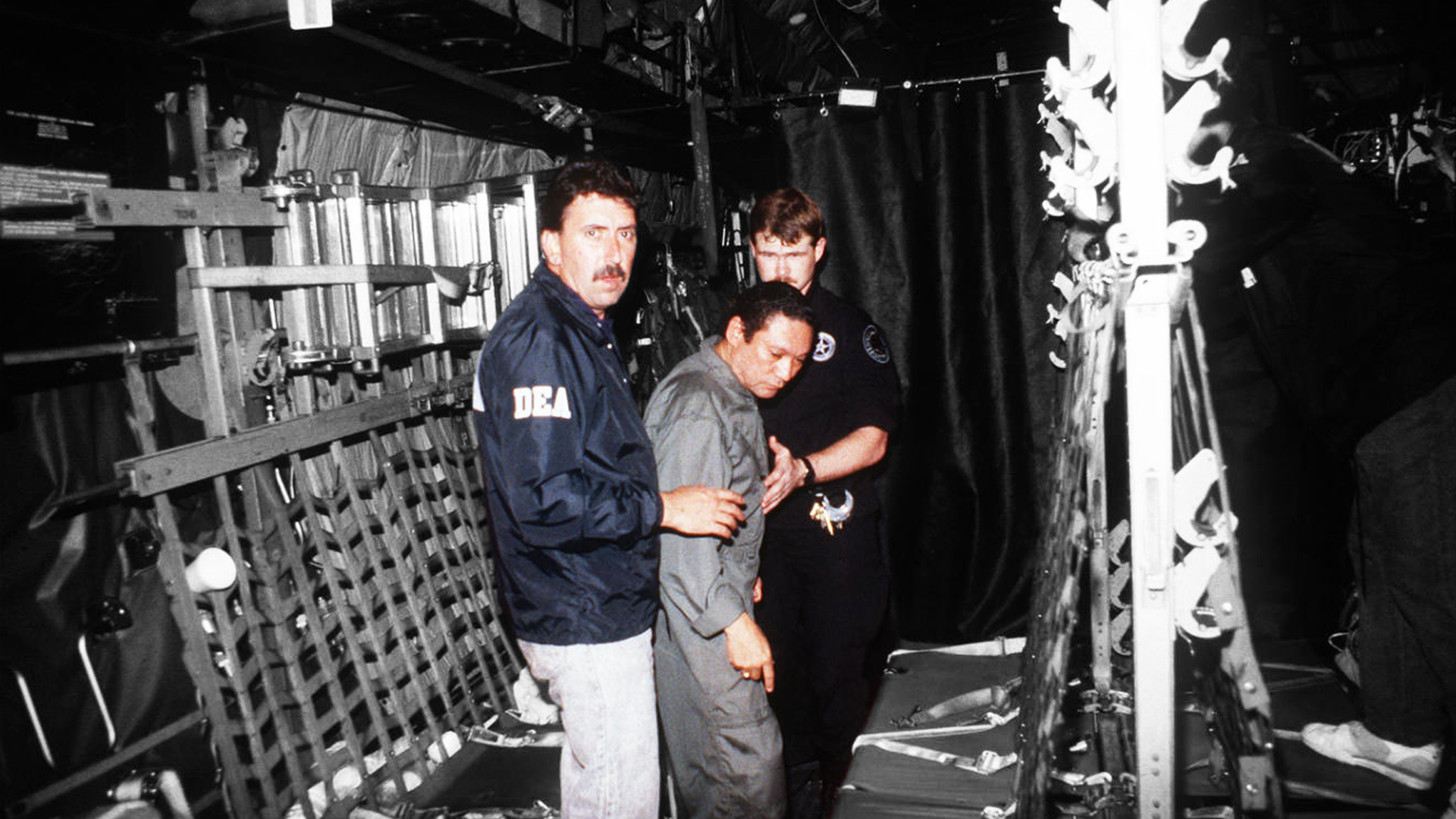
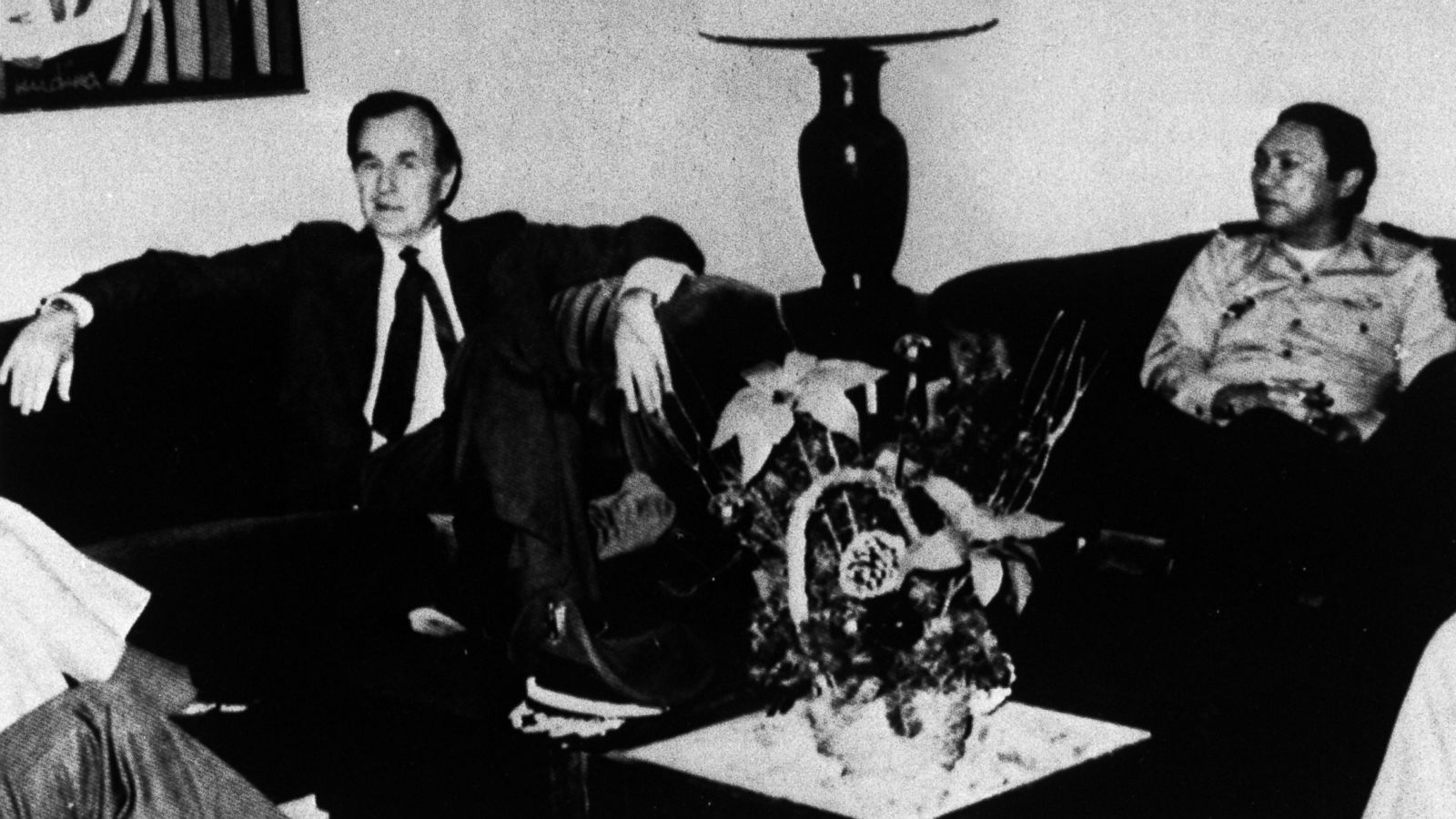
Manuel Noriega surrendering to U.S. military forces in Panama City
What Happened?
By the late 1980s, Panama was living under the rule of General Manuel Noriega, a military leader who controlled the country through fear, corruption, and manipulation. Although Panama held elections, Noriega fixed results and ruled behind the scenes by installing leaders who obeyed him.
Noriega’s power was built through violence and secrecy. As head of military intelligence, he silenced critics, shut down newspapers, and forced political opponents into exile. At the same time, he secretly worked with drug cartels, allowing large amounts of cocaine to pass through Panama on its way to the United States.
For years, the United States tolerated Noriega because he had once worked with American intelligence during the Cold War. But as his crimes grew more severe and his behavior more hostile, U.S. officials began to see him as a dangerous liability rather than an ally.
In December 1989, after Noriega canceled democratic elections and Panamanian soldiers killed a U.S. Marine, President George H.W. Bush ordered a military invasion known as Operation Just Cause. Thousands of U.S. troops entered Panama to arrest Noriega and remove him from power.
Noriega escaped capture at first and hid inside the Vatican embassy in Panama City. U.S. forces surrounded the building and used psychological pressure to force him out. After ten days, Noriega surrendered on January 3, 1990.
Crowds in Panama celebrated as Noriega was flown to the United States to face trial. In 1992, he was convicted of drug trafficking, money laundering, and racketeering, ending his rule and symbolizing a rare moment when a powerful dictator was held accountable in court.
The fall of Noriega showed how corruption and abuse of power can destabilize entire nations, and how international actions—especially military ones—carry serious consequences for civilians, governments, and global trust.
Why It Matters
Noriega’s surrender helps explain how dictators can rise through fear and corruption, but also how unchecked power eventually collapses. This event raises important questions about democracy, accountability, and the role of foreign governments in shaping the fate of other nations.
?
Why did the United States tolerate Manuel Noriega’s actions for so many years before turning against him?
How did Noriega use fear, secrecy, and control to stay in power?
What events finally pushed the United States to launch Operation Just Cause?
How did Noriega’s surrender change life in Panama after his rule ended?
What lessons can be learned about power and accountability from Noriega’s rise and fall?
Dig Deeper
Explains Noriega’s rise, his relationship with U.S. intelligence, and the events leading to his downfall.
Related
The War on Terror: A New Era of U.S. Power
After the September 11th attacks, the United States didn't just declare war on terrorism—it redefined national security, global alliances, and the limits of civil liberties.
The Vietnam War: Conflict, Cold War, and Consequences
A complex war shaped by colonial history, Cold War fears, and powerful resistance—understand why the Vietnam War happened and why it still matters.
The Enlightenment: Revolution of the Mind
The Enlightenment wasn’t just an era of smart people in powdered wigs—it was a radical shift in how humans understood power, truth, and their place in the world. Its ideas fueled revolutions, rewrote constitutions, and laid the intellectual bricks of modern democracy.
Further Reading
Stay curious!