

Apple Introduces the First iPhone
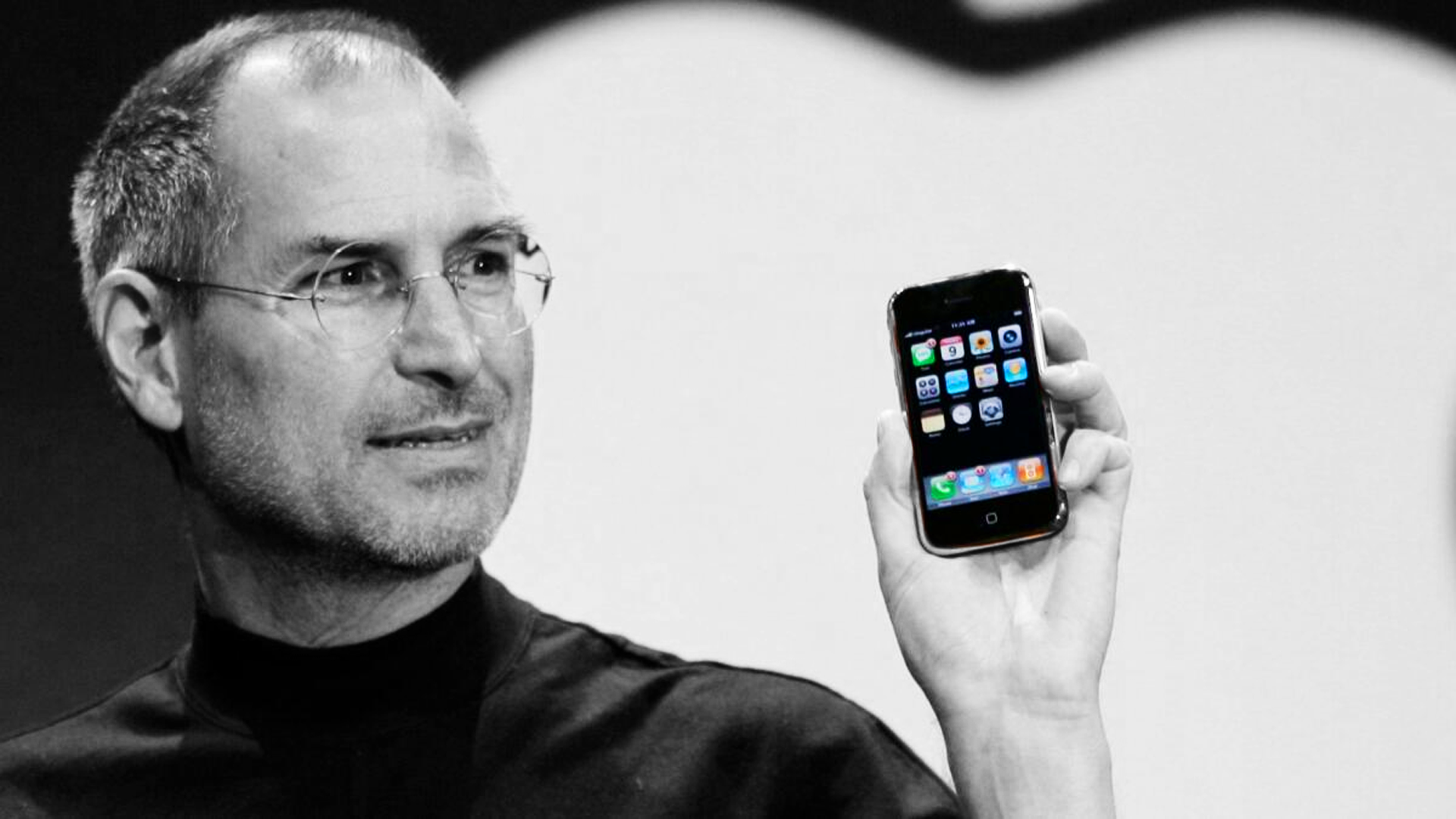
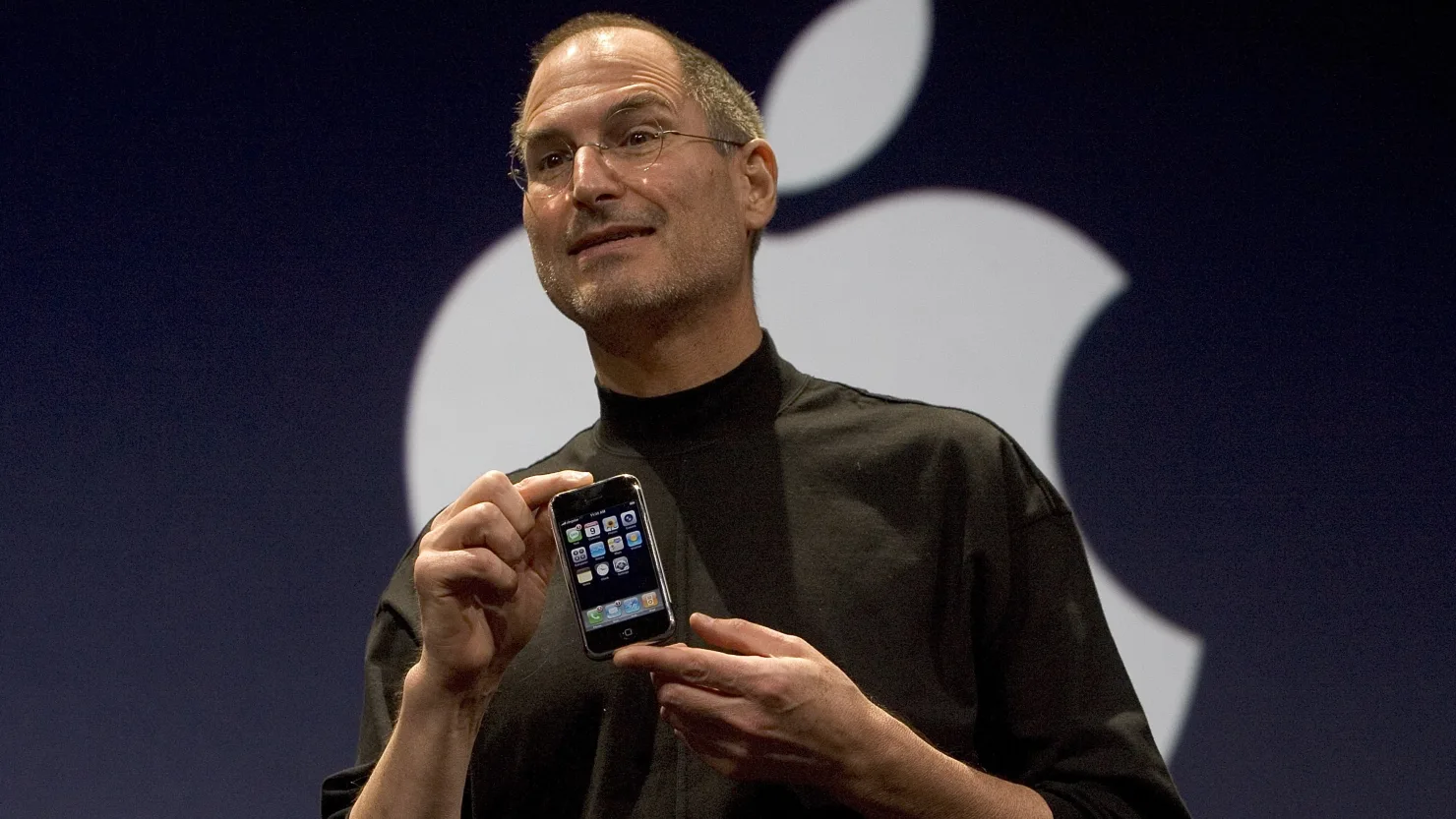
Steve Jobs presenting the first iPhone at Apple’s 2007 keynote event
What Happened?
On January 9, 2007, Apple introduced the first iPhone, marking a turning point in how humans interact with technology. While smartphones already existed, they were mostly tools for specialists. The iPhone transformed advanced computing into something ordinary people could use intuitively, shifting technology from keyboards and buttons to touch, gestures, and visual design.
The iPhone redefined what it meant to be connected. Internet access became constant rather than occasional, changing how people gather information, navigate cities, manage finances, and stay in touch. Knowledge that once required libraries, desktops, or experts became portable, reshaping learning, decision-making, and independence in daily life.
With the creation of the App Store in 2008, the iPhone became a platform rather than just a product. Developers around the world could build tools for education, medicine, transportation, art, and entertainment. Entire industries—such as ride-sharing, mobile banking, and social media—emerged because smartphones made them possible.
The device also transformed culture and communication. Cameras paired with instant sharing changed how history is documented, allowing ordinary people to record events in real time. This expanded storytelling, journalism, and activism, but also accelerated the spread of misinformation and blurred the line between private moments and public performance.
Work and education were reshaped as smartphones made remote collaboration, online learning, and flexible schedules more common. At the same time, constant connectivity increased pressure to always be available, making it harder to separate work, rest, and personal life.
The iPhone raised new ethical and social questions. Research has linked excessive smartphone use to attention challenges, sleep disruption, and mental health concerns, especially among young people. At the same time, the collection of personal data through apps introduced lasting debates about privacy, surveillance, and corporate responsibility.
The iPhone’s legacy is not simply technological—it is human. It demonstrates how tools can expand creativity, access, and opportunity while also reshaping habits, relationships, and power structures. Understanding its impact helps us see that innovation always carries responsibility alongside possibility.
Why It Matters
The introduction of the iPhone marked a turning point in how humans live alongside technology. It reshaped communication, work, entertainment, and access to information, placing powerful digital tools into everyday hands. At the same time, it raised new questions about attention, privacy, mental health, and dependence on screens. Understanding the iPhone’s impact helps us see how innovation can expand opportunity while also creating new responsibilities, reminding us that technology shapes not only what we can do, but how we think, interact, and participate in society.
?
How was the iPhone different from phones people used before 2007?
Why did the touchscreen change how people interacted with technology?
How did the App Store create new jobs and industries?
What are some positive ways smartphones help people learn and connect?
What challenges or problems have smartphones introduced into daily life?
Dig Deeper
A look at how the iPhone reshaped communication, work, and daily life.
An exploration of how smartphone use affects mental health and attention.
Related

Why NASA Matters: From the Moon to Your Morning Commute
NASA does more than explore space—it builds technology that helps farmers grow food, doctors save lives, and scientists protect the planet.

Harnessing the Power of Offshore Wind
Offshore wind energy is one of the fastest-growing renewable energy sources, capable of delivering massive amounts of clean electricity right where people live: along coastlines.
Developing and Refining Business Ideas
Having a great idea is exciting, but turning it into a successful business requires refining, testing, and planning.
Further Reading
Stay curious!