

The U.S. Creates an Emergency Oil Reserve
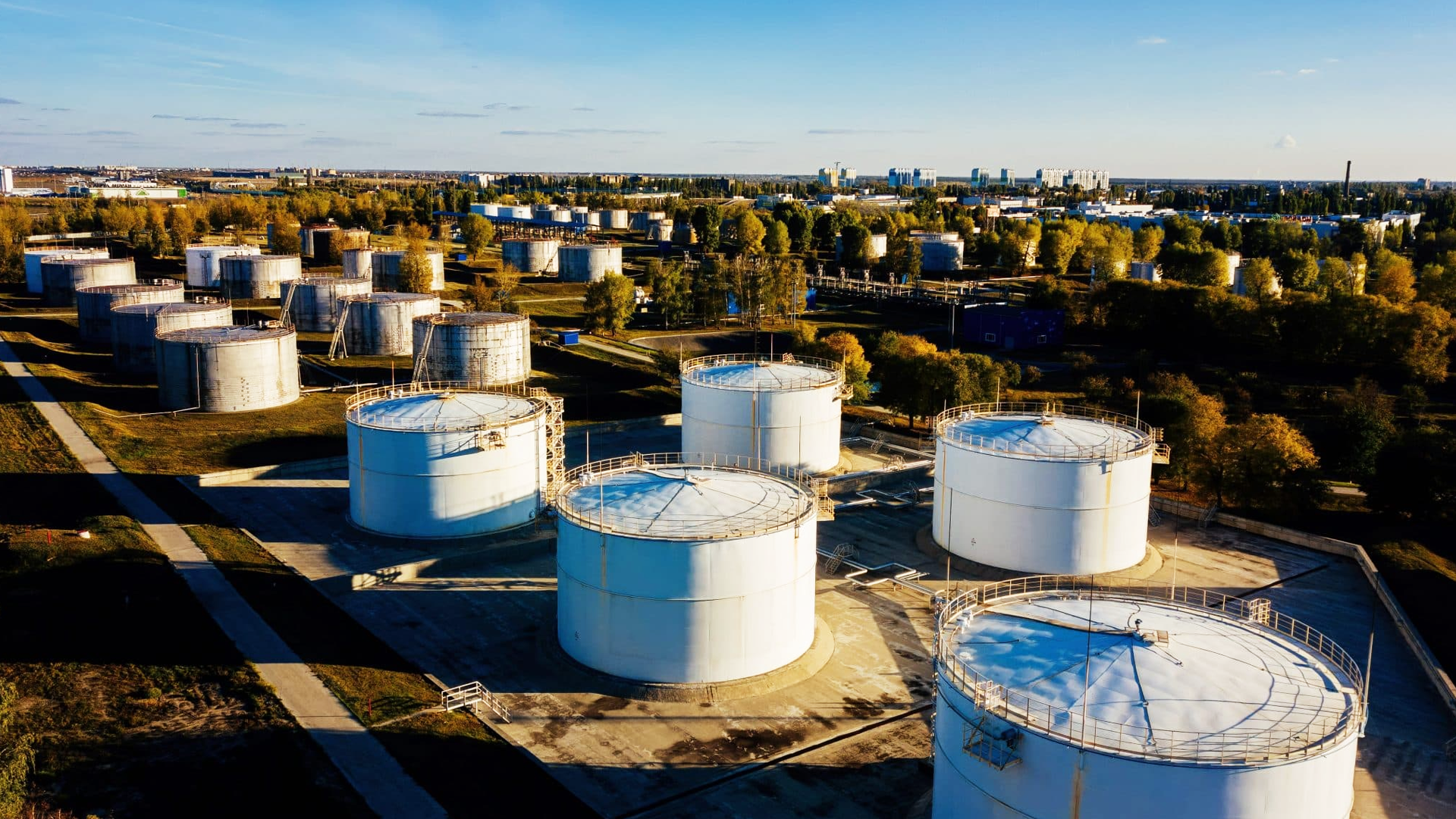
The Energy Policy and Conservation Act was passed to protect the U.S. economy and national security.
What Happened?
In the early 1970s, the United States experienced a major energy crisis that caught the nation off guard. In 1973, several oil-producing countries cut off oil shipments to the U.S. and its allies during a conflict in the Middle East. This oil embargo led to fuel shortages, long lines at gas stations, rising prices, and growing fear that the country had lost control over a resource it depended on every day.
The crisis revealed a serious weakness: the United States relied heavily on foreign oil, even though energy was essential to transportation, food production, and the economy. Leaders realized that energy shortages could damage national security just as much as military threats. This moment changed how Americans thought about oil. Not just as a product, but as a strategic resource.
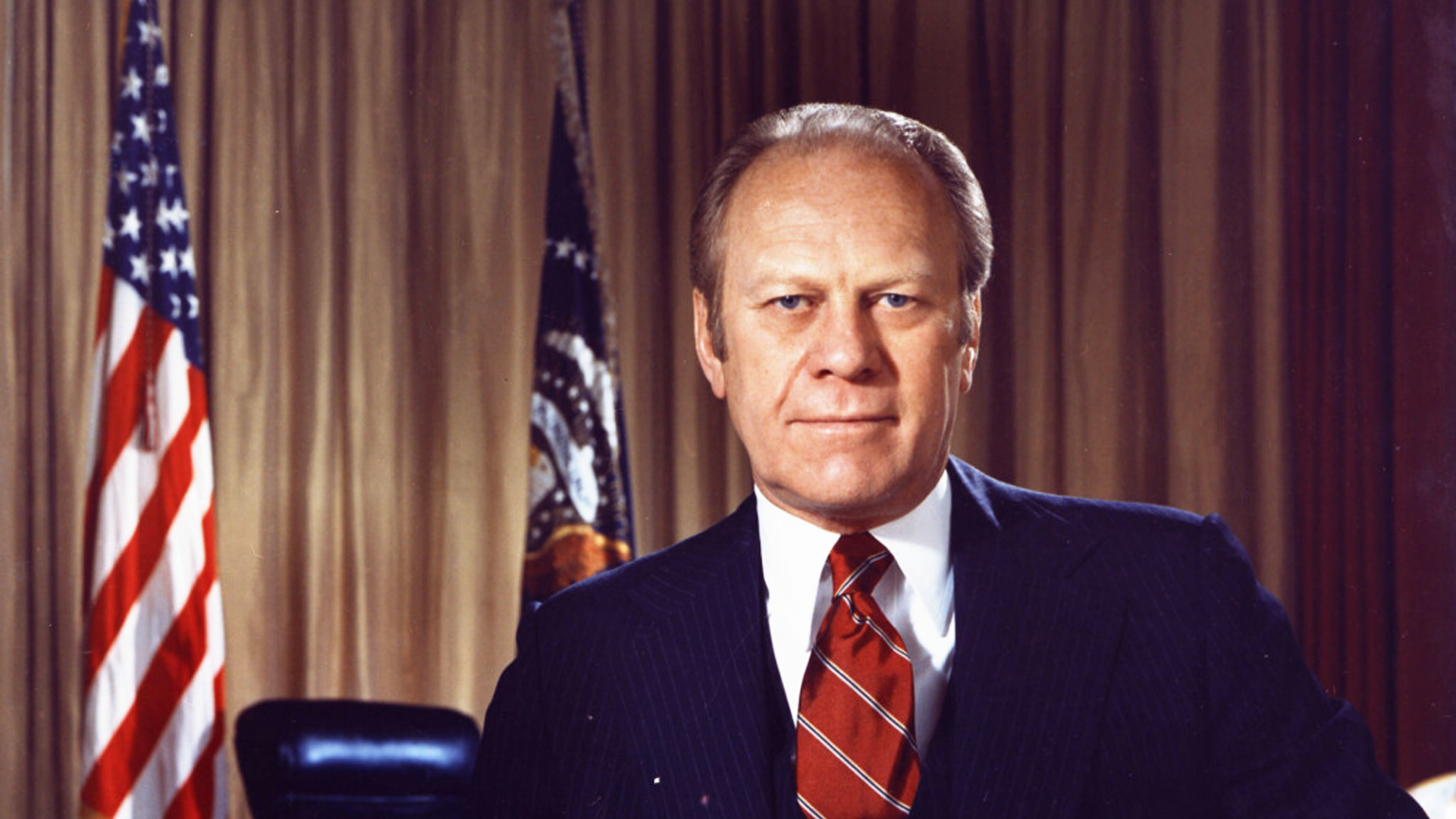
In response, Congress passed the Energy Policy and Conservation Act in 1975, and President Gerald Ford signed it into law. One of the law’s most important decisions was to create the Strategic Petroleum Reserve, or SPR—a massive emergency stockpile of oil owned by the federal government and saved for times of national need.
The oil in the SPR is stored deep underground in enormous salt caverns along the Gulf Coast of Texas and Louisiana. These caverns are naturally strong and secure, protecting the oil from damage while keeping it close to refineries, pipelines, and ports. This design allows the oil to be released quickly when the country faces an emergency.
The reserve was created to be used only in serious situations, such as wars, natural disasters, or major global supply disruptions. When oil supplies suddenly drop, the president can authorize a release from the SPR to help stabilize prices, keep fuel available, and prevent economic panic.
Since its creation, the SPR has been used during major events including the Gulf War, Hurricane Katrina, international conflicts, and global energy disruptions. Each time, the goal has been the same: to protect Americans from sudden shortages and reduce the country’s dependence on decisions made by foreign governments.
The Strategic Petroleum Reserve reminds us that energy planning is about the future, not just the present. Debates today about climate change, energy independence, and global conflicts still connect back to the same lesson learned in the 1970s: a nation must prepare for emergencies before they happen if it wants to protect its people and its economy.
Why It Matters
The Energy Policy and Conservation Act changed how the United States prepares for emergencies by recognizing energy as a vital national resource. The Strategic Petroleum Reserve helps protect families, businesses, and the economy from sudden fuel shortages caused by wars, disasters, or global conflicts. Understanding this moment shows how government planning, cooperation, and long-term thinking can reduce risk and increase stability in an unpredictable world.
?
Why did the oil embargo of the 1970s make the United States feel vulnerable?
Why do you think the government stores oil underground instead of above ground?
When should a president be allowed to release oil from the Strategic Petroleum Reserve?
How does energy security affect everyday life for families?
What other resources might a country want to store for emergencies?
Dig Deeper
An explanation of how the United States uses the Strategic Petroleum Reserve during energy emergencies.
A look at how the Strategic Petroleum Reserve works and why oil is stored in massive salt caverns.
Related
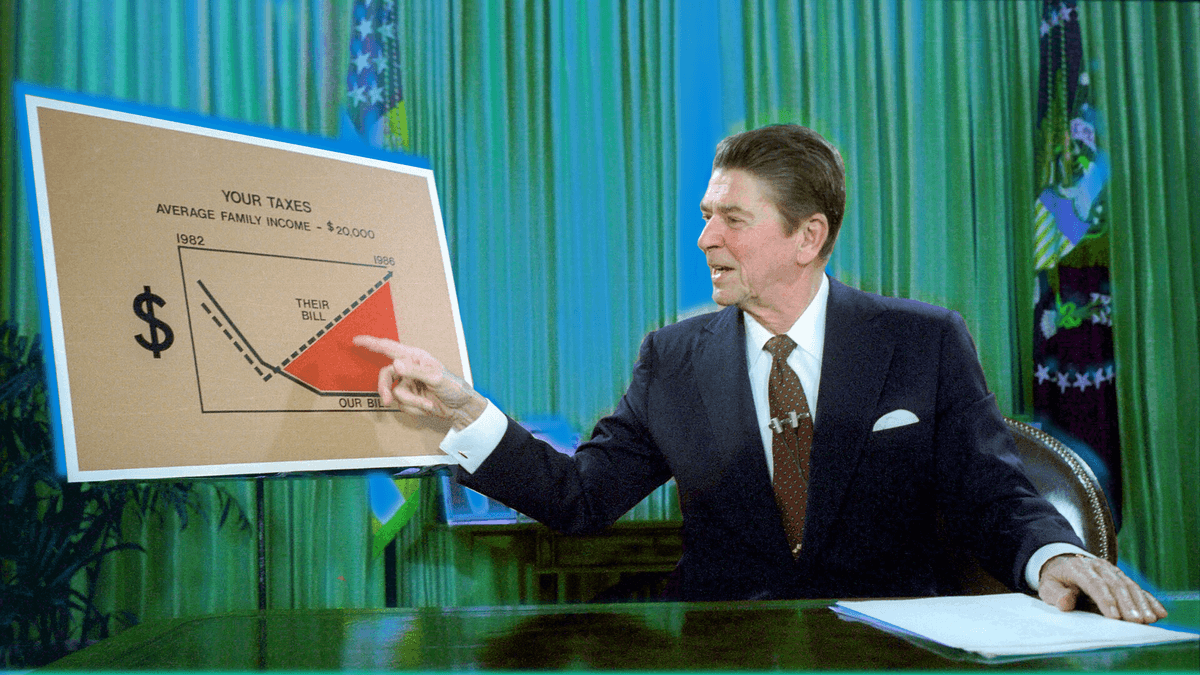
Free Market Fever: The Deregulation Debate
When is government the problem—and when is it the solution? Deregulation reshaped the U.S. economy, slashing rules and reshuffling power in the name of freedom and efficiency.
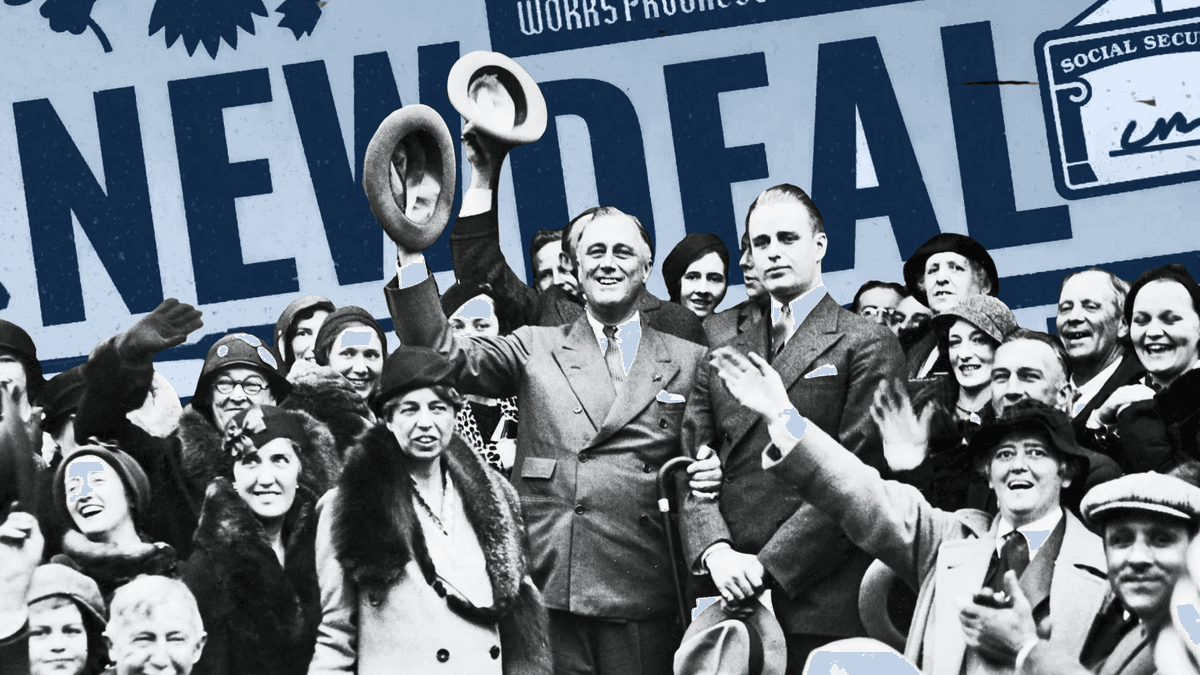
The New Deal: Fighting Depression with Bold Ideas
Faced with economic collapse, President Franklin D. Roosevelt launched a revolutionary plan to rebuild America from the ground up. The New Deal wasn’t just policy—it was a bold experiment in hope, action, and government responsibility.
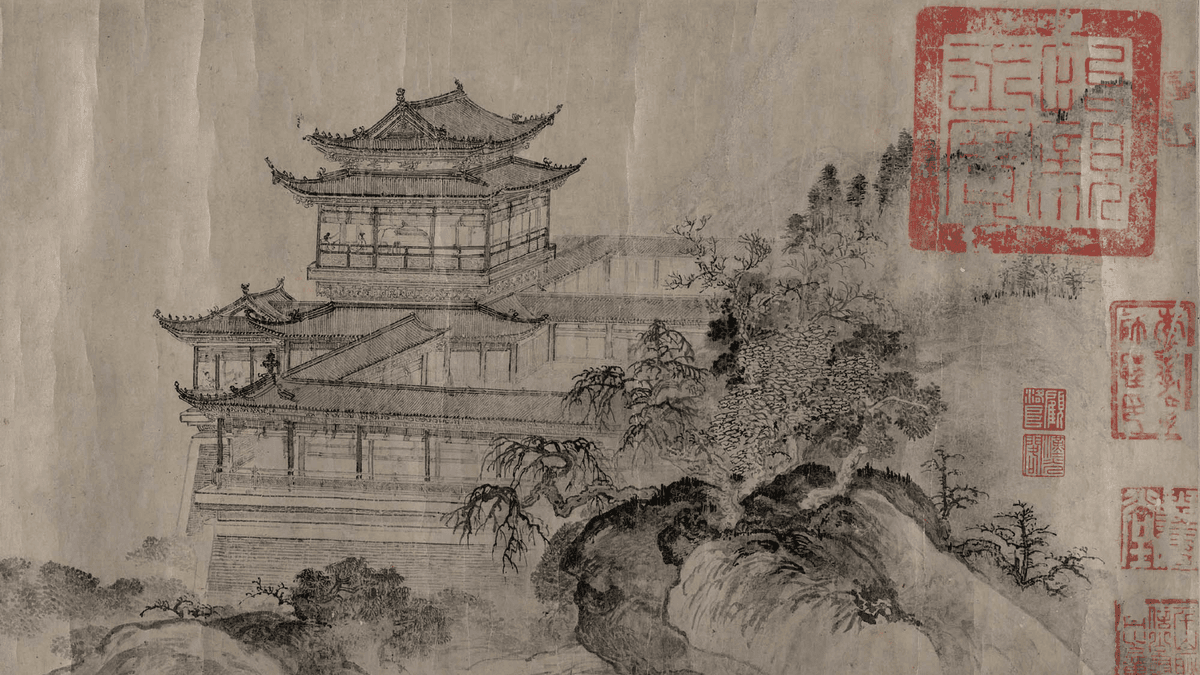
Developments in East Asia, 1200–1450
From Confucian bureaucracies to booming cities, East Asia between 1200–1450 reshaped global politics, culture, and technology.
Further Reading
Stay curious!