

Washington Crosses the Delaware
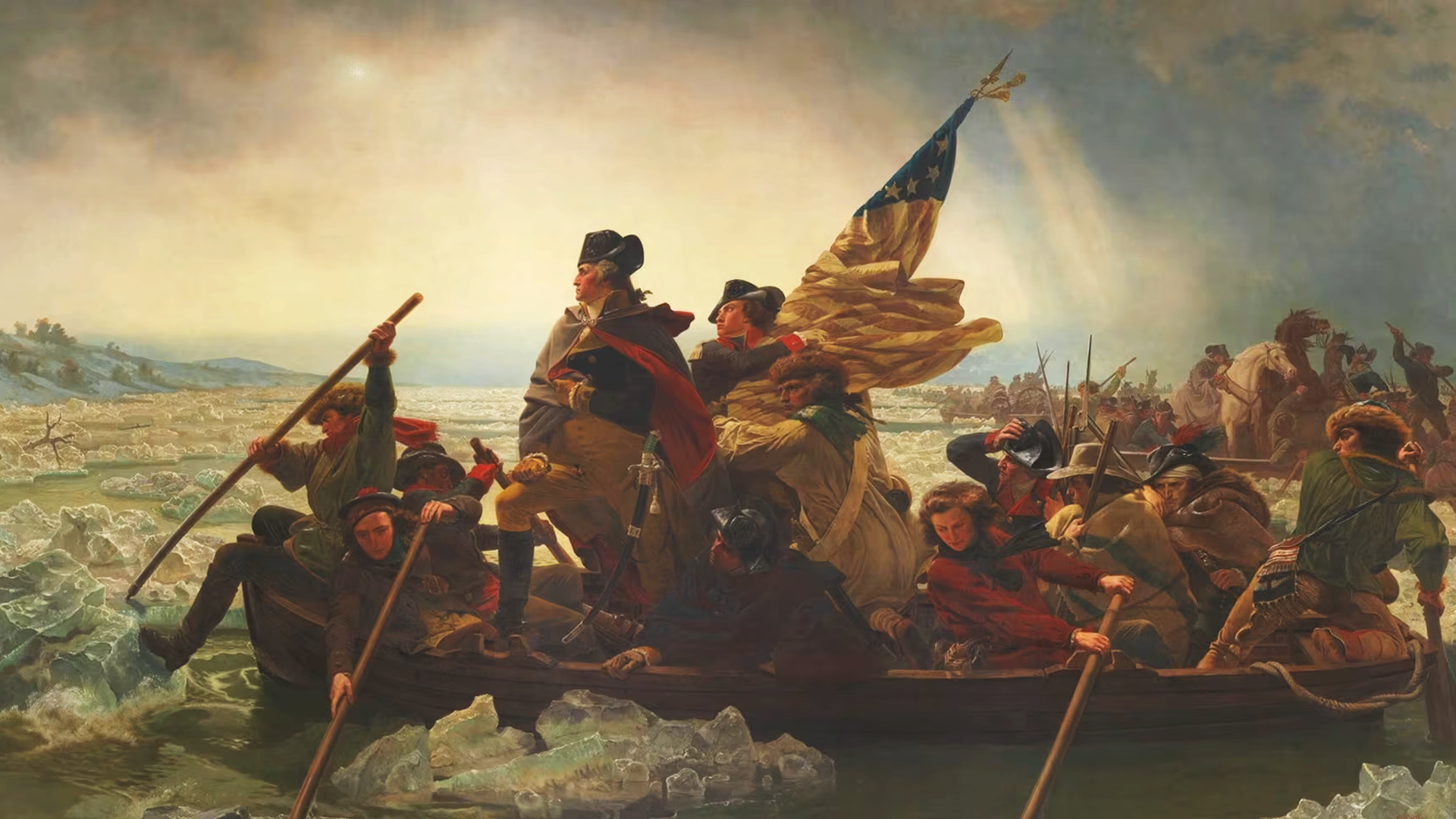
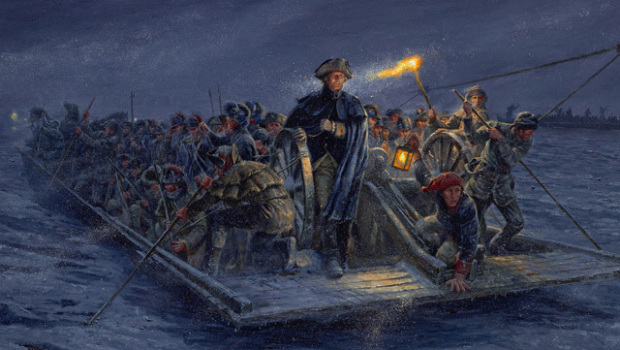
George Washington crossing the icy Delaware River with the Continental Army
What Happened?
By December 1776, the American Revolution was on the brink of failure. After months of defeats, George Washington’s once-large Continental Army had shrunk to just a few thousand exhausted, hungry, and poorly clothed soldiers camped in Pennsylvania. Many enlistments were about to expire, and hope for independence was fading fast.
Across the Delaware River, British forces believed the rebellion was nearly over. Hessian mercenaries hired by Britain were stationed in Trenton, New Jersey, while British commanders relaxed in winter quarters. They assumed the battered American army was incapable of launching an attack during the harsh winter weather.
Washington understood that retreat would likely mean the end of the Revolution. Inspired by Thomas Paine’s words that ‘these are the times that try men’s souls,’ he chose to act boldly. He planned a surprise attack that depended on crossing the ice-choked Delaware River on Christmas night, when the enemy would least expect it.
The crossing itself was extremely dangerous. Soldiers struggled through freezing rain, snow, and strong winds as large chunks of ice crashed against their boats. Using flat-bottomed Durham boats, Washington’s men ferried soldiers, horses, cannons, and supplies across the fast-moving river in darkness, guided by experienced watermen from New England.
Although parts of Washington’s larger plan failed, his main force successfully crossed and marched several miles through the storm toward Trenton. Cold, tired, and soaked, the soldiers pressed on because turning back would have been even more dangerous than moving forward.
At dawn on December 26, the Americans surprised the Hessian garrison at Trenton. The battle was short but decisive. Nearly a thousand Hessian soldiers were captured, and the Continental Army suffered very few casualties. The victory shocked the British and proved that the American cause was still alive.
While the battle of Trenton did not end the war, it transformed morale. News of the victory spread quickly, encouraging soldiers to reenlist and civilians to renew their support. Washington’s daring decision showed that determination, leadership, and courage could change the course of history—even in the darkest moments.
Why It Matters
Washington’s crossing of the Delaware demonstrated that bold leadership and perseverance can revive hope when defeat seems certain. The victory at Trenton restored faith in the American Revolution and reminded future generations that courage and resilience can alter the direction of history.
?
Dig Deeper
A dramatized look at Washington’s daring decision and the conditions his army faced during the crossing.
An overview of why the crossing mattered and how it changed the Revolutionary War.
Related
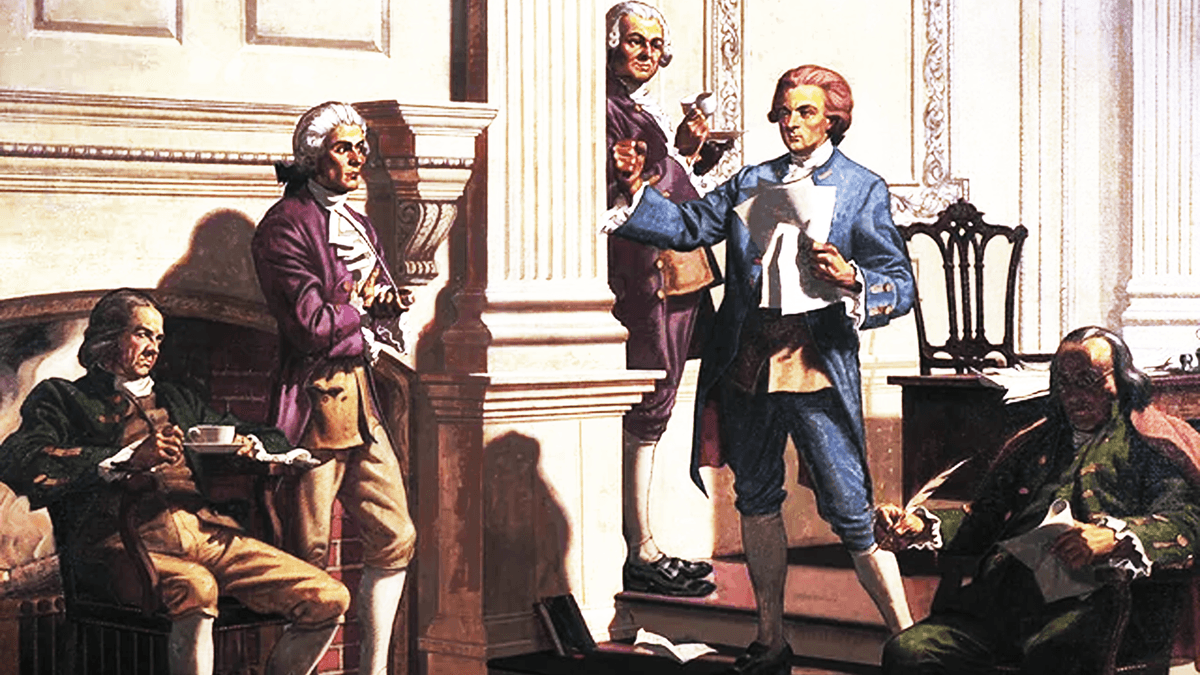
Halifax Resolves and the Road to Revolution
How North Carolina went from protest to the first official call for full independence from Britain.
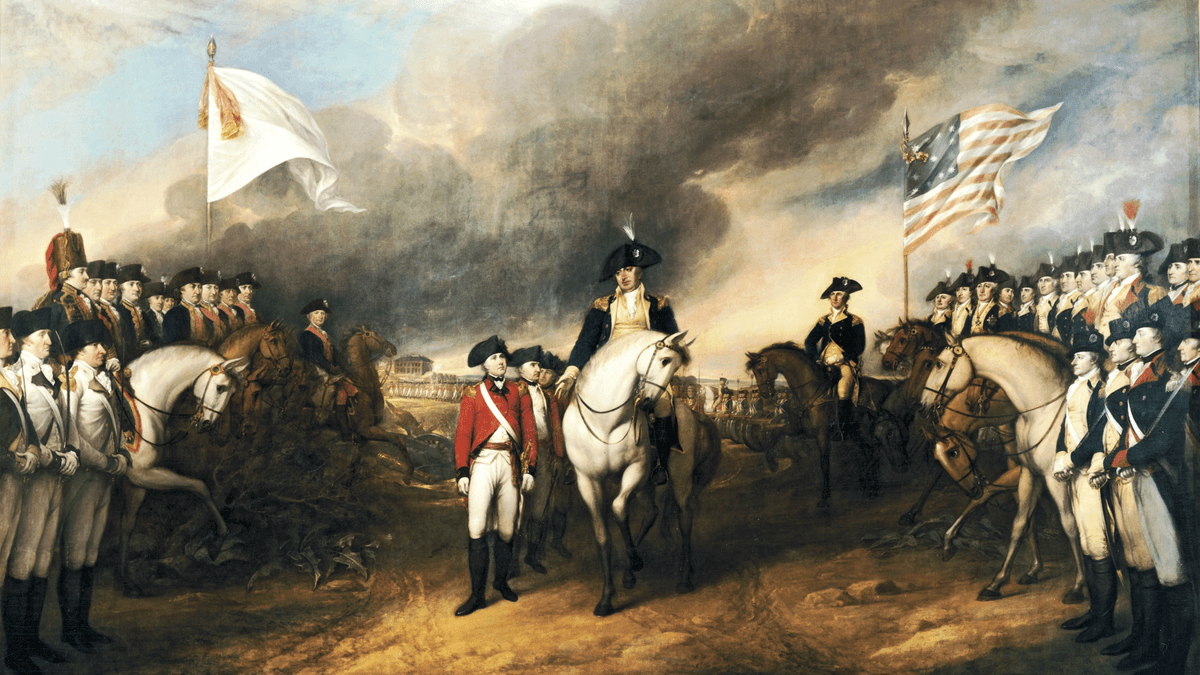
American Revolutionary War: From Protest to a New Nation
How arguments over taxes and rights grew into an eight-year war—and how ideas, allies, and perseverance turned thirteen colonies into the United States.
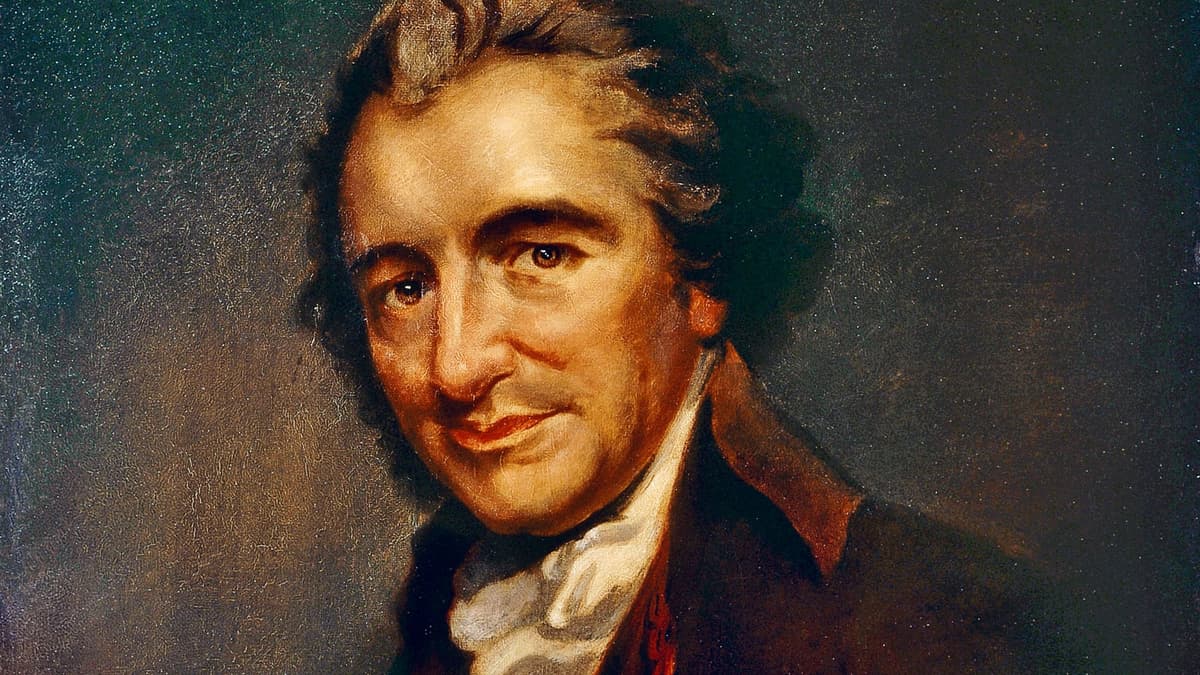
The Role of Ideas in Revolutionary Change
The Role of Ideas in Revolutionary Change: How can ideas and writings change the course of history?
Further Reading
Stay curious!