

Ida B. Wells-Barnett
Biography
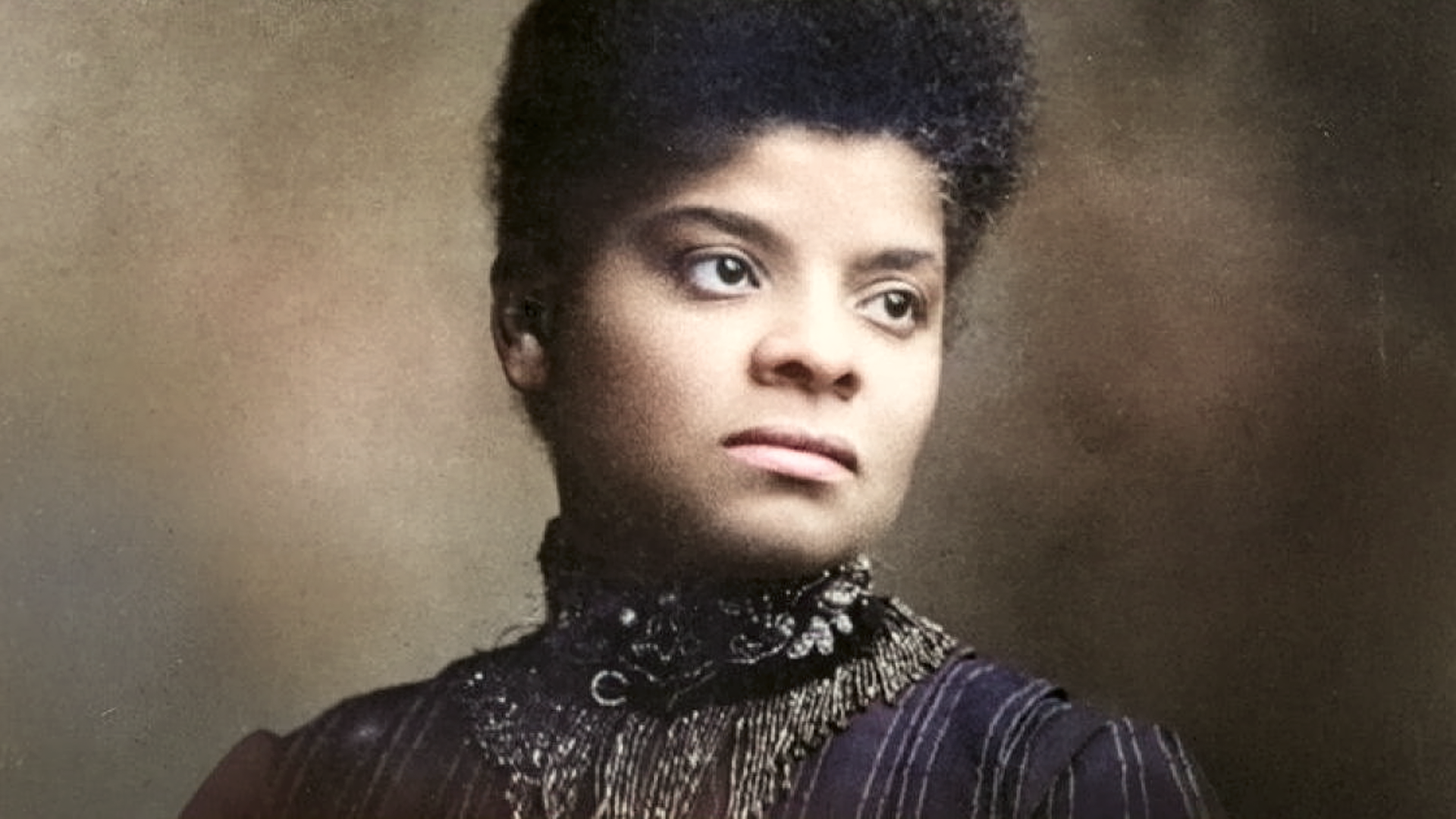
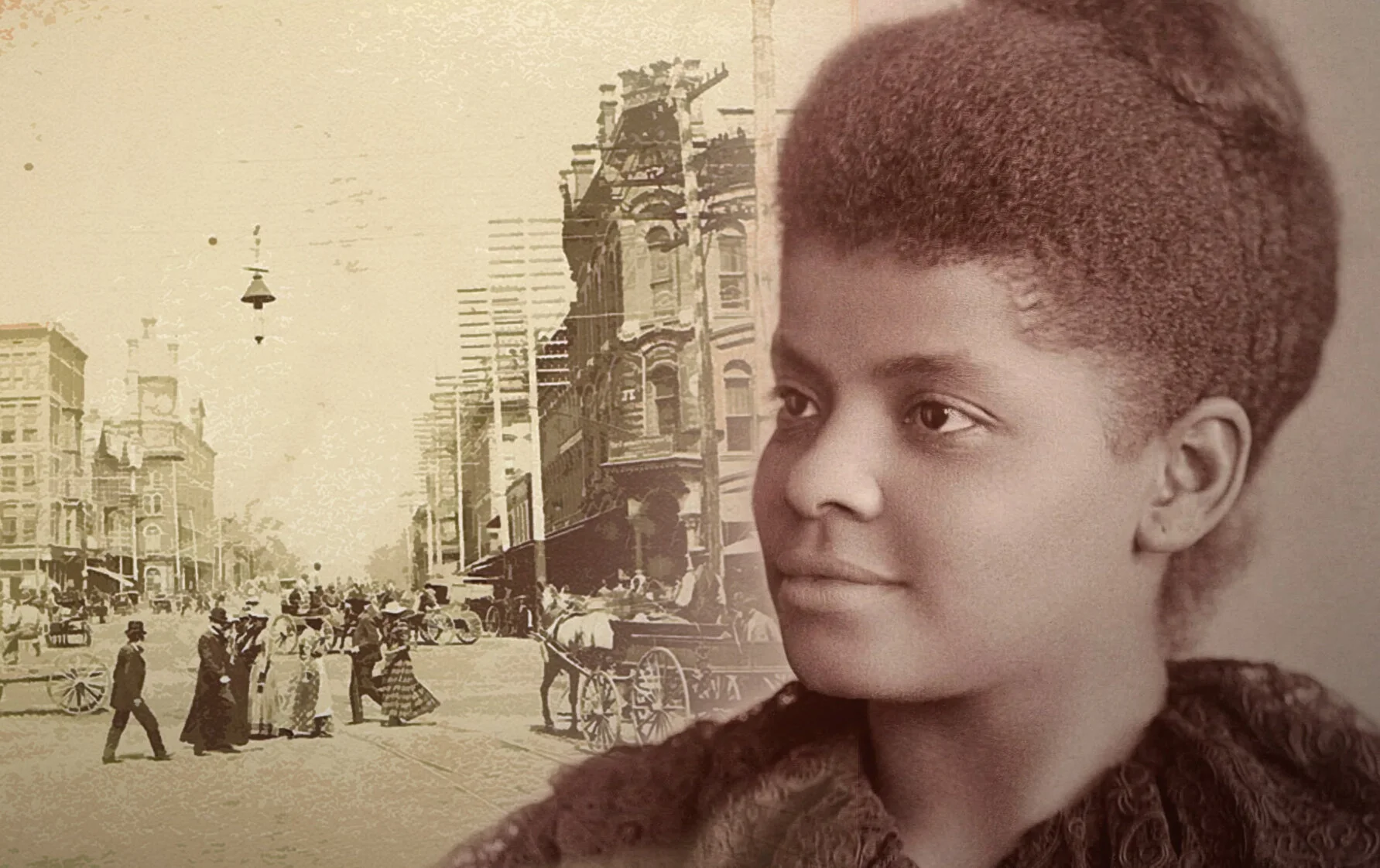
Born on July 16, 1862, in Holly Springs, Mississippi, Ida B. Wells-Barnett entered the world during the Civil War—and into slavery. Although she and her family were freed when the war ended, Ida grew up learning a hard truth: freedom on paper did not mean safety or equality in real life. As the nation moved out of Reconstruction and into the era of Jim Crow, Ida would become one of the most fearless voices challenging injustice in America.
Ida’s parents believed deeply in education, dignity, and justice. Her father helped support a college for formerly enslaved people, and Ida attended school there. When a yellow fever epidemic took her parents’ lives in 1878, Ida was just sixteen years old. Overnight, she became the primary caregiver for her younger siblings. To keep her family together, she became a schoolteacher—an early example of the responsibility and determination that defined her life.
Ida’s sense of justice was not quiet or passive. In 1884, she purchased a first-class train ticket but was ordered to move to a segregated car. When she refused, she was physically dragged off the train. Instead of accepting this treatment, Ida sued the railroad company. Although the ruling was eventually overturned, the experience sharpened her belief that the law—and public opinion—had to be challenged head-on.
Ida turned to writing because she understood its power. As a journalist and newspaper editor, she used words to expose lies that protected violence and inequality. Writing under the pen name “Iola,” she gained national attention for her clear, direct style. She believed facts mattered—and she demanded them. “The first demand is for facts and figures,” she wrote, insisting that truth was the strongest weapon against injustice.
In 1892, Ida’s work took a dangerous turn after three of her close friends were lynched in Memphis. Instead of accepting the false stories used to justify their deaths, she investigated. What she found was devastating: lynching was often used to punish Black people for economic success or for challenging white power—not for the reasons commonly claimed. Ida published her findings in pamphlets like Southern Horrors and later in her book A Red Record, using data and evidence to prove that lynching was a national crime.
Her courage came at a cost. A white mob destroyed her newspaper office, and Ida was forced to leave Memphis to save her life. Still, she refused to stop.
From Chicago, Ida continued her work, traveling across the United States and overseas to expose racial violence in America. She spoke to international audiences, challenged governments, and helped inspire anti-lynching movements abroad. Her reporting embarrassed the United States on the world stage—and forced people to confront truths they preferred to ignore.
At the same time, Ida fought for women’s suffrage. But she refused to accept a version of feminism that excluded Black women. When white suffrage leaders asked Black women to march at the back of the 1913 Women’s Procession to avoid offending Southern whites, Ida stepped out of line and marched anyway. She demanded that equality mean everyone—not just some.
Ida B. Wells-Barnett continued organizing, writing, and running for political office throughout her life. She married attorney Ferdinand Barnett, raised a family, and never stopped challenging injustice—even when it came from her own allies. She died in 1931, decades before the Civil Rights Movement would bring major legal victories, but her work laid its foundation.
Ida believed that truth could move people to action. She proved that facts could challenge power, and that courage could change history. She proved that journalism can be a moral force and that justice requires facts, courage, and action. Her work reminds us that democracy depends on people willing to confront lies and defend human dignity, especially when it's dangerous to do so. Her life reminds us that justice begins with someone willing to speak the truth, no matter the cost.
?
Dig Deeper
Learn how Ida B. Wells used investigative journalism to expose lynching and demand justice.
An engaging overview of Ida B. Wells-Barnett’s life, activism, and lasting impact.
Discover more
Nelson Mandela
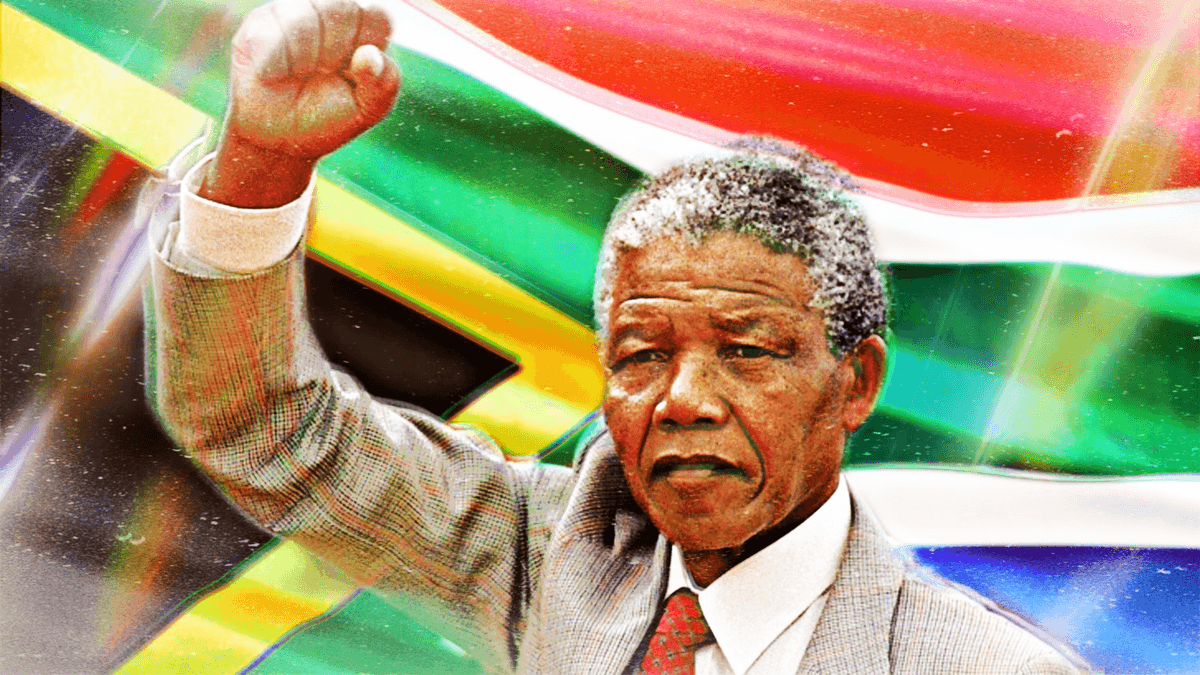
Nelson Mandela was a South African freedom fighter who spent 27 years in prison for resisting apartheid and became the country’s first Black president.
Susan B. Anthony
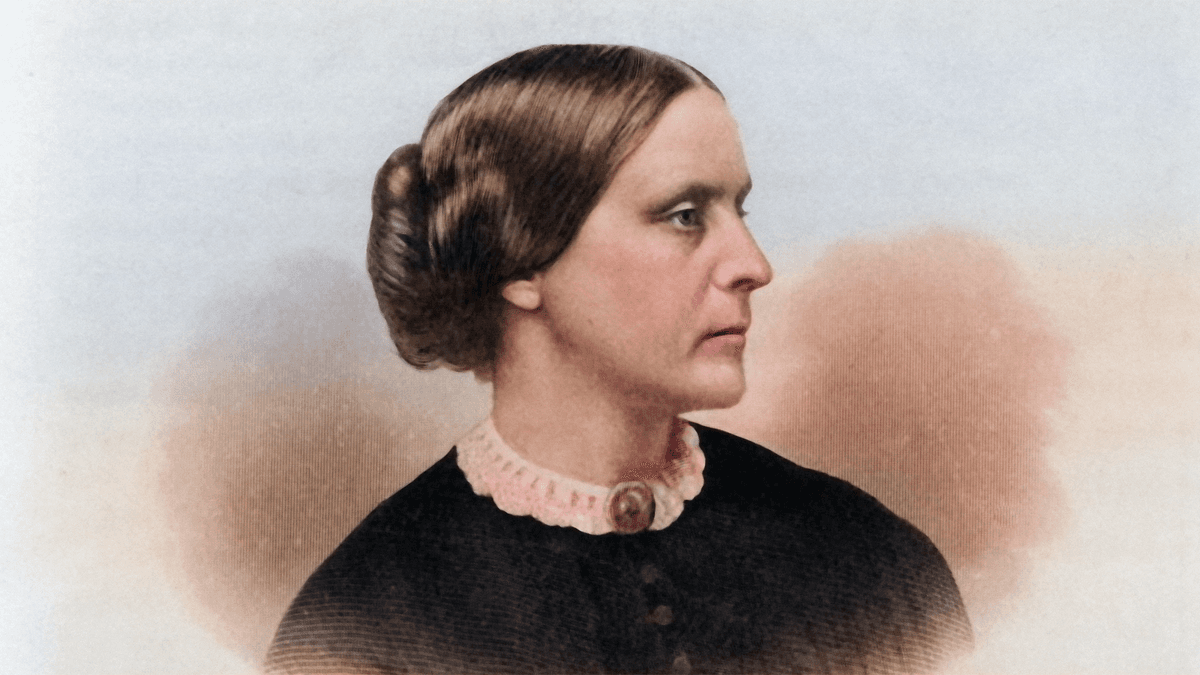
Susan B. Anthony was a leading voice in the fight for women’s right to vote and helped build the national suffrage movement.
Sojourner Truth
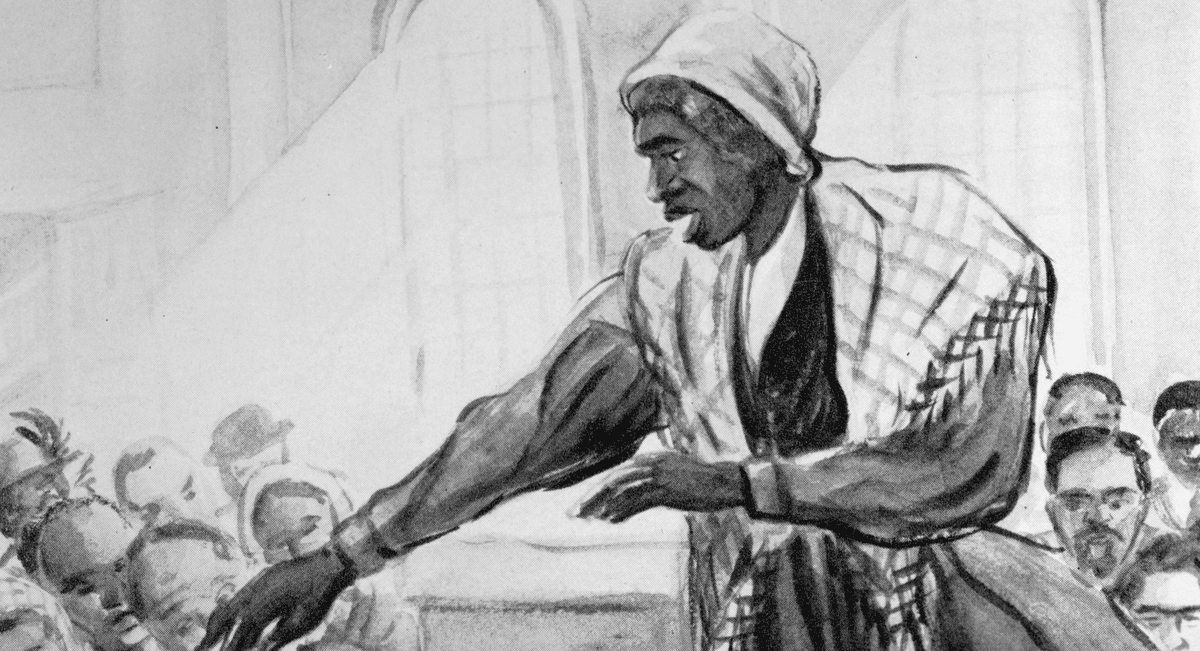
Sojourner Truth was a formerly enslaved woman who became one of the most powerful voices in American history for abolition, women’s rights, and racial justice.
Further Reading
Stay curious!