

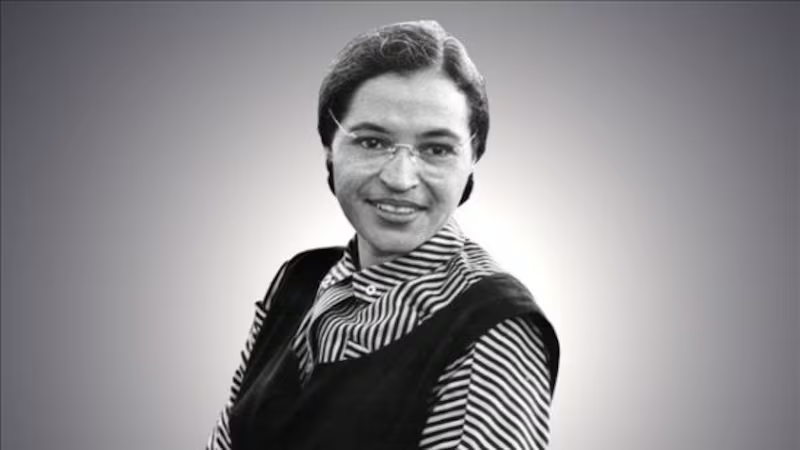
Rosa Parks
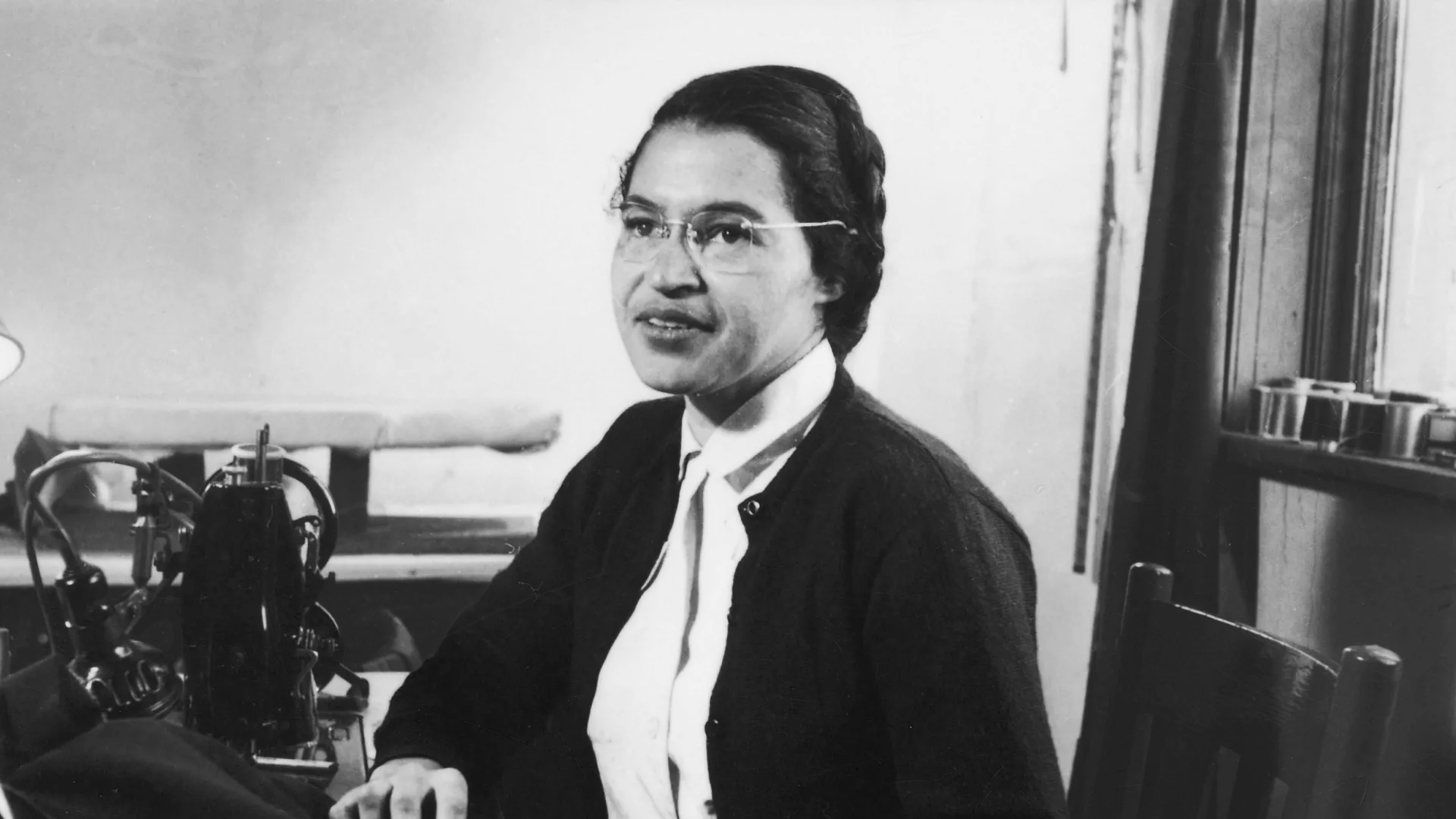
Rosa Parks helped ignite the Montgomery Bus Boycott, challenged Jim Crow segregation in court, and became a powerful symbol of quiet, deliberate resistance in the struggle for civil rights.
Biography
Rosa Louise McCauley Parks is often remembered as the tired seamstress who refused to give up her seat on a bus. She was born on February 4, 1913, in Tuskegee, Alabama, and grew up during a time when Black Americans were forced to live under unfair laws called Jim Crow laws, which separated people by race and treated Black citizens as less important. Rosa saw injustice around her, and it stayed with her. She watched the Ku Klux Klan ride past her home at night and heard stories of lynchings in her community. Her mother and grandparents taught her to value education and self-respect in a world determined to deny both to Black children. Those early years shaped a young girl who would one day become an icon of principled resistance.
Rosa’s schooling was repeatedly interrupted by family illness and economic hardship. She attended an industrial school for girls and later a laboratory school connected to Alabama State Teachers College for Negroes, but left before graduating to care for her sick grandmother and then her mother. In 1932, at age 19, she married Raymond Parks, a self-educated barber who was already involved in civil rights work. He encouraged her to return to school, and she earned her high school diploma the following year, an achievement rare for Black women in the Deep South at that time. The couple became respected members of Montgomery’s Black community, active in church life, mutual aid, and the quiet everyday work of survival under segregation.
By the time she boarded that infamous Montgomery bus in December 1955, she had spent more than a decade organizing. In 1943 she joined the local branch of the NAACP, eventually serving as its secretary. She worked closely with E. D. Nixon and others, taking testimony from victims of racial violence, helping Black citizens register to vote, and founding the NAACP Youth Council. She had already experienced humiliation on city buses and had once been forced off a bus by the same driver, James Blake, years before her famous refusal. Parks was deeply aware that the bus system was both a symbol and a daily instrument of racial control.
On December 1, 1955, Parks took a seat in the first row of the “colored” section on a Montgomery city bus. When the white section filled, the driver ordered her and three other Black passengers to move so a white man would not have to stand. The others complied. Parks did not. She later explained that she was exhausted. Exhausted by the constant demand to submit to injustice. Her refusal was an intentional act grounded in years of reflection, organizing, and quiet courage. When she was arrested and charged with disorderly conduct, local activists were ready. The Women’s Political Council and NAACP leaders quickly called for a bus boycott, turning one woman’s act of conscience into a citywide campaign.
The Montgomery Bus Boycott lasted 381 days. Thousands of Black residents refused to ride city buses, choosing instead to walk long distances, carpool, or rely on a network of Black-owned taxis. Their absence devastated bus company finances and drew national attention. A young minister named Martin Luther King Jr. emerged as the spokesperson for the Montgomery Improvement Association, which coordinated the boycott. Behind the scenes, Parks continued to work, strategize, and endure despite losing her job as a seamstress and faced ongoing threats and harassment.
In November 1956, the U.S. Supreme Court ruled in Browder v. Gayle that bus segregation in Montgomery was unconstitutional. The boycott officially ended in December, and Parks rode on the newly desegregated buses. But the legal victory did not magically erase the hostility she faced. In 1957, unable to find stable work and still receiving threats, Rosa and Raymond Parks left Montgomery for Hampton, Virginia, and soon after moved permanently to Detroit, Michigan. There, Parks remained politically active, working for Congressman John Conyers for many years and opposing racism not just in the South but in northern cities as well. She spoke out against police brutality, housing discrimination, and economic inequality, showing that her vision of justice was broad, intersectional, and lifelong.
Parks’ activism extended far beyond that single bus ride. She co-founded the Rosa and Raymond Parks Institute for Self-Development in 1987 to support youth education, leadership training, and historical awareness. She continued to attend protests, give talks, and lend her name and moral authority to causes she believed in, even as she faced financial struggles and health challenges in later life. In 1999, she received the Congressional Gold Medal, the highest civilian honor in the United States. When she died in 2005 at the age of 92, she became the first woman and the second African American to lie in honor in the U.S. Capitol Rotunda, a powerful acknowledgment of the national significance of her life.
Rosa Parks is often called the “mother of the civil rights movement,” but that title risks flattening her into a gentle, one-dimensional figure. In reality, she was a disciplined strategist, a lifelong organizer, and a person who deliberately chose nonviolent resistance over submission. She understood that law, custom, and daily habit all worked together to keep Black people “in their place,” and she challenged those systems with quiet, relentless determination. Her legacy isn't just about one brave moment; it is about a lifetime of choosing dignity, community, and resistance over fear. Rosa Parks showed the world that one clear, steady act of courage can help change history.
She was a working-class Black woman living under Jim Crow who chose, on an ordinary day, to stop cooperating with her own humiliation. That choice helped launch one of the most important mass movements in American history. Her life reminds us that progress doesn't appear out of thin air, it grows out of years of unglamorous organizing, hard conversations, quiet bravery, and community solidarity. Parks’ refusal to stand up on that bus was the visible tip of an iceberg made of meetings, risk, sacrifice, and relentless belief that Black people deserved full citizenship. In a world where injustice is often woven into daily routines, her story challenges us to notice the small places where we are asked to comply with unfairness, and to imagine how deliberate, collective refusal might transform them.
?
How did Rosa Parks’ earlier experiences with racism and bus segregation prepare her for the decision she made in 1955?
Why is it important to understand that Rosa Parks was an experienced organizer, not just a tired seamstress?
What made the Montgomery Bus Boycott such a powerful example of nonviolent mass protest?
How did local organizations like the NAACP and the Women’s Political Council help transform Parks’ act of refusal into a citywide movement?
In what ways did Rosa Parks continue her activism after leaving Montgomery, and why does that matter for how we remember her today?
What does Rosa Parks’ story teach us about the relationship between everyday choices and large-scale social change?
Where do you see “bus seat moments” in our world today—small, everyday situations where refusing to go along with injustice could make a difference?
Dig Deeper
Explore the life of Rosa Parks and discover how she became a civil rights activist, starting with her work with the NAACP and her role in the Montgomery Bus Boycott.
Learn about Rosa Parks’ deeper history as an organizer, her lifelong activism, and why she was much more than a tired seamstress who refused to move.
A concise overview of how Rosa Parks’ refusal to give up her bus seat helped ignite the Civil Rights Movement and inspire nonviolent protests across the United States.
Discover more
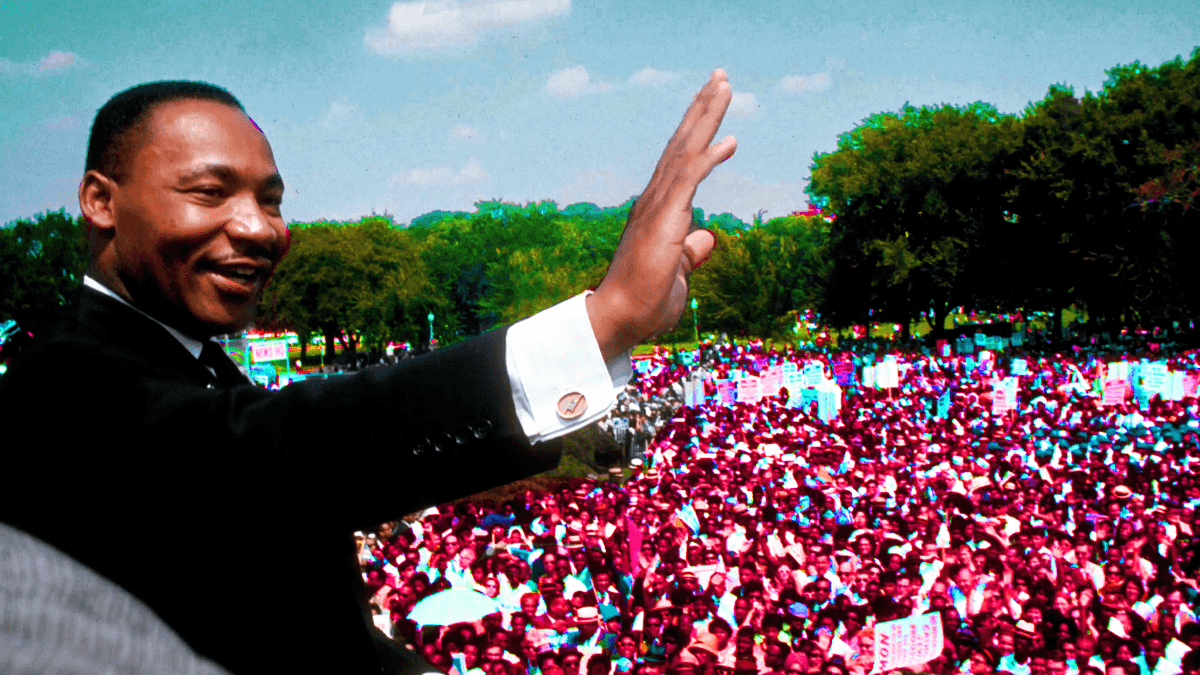
Martin Luther King Jr.
Martin Luther King Jr. was a transformative leader in the American Civil Rights Movement, advocating for justice through nonviolent resistance.
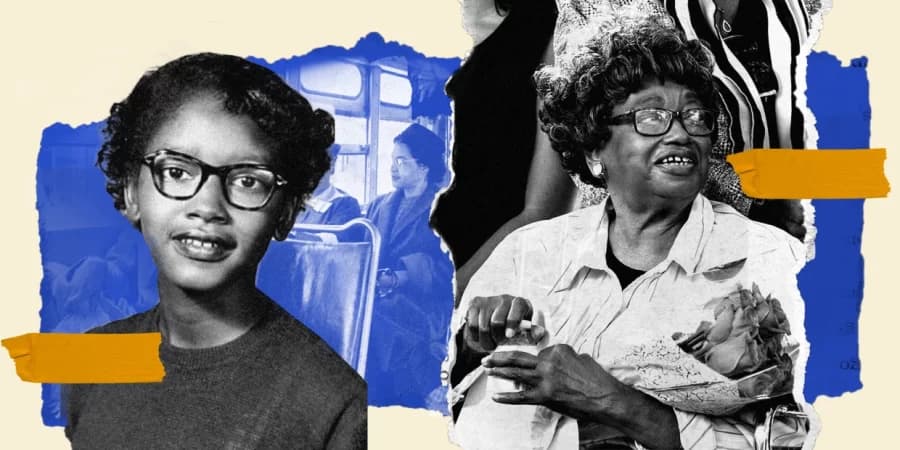
Claudette Colvin
Claudette Colvin’s bold defiance of unjust Jim Crow laws came nine months before Rosa Parks’ more widely known protest and was a crucial spark in the fight to end bus segregation.
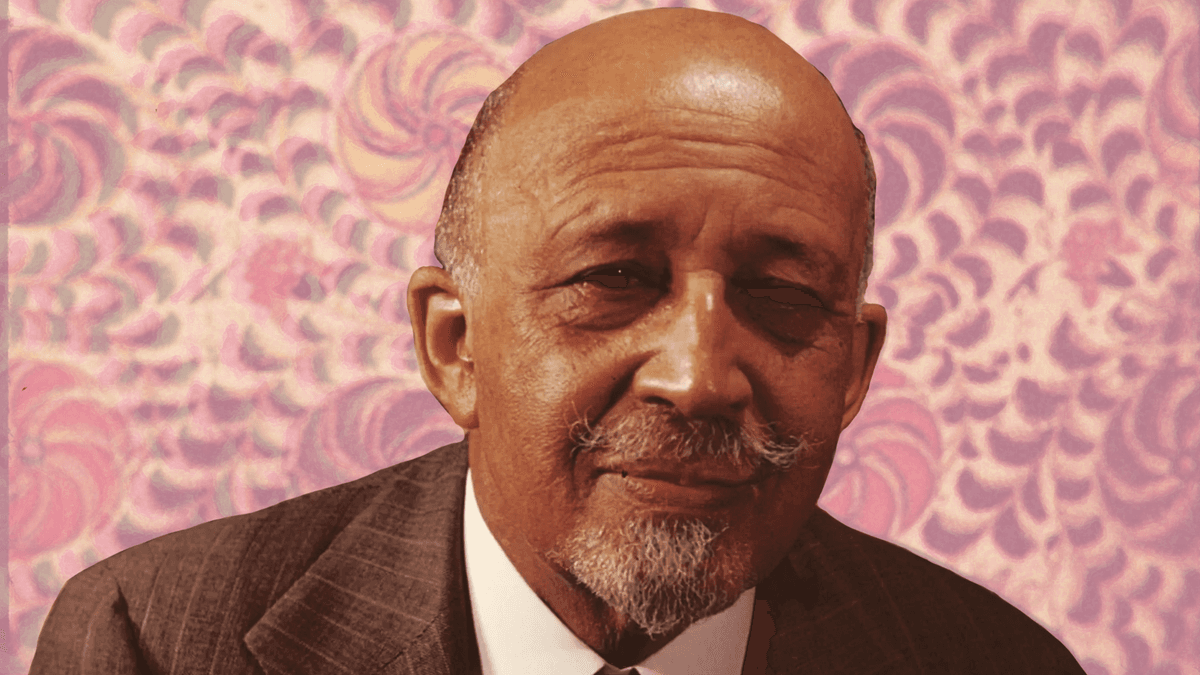
W.E.B. Du Bois
Scholar, activist, and one of the most influential intellectuals of the 20th century, W.E.B. Du Bois dedicated his life to the pursuit of racial justice and the uplift of Black Americans.
Further Reading
Stay curious!