

Sally Ride
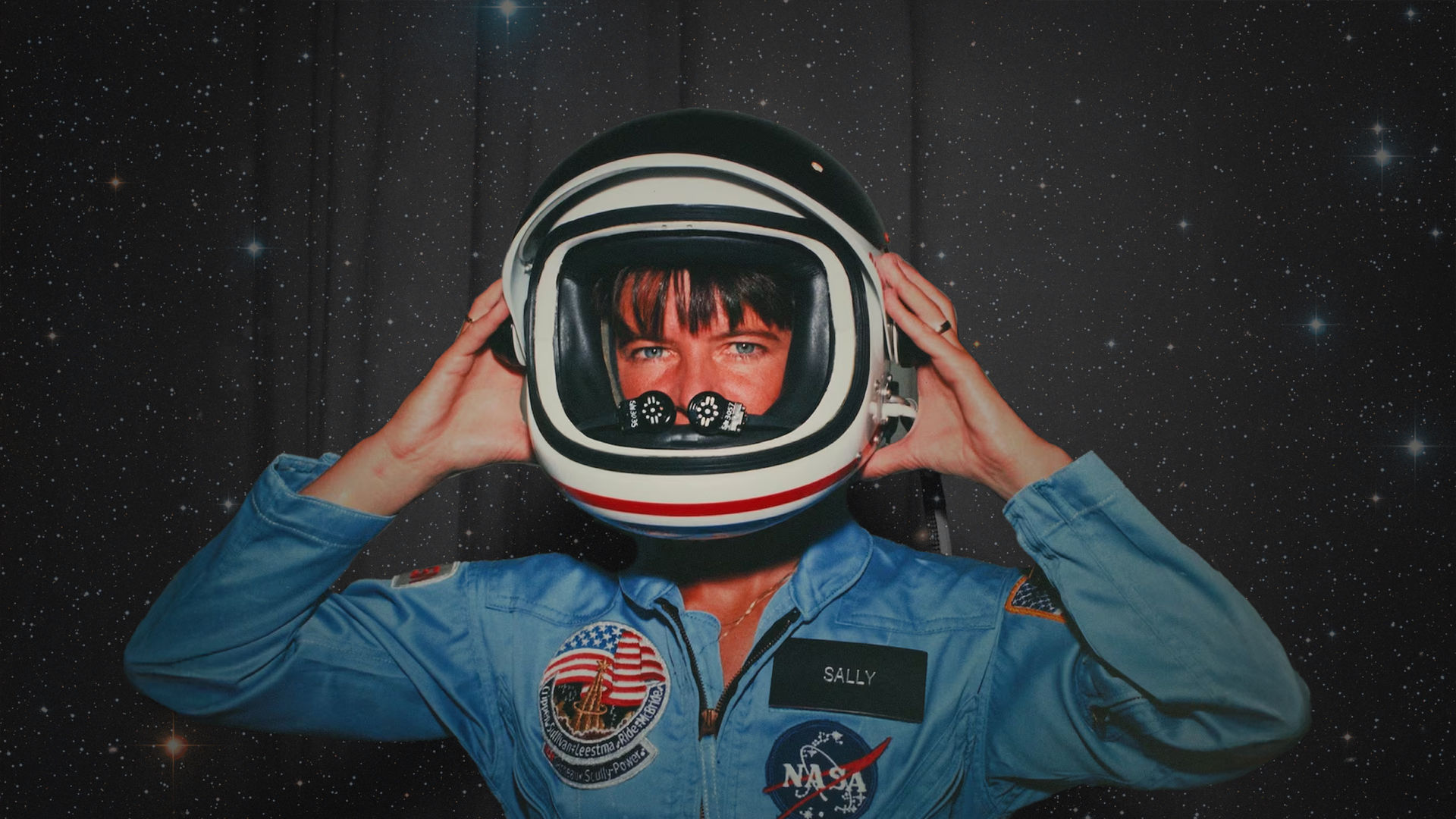
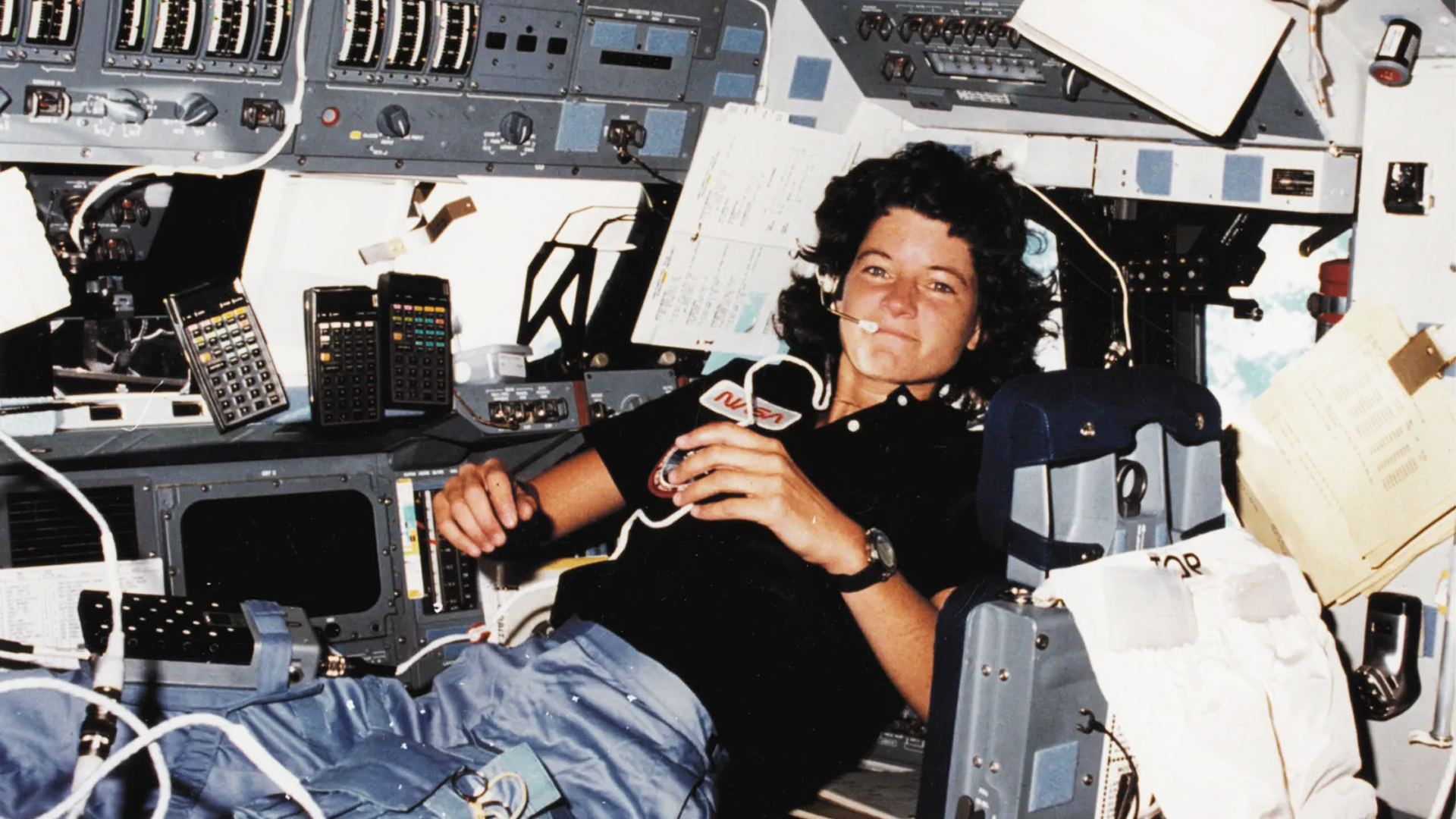
Portrait of Sally Ride, first American woman in space
Biography
When Sally Ride launched into space on June 18, 1983, she didn’t just make history, she changed the way millions of people saw what was possible. In a world where astronauts had almost always been men, she became the first American woman to travel into space, proving that talent, determination, and curiosity matter far more than expectations or stereotypes. Her journey reminds us that sometimes the biggest breakthroughs happen when someone dares to step into a space where they’ve never been invited before.
Sally Ride’s story began in California, where she was born on May 26, 1951. As a child, she was full of energy and curiosity. She loved sports—especially tennis—and for a while, she even considered becoming a professional athlete. But alongside her athletic talent was a deep interest in science. She wanted to understand how the world worked. That curiosity led her to Stanford University, where she studied physics, a subject that explores everything from motion and energy to the mysteries of space itself. Through years of hard work, she earned multiple degrees, including a doctorate, showing early on that she had both the discipline and passion to succeed.
Everything changed in 1977 when Sally saw an advertisement from NASA. For the first time, women were being encouraged to apply to become astronauts. It was a bold invitation, and Sally answered it. Out of thousands of applicants, she was selected as one of the first women in NASA’s astronaut program. But getting selected was only the beginning. She went through intense training, learning survival skills, mastering complex technology, and preparing for the physical and mental challenges of space travel. It wasn’t easy, but Sally didn’t back down.
Then came the moment that would define her place in history. On June 18, 1983, she boarded the space shuttle Challenger. As it launched into the sky, Sally Ride became the first American woman in space, and at just 32 years old, one of the youngest Americans ever to do so. During the mission, she operated a robotic arm to deploy satellites and conduct important scientific work. She later returned to space in 1984, continuing to contribute to NASA’s missions and expanding our understanding of space.
But Sally’s journey wasn’t just about science, it was about breaking barriers. At the time, many still questioned whether women belonged in roles like astronauts. She faced unfair and sometimes absurd questions, not about her skills, but about her gender. Instead of letting those moments discourage her, she responded with quiet confidence. She let her work speak for itself. In doing so, she didn’t just prove people wrong, she changed minds.
After leaving NASA, Sally Ride didn’t stop making an impact. She turned her attention to education, becoming a teacher and a passionate advocate for science learning. She especially wanted girls to feel confident pursuing subjects like math and science. She helped create programs like EarthKAM, which allowed students to take real photographs of Earth from space and study them. She also wrote books that made science exciting and accessible for young readers. Her mission had shifted but her purpose remained the same: to inspire curiosity and open doors.
Sally Ride passed away on July 23, 2012, but her legacy continues to shine brightly. She didn’t just go to space, she changed who could imagine themselves there. She showed that courage isn’t always loud; sometimes it’s the quiet decision to try, to apply, to step forward when others hesitate.
Sally Ride changed what people believed was possible. At a time when space exploration was dominated by men, she showed the world that women belong in science, technology, and leadership roles. But her impact didn’t stop with her historic flight. She spent her life helping young people—especially girls—see themselves as scientists and explorers. Her work helped open doors in STEM fields that had long been closed to many. Sally Ride’s legacy reminds us that representation matters, that courage can challenge outdated beliefs, and that one person’s success can inspire millions. She didn’t just go to space—she helped others believe they could get there too.
?
Dig Deeper
Watch the moment Sally Ride became the first American woman in space and changed history.
Learn how Sally Ride broke barriers and inspired generations in science and space exploration.
Discover more
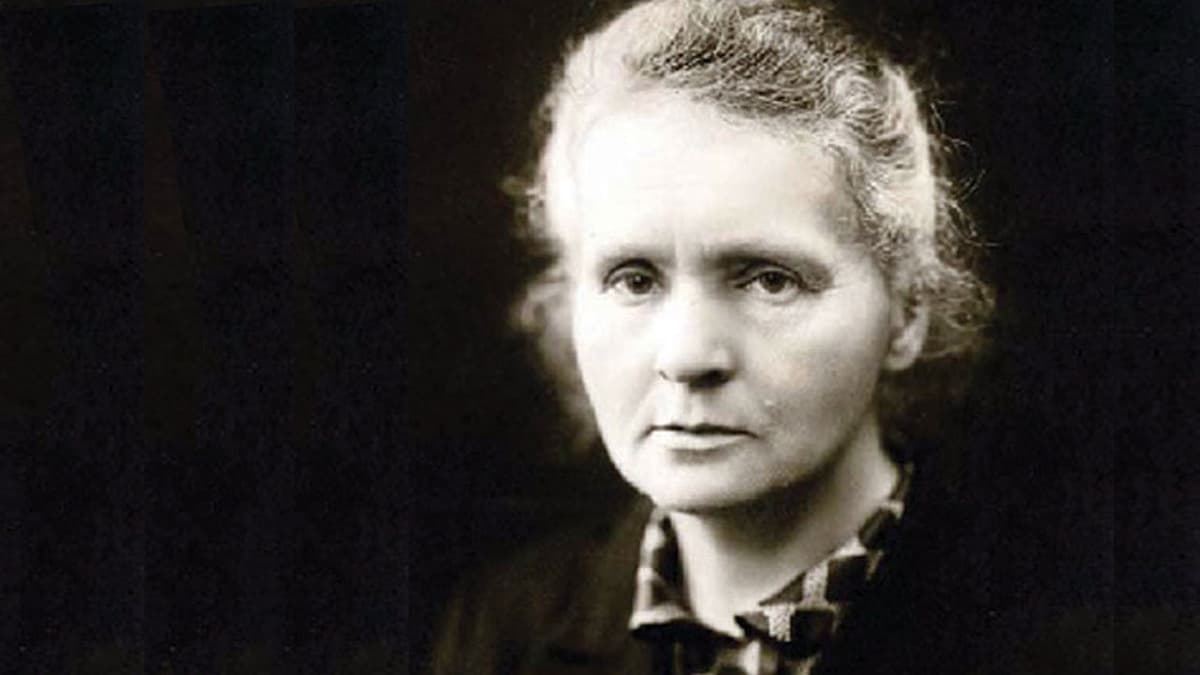
Marie Curie
Marie Curie discovered polonium and radium, defined the field of radioactivity, and used her knowledge to treat wounded soldiers on the frontlines of World War I.
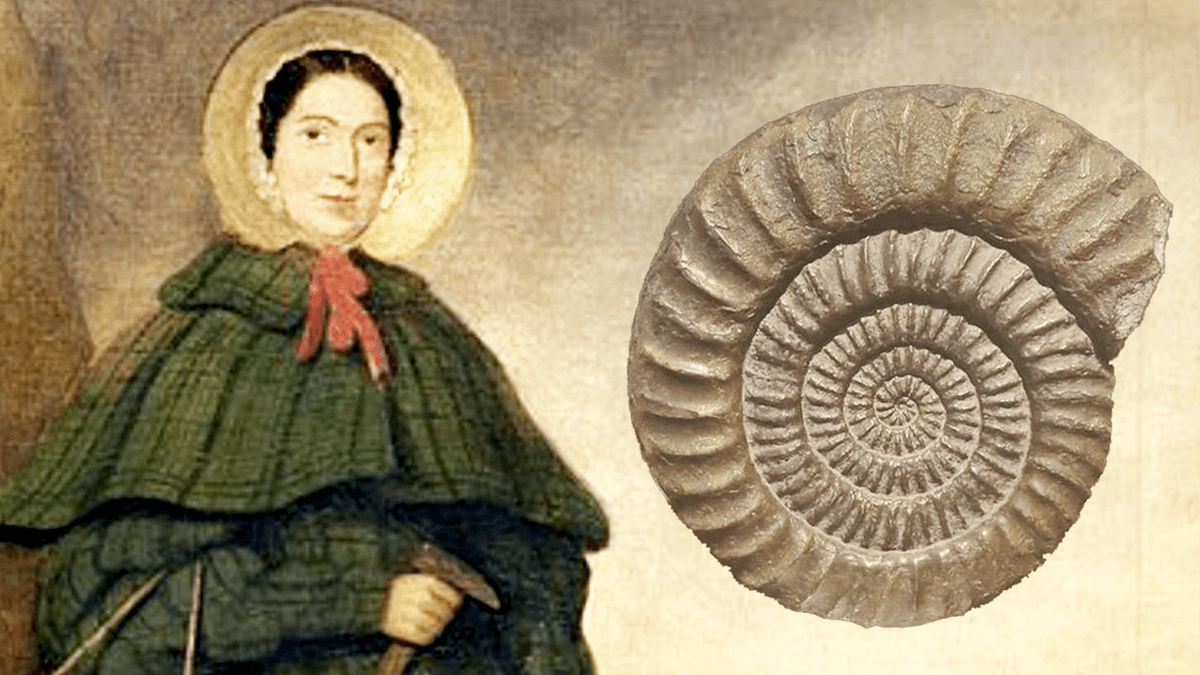
Mary Anning
Discovered the first complete Ichthyosaurus, Plesiosaurus, and Pterosaur fossils, making her one of the founding figures of paleontology.
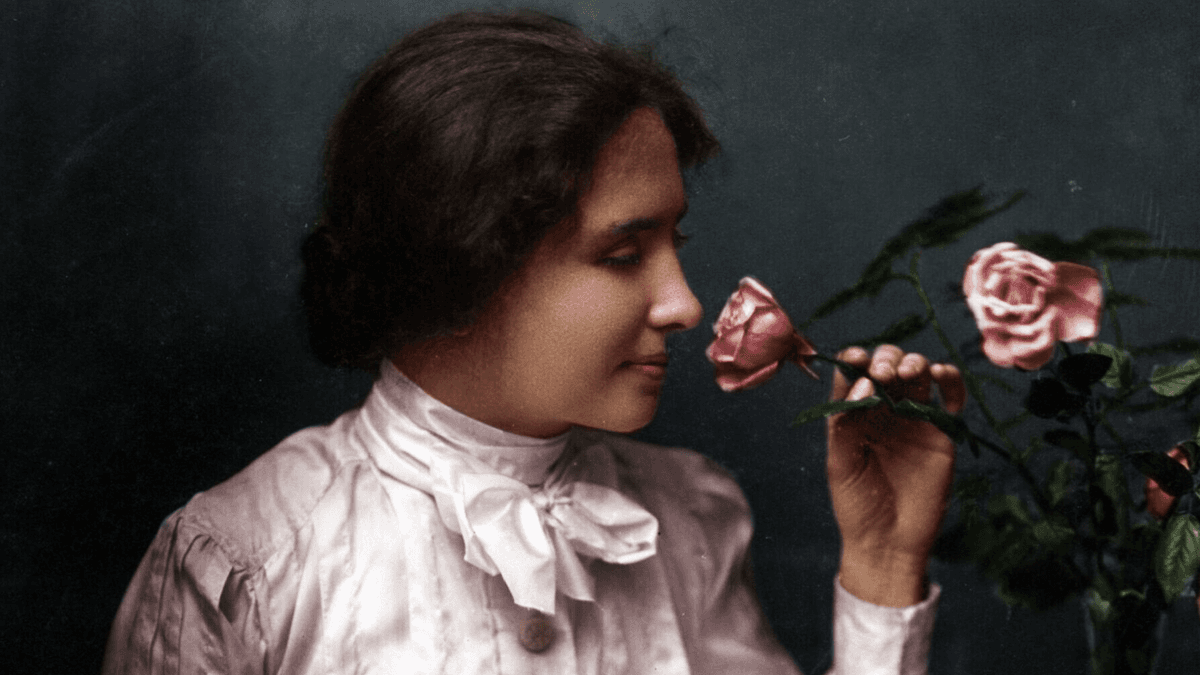
Helen Keller
Helen Keller overcame the isolation of being both deaf and blind to become a world-renowned author, speaker, and advocate for disability rights, women’s suffrage, labor rights, and social justice.
Further Reading
Stay curious!