

Should Plastic Straws Be Banned? Convenience, Responsibility, and Environmental Impact
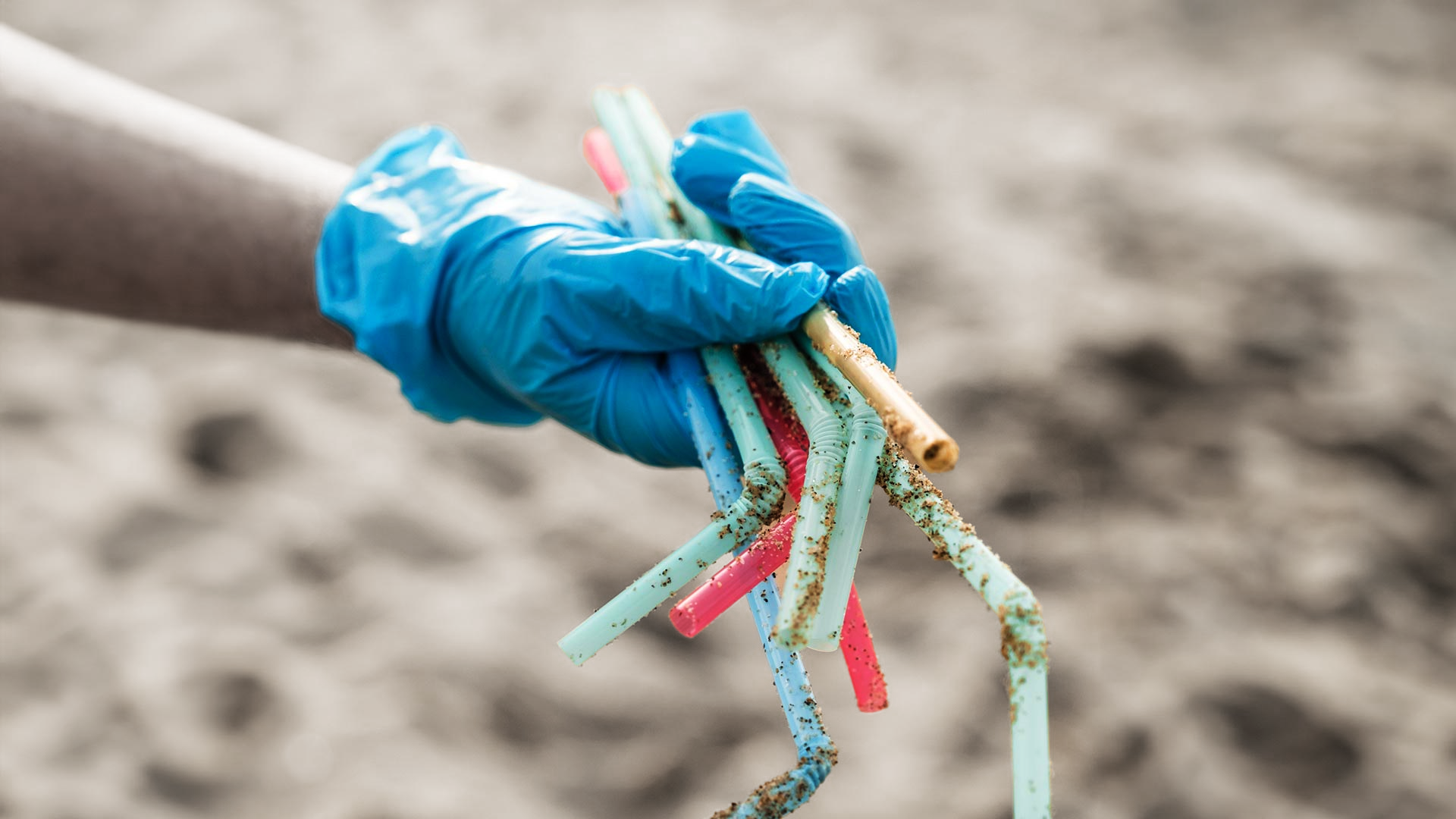
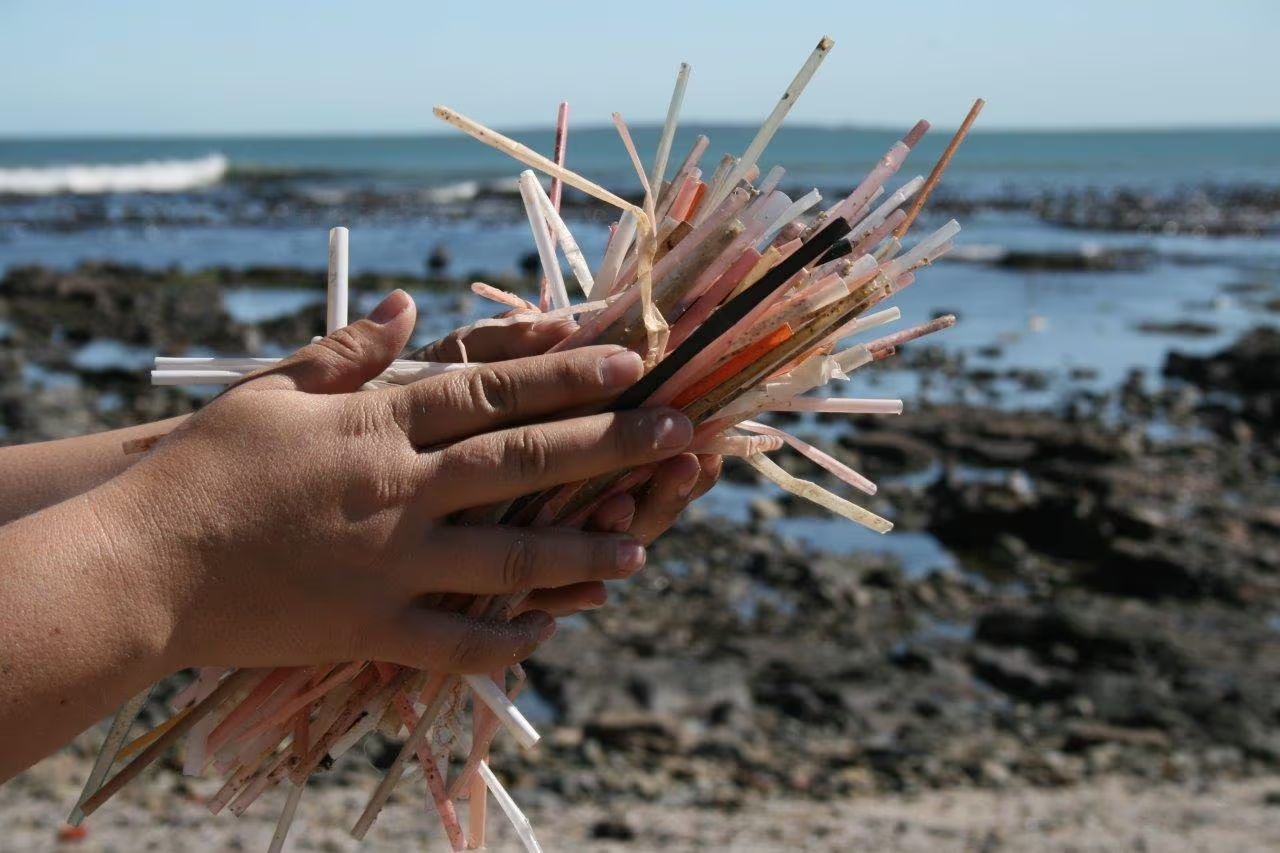
Plastic straws washed up on a beach representing ocean pollution
What's Happening?
The debate over plastic straws exists at the intersection of environmental science, public policy, and social responsibility. At first glance, plastic straws seem insignificant, small, lightweight, and easily discarded. However, their widespread use and disposal reveal a deeper issue: the global dependence on single-use plastics. These items are designed for convenience but often outlast their usefulness by hundreds of years, contributing to long-term environmental damage.
Plastic straws are typically made from polypropylene, a petroleum-based material that does not biodegrade in a meaningful way. Instead of breaking down completely, plastic fragments into microplastics—tiny particles that spread through soil and water systems. These microplastics can be consumed by marine organisms and move up the food chain, raising concerns about long-term ecological and human health impacts.
Although plastic straws represent a relatively small percentage of total ocean plastic, their environmental significance lies in their visibility and replaceability. They are consistently among the most commonly collected items during beach cleanups, demonstrating how frequently they escape waste systems and enter natural environments. Because straws are often unnecessary for most people, they have become a symbolic starting point for reducing single-use plastic consumption.
The rise of plastic straws is closely tied to the growth of mass-produced consumer goods in the twentieth century. Following World War II, manufacturers expanded the production of inexpensive, disposable plastic items to meet consumer demand for convenience. Plastic straws replaced earlier paper versions because they were cheaper, more durable, and more adaptable to modern packaging systems, especially in fast-food and takeout industries.
However, the environmental consequences of plastic production have become increasingly difficult to ignore. Studies estimate that millions of tons of plastic enter the oceans each year, contributing to massive pollution zones such as the Great Pacific Garbage Patch. Wildlife is particularly vulnerable: animals may ingest plastic, mistaking it for food, or become entangled in debris, leading to injury or death.
Efforts to address plastic pollution have led to policy responses at local, national, and corporate levels. Some cities and businesses have implemented bans or restrictions on plastic straws, while others have shifted to alternatives such as paper, metal, or silicone straws. One common approach is the 'upon request' policy, where straws are no longer distributed automatically but remain available for those who need them.
The issue of accessibility is central to the plastic straw debate. For many individuals with disabilities, plastic straws are not simply a convenience—they are a necessary tool that supports safe and independent drinking. Alternatives such as paper or metal straws may not provide the same flexibility, durability, or safety. As a result, policies that eliminate plastic straws entirely without considering accessibility can create unintended barriers.
This tension highlights a broader principle in public policy: effective solutions must balance environmental goals with human needs. Inclusive policies aim to reduce unnecessary plastic use while preserving access for those who rely on specific tools. This approach reflects a shift from simple bans to more nuanced strategies that consider both sustainability and equity.
The plastic straw debate also reveals the power of individual and collective behavior. When consumers change their habits—by refusing unnecessary straws or choosing reusable options—they contribute to a cultural shift that can influence businesses and policymakers. Similar patterns have been observed with plastic bag reductions, where small behavioral changes led to widespread adoption of reusable alternatives.
Ultimately, the question of whether plastic straws should be banned is less about the object itself and more about the values it represents. It asks whether societies are willing to reconsider convenience in the face of environmental challenges, and whether solutions can be designed to include everyone. The answer lies not in a single policy, but in a broader commitment to thoughtful, informed, and inclusive change.
Why It Matters
The plastic straw debate reminds us that even the smallest choices can reflect larger values. It challenges us to think critically about convenience, responsibility, and inclusion. By understanding the environmental impact of everyday items and the needs of diverse communities, we can work toward solutions that are both effective and fair. This issue isn't just about straws, it's about how societies respond to complex problems in thoughtful and meaningful ways.
?
Why are plastic straws considered harmful to the environment?
What are microplastics, and why are they a concern?
Why do some people rely on plastic straws for accessibility?
What are some alternatives to plastic straws?
How can policies balance environmental goals with human needs?
Why are small changes in behavior important for larger environmental issues?
How did plastic products become so common in modern life?
What role should individuals play in reducing plastic waste?
Dig deeper
A young activist explains how small actions can help reduce plastic pollution.
An exploration of global plastic use and possible solutions.
Related
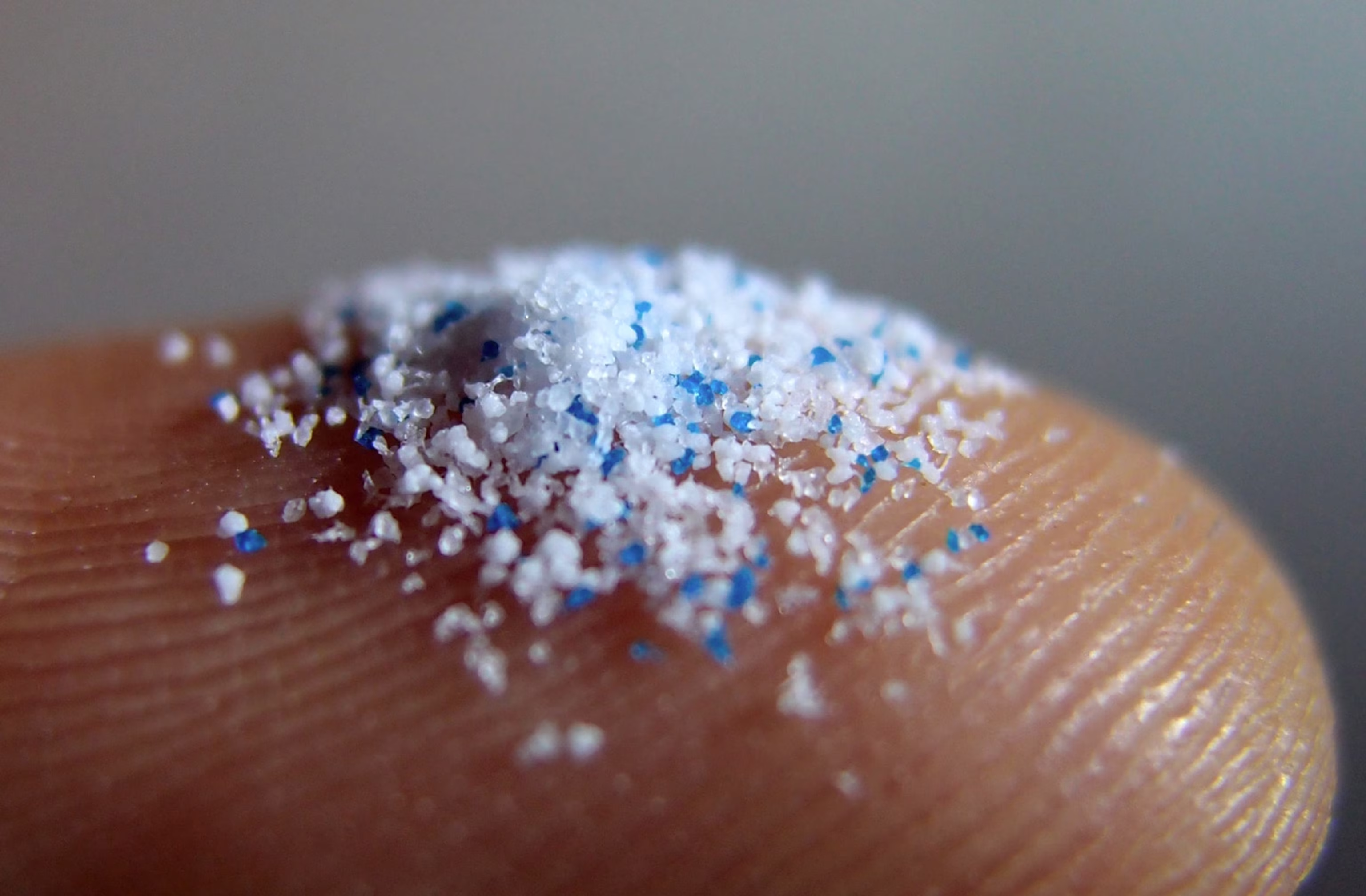
How Microplastics Are Shaping Our Health and Environment
Microplastics are everywhere—from the food we eat to the air we breathe. But what are the hidden costs of these tiny pollutants, and how can we stop them?
Climate Change and Its Impact on the Future
Climate change is reshaping our planet. From rising temperatures to more extreme weather events, what can we do to mitigate its effects and create a sustainable future?
The Ozone Hole: A Wake-Up Call from the Sky
In 1985, scientists discovered a gaping hole in the ozone layer above Antarctica. It wasn’t just a science headline—it was a planetary red flag. And the world actually listened.
Further Reading
Stay curious!