

Fair and Unfair Laws: Justice, Equality, and the Power of Rules
The Dive
A law is an official rule created by a government that people are expected to follow. Laws help organize society by setting clear expectations for behavior and defining consequences when rules are broken. In democratic societies like the United States, laws are meant to protect rights, maintain order, and promote the well-being of the community. Without laws, it would be difficult for large groups of people to live and cooperate peacefully.
In the United States, laws are created through a structured process designed to encourage debate and careful consideration. A proposed law begins as a bill introduced by a member of Congress in either the House of Representatives or the Senate. The bill is reviewed in committees where lawmakers study it, debate its impact, and sometimes revise it. If the committee approves the bill, it is debated and voted on by the full chamber. If both the House and Senate pass the same version, the bill is sent to the President, who can sign it into law or veto it. Congress can override a veto with a two-thirds vote in both chambers.
Ideally, this lawmaking process reflects the will of the people. Elected representatives are meant to listen to their communities, study problems, and propose solutions through legislation. Debate and compromise are essential parts of the system because laws affect millions of people with different needs and perspectives. When the process works well, laws are carefully considered and shaped by public discussion.
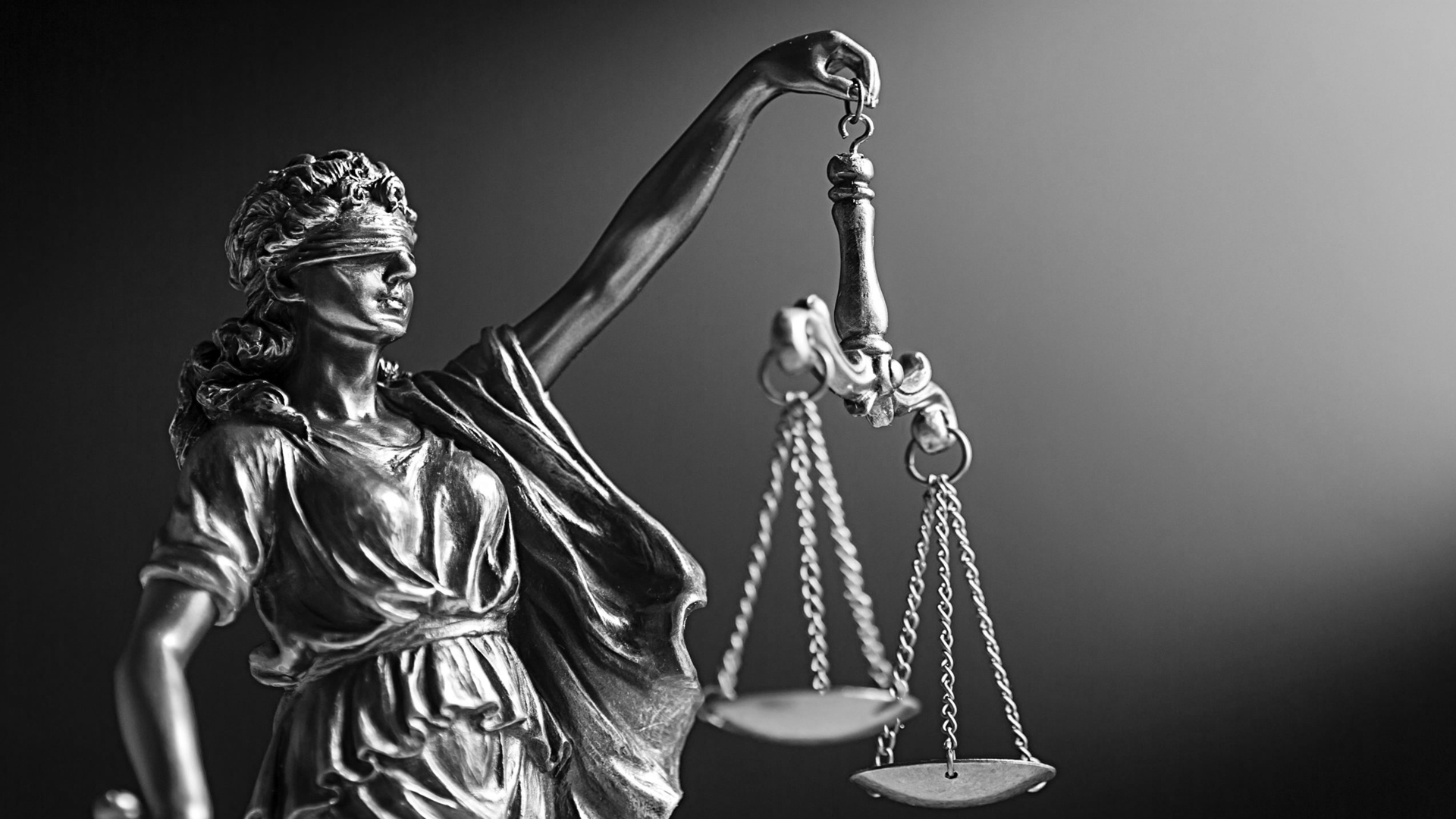
A fair law is one that treats people equally and protects their rights. Fair laws apply to everyone in the same way, regardless of wealth, race, religion, gender, or social status. They are written clearly so people understand them, and they are enforced consistently so that no one receives special treatment. Fair laws also respect basic ethical principles such as justice, dignity, and the idea that every person deserves equal protection under the law.
Philosophers have debated justice and fairness for thousands of years. Ancient thinkers like Aristotle argued that justice means treating equals equally while recognizing relevant differences between people. For example, if two workers perform the same job under the same conditions, justice requires that they be treated the same. But if someone commits a crime, it is fair for them to face consequences that others who obey the law do not. Justice requires careful judgment about what differences matter and which do not.
Unfair laws, by contrast, give advantages to certain groups while harming others. These laws may limit freedoms, deny equal rights, or exclude people from participating in society. History provides many examples. In some countries, girls were once denied access to education. Early voting laws in parts of the United States allowed only wealthy property owners to vote. Jim Crow laws forced racial segregation in public spaces. These laws were legal at the time, but they were unjust because they treated people differently based on characteristics unrelated to their abilities or rights.
Laws can help people when they protect health, safety, and equal opportunity. For example, the Civil Rights Act of 1964 made discrimination illegal in many public spaces and workplaces, helping expand equality in American society. Environmental laws such as the Clean Water Act protect rivers, lakes, and drinking water from pollution. When laws are designed thoughtfully, they can improve public health, protect vulnerable communities, and create fair opportunities for everyone.
At the same time, laws can harm people when they are written or enforced unfairly. Laws that restrict freedom of speech, discriminate against certain groups, or punish people unequally undermine justice. Throughout history, citizens have organized protests, debates, and legal challenges to change harmful laws. Democratic societies depend on active citizens who pay attention to how laws affect people and who work to correct injustices.
Justice and fairness remain central ideas in democratic life. The philosopher John Rawls argued that stable societies depend on institutions that people believe are fair. When people feel they are treated unjustly, conflict and instability often follow. Fair laws help create trust in government and strengthen the sense that society works for everyone, not just the powerful.
Understanding the difference between fair and unfair laws is an essential civic skill. Laws are not permanent—they can be debated, revised, and improved. When citizens ask thoughtful questions about justice, equality, and human dignity, they help ensure that laws move society closer to its highest ideals. In a healthy democracy, the responsibility for fairness does not belong only to lawmakers—it belongs to everyone.
Why It Matters
Laws shape everyday life—from voting and education to health and public safety. Understanding what makes a law fair helps citizens evaluate policies, recognize injustice, and participate meaningfully in democracy. Societies remain stable and cooperative when people believe the rules are just and applied equally.
?
Dig Deeper
A classic animated explanation of how a bill becomes a law in the United States.
The process of how a bill becomes a law can be pretty complex, fraught with potential bill-death at every corner. As if just getting through committee isn’t difficult enough, bills have to navigate a series of amendments and votes in both houses, potentially more committees, further compromise bills, and even more floor votes, just to end up on the chopping block of the President. And then in one fell swoop, the President can stop a bill in its tracks with a veto! But then again, a presidential veto isn’t necessarily a bill’s end either.
Related
Fair Decisions and Resolving Conflict
Fairness is not just about rules. It is about trust, dignity, and how societies resolve disagreement without losing one another.
Civics vs. Ethics
Civics explains the rules of society. Ethics asks whether those rules are right.
Universal Suffrage in the United States
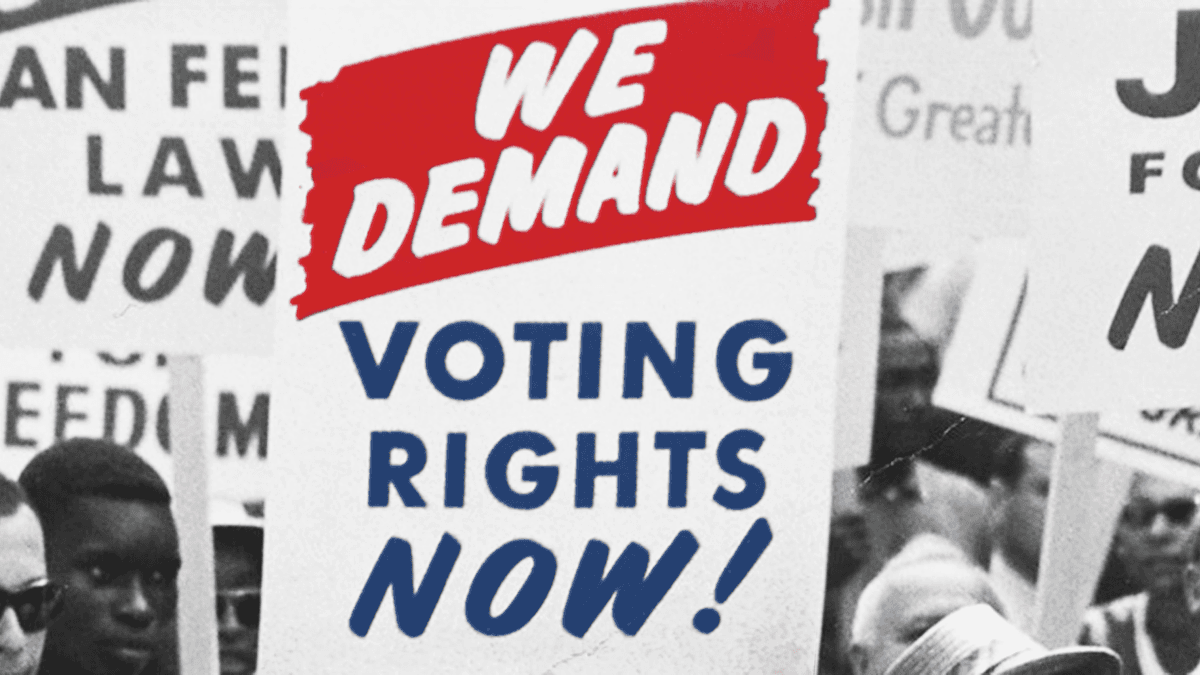
The right to vote wasn’t handed to everyone—it was fought for, over centuries, by people demanding that democracy actually mean everyone has a voice.
Further Reading
Stay curious!