

Fair Decisions and Resolving Conflict
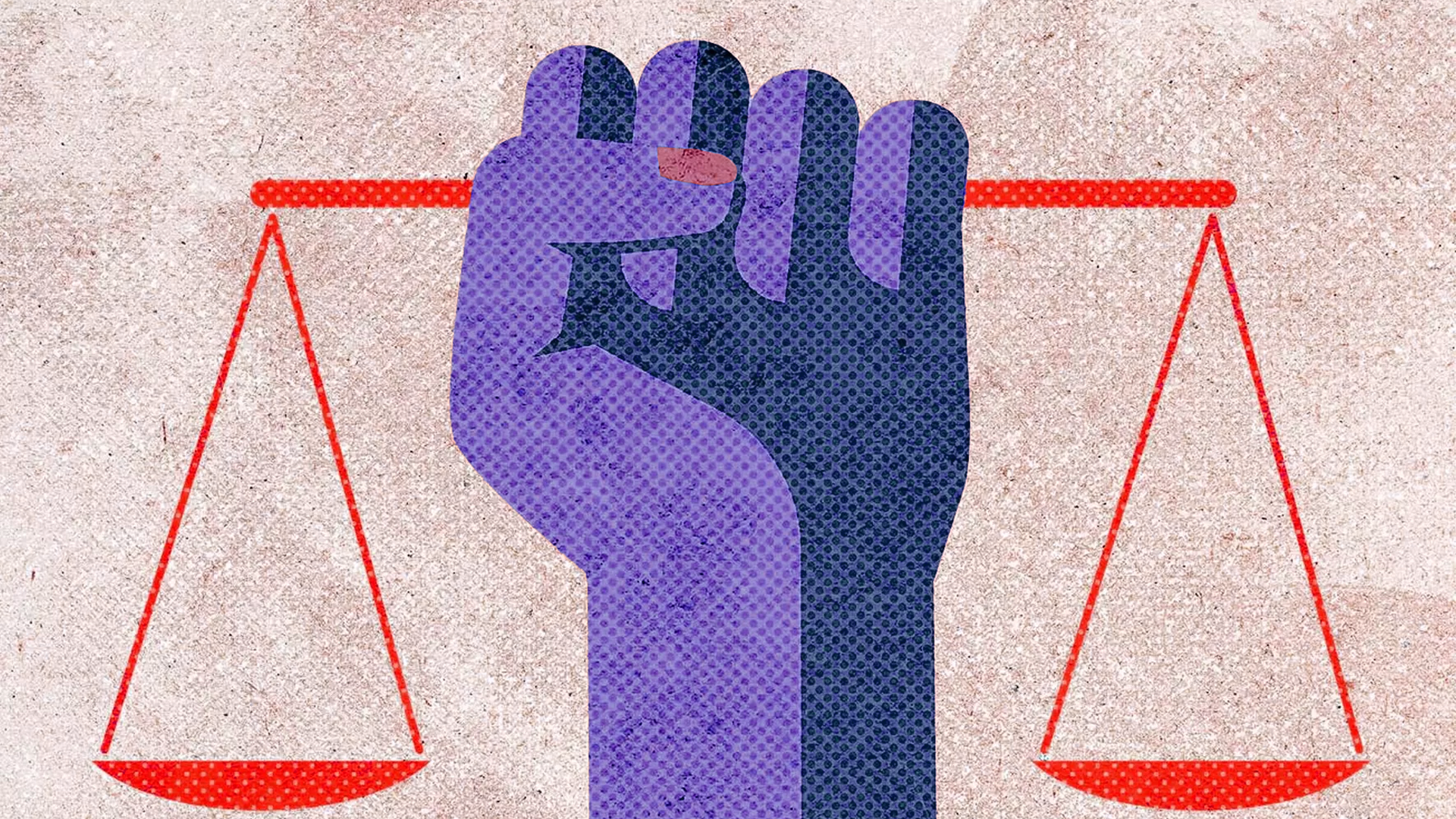
Fair decisions and effective conflict resolution are essential to a healthy democracy.
The Dive
Fairness and conflict are unavoidable features of democratic life. In a diverse society, people will disagree about values, priorities, and solutions. What matters is not the absence of conflict, but how it is handled. The United States was built on ideals of fairness, dignity, and equal protection, yet the nation has always struggled to turn those ideals into lived reality. Understanding how fair decisions are made and how conflicts are resolved helps explain both the promise and the tension at the heart of American democracy.
The Constitution embeds fairness through principles like due process and equal protection under the law. The Equal Protection Clause of the Fourteenth Amendment marked a turning point by declaring that the law must protect all people equally, not just the powerful. This represented a shift from a nation that excluded many to one that aspired to inclusion. Still, fairness as a legal promise has often fallen short in practice, creating ongoing conflict between what the Constitution says and how society actually functions.
Research shows that Americans largely agree on the values behind fairness, such as accountability, dignity, compassion, and opportunity. Yet people interpret fairness through different lenses. Some focus on opportunity, believing fairness means everyone should have an equal chance to succeed. Others emphasize process, insisting that rules must be applied consistently to everyone. A third group focuses on outcomes, arguing that fairness is only real if people can actually achieve stability and dignity. These perspectives often overlap, but they can also clash.
These different lenses help explain why conflict feels so intense in modern civic life. Many people feel caught between pride in self-reliance and anger at systems that seem rigged. They fear government overreach but resent being left unprotected. Across political and geographic divides, a common belief emerges that the system favors the powerful and fails ordinary people. When trust in fairness breaks down, conflict becomes sharper and more personal.
Government plays a central role in resolving conflict by acting as a rule-setter, referee, and protector. Laws exist to prevent disputes from escalating into chaos, while courts provide neutral spaces to resolve disagreements. Beyond enforcement, governments also reduce conflict by addressing root causes such as inequality, lack of access to education, and economic insecurity. When basic needs are unmet, conflict becomes more likely and harder to resolve peacefully.
At the same time, fairness cannot be imposed by government alone. Citizens play a critical role in making fairness real through daily actions. Treating others with respect, listening during disagreements, mentoring within communities, and holding local institutions accountable all contribute to conflict resolution. Even people who value individual responsibility strongly often believe that communities should look out for one another. Fairness is sustained not just by laws, but by shared norms and mutual care.
Conflict resolution also depends on distinguishing between the state and the government. The state is the larger system of laws, institutions, and authority, while the government is the group of people temporarily entrusted to operate that system. Understanding this difference helps citizens critique policies without rejecting democracy itself. Governments may fail, but the democratic framework provides tools for reform, accountability, and peaceful change.
Resolving conflict requires more than enforcing rules. It demands dialogue, negotiation, and a willingness to address uncomfortable truths. Governments can facilitate this by creating spaces for participation and by including diverse voices in decision-making. Inclusive governance helps reduce resentment and builds legitimacy, making conflicts easier to resolve before they escalate.
Ultimately, fairness is not about sameness, but balance. It requires equal rules, real opportunity, and outcomes that allow people to live with dignity. Democracy works best when government sets a fair foundation and citizens help build upon it together. Conflict will always exist, but when fairness is treated as a shared responsibility, conflict becomes a pathway to understanding rather than division.
Why It Matters
Fair decisions and peaceful conflict resolution determine whether democracy feels legitimate or broken. When people believe the system is fair, they are more likely to participate, cooperate, and trust one another. Understanding how fairness works, and why people disagree about it, helps citizens navigate conflict with empathy and purpose, strengthening democracy instead of tearing it apart.
?
Which lens of fairness do you find most convincing, and why?
How can governments balance equal rules with unequal starting points?
What role do citizens play in resolving conflicts in their own communities?
Why does perceived unfairness lead to distrust and division?
How can dialogue reduce conflict even when disagreements remain?
Dig Deeper
An exploration of economic inequality and how policy choices influence fairness.
Discover the shortcomings of using GDP to measure a country’s well-being, and what alternatives can be used to gauge quality of life.
A TEDx talk on how listening and understanding can transform conflict.
Related
What Is Civics?
Civics is the study of how citizens participate in democracy—and why their participation matters.
Civics vs. Ethics
Civics explains the rules of society. Ethics asks whether those rules are right.
Being a Good Citizen
Good citizenship is not a checklist. It is a daily practice rooted in responsibility, empathy, and participation.
Further Reading
Stay curious!