

Media, Public Opinion & the Battle for Truth

A collage of social media feeds, newspapers, television broadcasts, and people discussing politics and public opinion.
The Dive
Public opinion doesn't appear out of nowhere. It's shaped by conversations, experiences, institutions, and especially by media. Newspapers, television, radio, websites, podcasts, social media platforms, and influencers all help determine which issues people pay attention to and how those issues are understood. In democratic societies, media acts as a bridge between citizens and government by providing information about elections, laws, public debates, and world events. Because most people cannot personally witness major political events themselves, they rely heavily on media to explain what is happening around them.
Modern media does more than simply report facts—it helps shape the public agenda. Political scientists often describe this as 'agenda-setting.' The media may not always tell people exactly what to think, but it strongly influences what people think about. When news coverage repeatedly focuses on certain stories, personalities, or controversies, those issues begin to dominate public conversation. Topics receiving little coverage often disappear from public debate entirely, even if they are important. This gives media organizations enormous influence over political priorities and public attention.
In the 21st century, the rise of digital media and social media transformed how public opinion develops. Unlike older forms of mass communication, where information mainly flowed from institutions to audiences, social media allows users themselves to shape what becomes visible. Algorithms on platforms like YouTube, TikTok, X, Instagram, and Facebook track engagement—likes, comments, shares, and watch time—and promote content that generates strong emotional reactions. This means outrage, fear, conflict, and sensationalism often spread more quickly than calm or nuanced information because emotionally charged content keeps people engaged longer.
Influencers and online personalities now play a major role in political communication. Unlike traditional journalists, influencers often build audiences through personal connection and strong ideological identity rather than neutrality. Their followers may view them as relatable or trustworthy because they seem like ordinary people rather than institutional media figures. However, this environment can create what researchers call 'audience capture,' where creators gradually adopt more extreme or sensational positions in order to maintain attention, loyalty, and financial support from their followers.
Media can strengthen beliefs people already hold while also activating people politically. Someone who already leans toward a political candidate or issue may become far more motivated after repeated exposure to media coverage supporting those views. This can lead people not only to vote, but also to donate money, volunteer, protest, or become deeply involved in political movements. In this way, media does not simply inform public opinion—it can mobilize collective action and shape real political outcomes.
The spread of misinformation and false narratives has become one of the defining challenges of the modern information age. Rumors repeated often enough can begin to feel true, especially when they are reinforced by trusted influencers or repeated across social networks. False information spreads particularly well when it appeals to fear, anger, or existing biases. Researchers studying media and public opinion have shown that people are more likely to accept inaccurate information when they lack direct experience or alternative sources of information to challenge it.
Polls and surveys are another major part of modern public opinion. Scientific polls attempt to measure what large groups of people believe by surveying carefully selected samples of the population. Well-designed polls can help governments, journalists, and researchers better understand public attitudes. However, polls can also be manipulated. Some organizations conduct 'straw polls' or advocacy polls designed less to measure opinion than to influence it by creating the impression that certain ideas are more popular than they actually are. Polls themselves can sometimes shape public opinion by influencing how people perceive momentum, popularity, or social acceptance.
Media also affects how societies understand complex issues such as climate change, immigration, disability, crime, or economic inequality. Studies have shown that repeated media framing can strongly influence public attitudes. For example, when disability coverage heavily emphasized fraud and abuse, many audience members came to believe fraud was widespread despite official evidence showing it was actually rare. Similarly, polarized media coverage of climate change has often created confusion and uncertainty even though there is overwhelming scientific consensus on the reality of human-driven climate change.
Public opinion plays a complicated role in democracy. Democratic governments depend on public participation, but political leaders also attempt to shape opinion through speeches, slogans, advertising, media appearances, and public relations campaigns. Philosophers such as Jeremy Bentham argued that public opinion acts as an important check on government power because leaders know citizens are watching and judging them. Others, including Alexis de Tocqueville, warned that public opinion could become dangerous if majorities silence minority viewpoints or discourage independent thinking.
Media literacy has therefore become one of the most important civic skills of the modern era. Being informed today requires more than simply consuming information—it requires asking critical questions. Who created this message? What evidence supports it? What perspectives are missing? What emotions is this content trying to trigger? Democracy depends on citizens who can evaluate information thoughtfully rather than reacting automatically to algorithms, outrage, or propaganda. In an age where anyone can publish information instantly, learning to think critically may be just as important as learning to read.
Why It Matters
The way people receive information shapes how societies function. Media influences elections, public policy, social movements, and even how communities understand truth itself. In a world filled with misinformation, propaganda, and algorithm-driven content, media literacy helps people become more thoughtful citizens who can evaluate evidence, recognize manipulation, and participate more responsibly in democracy.
?
How do algorithms influence what information people see online?
Why does emotionally charged content spread more quickly on social media?
How can polls both measure and influence public opinion?
What is the difference between journalism and influencer commentary?
Why is media literacy important in a democracy?
How can people identify misinformation or propaganda online?
Dig Deeper
A discussion about journalism, critical thinking, and how to question information in the age of misinformation and echo chambers.
An exploration of how misinformation spreads online and why false stories can travel faster than factual reporting.
Does the media control our brains?.... Probably not, but you can’t argue that the media–news, entertainment, even educational media–is able to handily deliver messages which impact the way we see the world. We learn our personal values from our parents, friends, colleagues, and authority figures but we also gain tons of insight about ourselves and the world from the arts, sciences, politics, entertainment, journalism... much information about this stuff gets to us through the media. The question is: as the media is bringing information and insight to us, and that info-slash-insight is having some kind of impact on our thoughts and actions, how exactly does that happen? In today’s “But Wait!” episode, we explore 3 different possibilities.
Fake news spreads across the Internet like wildfire, and might even spread more quickly than real news!
Related
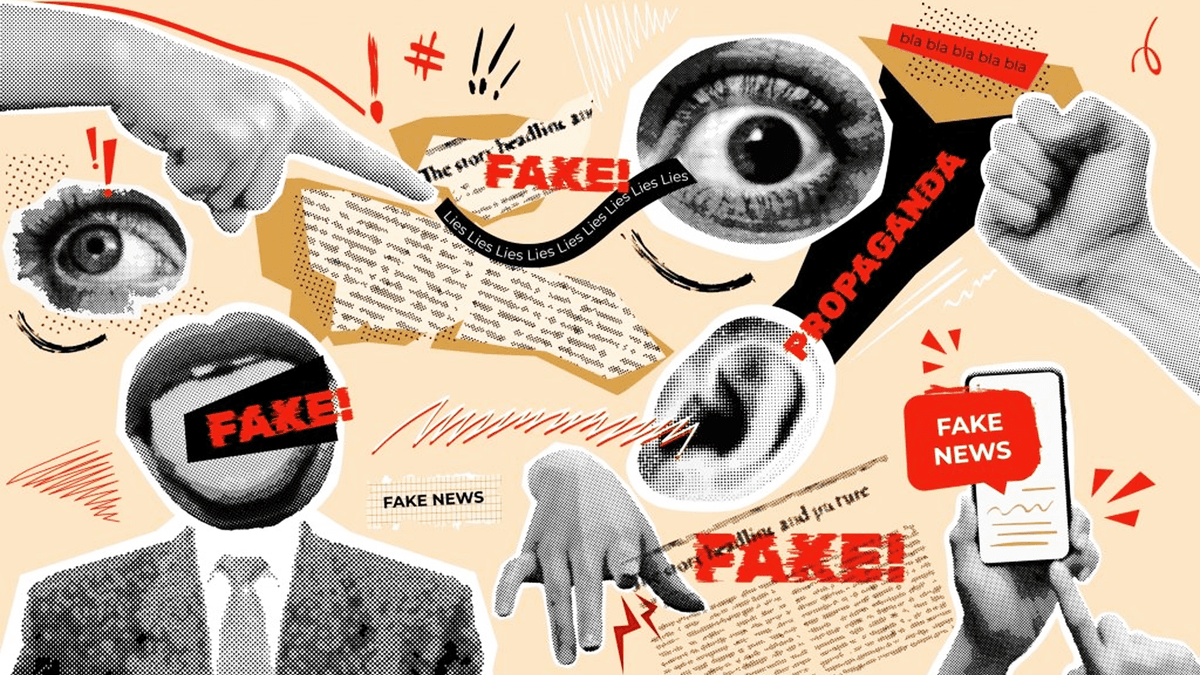
How to Spot Misinformation
Misinformation is the lie that dresses like the truth—and learning to spot it is a civic survival skill.
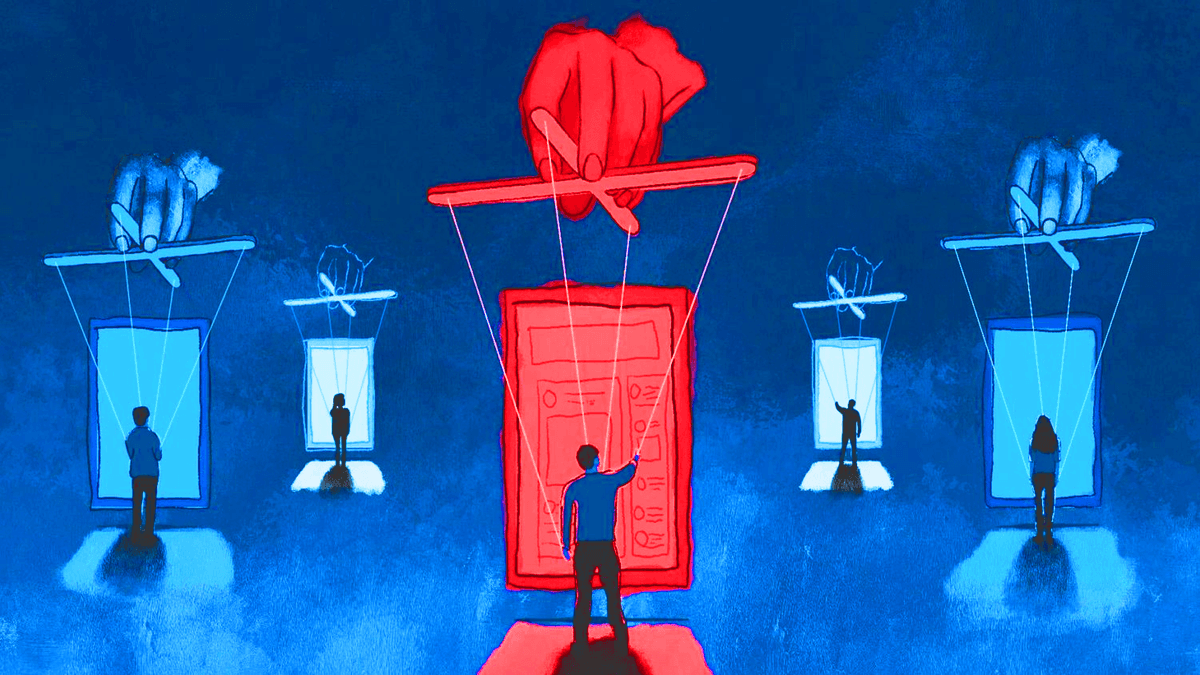
The Role of Social Media in Shaping Public Opinion
Social media is a powerful tool that influences public opinion on a global scale, but its impact isn't always positive. What does it mean for democracy, and how can we address the challenges of misinformation and echo chambers?
Basic Rights and Personal Responsibilities
Rights give us freedom. Responsibilities protect those freedoms—for ourselves and for each other.
Further Reading

Stay curious!