

The Roaring Twenties: Prosperity, Culture, and Conflict
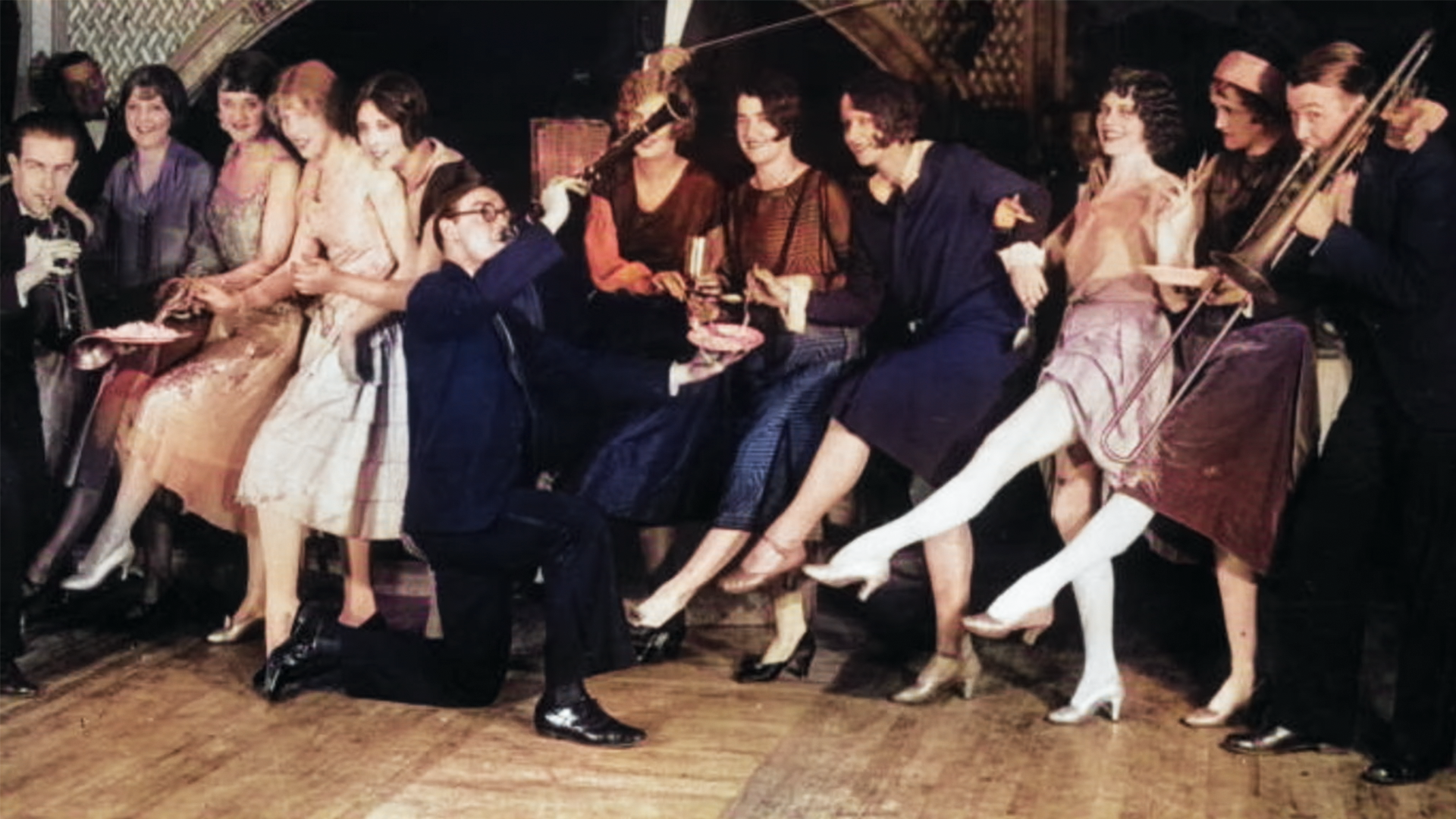
The Dive
The decade following World War I became known as the “Roaring Twenties,” a period when American society seemed to move forward at remarkable speed. New technologies, booming industries, and rising consumer spending created a widespread sense of optimism and possibility. Cities grew quickly as more Americans moved away from rural life, entertainment industries flourished, and many people believed the nation was entering a bold new era defined by modern ideas, scientific progress, and economic opportunity.
Much of the economic growth of the 1920s was driven by mass production. Companies such as the Ford Motor Company perfected the assembly line, a manufacturing system that allowed complex products like automobiles to be produced more quickly and at much lower cost. As factories became more efficient, goods that had once been considered luxuries—such as radios, refrigerators, and washing machines—became increasingly accessible to middle-class families. This shift helped create a powerful consumer culture in which Americans were encouraged to purchase modern products that promised convenience, comfort, and a higher standard of living.
Advertising and consumer credit became essential parts of this new economy. As factories produced goods more quickly and cheaply through mass production, businesses needed new ways to persuade Americans to buy these products. Advertising expanded dramatically in newspapers, magazines, billboards, and on the growing medium of radio. Advertisers increasingly appealed to emotions rather than just practical needs, suggesting that purchasing certain products could bring happiness, success, beauty, or social status. Marketing experts encouraged companies to “sell the dream” associated with their products, linking consumer goods to modern lifestyles and personal identity. At the same time, the rapid expansion of consumer credit made it easier for families to buy expensive items they couldn't afford to pay for all at once. Installment plans allowed customers to purchase goods such as automobiles, radios, refrigerators, furniture, and washing machines by paying a small amount up front and then making monthly payments over time. By the mid-1920s, a large percentage of household appliances and durable goods in the United States were purchased on credit. While this system greatly expanded consumer purchasing power and helped fuel economic growth throughout the decade, it also increased personal debt and made the economy more vulnerable to financial instability.
The 1920s were also a period of remarkable cultural creativity, particularly within African American communities. The Harlem Renaissance, centered in the Harlem neighborhood of New York City, became one of the most influential cultural movements of the decade. African American writers, musicians, and artists used literature, poetry, music, and visual art to celebrate Black identity, history, and cultural expression. Jazz music spread rapidly across the country, with performers such as Louis Armstrong and Duke Ellington transforming American music and shaping global popular culture. Writers like Zora Neale Hurston and Langston Hughes explored the complexity of African American life and helped establish new voices in American literature.
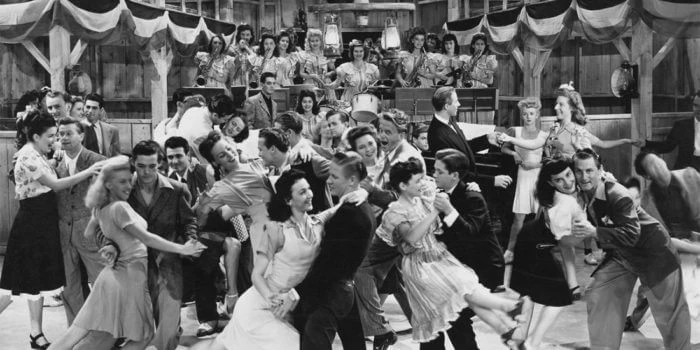
At the same time, new forms of mass media transformed everyday life and helped create a shared national culture. Radio broadcasts brought music, sports, news, and entertainment directly into people’s homes, allowing millions of Americans to experience the same programs at the same time. By the late 1920s, radio ownership had expanded dramatically across the country. Movies also became wildly popular, with theaters selling tens of millions of tickets every week. Hollywood film stars, hit songs, and nationally broadcast sporting events helped create a common entertainment culture that connected people across regions and backgrounds.
The decade also brought important changes to the lives of women. After decades of activism and political organizing, women won the right to vote with the ratification of the Nineteenth Amendment in 1920. Increasing numbers of women entered the workforce, particularly in office jobs, retail, and service industries. The image of the “flapper”—a young woman who challenged traditional expectations through fashion, behavior, and independence—became a widely recognized symbol of changing gender roles. While not all women adopted the flapper lifestyle, the decade nonetheless marked an important shift toward greater social freedom and visibility for women in public life.
Despite these signs of progress, the decade was filled with cultural conflict. One of the most controversial developments was Prohibition, which began in 1920 after the ratification of the Eighteenth Amendment and the passage of the Volstead Act. These laws banned the manufacture, sale, and transportation of alcoholic beverages across the United States. Many supporters believed Prohibition would improve public morality, reduce crime, and strengthen families by eliminating alcohol consumption. Instead, the law proved extremely difficult to enforce. Illegal drinking became widespread, and secret bars known as speakeasies appeared in cities across the country. Criminal organizations quickly moved in to supply the demand for alcohol, smuggling liquor from abroad or producing it illegally within the United States. Bootlegging became a highly profitable enterprise, and gangsters such as Al Capone in Chicago built powerful criminal networks that controlled the illegal alcohol trade. Rival gangs fought violent battles for territory and profits, contributing to a rise in organized crime during the decade. Although Prohibition did reduce overall alcohol consumption, its unintended consequences—including corruption, illegal markets, and organized crime—made it one of the most debated policies of the era. Growing public frustration with the policy eventually led to its repeal when the Twenty-first Amendment was ratified on December 5, 1933, officially ending Prohibition and overturning the Eighteenth Amendment.
The Scopes Trial of 1925 symbolized another major cultural struggle of the decade: the conflict between modern scientific ideas and religious fundamentalism. In Tennessee, a new state law called the Butler Act made it illegal for public school teachers to teach Charles Darwin’s theory of evolution. John T. Scopes, a high school science teacher in Dayton, Tennessee, agreed to challenge the law by teaching evolution in his classroom. His arrest led to a widely publicized court case that quickly became known as the “Scopes Monkey Trial.” The trial attracted national attention because it featured two of the most famous lawyers in the country: Clarence Darrow, who defended Scopes and argued for academic freedom and scientific education, and William Jennings Bryan, a three-time presidential candidate who supported the prosecution and defended religious fundamentalism. Newspapers, radio broadcasts, and reporters from around the world followed the proceedings, turning the trial into a national debate about science, religion, and the role of education in modern society. Although Scopes was found guilty and fined $100, the trial exposed the deep cultural divide between Americans who embraced modern scientific ideas and those who sought to preserve traditional religious beliefs. The debate it represented would continue to influence American discussions about science, education, and religion for decades.
Another major conflict of the 1920s involved immigration and national identity. After World War I, many Americans feared foreign political ideas and rapid social change, especially following the Russian Revolution and growing labor unrest. In response, Congress passed immigration laws in 1921 and 1924 that sharply limited the number of immigrants allowed into the United States, particularly those arriving from Southern and Eastern Europe. These policies reflected a growing wave of nativism—the belief that the nation should be dominated by native-born Americans and preserve what many saw as traditional American culture. At the same time, the Ku Klux Klan re-emerged as a powerful political and social force. Unlike the earlier Klan of the Reconstruction era, the 1920s organization expanded its targets beyond African Americans to include Catholics, Jews, immigrants, and anyone it believed threatened its vision of a Protestant, white, “American” society. At its peak, the Klan claimed millions of members and held significant political influence in several states, demonstrating how fear of cultural change and immigration fueled intolerance and division during the decade.
Although the Roaring Twenties are often remembered as a decade of excitement and prosperity, the benefits of economic growth were unevenly distributed. Many farmers struggled with falling crop prices after World War I, and large numbers of industrial workers did not experience the same financial gains as wealthier Americans. Income inequality remained high, and the expanding credit system masked underlying weaknesses in the economy. When the stock market crashed in 1929, the fragile foundations of the booming economy became clear. The Great Depression that followed revealed that beneath the glitter and energy of the Jazz Age, serious economic and social tensions had been building throughout the decade.
Why It Matters
The Roaring Twenties shows how technological progress and cultural innovation can exist alongside social tension and inequality. Understanding this decade helps explain the origins of modern American culture, the roots of political and cultural conflict, and the economic conditions that led to the Great Depression.
?
Dig Deeper
An engaging overview of the economic boom and cultural changes of the 1920s.
A look at how the prosperity of the 1920s gave way to the Great Depression.
Related
The First Great Awakening: Faith, Fire, and a New American Identity
Long before the Revolution, a different kind of rebellion was stirring, one in the soul. The First Great Awakening reshaped American religion and helped plant the seeds of self-government and democratic identity.
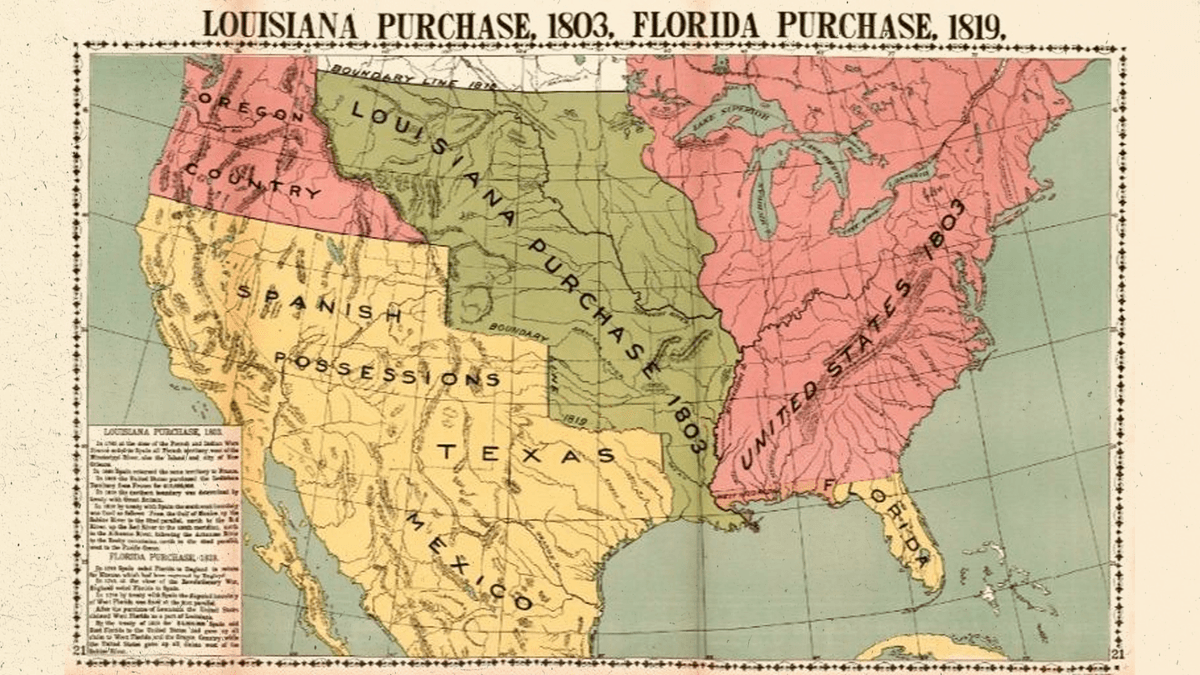
The Louisiana Purchase: A River, A Bargain, and a Bigger United States
In 1803 the United States bought the vast Louisiana Territory from France, doubling the nation’s size, securing the Mississippi River, and setting the stage for westward expansion and hard questions about slavery and Native sovereignty.
The Great Society: Government as a Force for Good
The Great Society wasn’t just a policy agenda, it was a radical vision of what America could be. With sweeping reforms in health care, education, civil rights, immigration, and the environment, President Johnson’s plan aimed to eliminate poverty and racial injustice once and for all.
Further Reading
Stay curious!