

Why the United States Entered World War I
The Dive
World War I began in the summer of 1914 after the assassination of Archduke Franz Ferdinand of Austria-Hungary. A complex system of alliances quickly pulled much of Europe into conflict. The Central Powers—Germany, Austria-Hungary, the Ottoman Empire, and Bulgaria—fought against the Allied Powers, which included Great Britain, France, and Russia. When the war erupted, President Woodrow Wilson declared that the United States would remain neutral, urging Americans to be 'neutral in fact as well as in name.' Most Americans supported this position, believing the war was a European conflict with no direct threat to American territory.
Despite official neutrality, the United States was economically connected to the war. American banks loaned large sums of money to Allied nations, and American companies sold food, raw materials, and weapons abroad. Britain’s naval blockade limited U.S. trade with Germany, meaning most economic ties favored the Allies. While neutrality remained the official policy, economic realities and cultural connections—especially to Great Britain—gradually influenced public opinion.
Tensions escalated in 1915 when a German submarine sank the British passenger ship Lusitania, killing nearly 1,200 people, including 128 Americans. Although Germany argued the ship carried war materials (which yes, the RMS Lusitania was carrying a substantial amount of war munitions for Britain when it was sunk), the attack shocked the American public. President Wilson demanded that Germany stop attacking civilian vessels without warning. Germany temporarily complied through the Sussex Pledge in 1916, promising to limit submarine warfare. However, the fragile peace would not last.
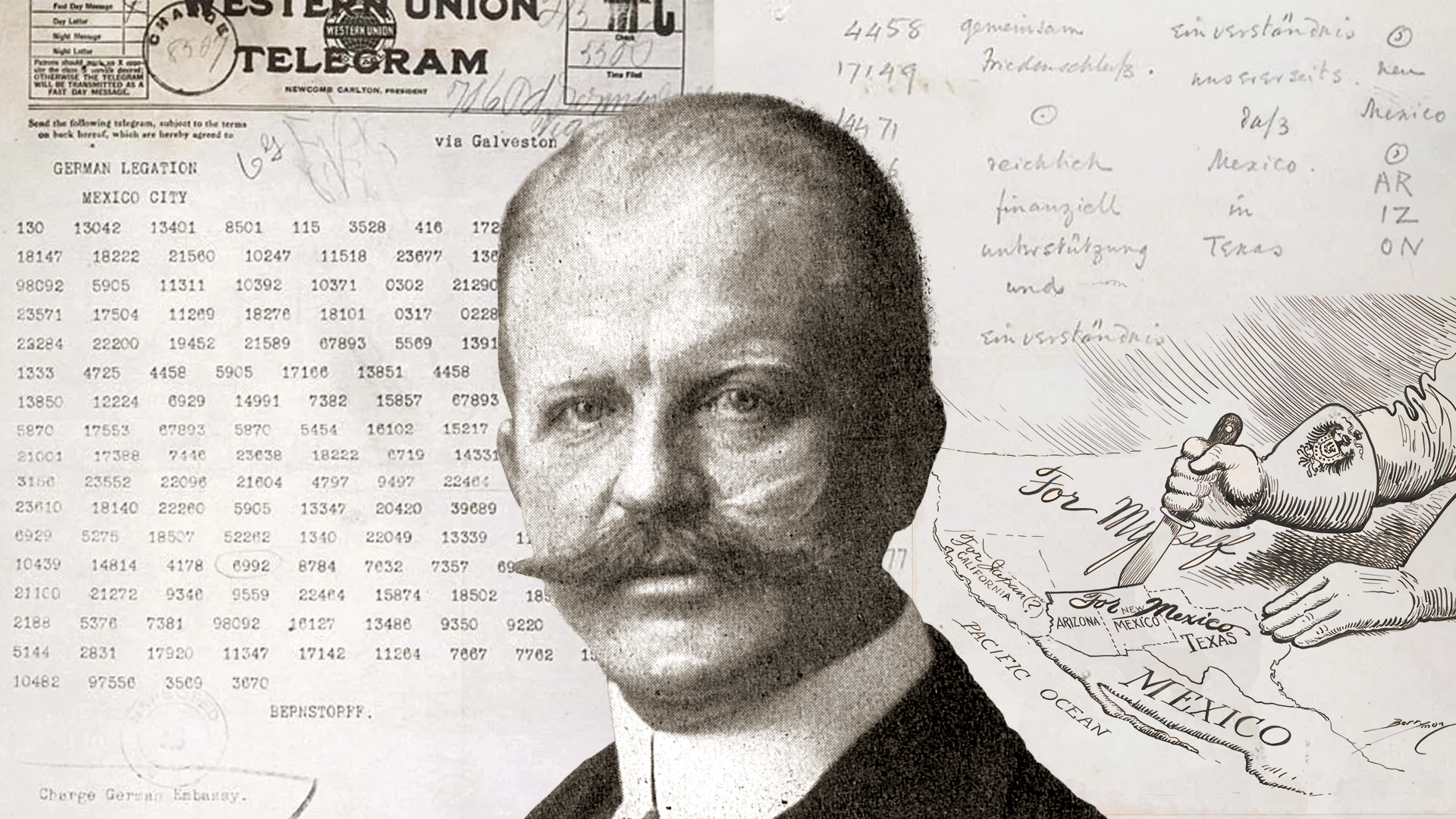
In January 1917, Germany announced it would resume unrestricted submarine warfare, calculating that it could defeat the Allies before the United States could mobilize effectively. German U-boats soon sank several American merchant ships. Around the same time, British intelligence intercepted the Zimmermann Telegram, a secret message from Germany proposing a military alliance with Mexico if the United States entered the war. Germany promised to support Mexico in reclaiming Texas, New Mexico, and Arizona. When the message became public, American outrage deepened.
On April 2, 1917, President Wilson addressed Congress, arguing that 'the world must be made safe for democracy.' He framed the war not simply as retaliation, but as a defense of democratic principles and international stability. On April 6, 1917, Congress declared war on Germany. It was only the fourth time in American history that Congress had formally declared war. The decision marked a decisive shift away from neutrality and signaled America’s growing role in global affairs.
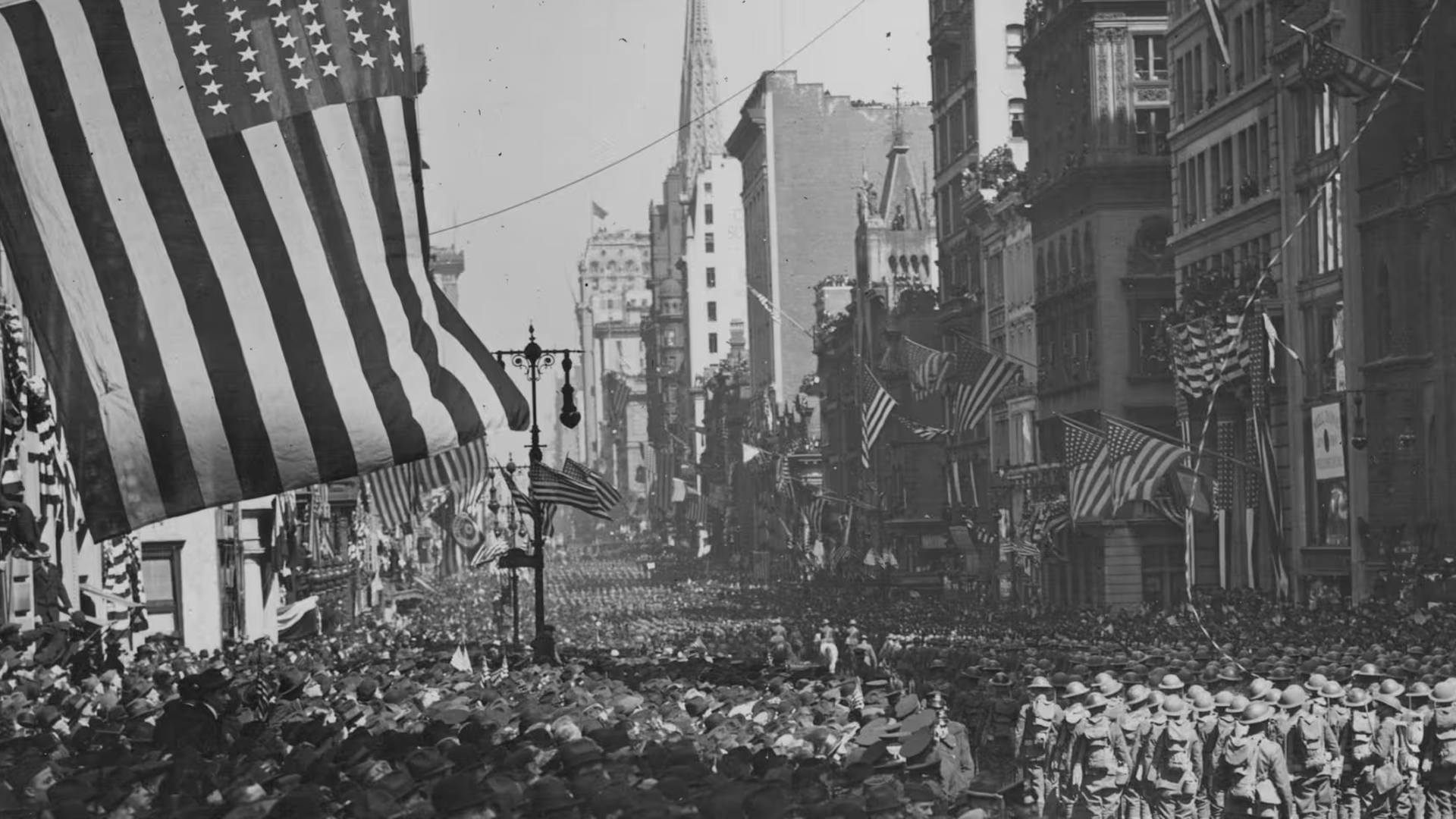
At the time of entry, the U.S. Army was relatively small, numbering just over 100,000 soldiers. Congress passed the Selective Service Act in May 1917, reinstating the draft. By the war’s end, approximately 2.8 million men had been drafted and nearly 2 million more volunteered. American troops began arriving in Europe in mid-1917 and played a significant role on the Western Front in 1918. Over 50,000 American soldiers died in combat before the armistice ended fighting on November 11, 1918.
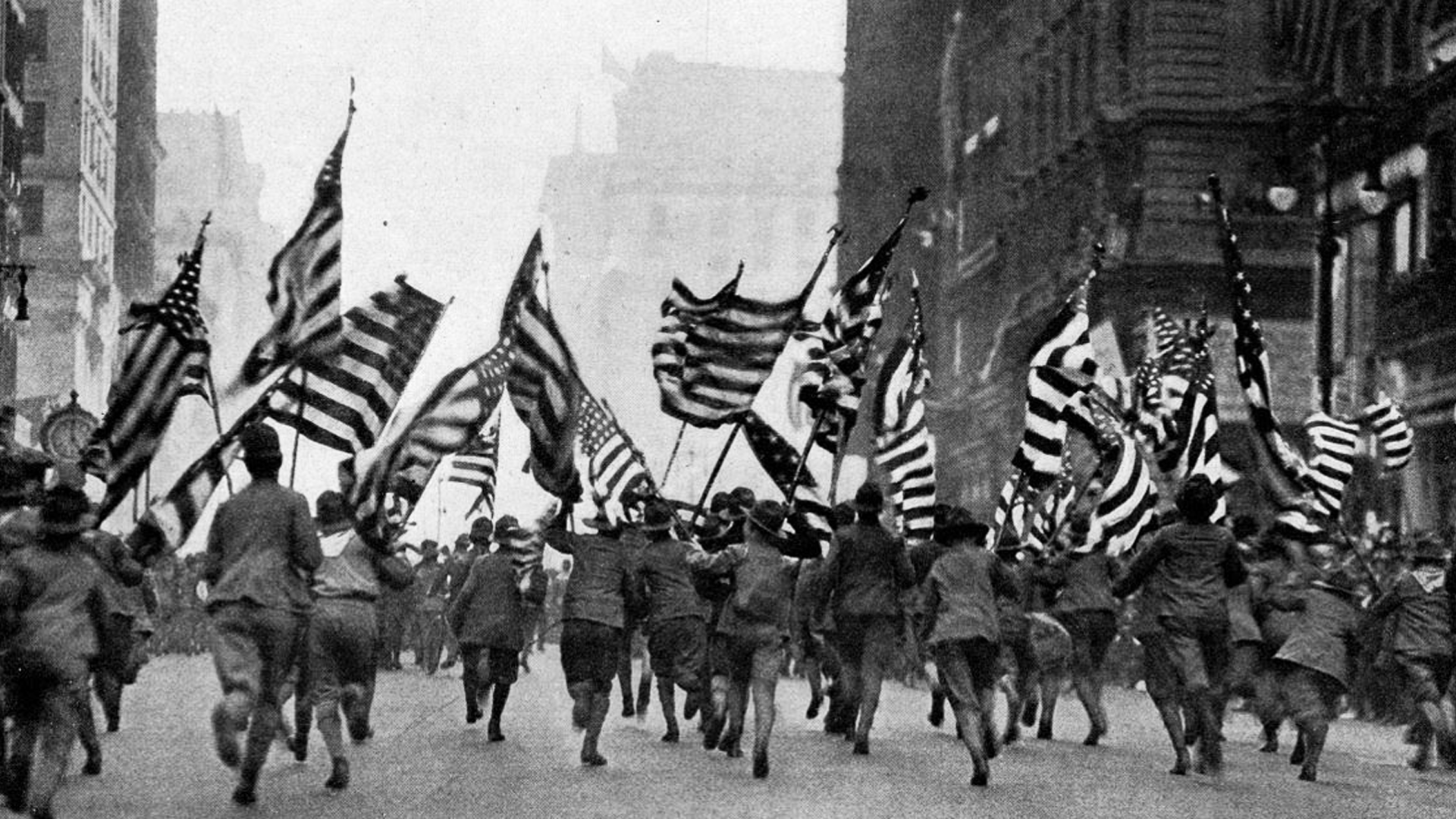
The war also transformed life at home. The federal government expanded its authority to coordinate the economy and mobilize society. The Committee on Public Information (CPI), led by George Creel, produced posters, films, and pamphlets to build public support for the war. Propaganda often portrayed Germany as brutal, fueling intense anti-German sentiment. Civil liberties were limited through the Espionage Act (1917) and the Sedition Act (1918), which punished criticism of the government or the war effort. These measures sparked debates about free speech during wartime.
Economic mobilization reshaped American industry. The U.S. Food Administration encouraged voluntary rationing through 'Meatless Mondays' and 'Wheatless Wednesdays.' Families planted Victory Gardens to supplement food supplies. Liberty Bonds were sold to finance the war. Women entered industrial jobs in large numbers, working in factories, transportation, and munitions plants. Over one million women worked in war industries, while thousands more served as nurses, telephone operators, and Red Cross volunteers. Their contributions strengthened the women’s suffrage movement, which achieved a major victory with the 19th Amendment in 1920.
The war effort also accelerated social change. Labor unions grew as collective bargaining was encouraged to prevent strikes that might disrupt production. African Americans migrated from the rural South to northern industrial cities in what became known as the Great Migration, seeking better wages and escaping racial violence. At the same time, wartime propaganda intensified suspicion toward immigrants, pressuring many to 'Americanize' quickly. World War I therefore reshaped not only America’s role in the world but also its internal social dynamics.
Why It Matters
The United States’ entry into World War I marked a turning point in American history. By entering the war, the United States signaled its emergence as a major global power. The conflict expanded federal power, transformed the labor force, and tested the limits of civil liberties. America’s involvement didn't just help end the war; it transformed the nation’s economy, society, and international identity. The decision of 1917 marked the beginning of a new era in which the United States would play an increasingly central role in global conflicts and diplomacy. It demonstrated how economic ties, security threats, and democratic ideals can reshape foreign policy. Understanding why and how the U.S. entered the war helps explain the nation’s rise as a global power and the lasting tensions between security, freedom, and democracy.
?
Why did the United States try to remain neutral at the beginning of World War I?
How did unrestricted submarine warfare influence American public opinion?
Why was the Zimmermann Telegram so alarming to Americans?
How did World War I expand the power of the federal government?
In what ways did the war change opportunities for women and African Americans?
Dig Deeper
An overview of why the United States entered World War I and how the war reshaped American society.
Related
McCarthyism: Fear, Power, and the Red Scare
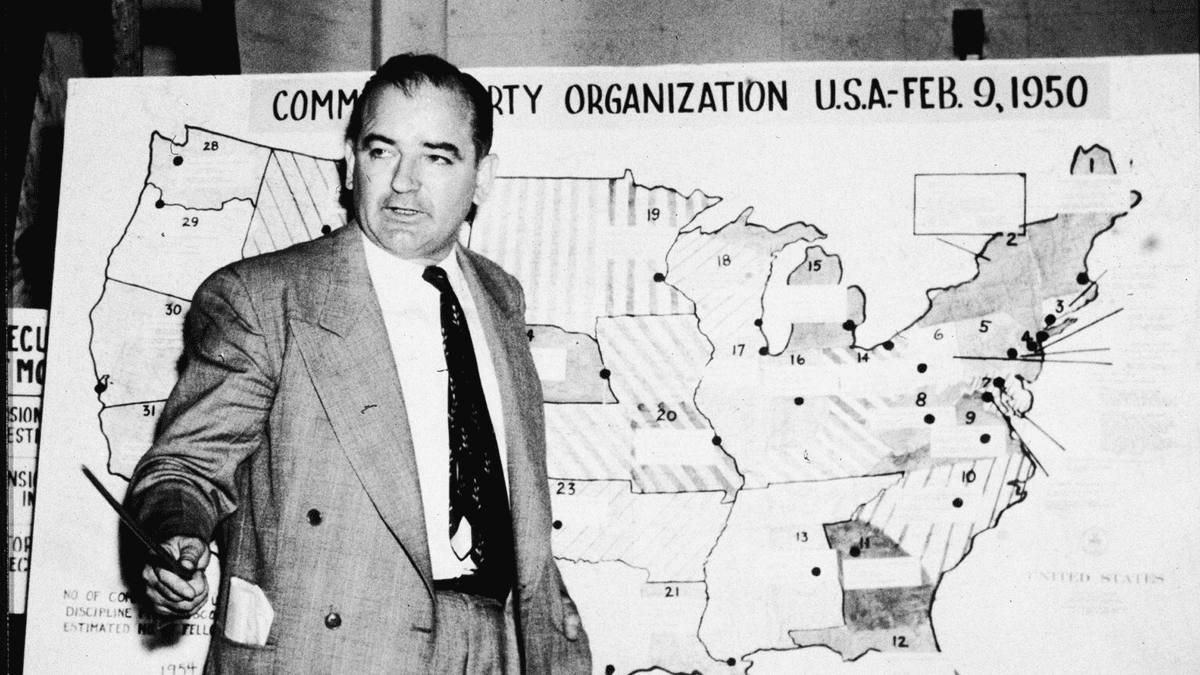
In the 1950s, fear of communism gripped America. Senator Joseph McCarthy fueled this fear by accusing hundreds of people of being communist traitors—often without proof. The result was a national panic that tested the meaning of truth, justice, and freedom.
Kent State Shootings: When Protest and Power Collided
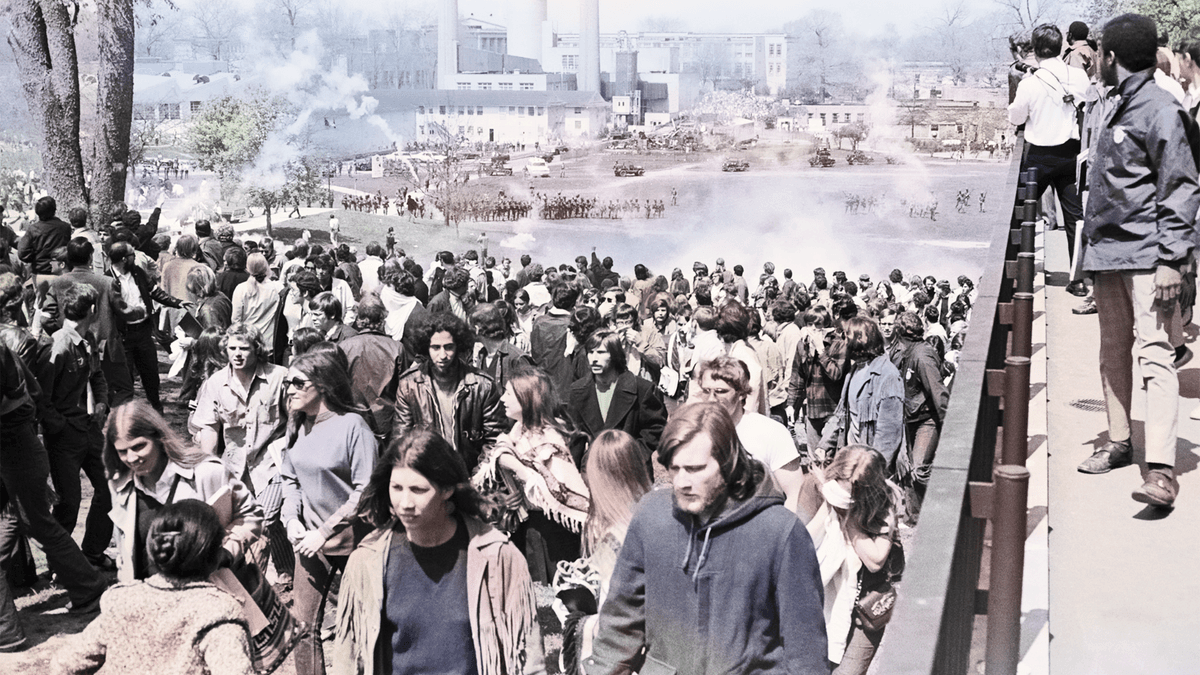
A moment when the Vietnam War reached American soil—and exposed the deep divisions within the nation.
The War on Terror: A New Era of U.S. Power
After the September 11th attacks, the United States didn't just declare war on terrorism—it redefined national security, global alliances, and the limits of civil liberties.
Further Reading
Stay curious!