

McCarthyism: Fear, Power, and the Red Scare
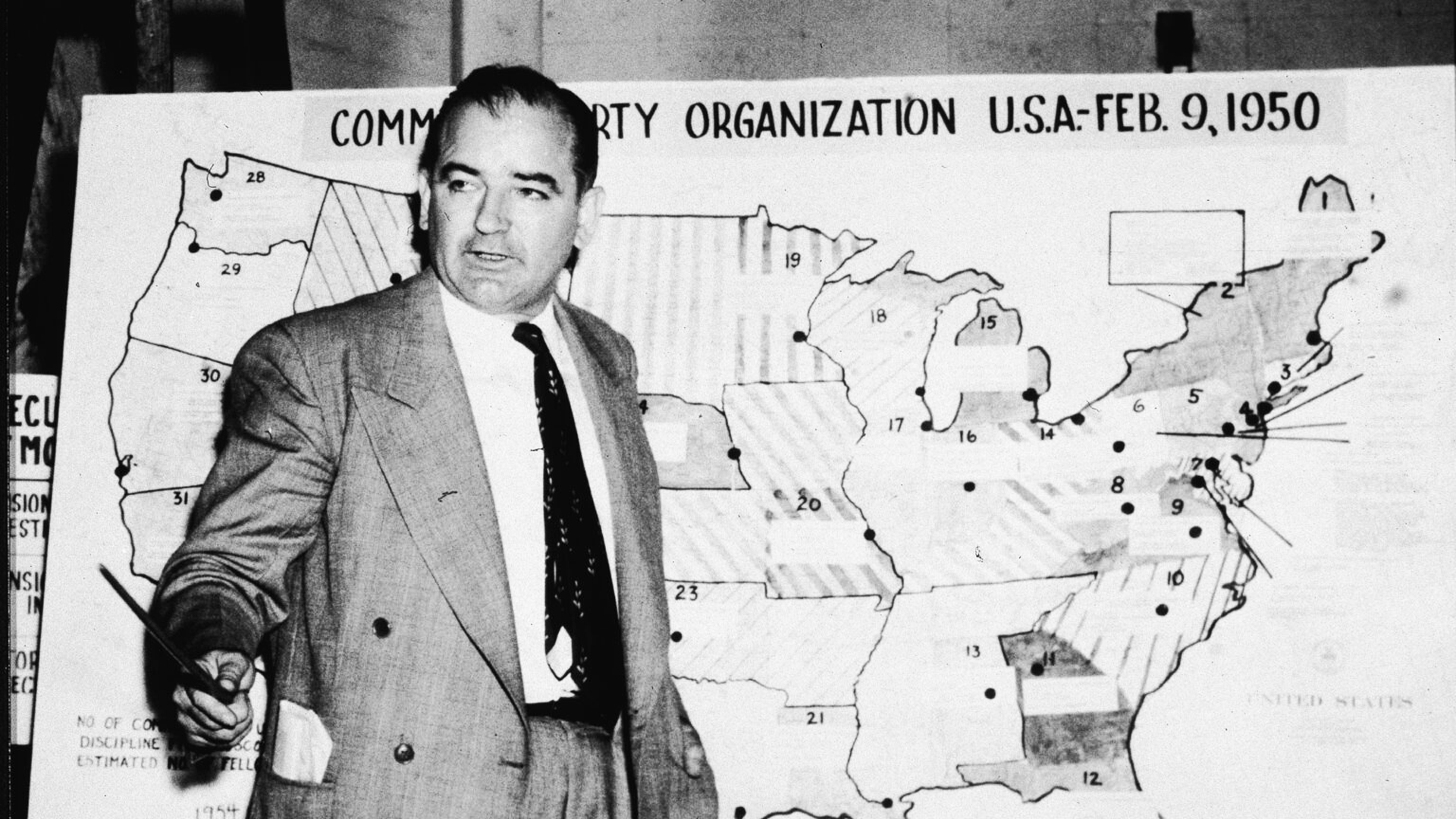
In the 1950s, fear of communism gripped America.
The Dive
In the early 1950s, the United States was caught in the middle of the Cold War with the Soviet Union. Americans feared communist influence could reach into schools, Hollywood, and even the government itself. Into this atmosphere stepped Senator Joseph McCarthy of Wisconsin, a man who turned fear into political power. In 1950, McCarthy claimed to have a list of communists working in the State Department. The list didn’t exist, but the accusation was enough to launch a national frenzy.
McCarthy’s rise was fueled by fear. He claimed that communists had infiltrated the government and were secretly shaping American policies. Without evidence, he accused diplomats, military officers, and even teachers of being communist sympathizers. Many people lost their jobs, reputations, and livelihoods simply because their names were mentioned in one of McCarthy’s speeches or hearings. In this climate of suspicion, silence was often mistaken for guilt, and disagreement was labeled as disloyalty.
The press and the public gave McCarthy enormous attention. Television was a new technology, and McCarthy used it to make his dramatic accusations seem urgent and patriotic. But as his hearings dragged on, Americans began to see a darker side to his methods like bullying witnesses, twisting facts, and destroying lives without proof. He used fear as a weapon, turning political disagreement into a national witch hunt.
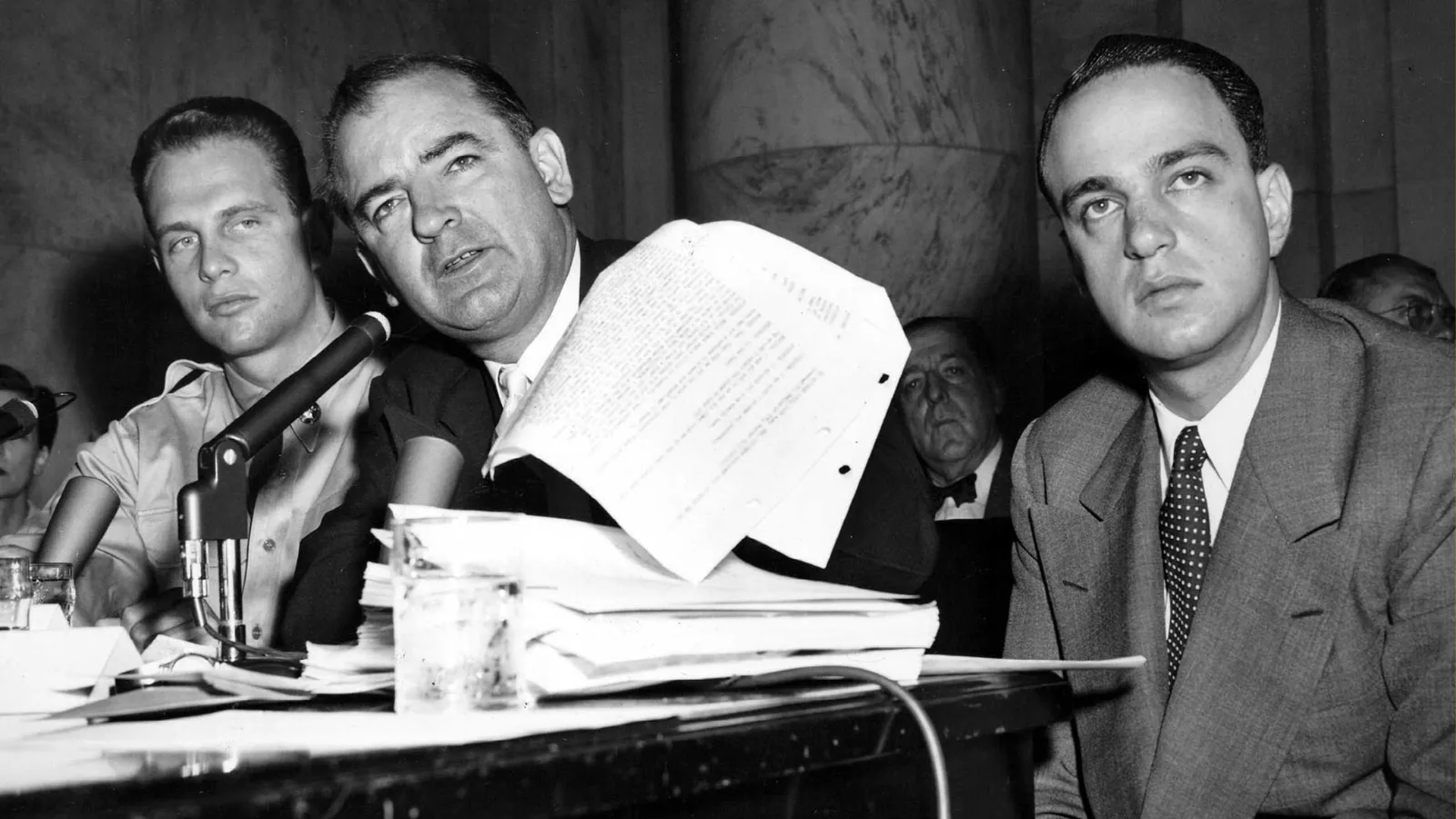
In 1954, McCarthy’s tactics were exposed to the world during the Army-McCarthy hearings, a series of televised investigations where he accused the U.S. Army of harboring communists. Millions of Americans watched from their living rooms as McCarthy’s harsh behavior shocked the public. The turning point came when Army lawyer Joseph Welch confronted him with the now-famous question: “Have you no sense of decency, sir, at long last?” That moment shattered McCarthy’s image and turned public opinion against him.
Journalists also played a key role in exposing McCarthy’s abuses. One of the most influential was Edward R. Murrow, whose television broadcast 'See It Now' criticized McCarthy’s cruelty and lack of evidence. Murrow’s reporting gave Americans the courage to question what they had been told and reminded them of the importance of truth and fairness, even during dangerous times.
President Dwight D. Eisenhower initially avoided confronting McCarthy directly. But when McCarthy began targeting the Army itself, Eisenhower quietly acted behind the scenes to limit his power. By the end of 1954, McCarthy was censured (formally condemned) by the Senate for his reckless behavior. His influence collapsed, and the era of McCarthyism came to an end.
The damage, however, was lasting. McCarthyism had created a culture of fear where citizens were afraid to speak their minds. Teachers, artists, and government workers were forced to take loyalty oaths. Hollywood writers and actors were blacklisted, ending careers based on rumor alone. Civil liberties, the very freedoms protected by the Bill of Rights, had been ignored in the name of security.
McCarthyism is now remembered as a warning about what happens when fear overrules fairness. It shows how easy it is for governments and citizens to sacrifice liberty for the illusion of safety. The lesson endures: a healthy democracy depends not only on protecting the nation, but also on protecting the rights of the people to speak, question, and dissent without fear of persecution.
Today, the word 'McCarthyism' is used whenever someone makes serious accusations without evidence. It reminds us that truth and justice require courage—the courage to ask questions, seek facts, and stand up to fear. The era of McCarthyism may have ended in the 1950s, but its lessons are as relevant as ever in a world still learning how to balance security with freedom.
Why It Matters
McCarthyism is a powerful reminder that fear can be used to control and divide people. When accusations replace evidence, and suspicion replaces truth, democracy begins to erode. Understanding this period teaches us how easily freedoms can be lost when fear overrides fairness, and why protecting civil liberties, freedom of speech, and due process is essential to maintaining a free society. The lessons of McCarthyism challenge every generation to choose courage over conformity and truth over rumor.
?
Why did so many Americans believe McCarthy’s accusations even without proof?
What role did television and journalism play in both spreading and ending McCarthyism?
How did McCarthyism affect people working in schools, government, and Hollywood?
Why is it dangerous when fear becomes more powerful than evidence?
How can citizens today protect themselves and others from similar forms of political hysteria?
Dig Deeper
A look at the famous Army-McCarthy hearings and the moment that ended Senator McCarthy’s reign of fear.
Historian Ellen Schrecker traces the rise and fall of McCarthyism and its devastating effects on American democracy.
Related
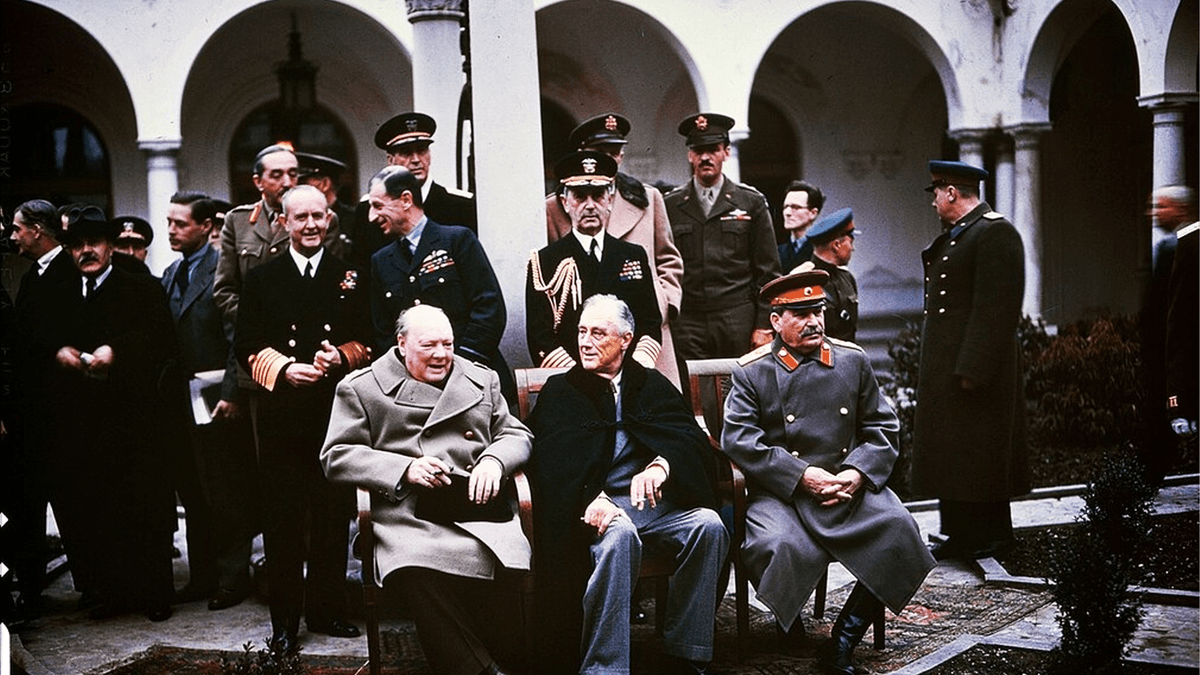
The Cold War & Fear at Home: Ideology, Power, and Public Anxiety
A global rivalry shaped by fear, ideology, and the constant tension between freedom and security.
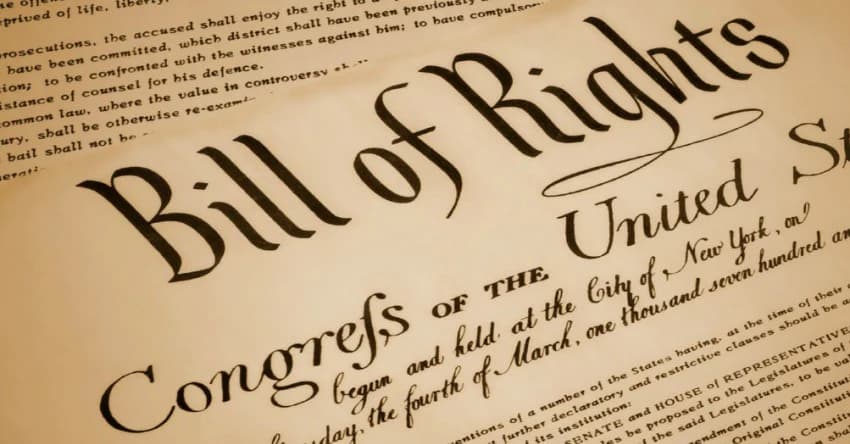
The Bill of Rights: What Is It and What Does It Actually Do?
The Bill of Rights wasn’t added to the Constitution because everything was going great, it was added because the people didn’t trust the government. And they had every reason not to.
The First Amendment: America’s Blueprint for Freedom
The First Amendment protects freedoms of speech, religion, press, assembly, and petition. It’s the foundation of American democracy—but also a source of constant debate and interpretation.
Further Reading
Stay curious!