

The Civil Rights Movement: Struggle, Solidarity, and Social Change
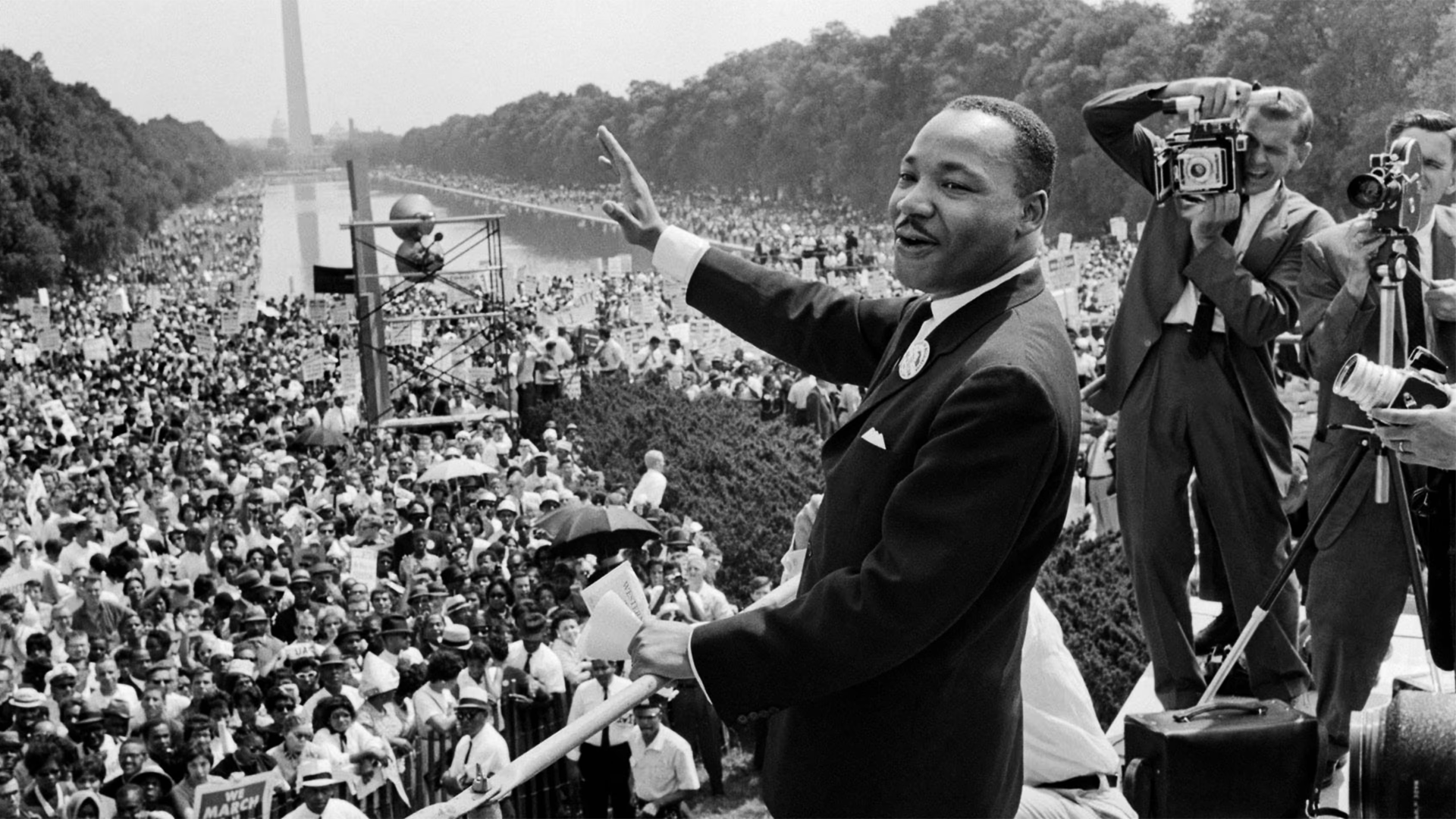
The Civil Rights Movement was a decades-long struggle to end racial segregation, challenge discrimination, and secure equal rights for African Americans.
The Dive
The Civil Rights Movement was more than a moment in history—it was a powerful test of whether the United States would truly live up to its promise of freedom and equality for all. After the Civil War, the 14th and 15th Amendments guaranteed rights on paper, but in reality, Jim Crow laws enforced segregation and denied Black Americans full participation in society. From schools and buses to voting booths, inequality was built into everyday life, especially in the South. For decades, America called itself a democracy, yet millions were excluded. By the mid-20th century, that contradiction could no longer be ignored, and a growing movement made one thing clear: real change would require courage, persistence, and a refusal to accept injustice as normal.
The modern Civil Rights Movement gained momentum in 1954 with the landmark Supreme Court case Brown v. Board of Education. This decision declared that segregated schools were inherently unequal, striking at the legal foundation of segregation. But the ruling didn't just instantly change people’s beliefs or behaviors. In many places, there was strong resistance. It became clear that these legal victories needed to be supported by action and by people willing to stand up and demand that those rights be enforced.
That action came in many forms, often led by ordinary people doing extraordinary things. On March 2, 1955, a 15-year-old student named Claudette Colvin was arrested for refusing to give up her seat on a segregated bus in Montgomery, Alabama. Her courage laid the foundation for a movement that would change the course of American history. Months later, Rosa Parks made the same brave decision, again in Montgomery. Her arrest became the spark that ignited the Montgomery Bus Boycott, a year-long protest that demonstrated the power of organized, nonviolent resistance. Thousands of Black citizens refused to ride the buses, creating carpools, walking long distances, and applying steady economic pressure until the Supreme Court ruled that segregated seating was unconstitutional. Together, these acts of defiance didn’t just change transportation, they proved that ordinary people, standing together, could challenge injustice and create lasting change.
Leaders like Martin Luther King Jr. helped shape the movement’s strategy, but his influence went far beyond speeches. As a founder of the Southern Christian Leadership Conference (SCLC), King worked to organize coordinated, nonviolent campaigns across the South—bringing national attention to places like Birmingham and Selma, where local injustices were often ignored. Inspired by the philosophy of nonviolence practiced by Mahatma Gandhi, King believed that peaceful protest could reveal the moral failure of segregation to the entire country. When protestors were met with violence, it forced Americans watching on television to confront the reality of racism in a way that could no longer be denied.
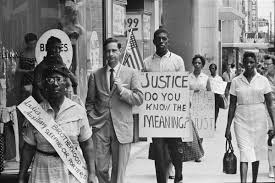
The movement was powered by networks of ordinary people who refused to accept the status quo. Organizers like Ella Baker pushed back against top-down leadership, arguing that lasting change came from empowering local communities. She helped guide the creation of the Student Nonviolent Coordinating Committee (SNCC), which became one of the most important youth-led groups in the movement. Students across the South took enormous risks, sitting at “whites-only” lunch counters in places like Greensboro, North Carolina, where they were harassed, beaten, and arrested simply for refusing to leave.
Others joined the Freedom Rides in 1961, traveling on interstate buses to challenge illegal segregation. These activists were attacked by mobs, their buses firebombed, and many were jailed. Yet, new volunteers kept stepping forward. In rural areas, young organizers worked to register Black voters, facing threats from local officials and violent retaliation from white supremacist groups. Many were arrested; some were killed. And still, they continued. This relentless courage—from students, local leaders, and everyday citizens—transformed the Civil Rights Movement from a series of protests into a sustained, national demand for justice.
The courage of these activists was often met with fierce opposition. Images of peaceful protesters being attacked by police dogs, beaten by mobs, or sprayed with fire hoses shocked the nation and the world. These moments revealed a painful truth: the gap between America’s ideals and its reality was wide. But they also forced people to pay attention. Media coverage turned local struggles into national conversations, increasing pressure on political leaders to act.
One of the most powerful moments of the movement came in 1963 during the March on Washington. Over 200,000 people gathered peacefully to demand jobs and freedom. It was there that Martin Luther King Jr. delivered his famous “I Have a Dream” speech, calling for a future where people would be judged not by the color of their skin but by the content of their character. That vision helped push forward major legislation.
In 1964, the Civil Rights Act was passed, outlawing segregation in public places and banning employment discrimination. A year later, the Voting Rights Act of 1965 protected the right to vote by removing barriers like literacy tests. These laws marked huge victories—but they did not come easily. They were the result of years of protest, sacrifice, and determination.
Still, the movement came at a cost. Leaders like Malcolm X and Martin Luther King Jr. were assassinated, reminding the nation how dangerous the fight for justice could be. Yet even in loss, the movement continued. It expanded beyond laws to challenge deeper issues like economic inequality and housing discrimination, leading to the Fair Housing Act of 1968. The Civil Rights Movement reshaped the legal and social landscape of the United States, proving that persistent, collective action can dismantle even the most deeply rooted systems of oppression.
Why It Matters
The Civil Rights Movement reminds us that democracy is not automatic. It must be built, protected, and renewed by each generation. Through courage, sacrifice, and collective action, ordinary people forced the nation to confront its failures and move closer to its ideals. Its legacy challenges us to notice injustice, to speak up even when it’s uncomfortable, and to take responsibility for shaping a more just and equal society. Because in the end, the Civil Rights Movement wasn't just about changing laws, it was about changing what people believe is possible, and that work now belongs to all of us.
?
Why was Brown v. Board of Education such a significant legal victory?
How did grassroots organizing contribute to the success of the Civil Rights Movement?
Why did some political leaders oppose civil rights legislation, and how did they justify their stance?
In what ways did young people shape the direction and energy of the movement?
How can the strategies of the Civil Rights Movement be applied to modern struggles for equality?
Dig Deeper
A look at the Civil Rights Movement in the 1950s and the broader social and political context of the era.
The role of students and young people in advancing the Civil Rights Movement.
Related
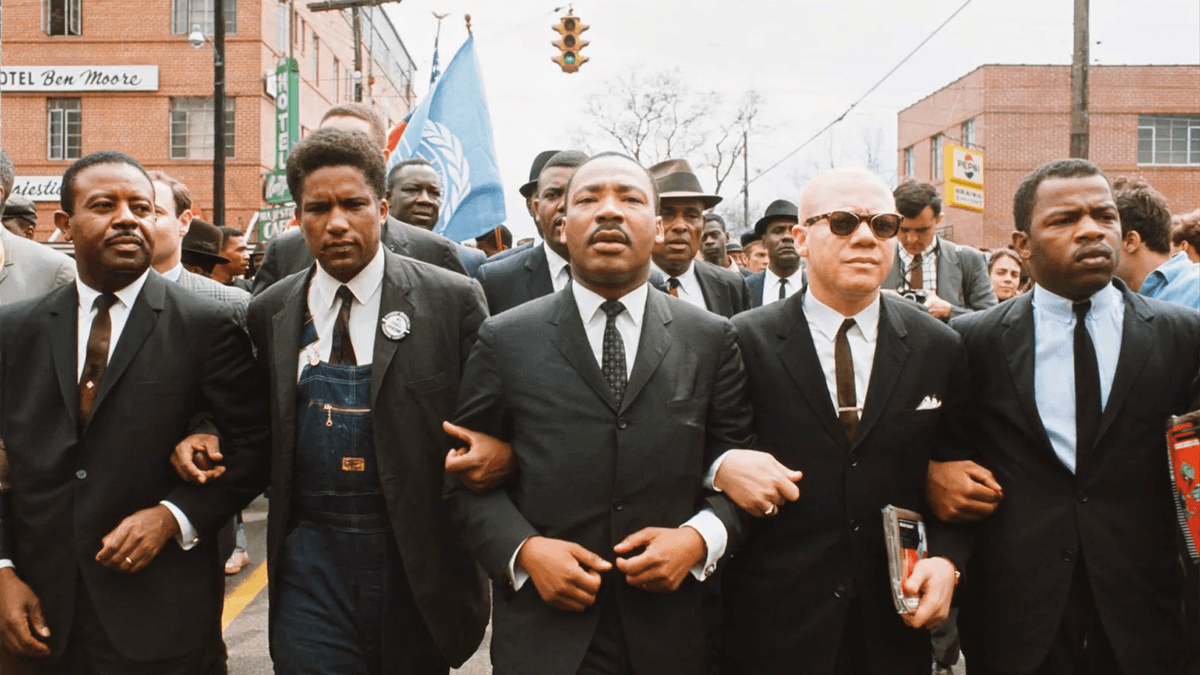
Montgomery Bus Boycott, Greensboro Sit-In, and the Rise of MLK
From Montgomery’s buses to Greensboro’s lunch counters, ordinary citizens ignited extraordinary change — and a new national leader emerged.
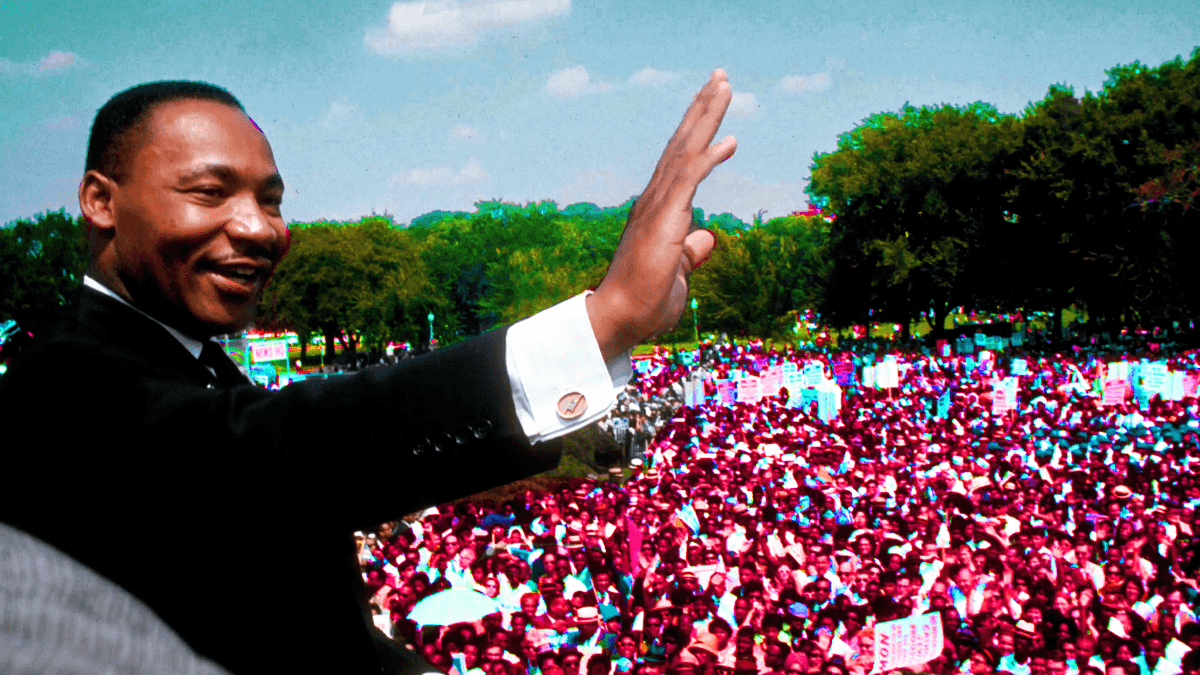
MLK the Disrupter and the Poor People’s Campaign
Dr. Martin Luther King Jr.’s final chapter was about more than civil rights—it was a bold demand for economic justice that challenged the nation’s values at their core.
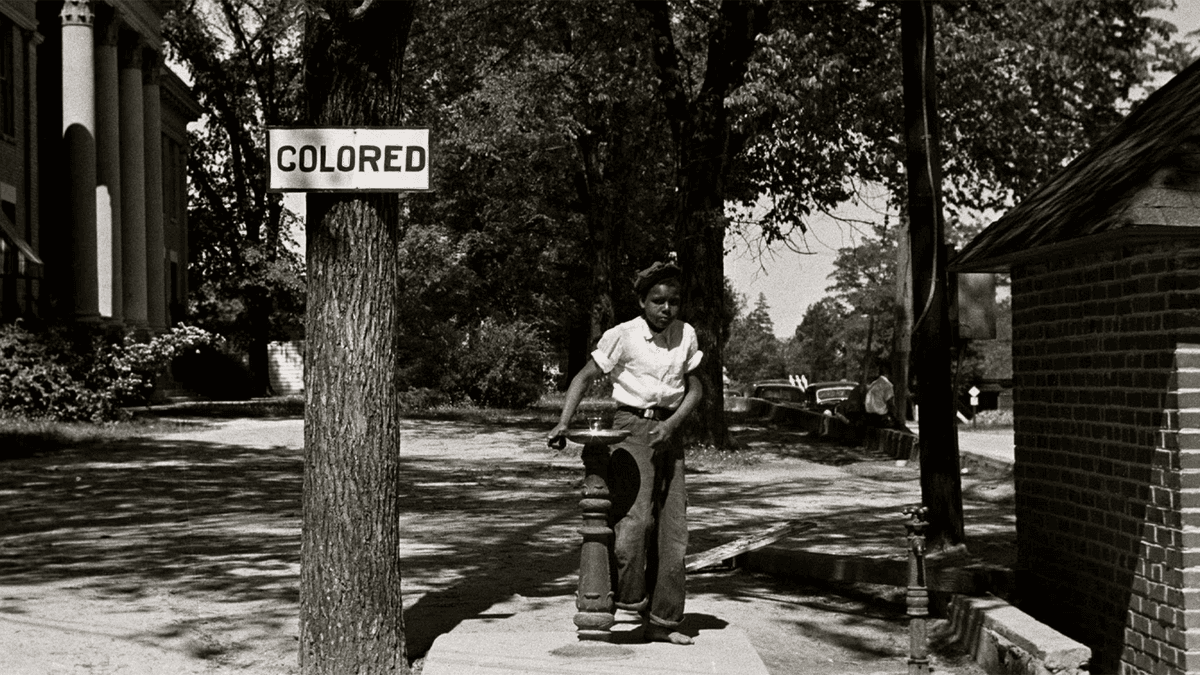
Jim Crow and Plessy v. Ferguson
After Reconstruction, the South built a legal system to enforce racial segregation and strip African Americans of political power. The Supreme Court’s Plessy v. Ferguson decision in 1896 made 'separate but equal' the law of the land—cementing injustice for decades.
Further Reading
Stay curious!