

Jim Crow and Plessy v. Ferguson
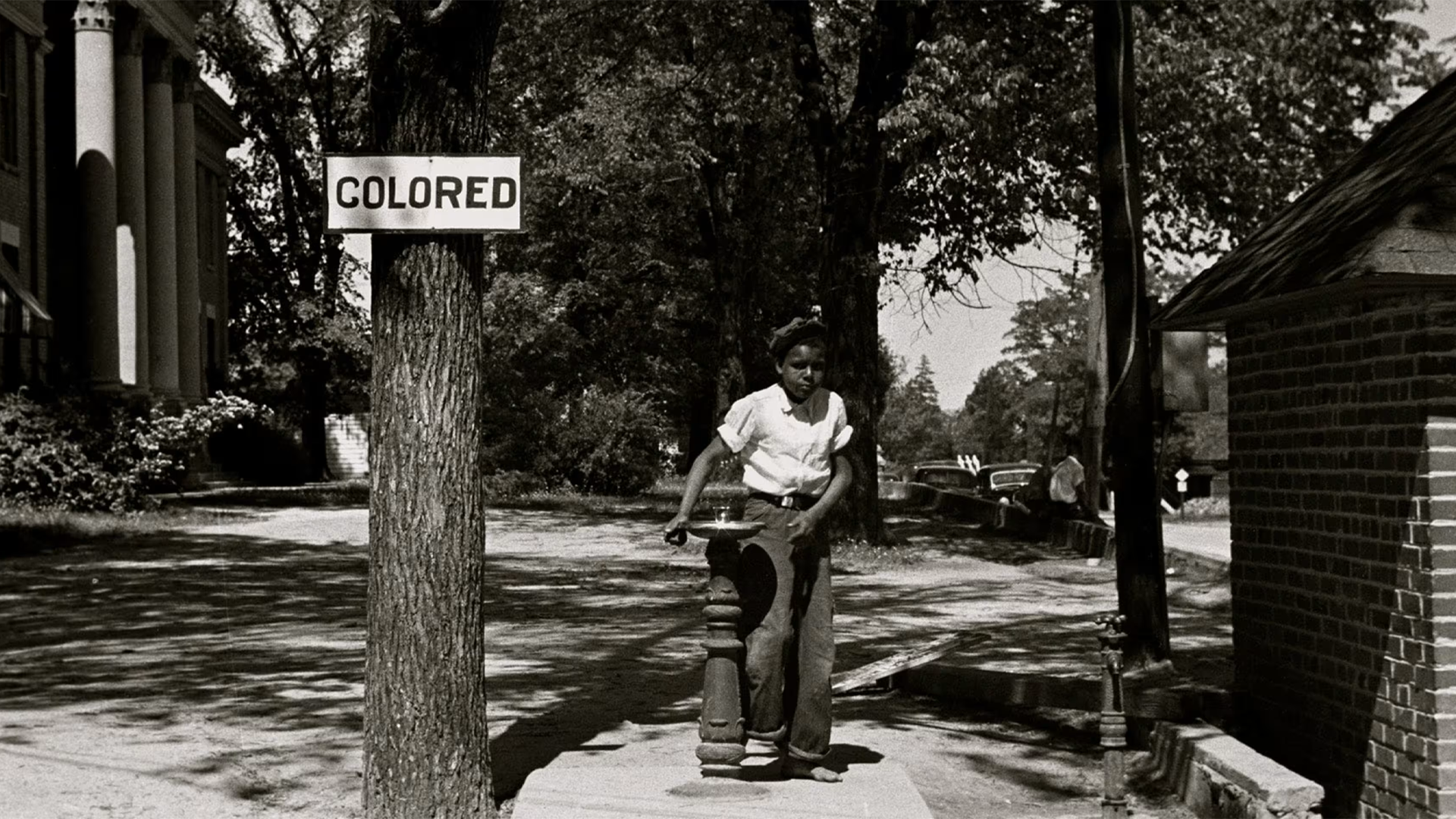
In the late 19th century, southern states codified racial segregation and voter suppression through Jim Crow laws.
The Dive
After the Civil War, the United States promised a new beginning. Slavery had ended, and the Constitution was amended to guarantee freedom, citizenship, and voting rights to formerly enslaved people. But when Reconstruction ended in 1877, those promises were quickly undermined. What followed was the rise of Jim Crow, a system of laws and customs designed to separate, control, and silence African Americans. At the heart of this system was a Supreme Court decision that would shape American life for nearly sixty years: Plessy v. Ferguson.
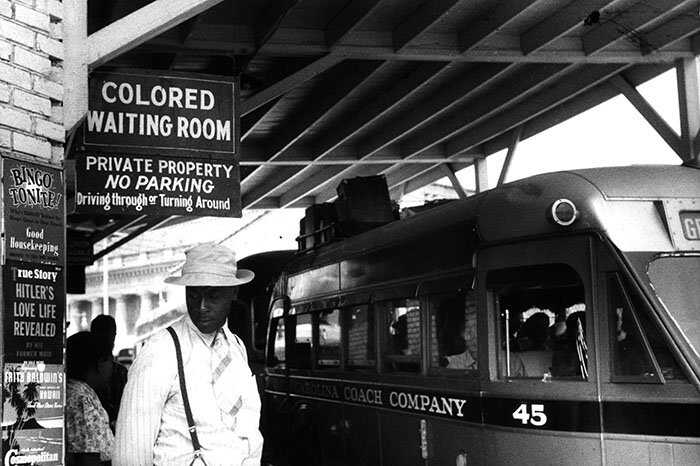
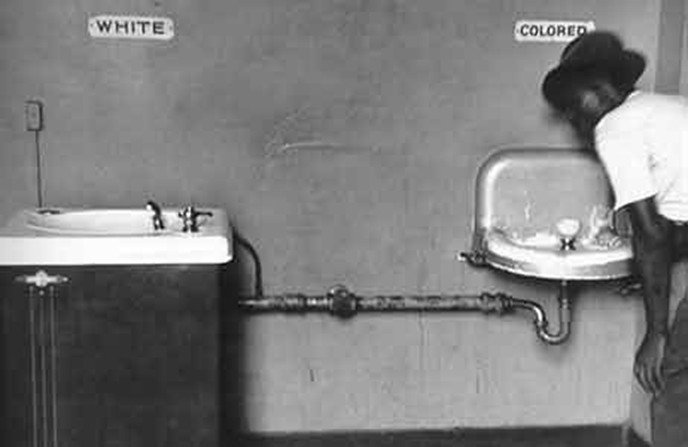
Jim Crow laws spread across the South in the late 1800s. They required racial segregation in almost every part of public life—schools, trains, restaurants, parks, restrooms, and even cemeteries. These laws were enforced by fines, arrests, and violence. But segregation was only one part of the system. Jim Crow was also about political power. States used poll taxes, literacy tests, and grandfather clauses to block African Americans from voting. Even when Black citizens followed the rules, intimidation and terror—often from white supremacist groups—kept them away from the polls.
By the 1890s, Black voter participation in many southern states had collapsed. Jim Crow didn’t just separate people by race; it stripped African Americans of their voice in a democracy that claimed to value equality.
In 1892, a man named Homer Plessy decided to challenge segregation directly. Plessy was a resident of Louisiana and was legally classified as Black, though he was mostly white by ancestry. He boarded a train and sat in a car reserved for white passengers. When he refused to move, he was arrested. His case was carefully planned with the support of civil rights activists who hoped the courts would strike down segregation laws.
Instead, the Supreme Court ruled against him. In 1896, the Court decided that segregation was constitutional as long as facilities were “separate but equal.” This ruling became known as the separate but equal doctrine. In theory, it claimed segregation did not imply inequality. In reality, it legalized discrimination.
The idea that segregated facilities could ever be equal was a legal fiction. Black schools received far less funding than white schools. Public transportation for African Americans was overcrowded and unsafe. Hospitals, housing, and public services were neglected or nonexistent. The law claimed equality, but everyday life proved otherwise.
By upholding segregation, the Supreme Court gave states permission to expand Jim Crow laws even further. The ruling erased much of the progress African Americans had made during Reconstruction and locked racial inequality into the legal system itself.
African Americans did not accept Jim Crow quietly. They built their own schools, churches, newspapers, and businesses. These institutions became centers of education, culture, and resistance. Leaders like Ida B. Wells exposed racial violence through investigative journalism. W.E.B. Du Bois pushed for legal challenges and political activism. Booker T. Washington argued for economic self-sufficiency as a survival strategy. Though they disagreed on tactics, they shared a common goal: dignity, equality, and justice.
Over time, pressure grew to confront segregation in the courts again. In 1954, the Supreme Court reversed course in Brown v. Board of Education, ruling that segregation in public schools was unconstitutional because separate facilities are inherently unequal. This decision began dismantling the legal foundation of Jim Crow, though enforcement required years of struggle and sacrifice during the Civil Rights Movement.
Why It Matters
Jim Crow and Plessy v. Ferguson show us that laws can be used to protect injustice just as easily as they can protect rights. The Supreme Court’s decision in 1896 reminds us that legal authority does not always equal moral truth. Understanding this history helps explain why civil rights movements were necessary—and why vigilance matters in any democracy. Equality does not come from separation. It comes from recognizing shared humanity, holding institutions accountable, and refusing to accept injustice as “just the way things are.” The story of Jim Crow is painful, but it also reveals the power of persistence—and the importance of never confusing legality with justice.
?
How did Jim Crow laws impact everyday life for African Americans in the South?
Why was the 'separate but equal' doctrine inherently flawed?
What role did the Supreme Court play in legitimizing segregation?
How did African American communities resist and adapt under Jim Crow?
What lessons can we draw from the legal and social battles of this era for modern civil rights struggles?
Dig Deeper
Although slavery had ended, this did not mean that Black Americans were entirely free. The Supreme Court's Plessy v. Ferguson decision legally allowed 'separate but equal' practices.
Explores how the Plessy v. Ferguson ruling set the precedent that segregating people by race was acceptable under the Constitution.
Related
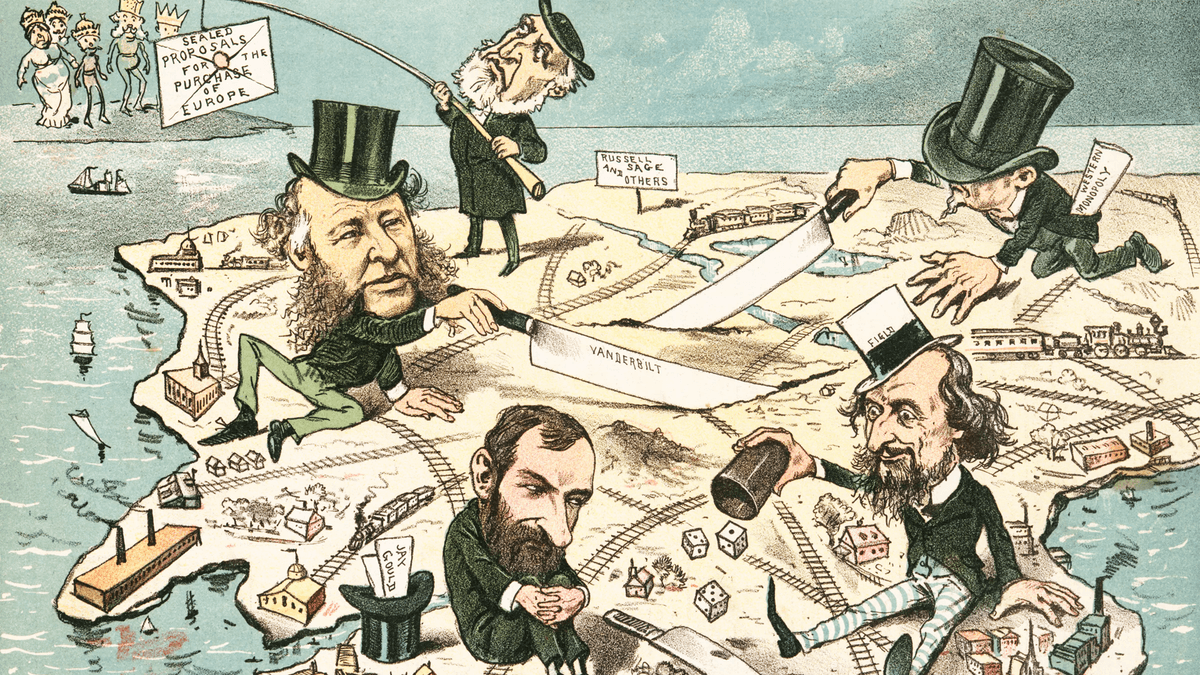
The Gilded Age: Glitter, Growth, and the Cost of Progress
A glittering era of innovation and industry, the Gilded Age promised progress but delivered inequality. In the South, leaders dreamed of a 'New South,' yet industrialization offered opportunity for some while reinforcing systems of poverty and discrimination for others.
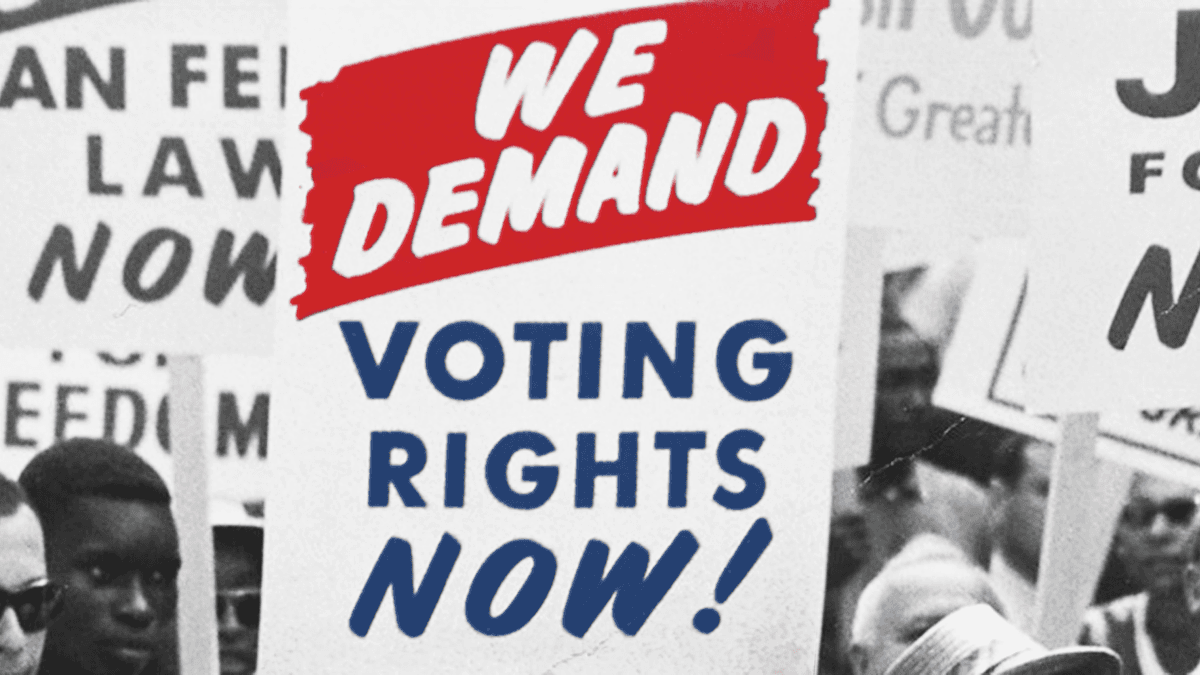
Universal Suffrage in the United States
The right to vote wasn’t handed to everyone—it was fought for, over centuries, by people demanding that democracy actually mean everyone has a voice.
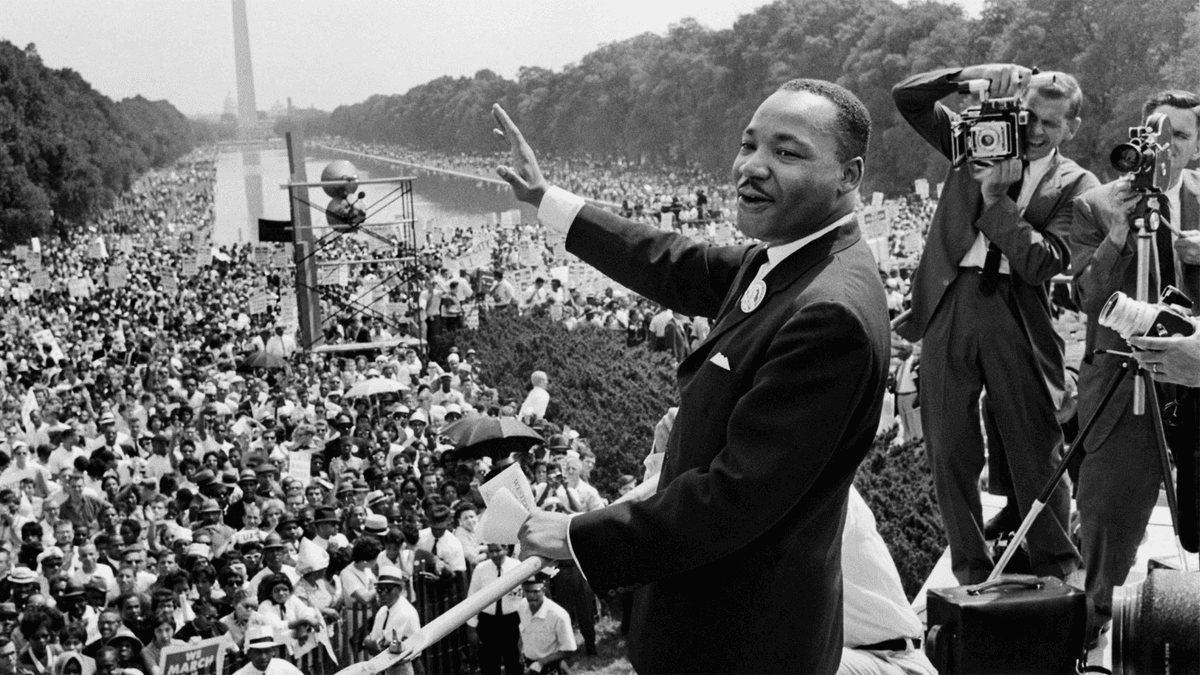
The Civil Rights Movement: Struggle, Solidarity, and Social Change
From classrooms to courthouses, buses to bridges, the Civil Rights Movement reshaped America’s laws — and its conscience.
Further Reading
Stay curious!