

The Emancipation Proclamation & The 13th Amendment
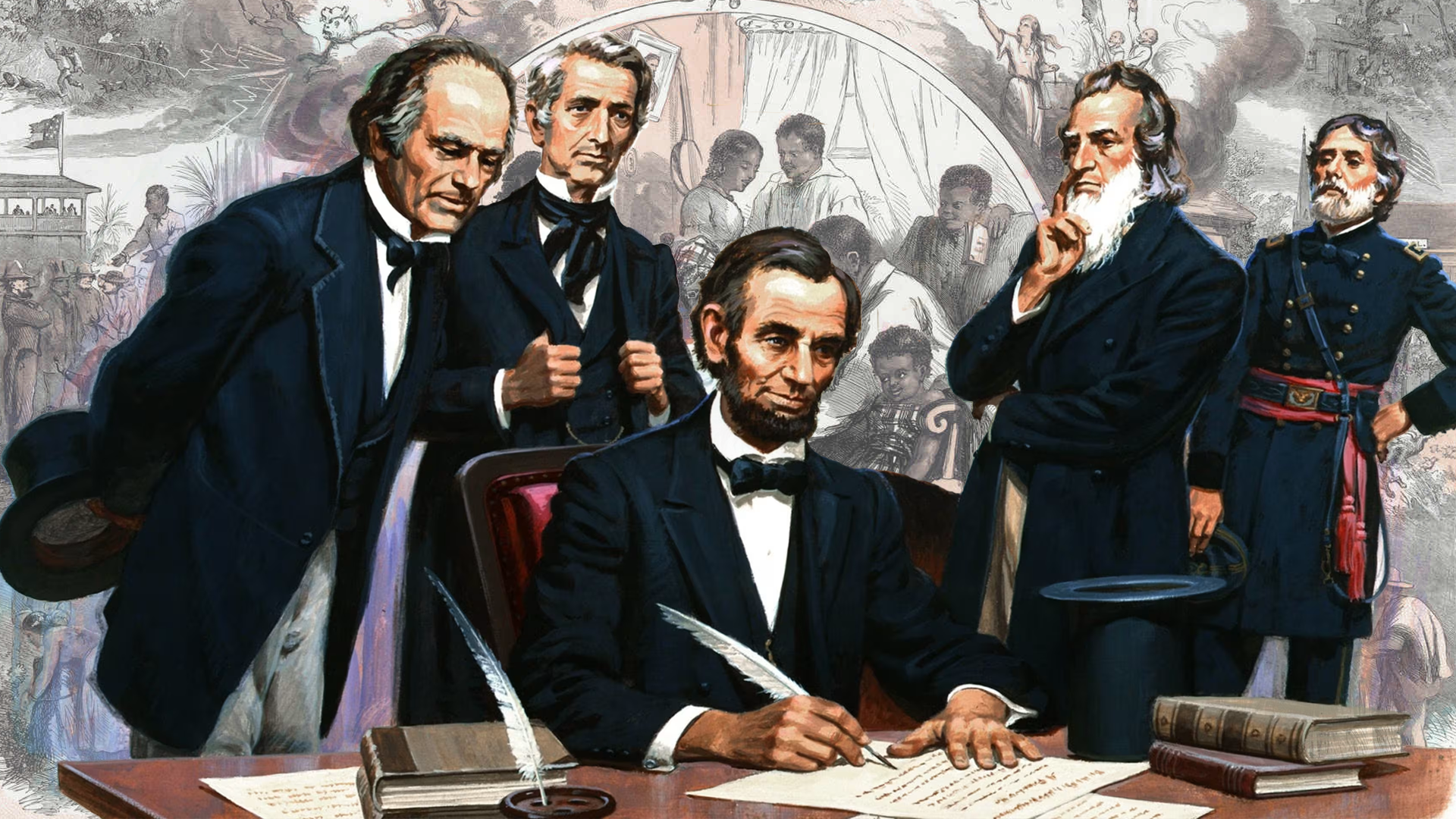
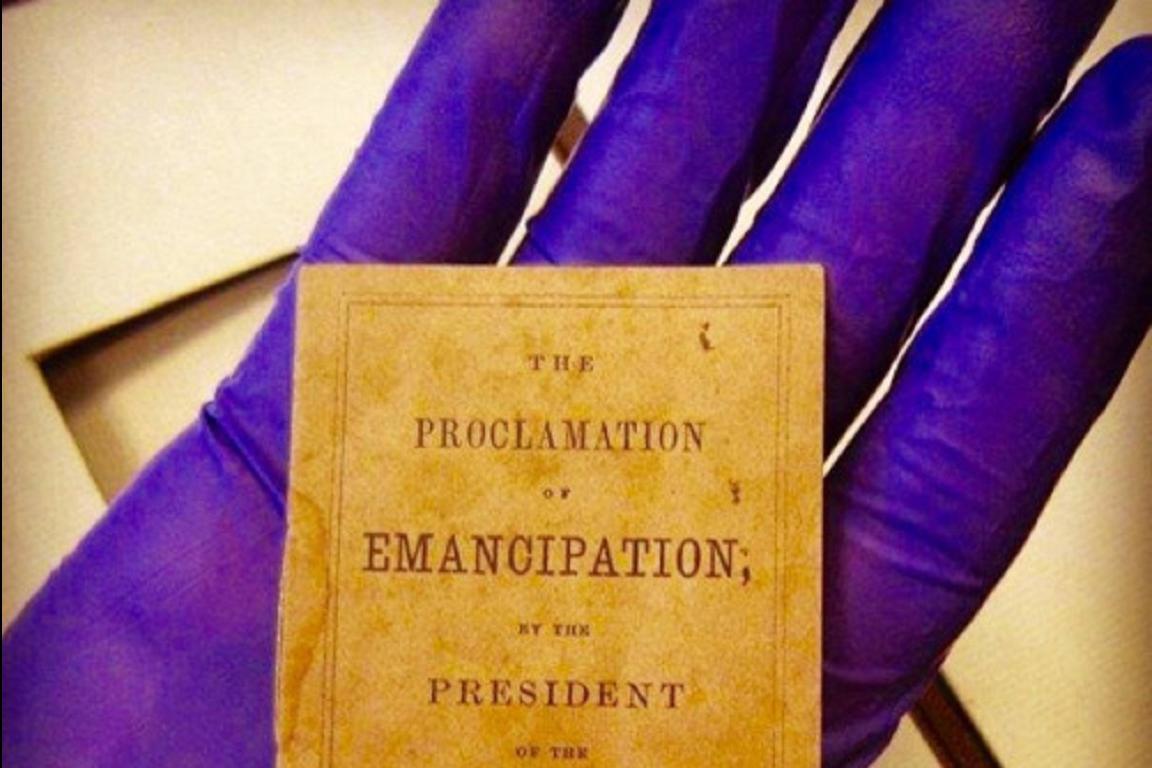
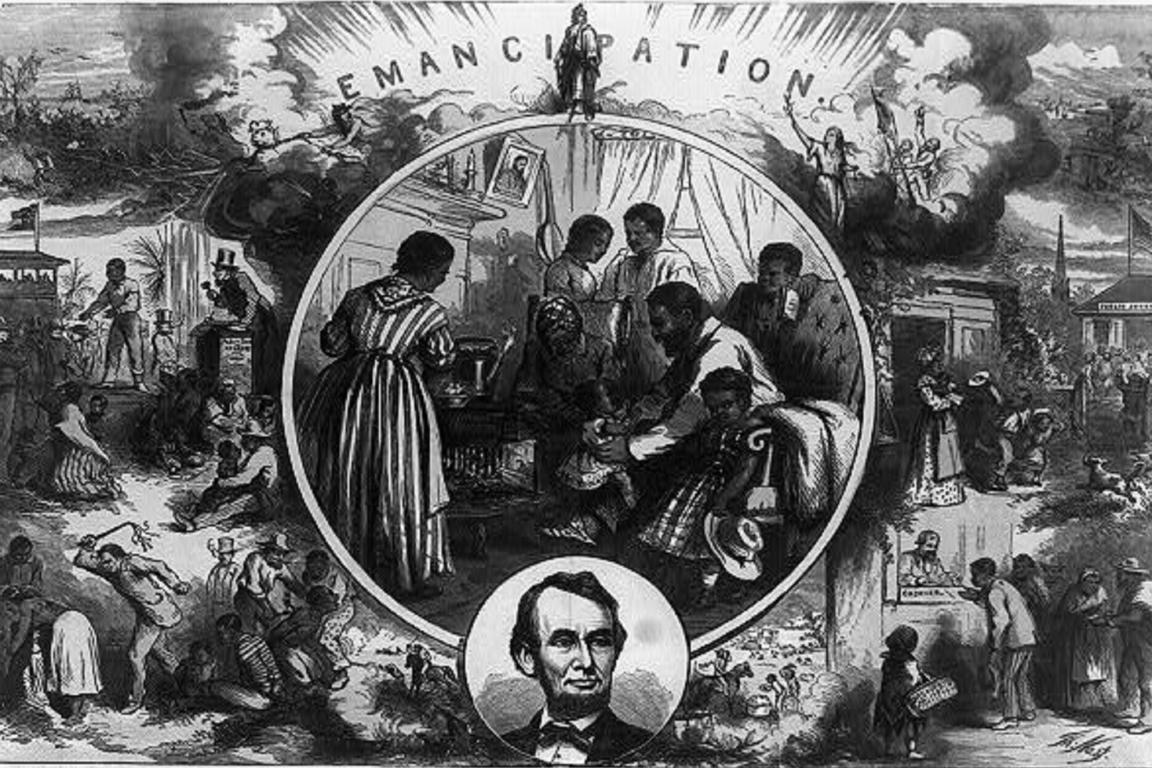
Lincoln’s Emancipation Proclamation declared enslaved people in Confederate states free.
The Dive
By 1863, President Abraham Lincoln understood that preserving the Union was no longer enough. After nearly two years of brutal war, it became clear that slavery was not just a cause of the conflict but the foundation of the Confederate economy and war effort. If the Union hoped to survive as a democratic nation grounded in its founding ideals, it had to confront slavery directly. Ending the institution became both a moral necessity and a strategic imperative.
On January 1, 1863, Lincoln issued the Emancipation Proclamation, declaring that all enslaved people in states still in rebellion against the Union were free. This declaration followed a preliminary warning issued on September 22, 1862, after the Union halted Confederate forces at the Battle of Antietam. The proclamation reframed the Civil War as a fight not only to save the Union, but to destroy slavery.
The Emancipation Proclamation was limited in scope because Lincoln issued it as a wartime measure under his powers as commander in chief. It applied only to Confederate-controlled territory and excluded border states and Union-occupied areas, where Lincoln believed he lacked constitutional authority to interfere with slavery. While this limitation frustrated abolitionists, it ensured the proclamation would survive legal and political challenges during the war.
Even before it could be enforced everywhere, enslaved people responded. News of emancipation spread through word of mouth, Black churches, and Union soldiers. Many enslaved people fled plantations, refused forced labor, sabotaged Confederate operations, or sought protection behind Union lines. These acts accelerated the collapse of slavery from within.
Emancipation weakened the Confederate war effort in multiple ways. Enslaved labor had sustained Southern agriculture, industry, and military logistics. As enslaved people withdrew their labor or escaped, Confederate food production and supply lines faltered. At the same time, formerly enslaved people provided the Union with labor, intelligence, and military service, shifting the balance of power on the ground.
The proclamation also transformed international perceptions of the war. By making abolition a central war aim, the Union framed the conflict as a struggle against slavery. This moral clarity made it politically impossible for Britain or France to support the Confederacy, since both nations had abolished slavery and faced strong anti-slavery public opinion at home. Supporting the South would have meant defending slavery on the world stage.
Emancipation opened the door for African Americans to serve in the Union military. Nearly 200,000 Black soldiers and sailors ultimately fought for the Union, providing critical manpower at a turning point in the war. Their service challenged racist assumptions, strengthened the Union Army, and made emancipation irreversible by tying freedom directly to military victory.
Despite its impact, the Emancipation Proclamation was not a permanent solution. It was a wartime executive order that could be undone once the conflict ended. To ensure slavery was abolished forever, Congress passed the 13th Amendment in January 1865, and it was ratified in December of that year. The amendment permanently outlawed slavery and involuntary servitude throughout the United States.
Freedom, however, did not guarantee equality. Formerly enslaved people faced immediate challenges such as finding paid work, reuniting families separated by slavery, and surviving in a society that remained hostile and unequal. Southern states enacted Black Codes to control Black labor and restrict movement, revealing how deeply slavery’s legacy was embedded in American life even after its legal abolition.
The 13th Amendment itself contained a critical limitation: it allowed involuntary servitude as punishment for a crime. This exception enabled systems like convict leasing and prison labor to emerge, often targeting African Americans through discriminatory laws. Even so, emancipation aligned with America’s founding ideals. Freed people built churches, schools, and mutual aid networks, claiming dignity, autonomy, and community. Freedom was fragile, but it was now expanded by those who had been denied it for generations.
Why It Matters
The Emancipation Proclamation and the 13th Amendment reveal both the power and the limits of transformative change. Slavery was abolished as a legal institution, but prejudice and inequality did not disappear. Emancipation altered the law, yet justice required continued struggle beyond the battlefield and the Constitution. These milestones forced the nation to confront the distance between its founding ideals and its lived reality. They remind us that freedom is not secured in a single moment, but built over time through courage, resistance, and each generation’s willingness to confront unfinished work.
?
Why did the Emancipation Proclamation only apply to Confederate states and not the entire country?
How did African Americans contribute to the Union’s war effort after the proclamation?
What were the immediate challenges faced by formerly enslaved people after emancipation?
In what ways did the 13th Amendment both fulfill and fall short of America’s ideals?
How did the Black Codes attempt to limit the freedoms granted by emancipation?
Dig Deeper
Lincoln faces an extreme amount of backlash when drafting the Emancipation Proclamation to free slaves in the Confederate states.
Lincoln develops and enacts a permanent plan to abolish slavery.
Liza Jessie Peterson discusses how prison labor continues forms of exploitation rooted in slavery.
Related
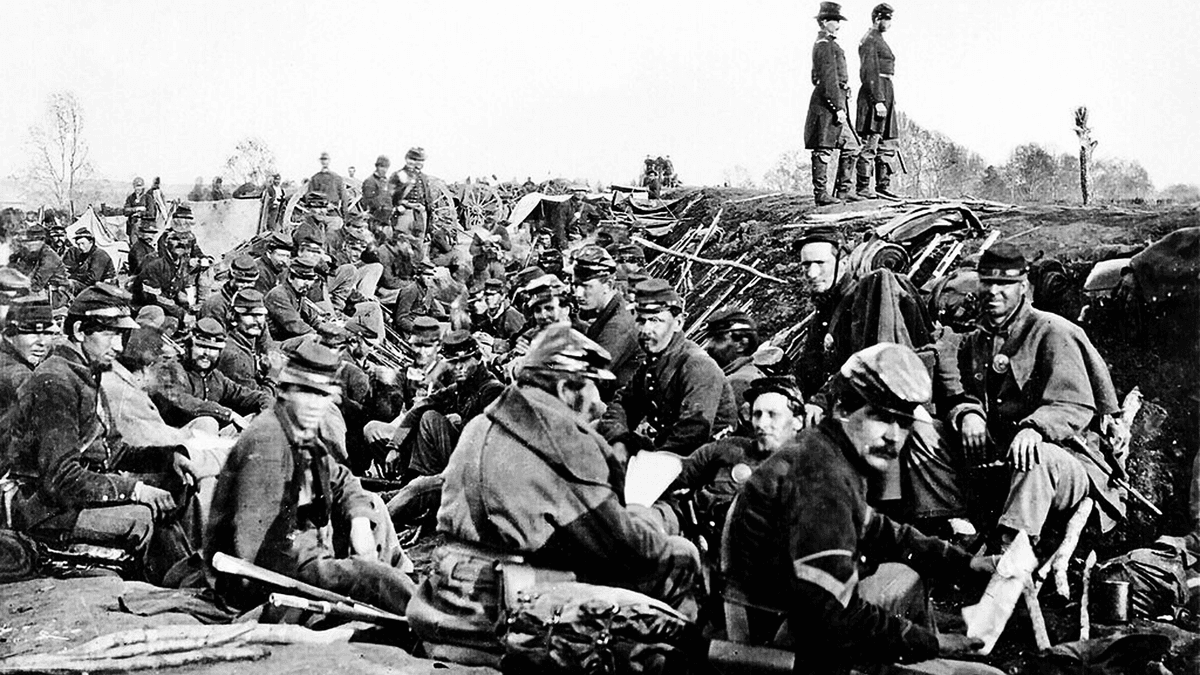
The American Civil War – A Nation Torn Apart
From Fort Sumter to Appomattox, the Civil War was the deadliest conflict in U.S. history, fought over the nation's most profound moral and political divisions.
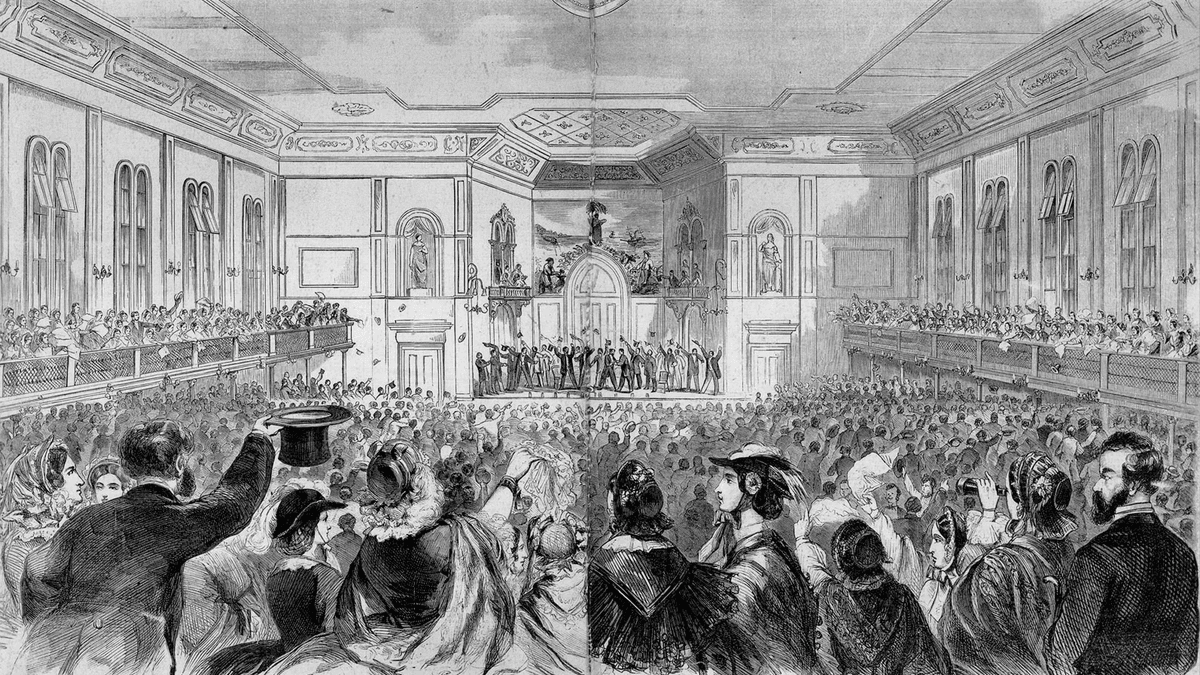
North Carolina’s Road to Secession
Why a state known for hesitation became a decisive force in the Confederacy.
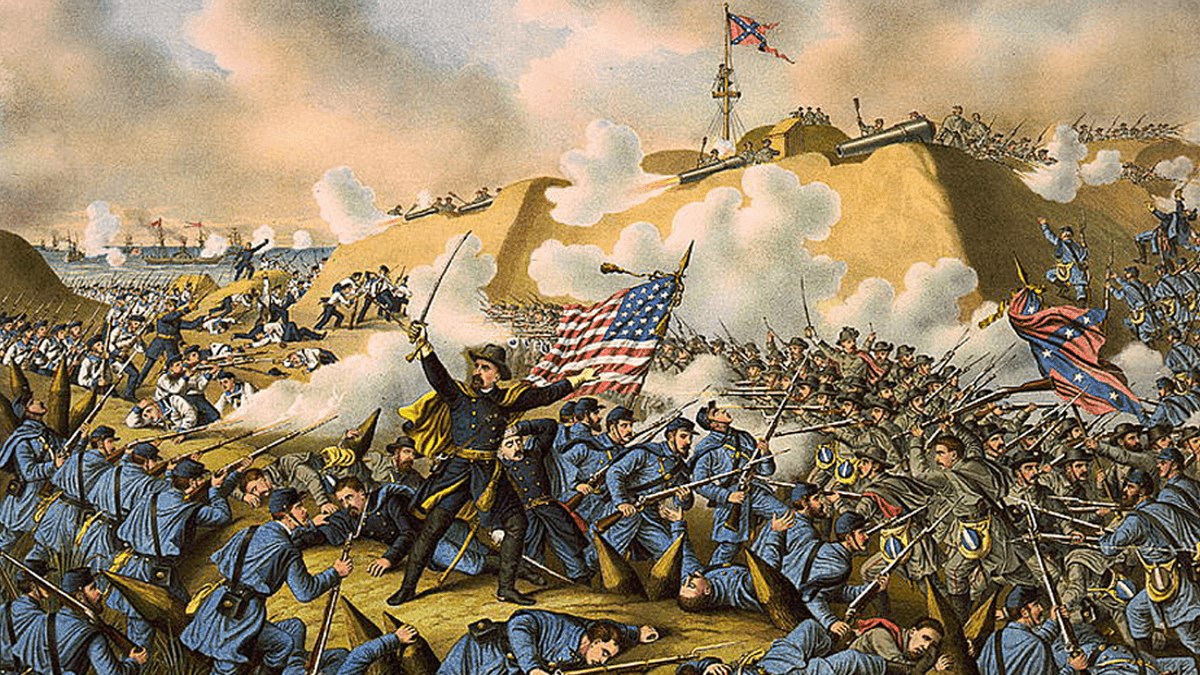
The American Civil War & North Carolina’s Role (1861–1865)
A nation divided, a state conflicted, and four years that reshaped American life forever.
Further Reading
Stay curious!