

North Carolina’s Road to Secession

The Dive
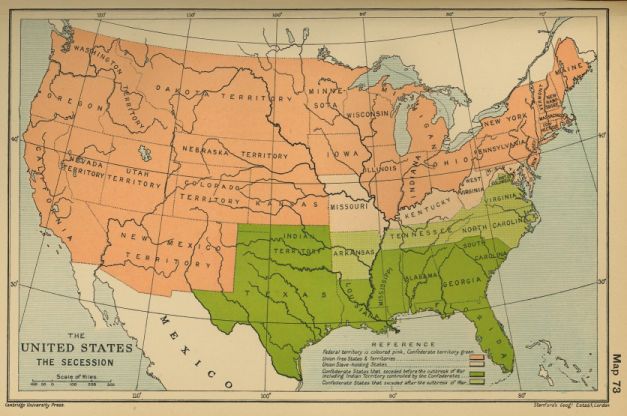
North Carolina’s road to secession was a tense, winding road shaped by hesitation, disagreement, and fear about what the future would hold. Unlike South Carolina, which immediately left the Union after Abraham Lincoln was elected, North Carolina chose a cautious “Watch and Wait” approach. Many white residents supported slavery but believed the Constitution protected their rights better than a brand-new Confederate government would. This left the state torn between staying loyal to the Union and defending an economic and social system built on slavery.
To understand why North Carolina was so reluctant, you have to look back to the 1830s and 1840s. During these times, the state tried to shake off its slow-moving “Rip Van Winkle” reputation by improving schools, transportation, and the state constitution. These changes helped connect the state and grow the economy, but they also intensified political rivalries. Whigs and Democrats constantly argued over how to protect slavery, each claiming their strategy was the only way to defend southern rights.
Even as North Carolina modernized, it remained deeply tied to slavery. Railroads connected towns, textile mills and gold mines appeared, and new businesses grew, but agriculture still ruled the economy. Cotton and bright leaf tobacco expanded quickly, and both relied heavily on enslaved labor.
North Carolina’s social structure further complicated attitudes toward secession. A small elite group of plantation owners held most of the wealth and political power, shaping the state’s debates and decisions, even though they only made up a tiny portion of the population. Below them was a large middle class of small farmers, craftsmen, and merchants, many of whom admired the elite and hoped to become like them. Poor whites, though landless and struggling, supported slavery because the racial hierarchy placed them above enslaved people. Meanwhile, nearly 31,000 free Black North Carolinians lived under harsh laws that restricted their freedom. For the enslaved population (almost one-third of the state) life meant constant labor, family separation, and control by white authorities. This system made slavery the central issue shaping nearly every political decision.
National events pushed tensions even higher. Debates over the Missouri Compromise, the Mexican-American War, the Wilmot Proviso, and the Compromise of 1850 forced North Carolinians to confront the question of whether slavery would spread westward. As the Whig Party collapsed and the Republican Party gained power, many southerners began to distrust the federal government. Moments like the Dred Scott decision and John Brown’s raid on Harpers Ferry convinced many white southerners that abolitionists were becoming a serious threat.
By the late 1850s, North Carolina was split. Unionists wanted to stay in the United States and find a peaceful solution, while secessionists believed leaving the Union was the only way to protect slavery. Lincoln’s election in 1860 deepened the divide. Even though his name didn’t appear on North Carolina’s ballot, his victory made many white southerners fear that their political power was fading. Still, the state held back from secession and chose to wait—at least for a little longer.
Everything changed after April 12, 1861, when Confederate forces fired on Fort Sumter. When Lincoln called for volunteers to crush the rebellion, North Carolina refused to send troops to fight other southern states. People who had opposed secession suddenly switched sides, unwilling to take up arms against their neighbors. Public opinion changed almost instantly, and state leaders acted quickly. On May 20, 1861, North Carolina voted to secede from the Union and joined the Confederacy the next day. The state that had hesitated the longest soon contributed more soldiers per person than any other Confederate state.
Why It Matters
North Carolina’s road to secession reveals the complex interplay of fear, loyalty, ambition, and identity. It shows how decades of political debates, economic development, racial hierarchy, and national crises slowly eroded faith in the Union. When the final spark ignited at Fort Sumter, a reluctant state made a momentous choice—one that would reshape its future and leave scars that still echo through its history. North Carolina’s long, conflicted path to secession illustrates the power of political fear, social hierarchy, and economic interests in shaping historic decisions. Understanding this story helps us see how ordinary people, lawmakers, and communities wrestled with loyalty, identity, and moral responsibility during one of the most divisive moments in American history. It reminds us that democracy is fragile, polarization is dangerous, and the choices states make under pressure can alter the course of the entire nation.
?
Why did North Carolina hesitate to secede when so many neighboring states left almost immediately?
How did economic interests—especially slavery—shape political decisions in the state?
Which social class had the most influence over North Carolina’s decision to secede, and why?
How did national events like John Brown’s raid or the Dred Scott decision affect North Carolinians’ views?
Do you think North Carolina would have seceded without Lincoln’s call for troops after Fort Sumter? Why or why not?
Dig Deeper
An accessible overview of North Carolina’s shifting political climate and its reluctant but definitive move toward secession.
Related
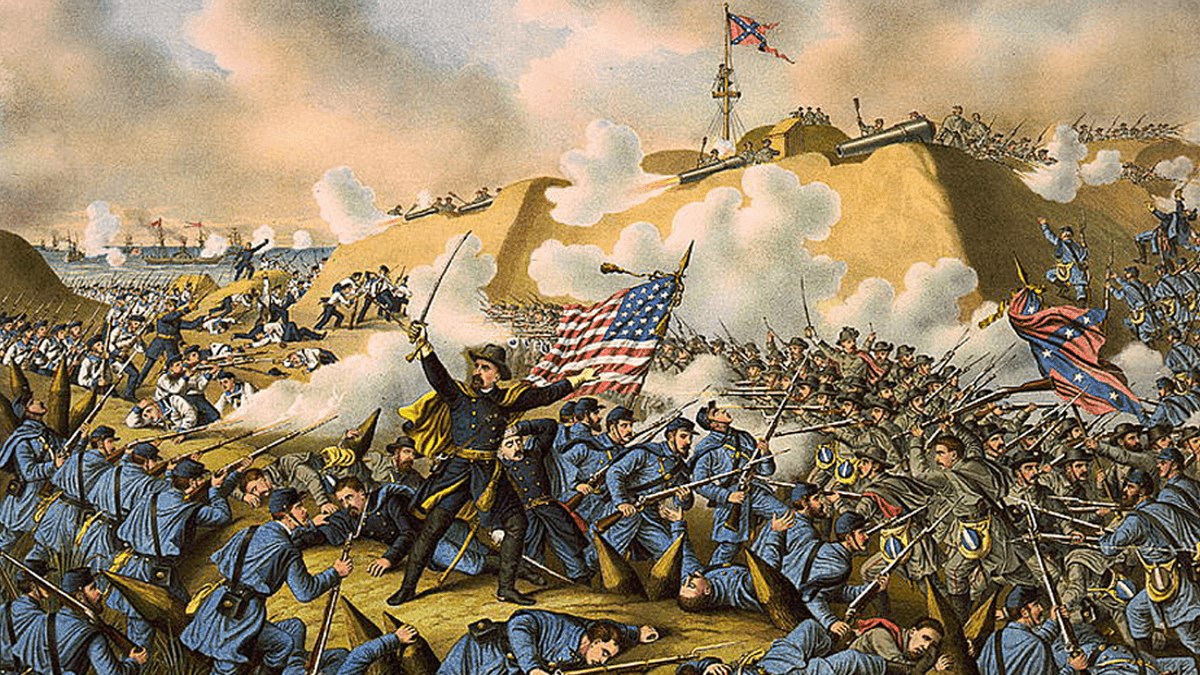
The American Civil War & North Carolina’s Role (1861–1865)
A nation divided, a state conflicted, and four years that reshaped American life forever.
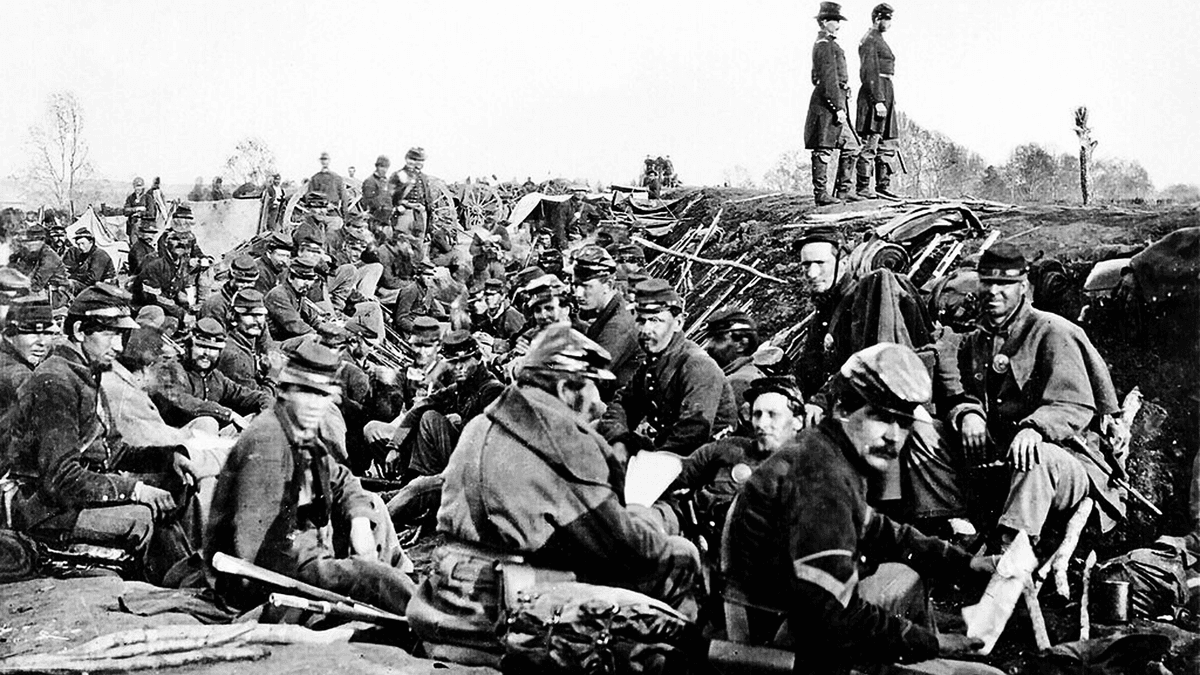
The American Civil War – A Nation Torn Apart
From Fort Sumter to Appomattox, the Civil War was the deadliest conflict in U.S. history, fought over the nation's most profound moral and political divisions.
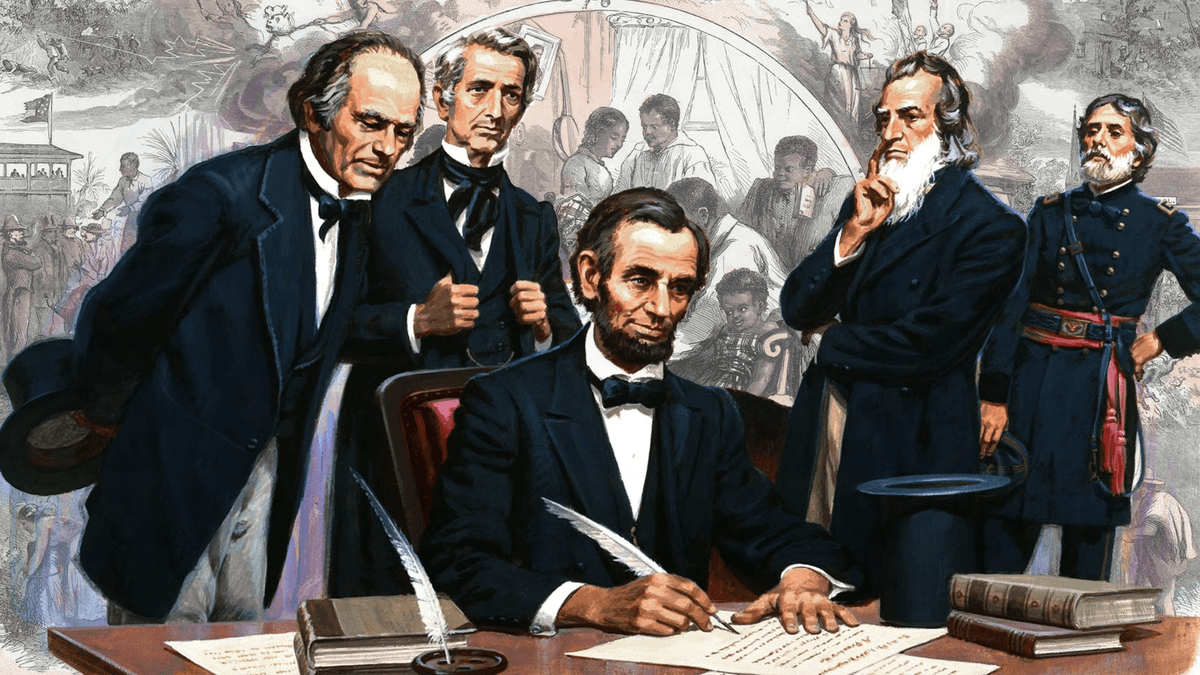
The Emancipation Proclamation & The 13th Amendment
Freedom on paper is one thing; freedom in practice is another. The Emancipation Proclamation and the 13th Amendment were giant leaps toward liberty—yet the road ahead for formerly enslaved people was long and uneven.
Further Reading
Stay curious!