
Mutual Aid: Helping Each Other, Building Power
The Dive
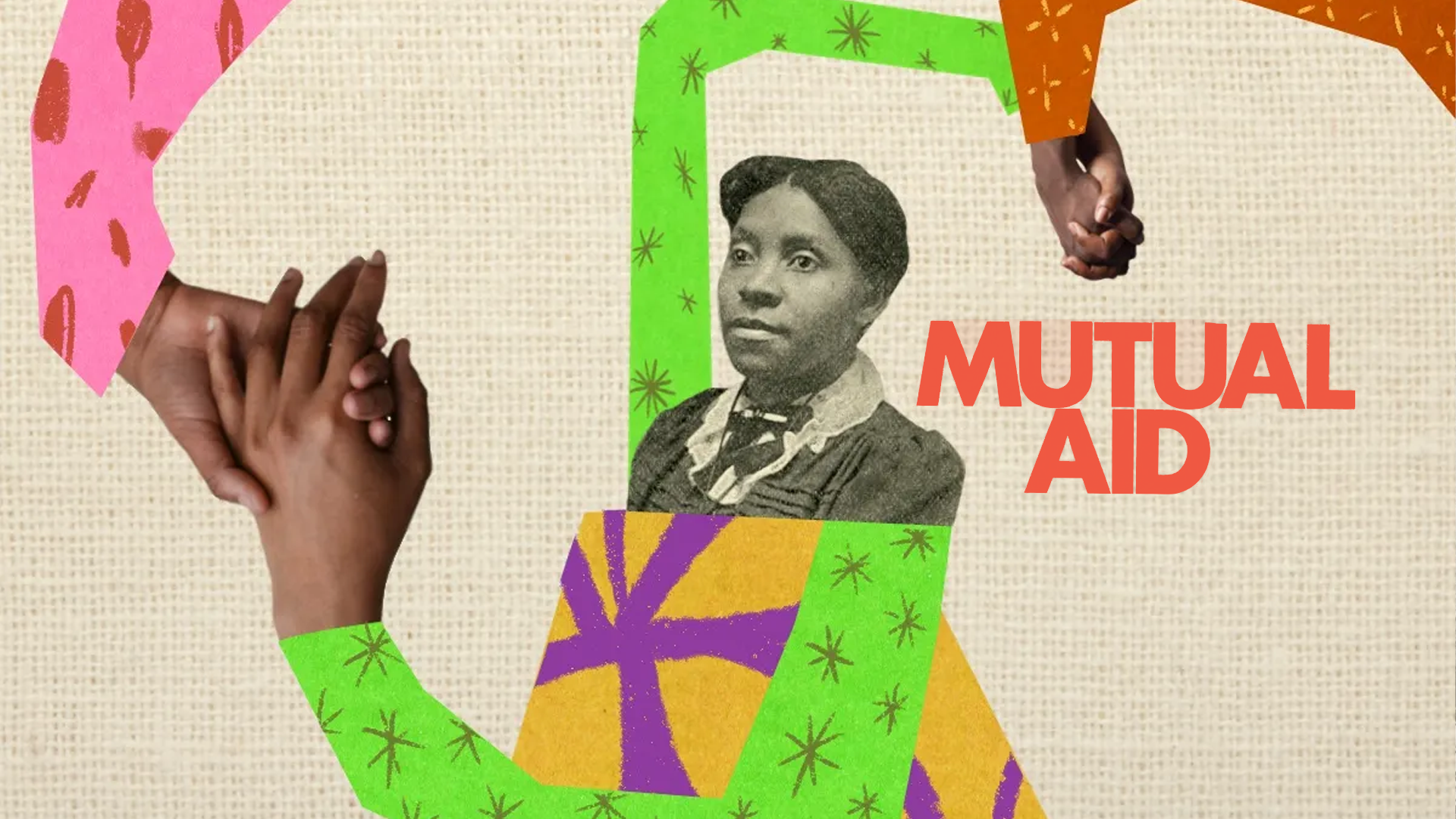
Mutual aid starts with a simple idea: people survive and thrive better when they help each other, not just themselves. It describes any system where community members voluntarily share resources, skills, and time so that everyone’s basic needs are more likely to be met. That might look like neighbors checking on elders during a heat wave, parents trading childcare, or an entire city organizing food distribution after a storm. There is no profit motive and no “customer.” Instead, people both give and receive at different times, recognizing that everyone’s well-being is connected.
It’s important to understand that mutual aid is different from charity. Charity often works like a one-way street: those who “have” give to those who “have not,” usually with the people in charge deciding who is worthy of help and under what conditions. Mutual aid is more like a circle. The people facing the hardest conditions are directly involved in shaping the response. It is about solidarity, not pity. When a mutual aid group sets up a free store, runs a community fridge, or organizes rides to clinics, they are not just “doing good deeds”—they are building relationships and systems that say, “We take care of us,” especially when official institutions fail or ignore them.
History is full of mutual aid, even when it wasn’t called that. In 1969, the Black Panther Party launched its Free Breakfast for Children Program in Oakland, California. What started as one program grew rapidly; the Panthers fed thousands of kids before school and eventually ran dozens of free food programs around the country. Parents, volunteers, and community members cooked, served, and organized. The FBI considered these programs dangerous—not because they were violent, but because they were effective. They showed what it looked like for a community to meet its own needs and demand more. In response, the federal government eventually created its own school breakfast programs, proving that mutual aid can push policy to catch up with what people actually need.
Mutual aid is also a living practice in modern cities. Take neighborhoods where residents organize to support unhoused and low-income neighbors with food, water, warm clothing, cooling supplies, hygiene items, and harm-reduction tools like clean needles and Narcan. Volunteers don’t just drop off donations and leave. They talk with people, ask what they actually need, and invite them into the organizing process. Over time, new leaders emerge from the community itself. People who once only received support begin to co-run the work, plan strategies, and advocate for broader change. Mutual aid becomes both survival support and political education.
The idea of mutual aid also has deep roots in political and scientific thought. Russian thinker Peter Kropotkin argued that cooperation, not constant competition, is a major force in evolution. Looking at animals and human history, he saw countless examples of species and communities surviving because they helped each other: wolves hunting together, birds sharing information about food, medieval guilds and village networks organizing shared tools, labor, and care. Kropotkin believed humans have a natural tendency toward cooperation and that people had been practicing mutual aid long before modern governments existed. He wrote his book *Mutual Aid* partly as a response to thinkers who claimed that “survival of the fittest” meant people should always compete, even if it left many behind.
For Kropotkin and for many modern organizers, mutual aid isn't just a kindness, it’s a critique of systems that leave people struggling in the first place. When communities step in to provide food, rent support, medical access, or emergency supplies, they're not only filling gaps; they are exposing those gaps. They're asking: Why are so many people hungry in a wealthy society? Why are so many people denied access to medical care? Mutual aid often becomes a starting point for bigger conversations about injustice and what needs to change.
In times of crisis, mutual aid can mean the difference between isolation and survival. During pandemics, people have used mutual aid to deliver groceries to those who cannot safely leave home, raise emergency funds for rent and medicine, and check in on neighbors stuck alone. After hurricanes, fires, or floods, community-based groups often arrive with supplies and support faster than official agencies. Because these groups are built on local relationships and trust, they are able to respond quickly and stay engaged long after the news cameras leave. The more these networks exist before disaster strikes, the stronger and more resilient a community becomes.
Why It Matters
Mutual aid shows that ordinary people are not powerless. When systems fail or move too slowly, communities can and do step in to protect one another. It strengthens local relationships, builds skills, and helps people see the connections between personal struggles and larger injustices. It is both a survival strategy and a way of imagining a different kind of society, one where cooperation, not competition, is the default. Mutual aid offers a way to turn worry and anger about the world into concrete action: feeding people, checking on neighbors, organizing resources, and learning how to work together for long-term change. At its core, it says our lives are intertwined. It rejects the idea that we're on our own and insists that cooperation isn't weakness, but strength. When we share resources, make decisions together, and show up for our community, we're not just being “nice.” We're building power.
?
What examples of mutual aid have you seen in your own life, even if nobody called it that?
How is mutual aid different from charity, and why does that difference matter for social justice?
In a crisis (like a natural disaster or pandemic), what could a small mutual aid group in your neighborhood realistically do?
How might participating in mutual aid change the way you think about politics, power, and community?
What skills—like cooking, organizing, translating, or tech work—could you contribute to a mutual aid project right now?
Dig Deeper
A clear introduction to how mutual aid projects help people meet their needs while building community power and organizing for change.
Related
The Right to Protest & Civil Disobedience: How Activism Shapes Democracy
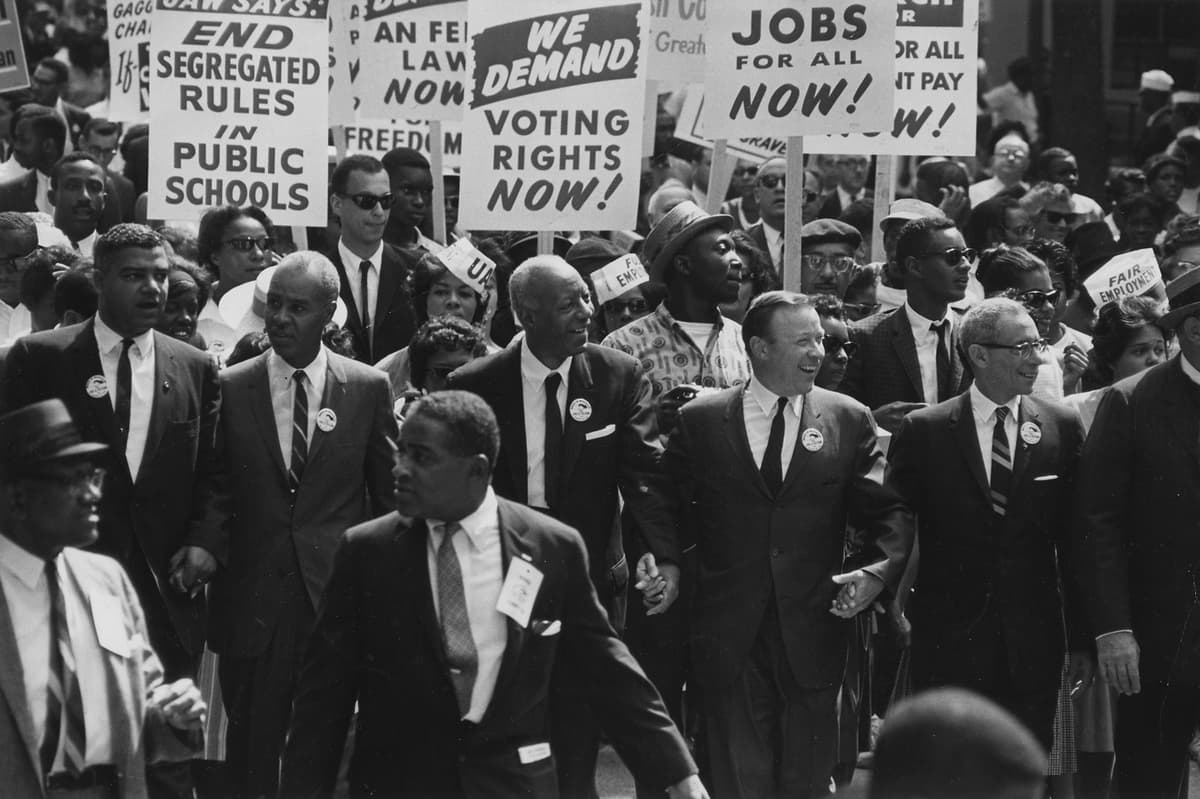
From labor strikes to mass demonstrations, activism has been the engine of social change. But what makes a movement successful? This deep dive explores the different roles in activism, the power of civil disobedience, and why protests are essential to democracy.
What Is Community?
Community is more than just a place on a map—it’s people, relationships, and the daily actions that tie our lives together.
What Is Civics?
Civics is the study of how citizens participate in democracy—and why their participation matters.
Further Reading
Stay curious!