
What Is Community?
Communities provide belonging, identity, support, and services.
The Dive
If you ask ten people to define “community,” you’re likely to get at least twelve different answers. For some, community is a physical place: a neighborhood, a town, a school campus, or a small rural area where everyone seems to know everyone else. For others, community is about shared identity or interest, like a religious congregation, a sports fan base, an activist group, or an online forum. Scientists even use the word to describe groups of living things—plants, animals, and microorganisms—that depend on one another to survive in the same environment. What all of these meanings share is a sense of connection and interdependence: people (or living things) whose lives are linked in ways that matter.
Traditionally, we’ve described communities in geographic terms: urban, suburban, and rural. An urban community is densely populated, packed with tall buildings, busy streets, and layers of neighborhoods. Suburban communities, usually just outside big cities, have more space, single-family homes, and people who often commute into the city for work. Rural communities, sometimes simply called “the country,” spread people out over large areas, with land often used for farming or natural resource work. These places look and feel very different, but each one contains networks of relationships, institutions, and shared routines that shape daily life for the people who live there.
Communities also provide essential services and structure. Schools, hospitals, libraries, fire departments, and local governments are all part of how a community meets people’s basic needs. These institutions help keep people safe, educated, and (hopefully) healthy. But they do more than deliver services; they express what a community values. A town that funds strong public schools and recreation centers is making a statement about how it sees its future. A neighborhood that organizes mutual aid or food distribution during a crisis is showing that it believes in shared responsibility. In that way, community is both practical and symbolic—it’s where our values become visible.
At a deeper level, community is psychological as much as it is physical. Being part of a community helps us feel that we belong to something bigger than ourselves, which is crucial for mental health and emotional stability. Research consistently links strong social connections with lower stress, better physical health, and longer life. For people who have experienced trauma, loss, bullying, marginalization, or loneliness, a healthy community can be a lifeline—offering emotional support, practical help, and the simple but powerful reassurance that they are not alone. When community is working well, it gives people a sense of identity, a story to be part of, and a reason to care about what happens next.
Of course, the story of community in the modern world is complicated. Some scholars argue that we’ve lost a lot of social connection as suburban sprawl, long commutes, gated communities, smaller families, and digital life have pulled us away from our neighbors. Others point out that new forms of community have emerged online and across borders, connecting people by shared interests and identities rather than shared streets. Both views are partly true. We may not talk to our neighbors as much as previous generations did, but we can join a support group across the country or collaborate with people around the world. The challenge is that global connection does not automatically replace local ties; we still need relationships in the places where we actually live our day-to-day lives.
Sociologists like Ferdinand Tönnies and Ken Wilkinson help us think more carefully about what makes a community more than just a collection of people. They point out that community is not just about structures—roads, buildings, or institutions—but about ongoing interaction. It is the repeated, meaningful contact between people that turns a town or neighborhood into a community. When residents talk, share concerns, celebrate, argue, solve problems, and make plans together, something larger than any one person or group begins to form. In that sense, community is not a fixed thing you either have or don’t have; it is an active process that grows out of how people relate to one another.
This interactional view of community has important consequences for civic life. Community is the space where people meet their daily needs and where they first experience democracy in action: attending a school board meeting, joining a neighborhood clean-up, organizing around local housing or policing issues, or simply talking with others about what needs to change. When residents recognize shared problems—like unsafe streets, underfunded schools, or lack of mental health resources—and work together to address them, they are practicing community in its most powerful form. The more inclusive these efforts are, the more likely community action is to improve conditions for everyone rather than just a privileged few.
It is also important to be honest: community is not always peaceful, equal, or harmonious. Real communities are often shaped by conflict, self-interest, discrimination, and power imbalances. Some voices are louder than others; some groups are excluded or ignored. But this doesn’t mean community is impossible—it means that meaningful community requires intentional work. When people from different backgrounds, identities, and perspectives come together to name shared needs and act on them, they can carve out common ground even in the middle of disagreement. The goal is not to erase conflict but to build enough trust and connection that people can face hard issues together rather than retreat into isolation.
Ultimately, community is attainable, but never automatic. It doesn’t appear just because a neighborhood gets a new shopping center or a city launches a branding campaign. Community arises when people care about their place and the people in it—and then act on that care. That can look like volunteering, joining a club or support group, attending local meetings, getting to know your neighbors, or starting something new when nothing exists yet. By paying attention to how people interact, who is included or excluded, and what needs are going unmet, we can design communities that are not just places where people live, but places where people can truly belong, participate, and thrive.
Why It Matters
Community is where democracy becomes real and where our mental and physical health quietly take shape. It is the setting where we learn how to live with people who are not us, negotiate differences, share resources, and respond to crises. Strong communities can buffer stress, reduce isolation, and give people a sense of identity and purpose—especially for those who feel marginalized or alone. Weak or fragmented communities, on the other hand, leave people vulnerable to disconnection, misinformation, and neglect. Understanding what community is, how it forms, and how it can be more inclusive helps us move from being passive residents to active participants in shaping the places we live. When we invest in relationships and shared action, we’re not just improving our neighborhood; we’re strengthening the foundations of a more just and connected society.
?
When you think of “your community,” what specific people, places, or groups come to mind, and why?
How have urban, suburban, or rural settings shaped the kinds of communities you’ve experienced in your own life?
What groups in your local area are most at risk of being left out of community decisions, and how might they be more intentionally included?
In what ways has technology strengthened your sense of community—and in what ways has it weakened it?
What is one concrete step you could take this month to build or strengthen community where you live (or where you spend most of your time)?
Dig Deeper
An introductory explanation of what communities are, the types of communities that exist, and why living together and interacting with others matters.
A practical and reflective talk on why communities matter for well-being and how rituals, rhythms, and shared rules can help people intentionally build strong, supportive communities.
Related
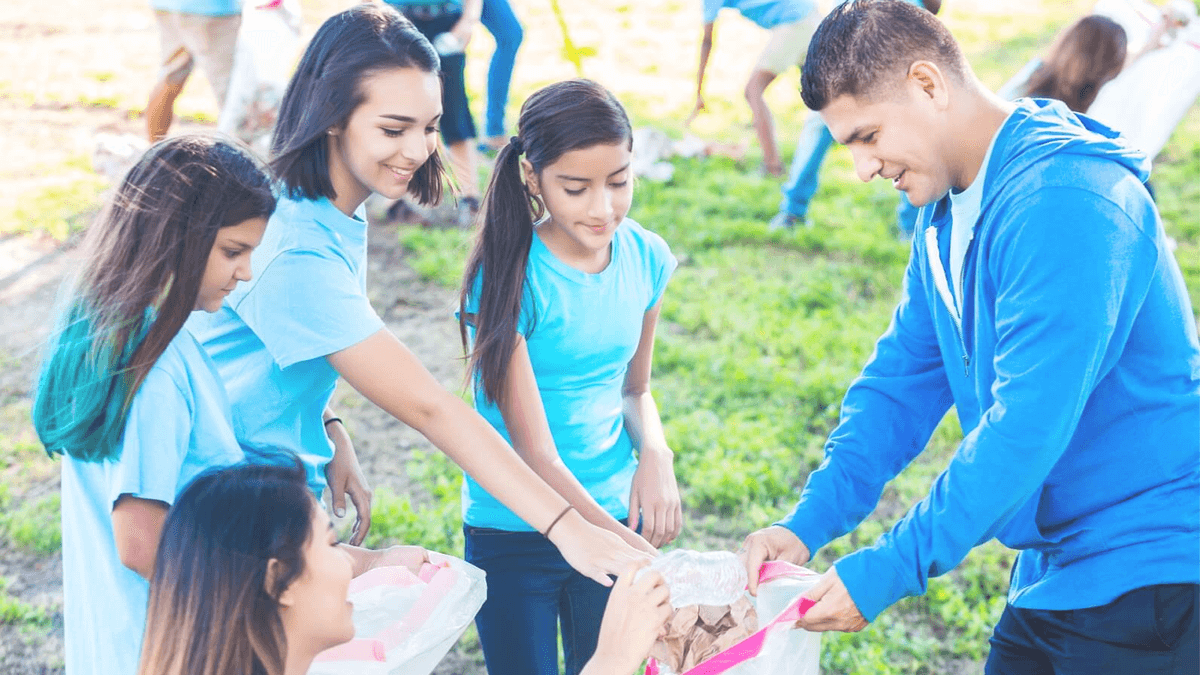
Being a Good Citizen
Good citizenship is not a checklist. It is a daily practice rooted in responsibility, empathy, and participation.
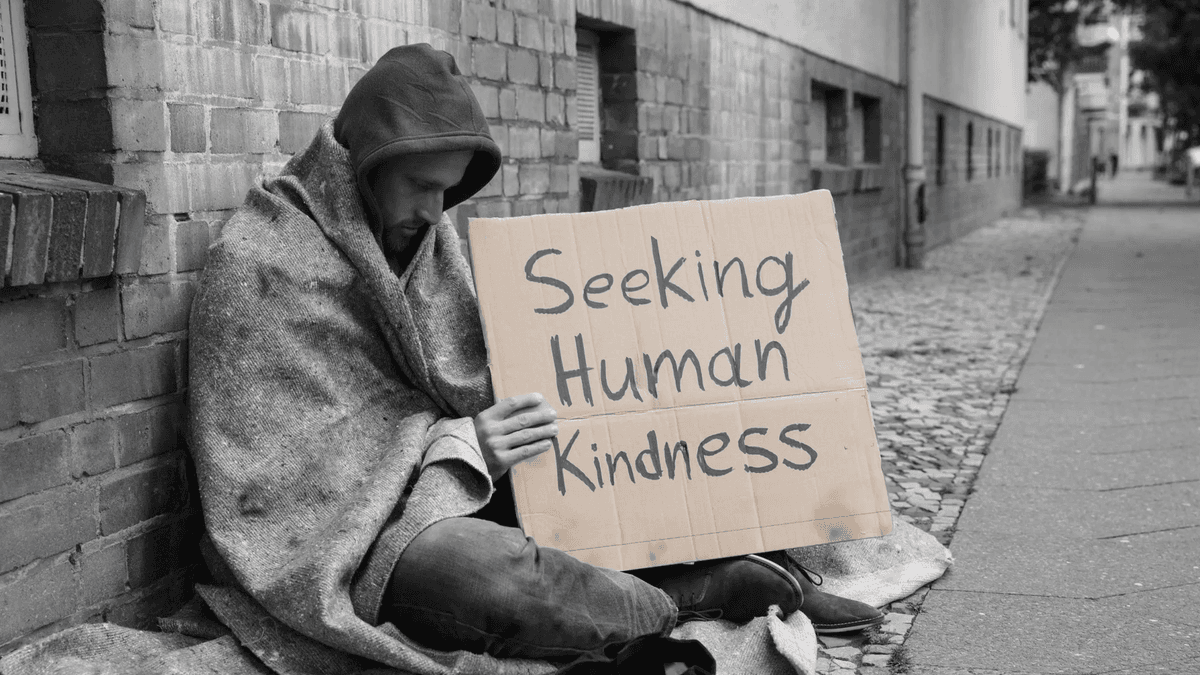
Deinstitutionalization
Deinstitutionalization was a movement that closed psychiatric hospitals in favor of community care. But without enough resources, it led to homelessness, incarceration, and untreated illness.
Understanding Triggers
Triggers aren’t just reactions, they’re messages from our past asking to be understood.
Further Reading
Stay curious!