

The Progressive Era: Reform, Regulation, and the Limits of Change
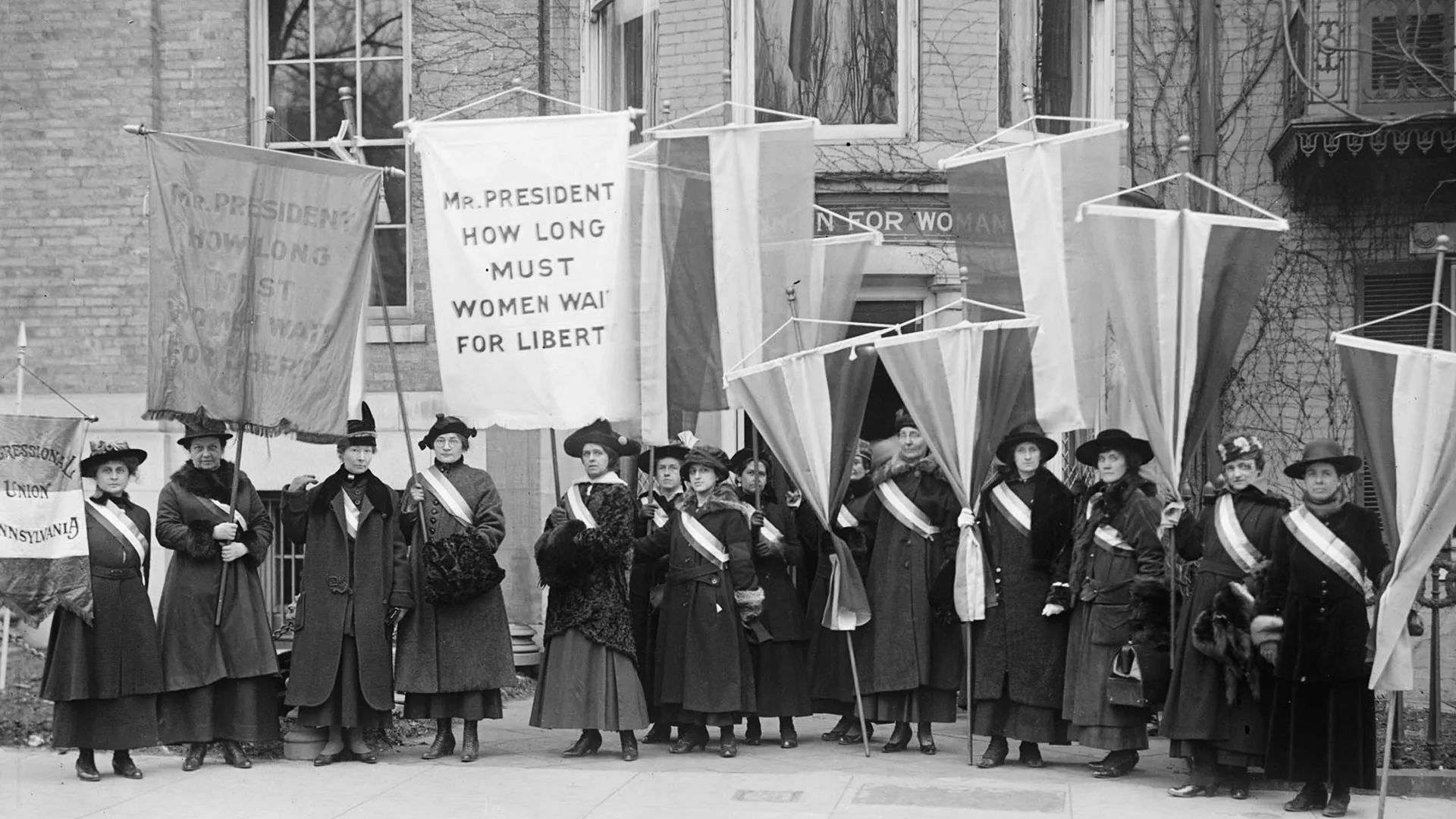
Between 1900 and the 1920s, the United States experienced a wave of reform efforts aimed at curbing corporate power, improving working and living conditions, and expanding political rights.
The Dive
The Progressive Era was a time in American history when many people believed the country needed serious reform. From the 1890s to the 1920s, the United States was changing rapidly. Factories were expanding, cities were growing, and huge corporations were becoming powerful. While industrial growth created wealth and new opportunities, it also brought serious problems—dangerous working conditions, political corruption, poverty in crowded cities, and growing inequality between the rich and the poor. Many Americans believed that progress should mean improving life for everyone, not just the wealthy. The reformers who tried to fix these problems called themselves Progressives, and their movement became known as the Progressive Era.
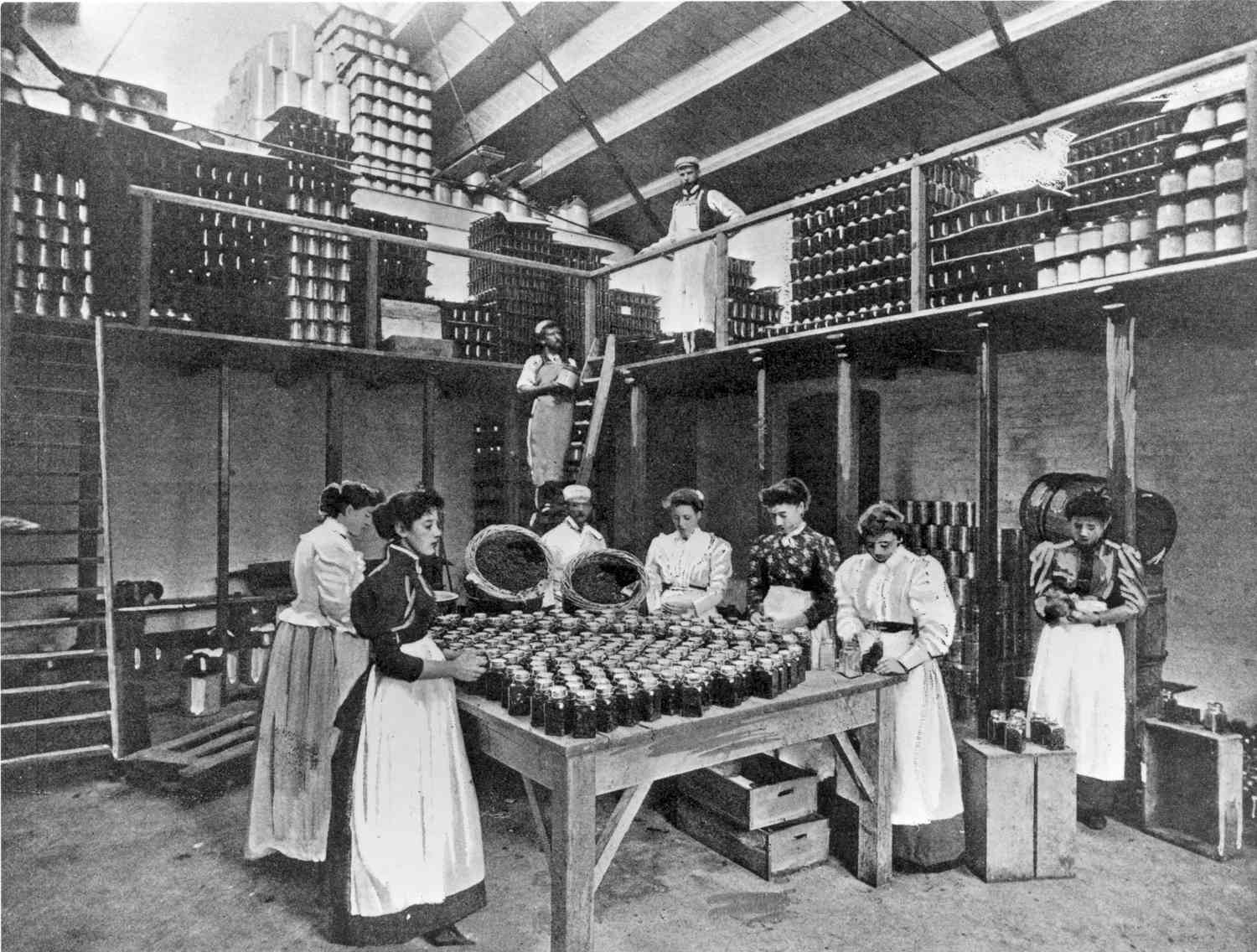
The roots of the Progressive movement can be traced to the late nineteenth century, during a period sometimes called the Gilded Age. During this time, industrial production exploded and powerful business leaders built enormous fortunes. Some of these leaders were criticized as “robber barons” because they used unfair practices to crush competitors and control entire industries. Meanwhile, factory workers often worked long hours in dangerous conditions for very little pay. Many immigrants arriving from southern and eastern Europe lived in overcrowded urban neighborhoods where sanitation was poor and disease spread easily. Progressives believed that government should step in to regulate big business, protect workers, and improve living conditions.
One of the most shocking examples of unsafe working conditions occurred in 1911 during the Triangle Shirtwaist Factory fire in New York City. When a fire broke out in the crowded factory, workers tried to escape, but many doors had been locked to prevent theft. Because of these locked exits, 146 workers—mostly young immigrant women and girls—died in the flames or jumped from the building to escape the fire. The tragedy shocked the nation and created public outrage. In response, new laws were passed to improve fire safety, factory inspections, and workplace protections. This event became one of the clearest examples of why reform was needed.
Journalists also played an important role in exposing problems in American society. These reporters were called “muckrakers” because they uncovered the hidden dirt of corruption and injustice. One of the most famous muckrakers was Upton Sinclair, who wrote the novel The Jungle in 1906. Sinclair intended to reveal the terrible conditions faced by workers in Chicago’s meatpacking plants. Instead, readers were horrified by his descriptions of unsanitary food production. Public anger pushed the government to pass the Pure Food and Drug Act and the Meat Inspection Act, laws that helped protect consumers and eventually led to the creation of the Food and Drug Administration.
Progressives also worked to protect children. During this time, millions of children worked long hours in factories, mines, and textile mills instead of attending school. Photographer Lewis Hine traveled across the country documenting these conditions. His powerful photographs showed children as young as eight operating heavy machinery or standing beside massive factory equipment. These images helped convince the public that child labor was dangerous and unfair. Reformers pushed for laws restricting child labor and requiring children to attend school.
Another major goal of the Progressive movement was expanding democracy. Many Progressives believed that government should be more responsive to ordinary citizens. Several constitutional amendments reflected this idea. The Sixteenth Amendment created a federal income tax. The Seventeenth Amendment allowed Americans to vote directly for U.S. senators instead of having them chosen by state legislatures. Perhaps the most famous reform was the Nineteenth Amendment, ratified in 1920, which gave women the right to vote after decades of activism by leaders like Susan B. Anthony, Elizabeth Cady Stanton, and Carrie Chapman Catt.
Progressives also worked to improve life in cities. Reformers such as Jane Addams founded settlement houses like Hull House in Chicago, which offered education, childcare, and community services for immigrants and poor families. Other reformers fought political corruption in city governments and pushed for better sanitation, public parks, and housing reforms. At the same time, some Progressives focused on protecting the environment. Leaders such as President Theodore Roosevelt supported conservation efforts that created national parks, forests, and wildlife protections.
However, the Progressive Era was not perfect. Many reforms reflected the views of white, middle-class Americans and did not always include everyone. African Americans in the South continued to face segregation and discrimination under Jim Crow laws. Immigration restrictions also increased during this time, especially against Asian immigrants. Some labor unions even supported limits on immigration because they believed immigrants lowered wages. These contradictions remind us that progress can sometimes leave people behind.
By the early 1920s, the Progressive movement began to fade. World War I shifted national priorities, and disagreements among reformers weakened the movement. Even so, many of the laws and ideas created during the Progressive Era still shape American life today. Food safety rules, workplace protections, environmental conservation, and expanded voting rights all grew out of this period of reform.
Why It Matters
The Progressive Era teaches an important lesson about democracy. Societies are never finished—they are always being improved by people who notice problems and work to fix them. The reformers of this era believed that citizens had a responsibility to challenge injustice and push their country to live up to its ideals. Their efforts remind us that progress is not automatic. It happens when people organize, speak up, and demand change.
?
How did muckrakers influence both public opinion and government policy during the Progressive Era?
Why did some Progressive reforms benefit certain groups while excluding others?
What parallels can you draw between Progressive Era reforms and modern reform movements?
How did tragedies like the Triangle Shirtwaist Factory fire lead to legislative change?
What strategies did women’s suffrage activists use to gain the right to vote?
Dig Deeper
The Progressive Era in the United States — its reforms, achievements, and contradictions.
A look at how reformers targeted the exploitation of children in dangerous work environments.
Related
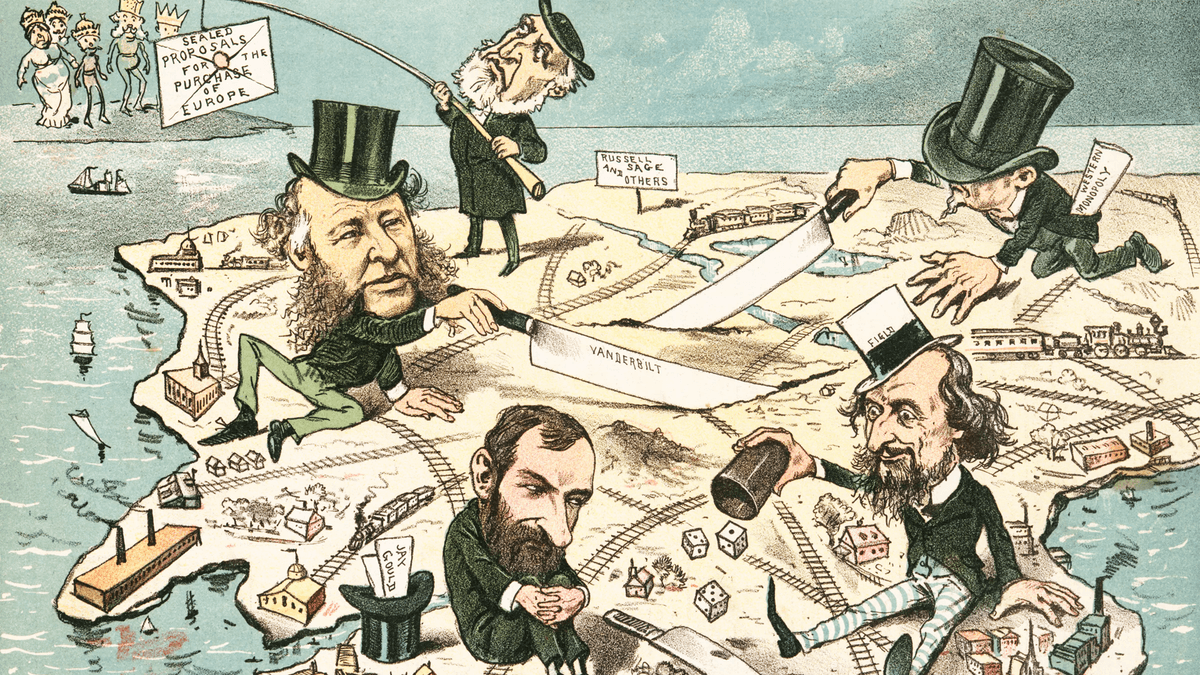
The Gilded Age: Glitter, Growth, and the Cost of Progress
A glittering era of innovation and industry, the Gilded Age promised progress but delivered inequality. In the South, leaders dreamed of a 'New South,' yet industrialization offered opportunity for some while reinforcing systems of poverty and discrimination for others.
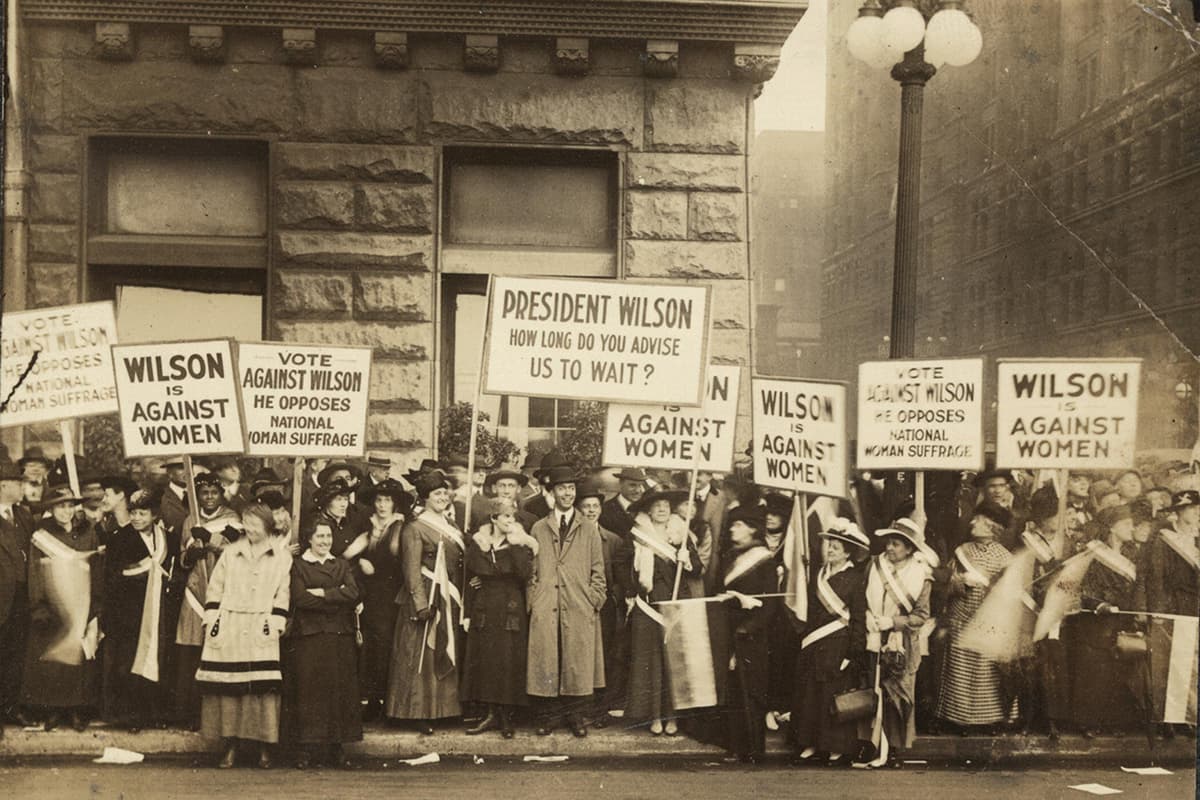
Votes for Women: The Fight for the 19th Amendment
It took more than 70 years of protests, petitions, and picket lines to win the right for women to vote in the United States. The 19th Amendment didn’t just expand democracy—it redefined it.
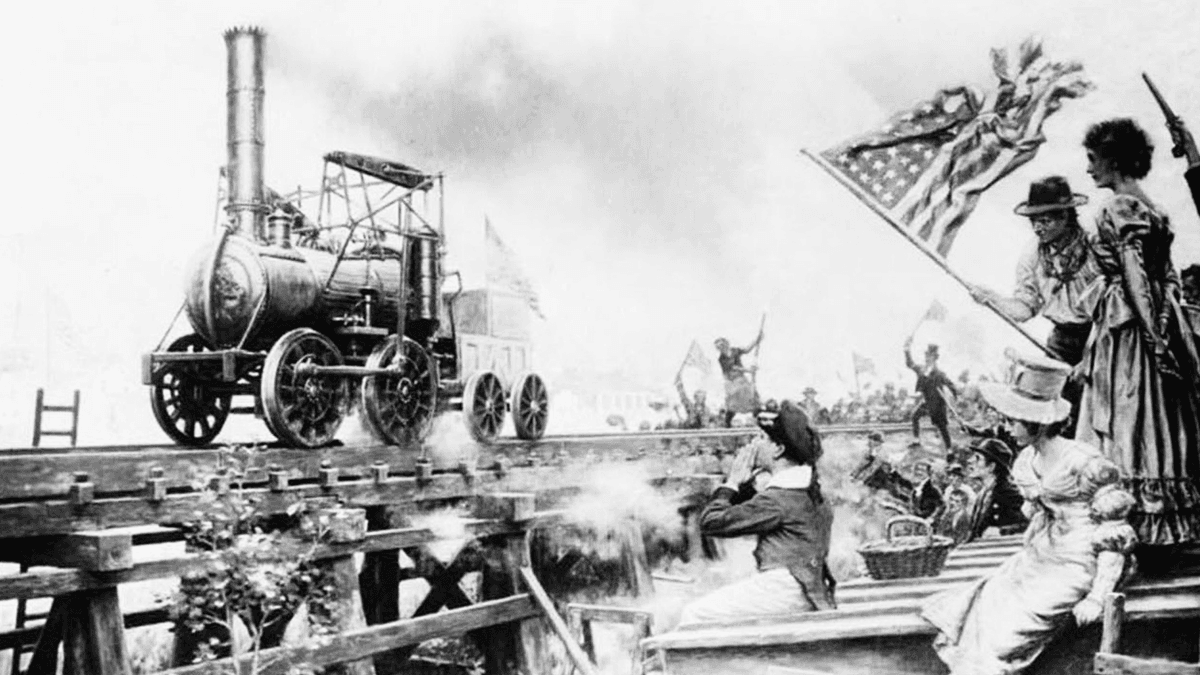
The Market Revolution: How Innovation Transformed America
In the early 1800s, America changed from a land of small farms to a booming nation of factories, railroads, and markets. The Market Revolution connected people, goods, and ideas—while also revealing deep inequalities in who benefited from progress.
Further Reading
Stay curious!