

The Wilmington Coup: When Democracy Was Burned Down
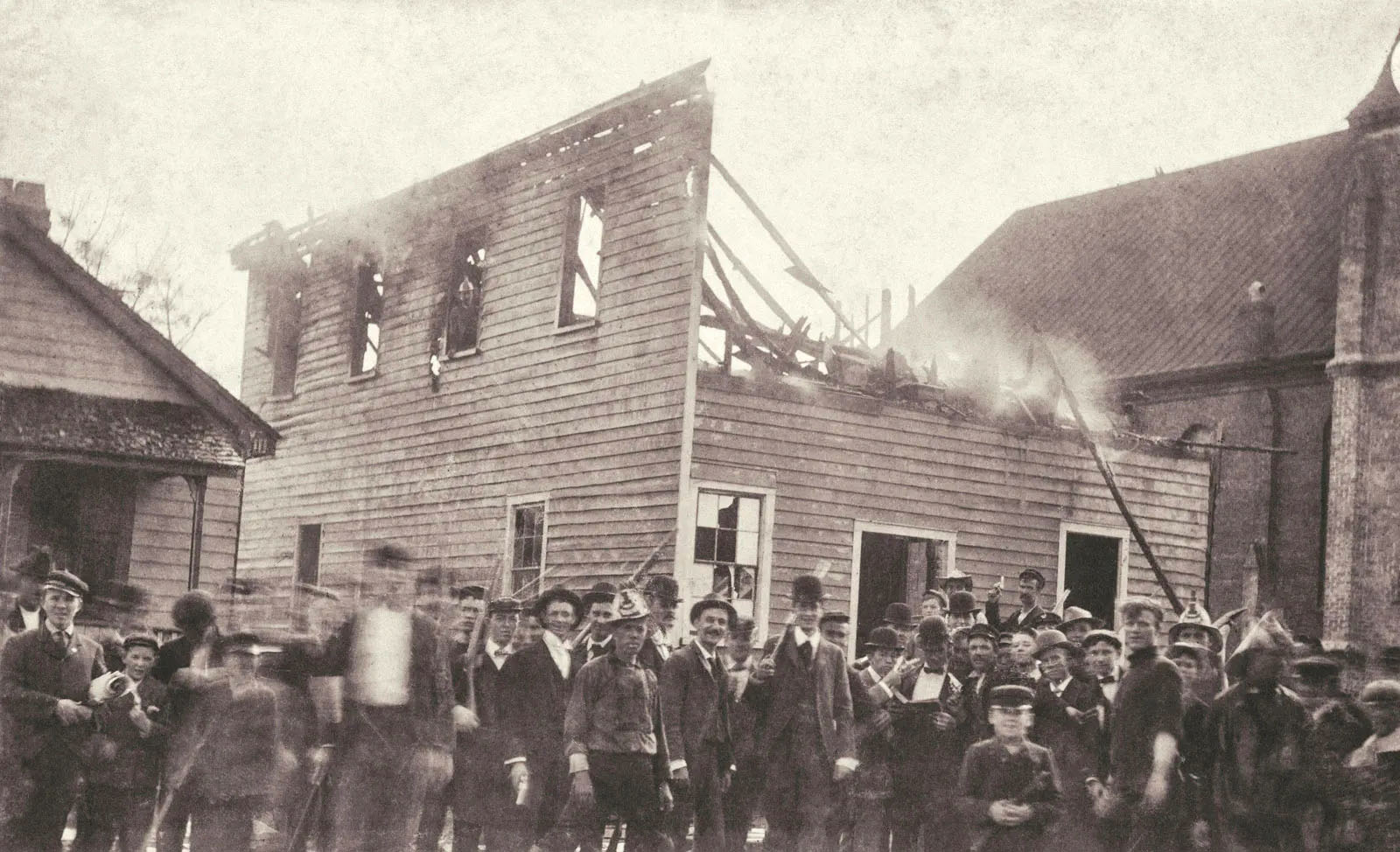
Wilmington, 1898, a white supremacist mob burned the Black-owned newspaper, massacred dozens of Black residents, forced out the elected government, and installed their own mayor at gunpoint. It was the only successful coup d’état in U.S. history.
The Dive
For decades, textbooks called it a “race riot.” Known today as the Wilmington Coup, this wasn't a riot or a misunderstanding. It was a violent overthrow of a legally elected government, carried out by white supremacists who refused to accept political equality and stands as one of the most direct attacks on democracy in American history.
By the late 1800s, Wilmington was the largest city in North Carolina and a powerful example of what Reconstruction had made possible. Black citizens owned businesses, held public office, and played active roles in civic life. Politically, the city was governed by a multiracial coalition called the Fusionists, made up of Black voters, Republicans, and white Populists. Together, they challenged the old power structures that had long favored wealthy white elites.
To white supremacists, this progress was unacceptable. Leaders like Alfred Moore Waddell, a former Confederate officer, openly called for violence to “restore” white control. Newspapers across the state spread racist lies, especially the false and dangerous myth that Black men were a threat to white women. Political cartoons and editorials were used as propaganda to stir fear and anger. This was not random hatred—it was a coordinated political strategy designed to justify violence and seize power.
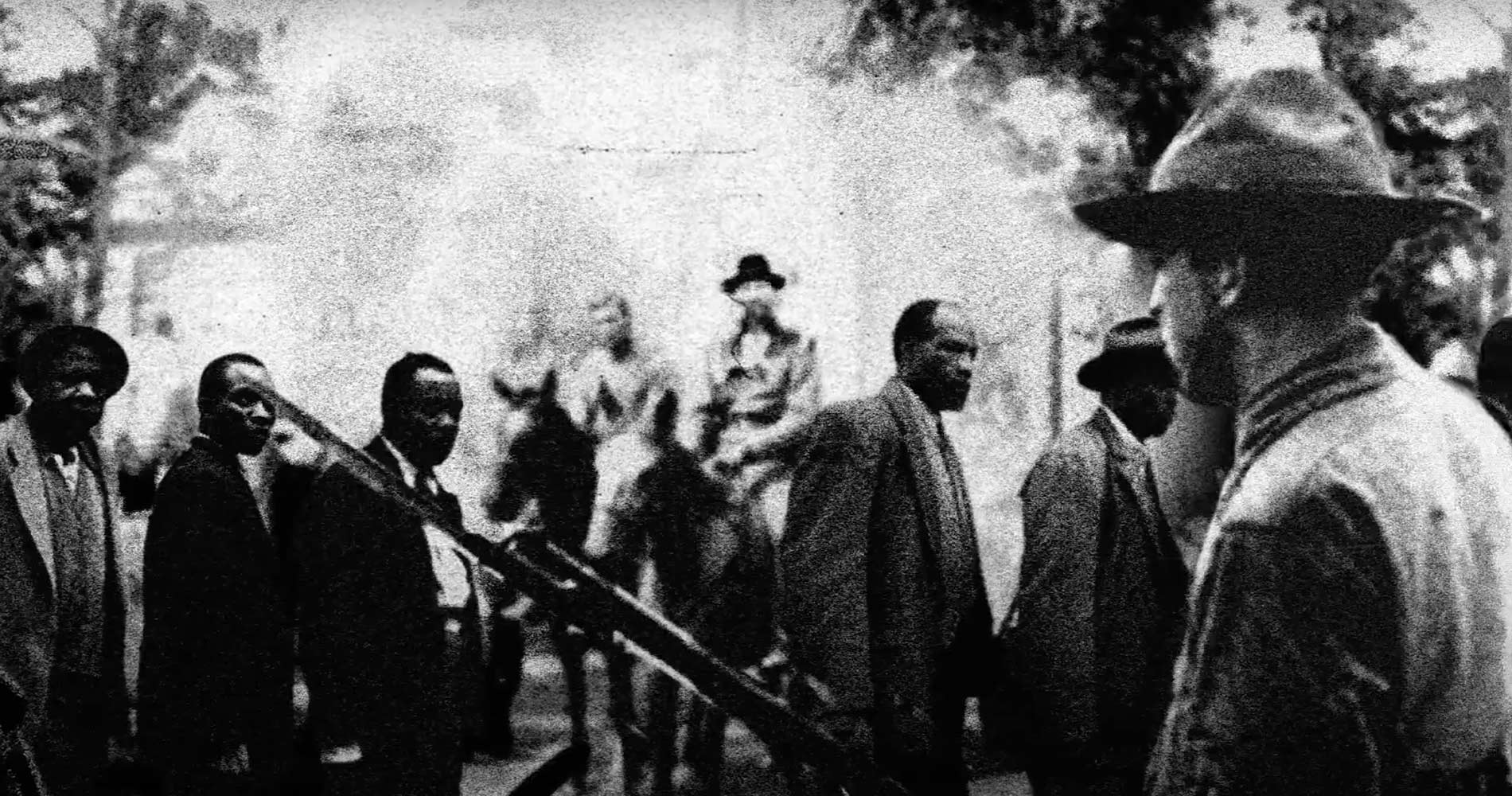
On November 10, 1898, that strategy turned deadly. Waddell led around 500 armed white men to the offices of the Daily Record, a Black-owned daily newspaper. They burned the building to the ground, destroying one of the strongest Black voices in the city. As the mob moved through Wilmington, violence spread. At least 60 Black men were killed, though some estimates suggest the number may have been higher. Thousands of Black residents fled into nearby swamps and forests to escape the terror.
The violence did not stop with bloodshed. Elected officials—both Black leaders and white Fusionists—were forced to resign at gunpoint. Alfred Waddell declared himself mayor, replacing a legitimate government with one built on intimidation and force. This was a coup d’état, plain and simple. It remains the only successful overthrow of a local government in U.S. history.
The impact of the Wilmington Coup reached far beyond the city itself. In the years that followed, North Carolina passed new laws designed to prevent Black citizens from voting. Literacy tests, poll taxes, and grandfather clauses were carefully crafted to appear fair while excluding Black voters. In just six years, Black voter registration in the state dropped from more than 126,000 to about 6,100. This marked the beginning of the Jim Crow era in North Carolina, where segregation and political exclusion became law.
For decades, this event was misrepresented in textbooks and newspapers as a “race riot,” a term that wrongly suggested chaos or shared blame. In reality, the violence was planned, organized, and supported by powerful political leaders and media outlets. In 2006, a state commission officially recognized the truth: the Wilmington Coup was a massacre and an illegal overthrow of democracy.
Why It Matters
The story of Wilmington challenges comforting myths about American history. It shows that white supremacist violence was not a mistake or a glitch in the system. It was often used deliberately to maintain power. When events like this are erased or softened, it becomes harder to recognize similar patterns in the present. Telling the truth about the Wilmington Coup isn't about shame, it's about understanding. When we learn what really happened, we honor the lives that were lost and the democracy that was destroyed. More importantly, we equip ourselves to defend democracy today. History doesn't just tell us where we have been. It warns us about what can happen when lies replace truth and violence replaces the rule of law.
?
Dig Deeper
In November 1898, in Wilmington, North Carolina, a mob of 2,000 white men expelled black and white political leaders, destroyed the property of the city’s black residents, and killed dozens--if not hundreds--of people. How did such a turn of events change the course of the city? For decades, the story of this violence was buried, while the perpetrators were cast as heroes. Yet its impacts resonate across the state to this day.
Related
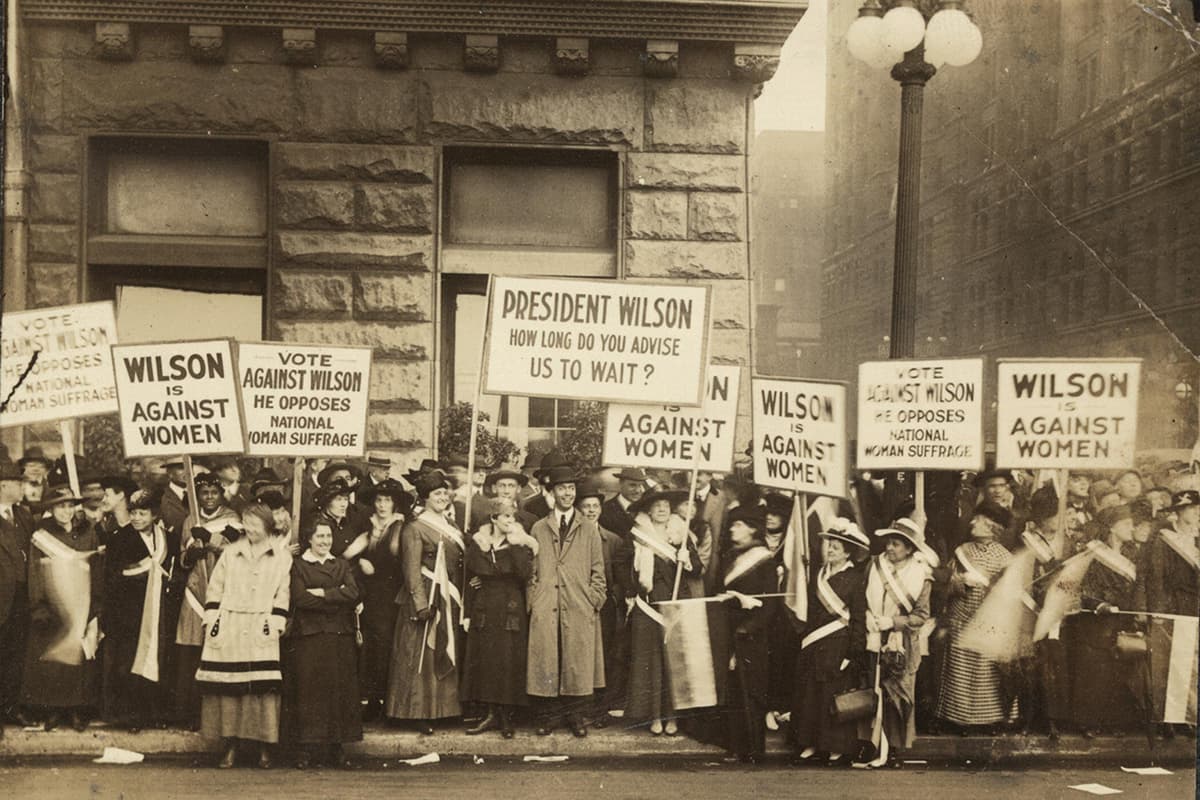
Votes for Women: The Fight for the 19th Amendment
It took more than 70 years of protests, petitions, and picket lines to win the right for women to vote in the United States. The 19th Amendment didn’t just expand democracy—it redefined it.
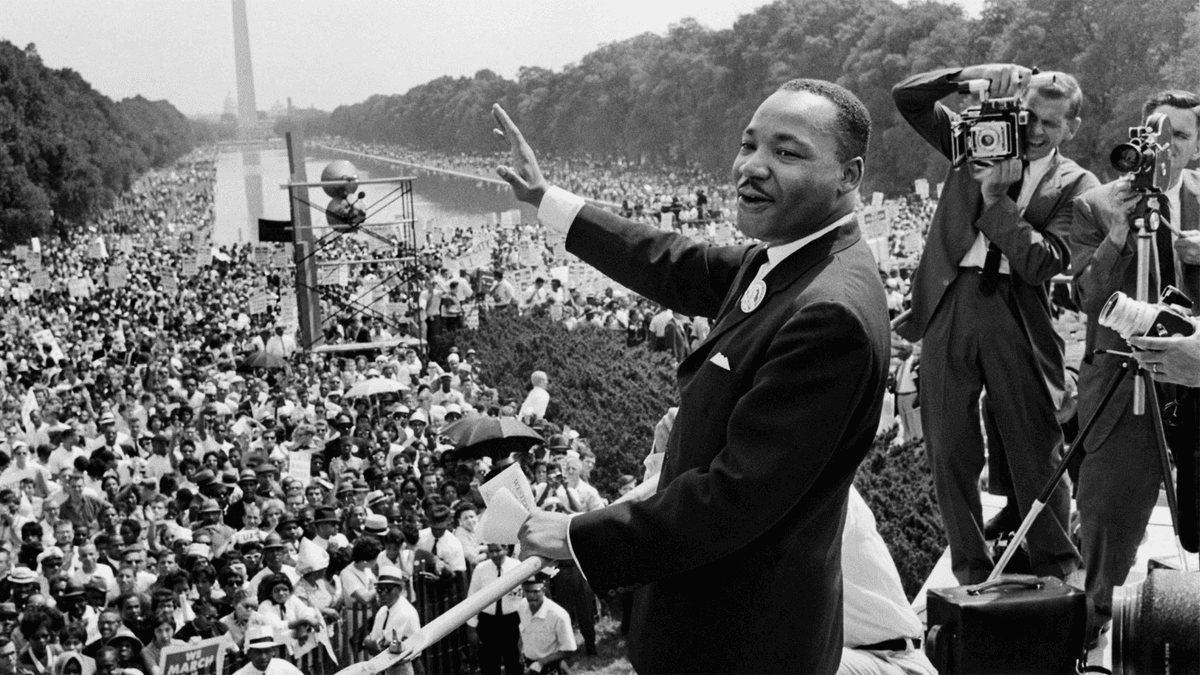
The Civil Rights Movement: Struggle, Solidarity, and Social Change
From classrooms to courthouses, buses to bridges, the Civil Rights Movement reshaped America’s laws — and its conscience.
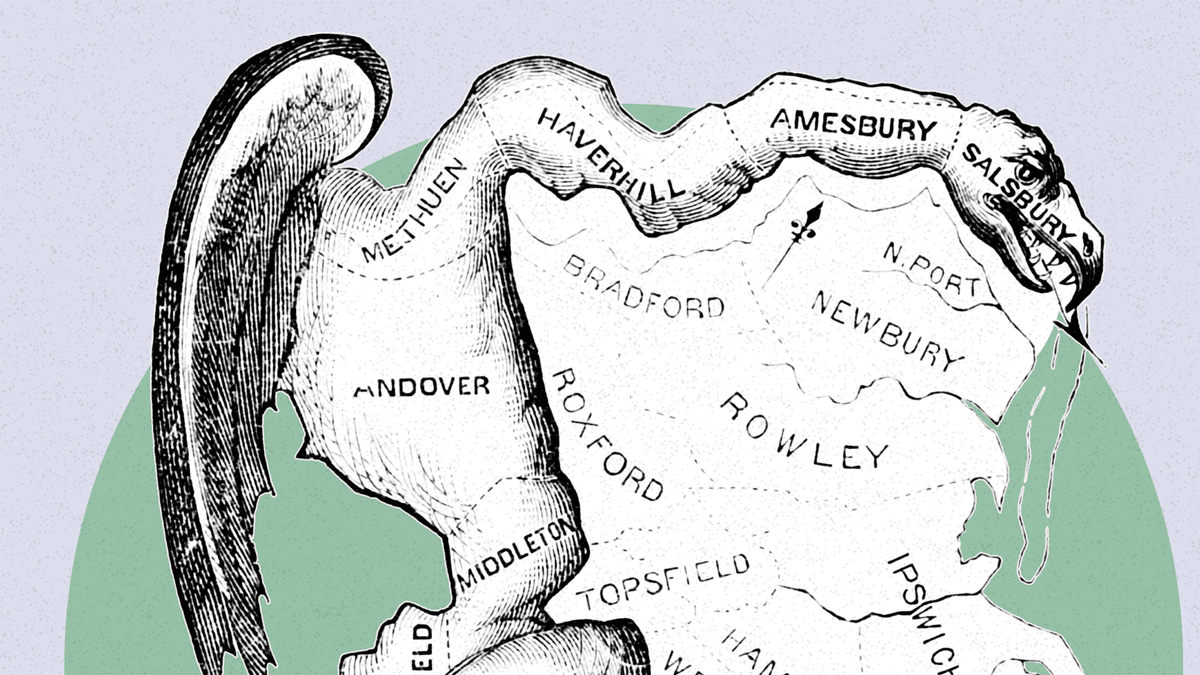
Gerrymandering: When Maps Become Weapons
What happens when politicians choose their voters instead of the other way around? Welcome to the twisted world of gerrymandering.
Further Reading
Stay curious!