

Marvin Gaye's 'What’s Going On?': A Soulful Cry for Change
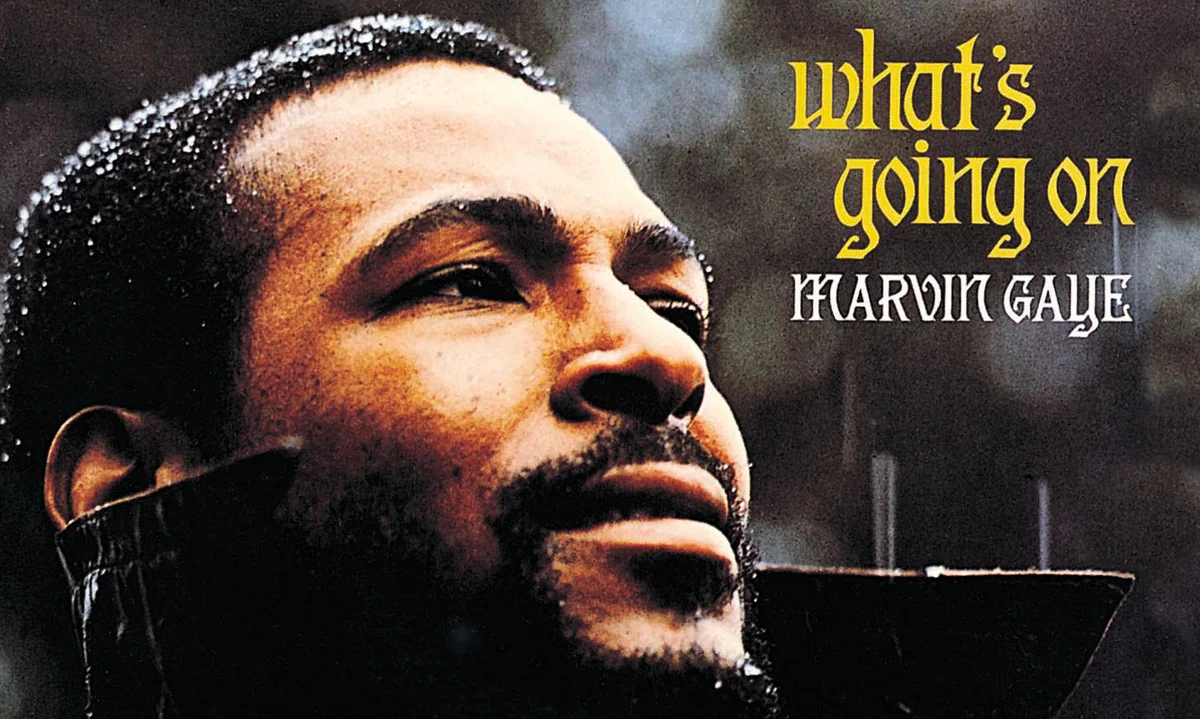
Marvin Gaye recording 'What’s Going On?' in 1971.
What Happened?
Released on January 20, 1971, 'What’s Going On?' marked a significant departure from Marvin Gaye’s earlier work, introducing a socially conscious narrative to his music. The song originated from Ronaldo 'Obie' Benson’s observation of police brutality during anti-Vietnam War protests and evolved into a poignant plea for peace and justice.
The single’s lyrics, 'Father, father, we don’t need to escalate,' and 'Picket lines and picket signs, don’t punish me with brutality,' directly addressed the social unrest of the era, including the Vietnam War and the Civil Rights Movement. These themes, paired with Gaye’s soulful delivery, resonated deeply with listeners.
Despite initial resistance from Motown founder Berry Gordy, Gaye insisted on releasing the song, even going on a recording strike to ensure its debut. The song’s success—reaching number two on the Billboard Hot 100 and topping the R&B charts—marked a turning point for Motown, showcasing the power of music as a platform for social change.
Why It Matters
Marvin Gaye’s 'What’s Going On?' is a timeless reminder of the transformative power of art. It challenged the music industry’s status quo, proving that songs with meaningful messages could achieve both commercial success and cultural impact. Gaye’s fearless examination of issues like war, racism, and environmental degradation remains strikingly relevant today, echoing in modern movements for social justice. 'What’s Going On?' isn’t just a song—it’s a call to action, urging us to listen, reflect, and build a world where love truly conquers hate. Its legacy challenges us to ask, as Gaye did, 'What’s going on?' and inspires us to seek answers through empathy, unity, and collective action.
?
How did 'What’s Going On?' redefine the boundaries of Motown and soul music?
In what ways do the themes of 'What’s Going On?' remain relevant in current social justice movements?
If you could write a song about something important to you, what would it be about? How would you use your words to inspire others?
Dig Deeper
A deep dive into the lyrics, context, and legacy of Marvin Gaye’s 'What’s Going On?'
Explore the story behind Marvin Gaye’s 'What’s Going On?' and its enduring impact on music and social activism.
Related
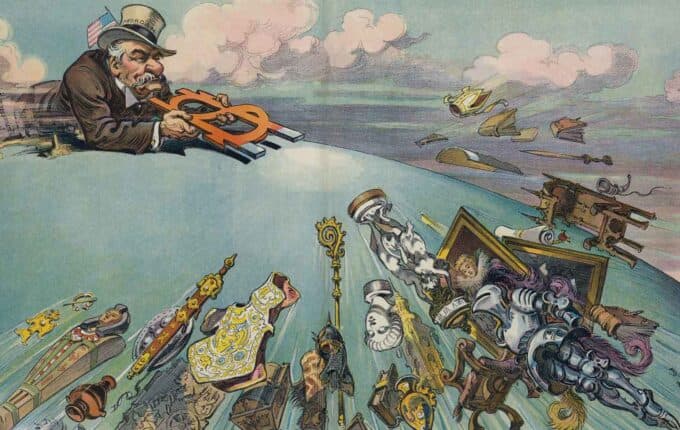
Oligarchy
As the wealth and influence of a few ultra-wealthy individuals continue to shape American politics, we must ask ourselves: What is the cost of an oligarchy, and can democracy truly survive under the control of the few?
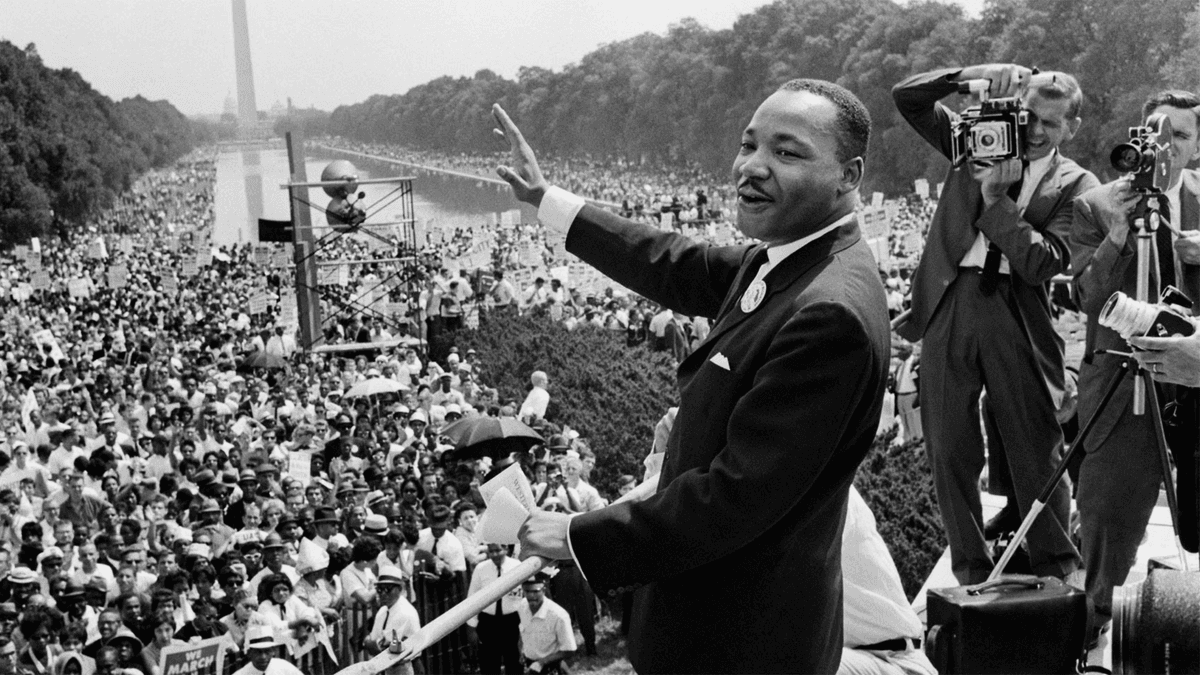
The Civil Rights Movement: Struggle, Solidarity, and Social Change
From classrooms to courthouses, buses to bridges, the Civil Rights Movement reshaped America’s laws — and its conscience.
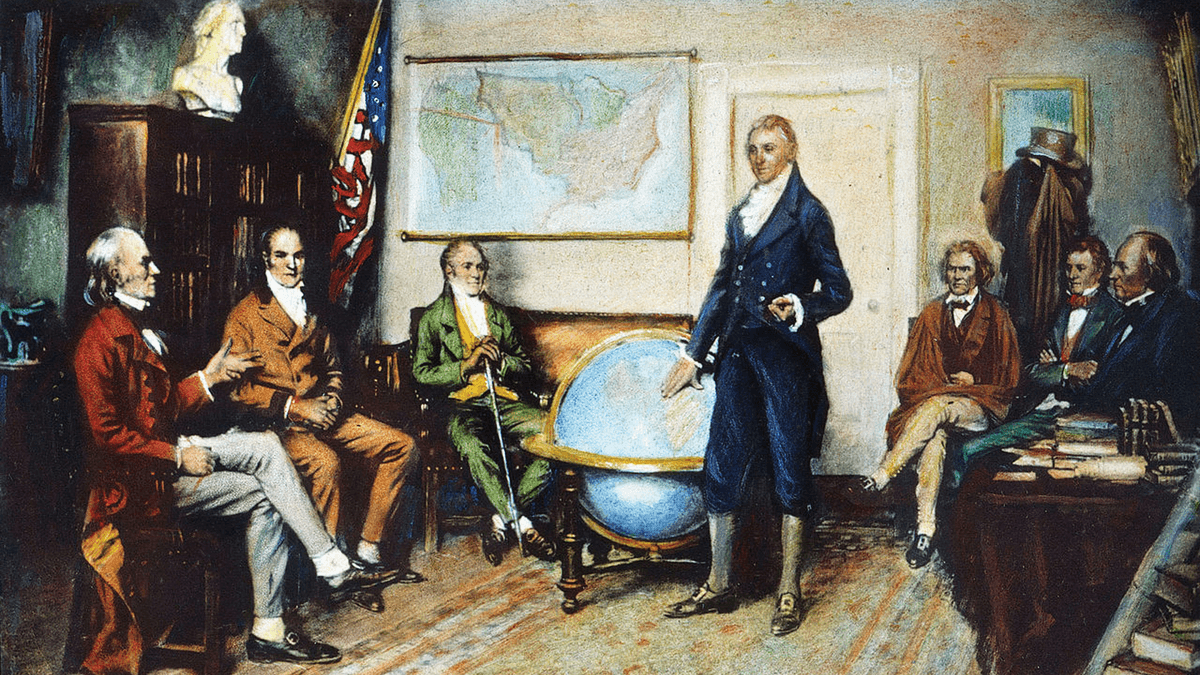
The Monroe Doctrine
How a young United States told the world to stay out of the Western Hemisphere—and what that meant for the Americas.
Further Reading
Stay curious!