

Citizens United v. Federal Election Commission: The Decision That Shaped Modern Politics
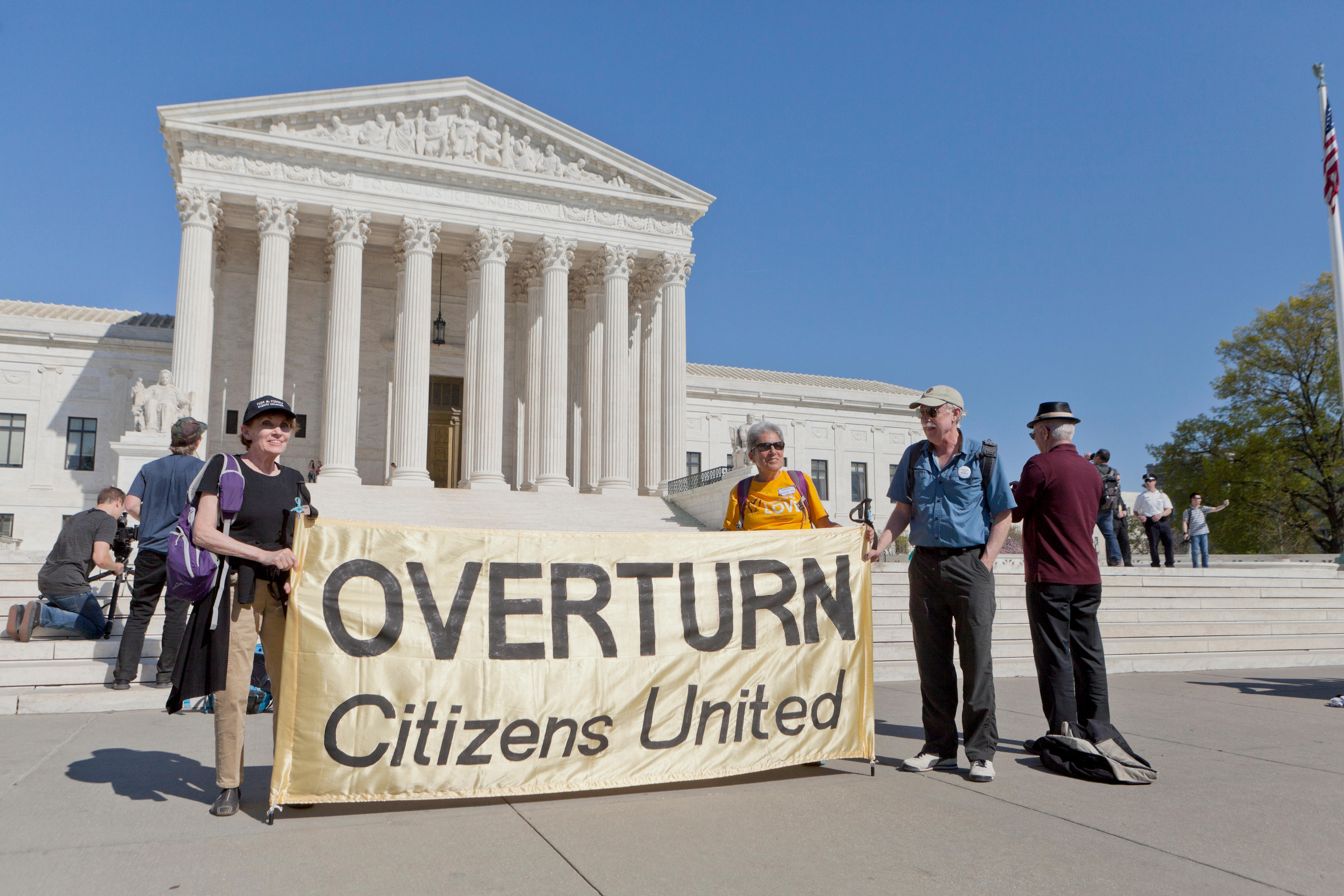
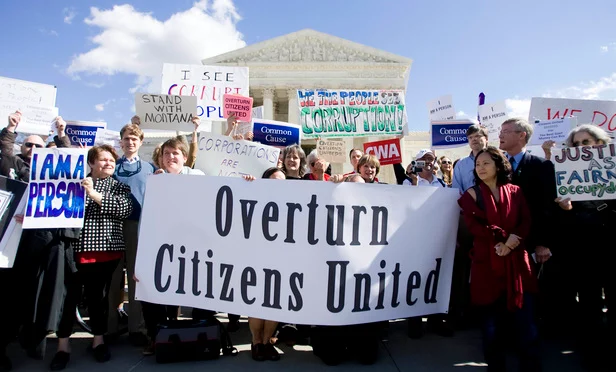
Supreme Court chamber with a gavel, symbolizing the Citizens United case.
What Happened?
Citizens United v. FEC is one of the most significant and controversial Supreme Court cases in modern American history. On January 21, 2010, the Court ruled that restrictions on corporate and union spending for 'electioneering communications' violated the First Amendment.
The case originated from a 2008 documentary, *Hillary: The Movie*, created by Citizens United, a conservative nonprofit. The organization sought to distribute the film during the Democratic primaries, challenging provisions of the Bipartisan Campaign Reform Act (BCRA) that limited such expenditures.
The Court’s 5–4 decision invalidated key sections of the BCRA and overturned previous rulings, including Austin v. Michigan Chamber of Commerce (1990). The majority, led by Justice Anthony Kennedy, argued that limiting independent expenditures from corporations and unions suppressed free speech, a core democratic principle.
The ruling had profound implications. It paved the way for the rise of Super PACs—organizations that can raise and spend unlimited funds as long as they remain independent from candidates. This change has intensified debates about the role of money in politics, transparency, and the balance of power between ordinary citizens and wealthy entities.
Why It Matters
The Citizens United ruling transformed how elections are financed in the United States, granting corporations and unions the same free speech rights as individuals to spend money on political campaigns. This decision has fueled unprecedented spending in elections, raised concerns about the outsized influence of wealthy donors, and sparked debates about the balance between free speech and fair democratic representation. Understanding this case is crucial to recognizing the challenges of ensuring a democratic system that values every voice equally.
?
How has the Citizens United ruling impacted campaign finance and political transparency in the U.S.?
What are the arguments for and against treating corporate political spending as free speech under the First Amendment?
How can individuals advocate for changes in campaign finance laws to ensure fair representation for all voters?
Dig Deeper
The Story of Citizens United v. FEC, an exploration of the inordinate power that corporations exercise in our democracy.
In an educational and enlightening talk, the speaker delves into the essence of democracy, shedding light on its challenges and providing insights for positive change. With a focus on the importance of voter participation and campaign finance disclosure, the speaker highlights the significant impact of the Citizens United decision.
Maine could rein in super PACs and put limits on donations for the first time. Unlimited billionaire and corporate spending on elections has been crushing our democracy. In one month Maine voters could cap dark money and set a precedent that could save America.
Related
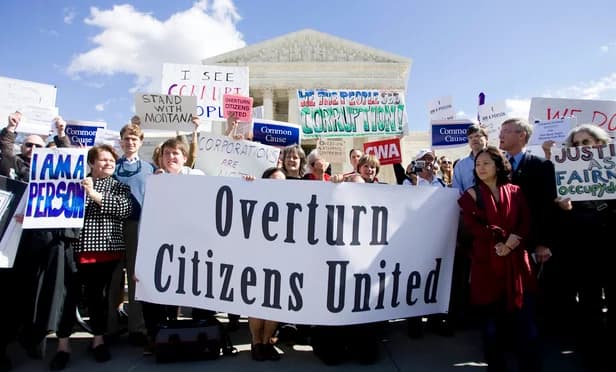
Citizens United: Democracy for Sale?
The Citizens United ruling changed the game of American democracy, granting corporations and unions unprecedented power in elections. But what does this mean for the future of fair representation?
The First Amendment: America’s Blueprint for Freedom
The First Amendment protects freedoms of speech, religion, press, assembly, and petition. It’s the foundation of American democracy—but also a source of constant debate and interpretation.
The Bill of Rights: What Is It and What Does It Actually Do?
The Bill of Rights wasn’t added to the Constitution because everything was going great, it was added because the people didn’t trust the government. And they had every reason not to.
Further Reading
Stay curious!