

1919: The League of Nations is Founded

A historic image of the first League of Nations assembly in Geneva.
What Happened?
On January 25, 1919, delegates at the Paris Peace Conference formally approved the creation of the League of Nations, a groundbreaking organization designed to foster global peace and prevent conflict. Championed by U.S. President Woodrow Wilson, the League was a central element of his Fourteen Points plan for peace following the devastation of World War I. It was envisioned as a platform where disputes could be resolved diplomatically before escalating into violence.
The League’s covenant, finalized on February 14, 1919, outlined its structure, including a general assembly, a secretariat, and an executive council. However, tensions between major powers emerged almost immediately, with disagreements over disarmament, enforcement mechanisms, and the inclusion of Germany. Ultimately, the League’s authority was undermined by the refusal of key nations, including the United States, to fully commit. Isolationist sentiment in the U.S. prevented Congress from ratifying the Treaty of Versailles, and the U.S. never joined the League.
Despite these challenges, the League of Nations played an important role in resolving disputes during the 1920s and 1930s, such as border conflicts and issues of minority protection. However, its inability to enforce decisions or prevent major conflicts like Japan’s invasion of Manchuria or Mussolini’s aggression in Ethiopia exposed its weaknesses. The outbreak of World War II signaled the end of the League’s influence, but its legacy lived on in the creation of the United Nations in 1945.
Why It Matters
The League of Nations represents the first attempt to build a framework for global peace and cooperation—a visionary idea born from the wreckage of World War I. While it faced significant limitations and ultimately failed to prevent the outbreak of World War II, the League set a precedent for international governance and inspired the creation of the United Nations. Its story offers important lessons about the balance between national sovereignty and collective security, the need for strong enforcement mechanisms, and the value of collaboration in addressing global challenges. The League’s successes and failures remind us that progress often comes in imperfect steps, and its legacy serves as a foundation for today’s efforts to build a more peaceful and just world.
?
Dig Deeper
Explore the rise and fall of the League of Nations and its impact on global diplomacy.
Related

The Great Depression: America in Crisis
The Great Depression was more than a stock market crash — it was a decade-long test of American resilience that reshaped the nation's economy, politics, and daily life.
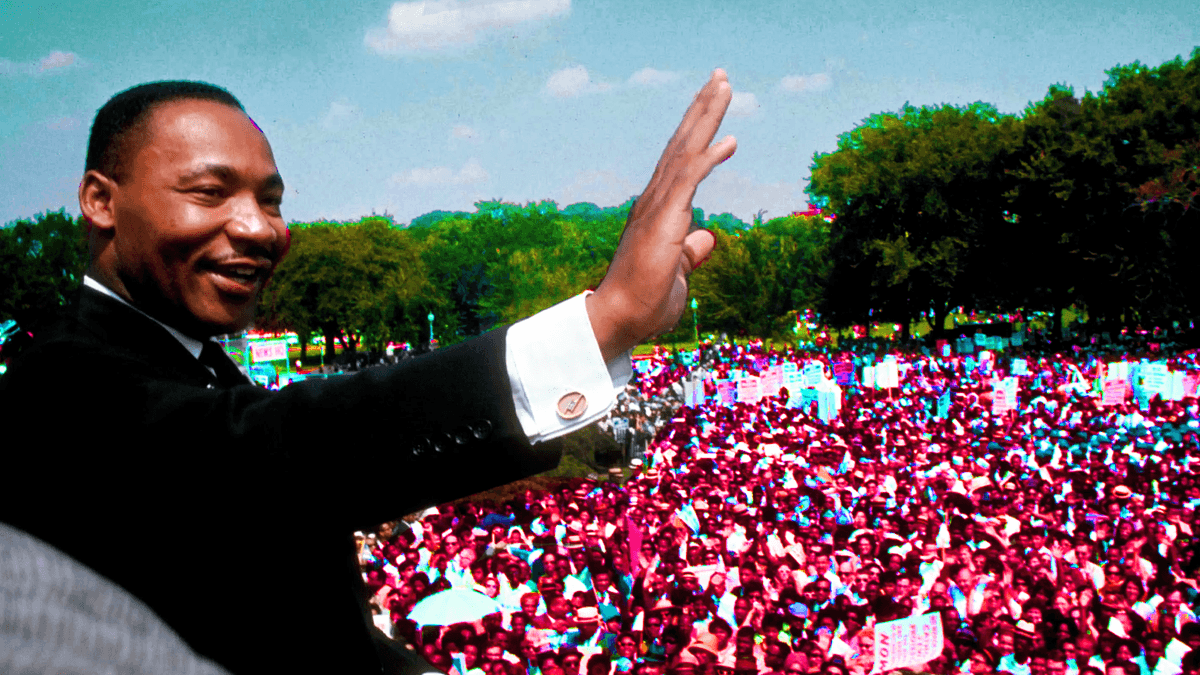
MLK the Disrupter and the Poor People’s Campaign
Dr. Martin Luther King Jr.’s final chapter was about more than civil rights—it was a bold demand for economic justice that challenged the nation’s values at their core.

Constructing Arguments & Explaining Reasoning
Arguments aren't just for debates or speeches. They're how we explain what we believe and why. Learn how to build strong arguments that use claims, reasons, and evidence—and how to explain our thinking clearly.
Further Reading

Stay curious!