

1950: The Indian Constitution Takes Effect

A photograph of the original Indian Constitution being presented in 1950.
What Happened?
On January 26, 1950, India officially became a republic as its new constitution came into force, replacing the Government of India Act of 1935. The adoption of the constitution was the culmination of decades of struggle for independence, spearheaded by leaders like Mohandas Gandhi and Jawaharlal Nehru. After years of nonviolent resistance and negotiations with the British, India gained independence on August 15, 1947. However, the partition into India and Pakistan, driven by religious divides, left deep scars. By 1949, much of the communal violence had subsided, and the Indian leadership turned its attention to building a democratic and unified nation.
The new constitution, drafted under the leadership of B.R. Ambedkar, provided for universal adult franchise, giving every citizen, regardless of gender or caste, the right to vote. It sought to dismantle deeply entrenched social hierarchies and create a more equitable society. India adopted a parliamentary system modeled on Britain’s, with a president serving as the ceremonial head of state and a prime minister wielding executive power. The first president of India, Rajendra Prasad, symbolized the nation’s commitment to unity and progress.
Under Nehru’s leadership, India faced immense challenges, including poverty, overpopulation, and the integration of former princely states into the Indian union. Nehru championed nonviolence as a principle during the independence movement, but as prime minister, he sometimes had to take decisive military action, such as the annexation of Portuguese-controlled Goa. Despite these challenges, the establishment of the Republic of India marked a defining moment in world history, setting an example of democratic resilience and diversity.
Why It Matters
The adoption of India’s constitution on January 26, 1950, represents a monumental step in the journey toward self-governance, equality, and democratic ideals. As the most populous democracy in the world, India’s transition from colonial rule to a republic with universal suffrage inspired nations worldwide. The constitution’s emphasis on dismantling caste hierarchies, promoting gender equality, and safeguarding individual freedoms offered a blueprint for social progress. However, the challenges faced by India at its inception—poverty, regional divisions, and post-partition wounds—remind us that democracy is not a destination but a journey. This historic milestone challenges us to reflect on the role of governance in fostering unity and justice in a diverse and complex society.
?
Dig Deeper
A detailed exploration of India’s transition from colonial rule to the establishment of the Republic in 1950.
Related
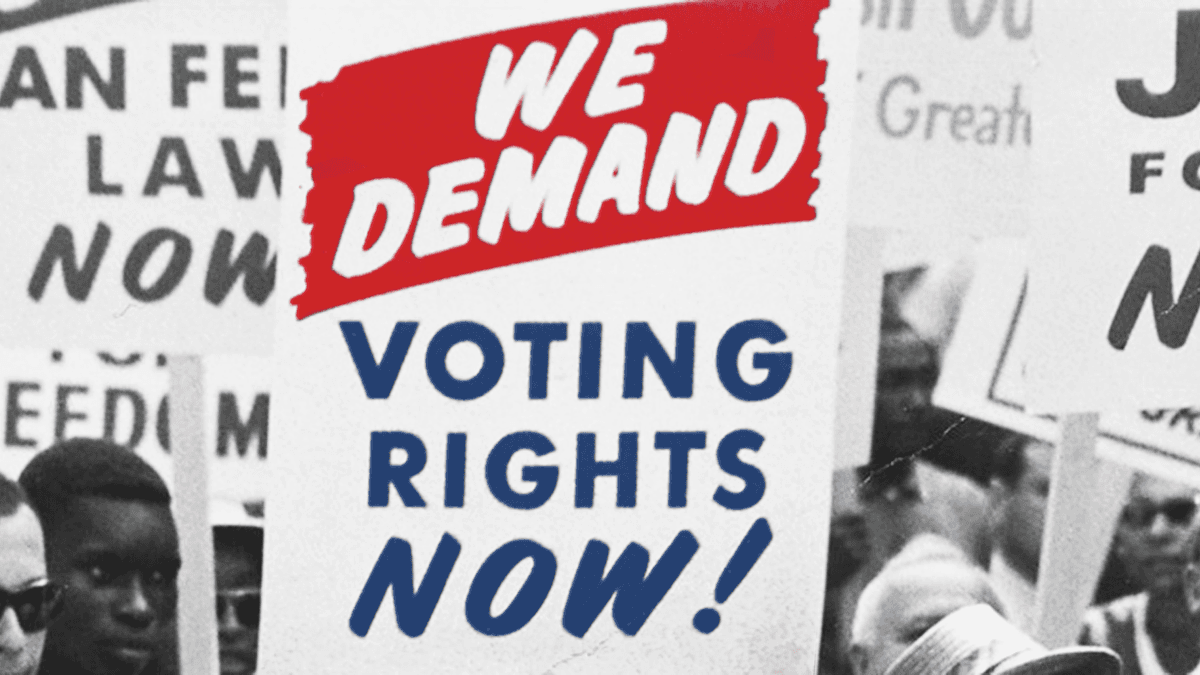
Universal Suffrage in the United States
The right to vote wasn’t handed to everyone—it was fought for, over centuries, by people demanding that democracy actually mean everyone has a voice.

Separation of Powers
The U.S. Constitution divides power among three branches—legislative, executive, and judicial—to prevent tyranny and keep government balanced.
Rules vs. Laws: What’s the Difference?
Rules guide small groups like families or schools, while laws apply to entire societies—both help keep communities safe and fair.
Further Reading

Stay curious!