

1990: Apartheid Cracks—South Africa Begins to Dismantle Racial Segregation
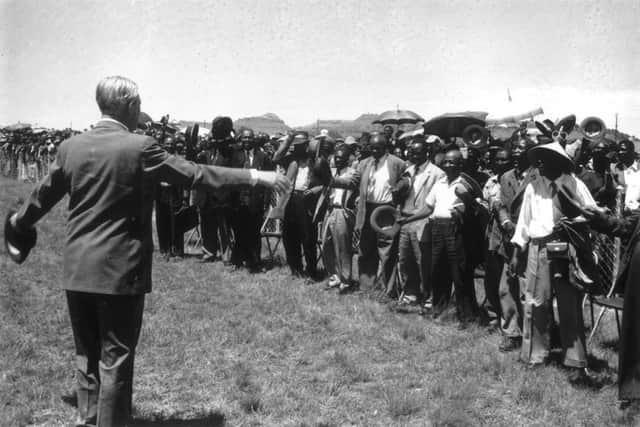
A crowd celebrates in South Africa after hearing the announcement that Nelson Mandela will be released from prison.
What Happened?
Apartheid wasn’t just a policy—it was an architecture of oppression, designed to maintain white rule at all costs. Codified in 1948, apartheid stripped Black South Africans of their land, rights, and autonomy. It wasn’t just about separate water fountains or restricted seating; it was about a state-sanctioned caste system that enforced economic and political disenfranchisement. And for decades, the world largely looked away.
But resistance was relentless. Inside South Africa, activists like Nelson Mandela, Desmond Tutu, and Steve Biko fought against apartheid, even as the regime responded with mass arrests, censorship, and state-sanctioned violence. Internationally, a growing movement of economic sanctions, boycotts, and diplomatic pressure began to isolate South Africa. By the late 1980s, apartheid was running out of both excuses and economic lifelines.
On February 2, 1990, F.W. de Klerk—a white president of a government built on racial supremacy—did something unthinkable: he publicly admitted that apartheid was unsustainable. He lifted bans on the ANC and other resistance groups. He promised freedom of the press. And most critically, he signaled the imminent release of Nelson Mandela.
Nine days later, Mandela walked free. His release didn’t just mark the end of his own confinement; it signaled the approaching collapse of an entire system of racial oppression. Four years later, in 1994, South Africa held its first free and fair elections. The world watched as a nation once defined by segregation elected its first Black president—Nelson Mandela.
But the fall of apartheid wasn’t the end of South Africa’s struggles. The long shadows of inequality, economic disparity, and racial tension still stretch across the nation today. The work of justice is never finished—it is only passed down to the next generation. So, we ask ourselves: Where do apartheid’s echoes still resonate in our world today? And what will we do about it?
Why It Matters
The end of apartheid wasn’t inevitable. It was the result of resistance—both from within and beyond South Africa. It was the product of activists who refused to be silenced, of communities who boycotted and marched, of nations that finally put principles over profit. But oppression never disappears entirely; it just finds new disguises. Apartheid may be history, but racial inequity, economic exploitation, and political disenfranchisement are not. The lessons of South Africa remind us that injustice rarely crumbles on its own—it must be dismantled, piece by piece, by those brave enough to demand something better.
?
Dig Deeper
A historical breakdown of apartheid’s fall and Nelson Mandela’s role in reshaping South Africa.
Related
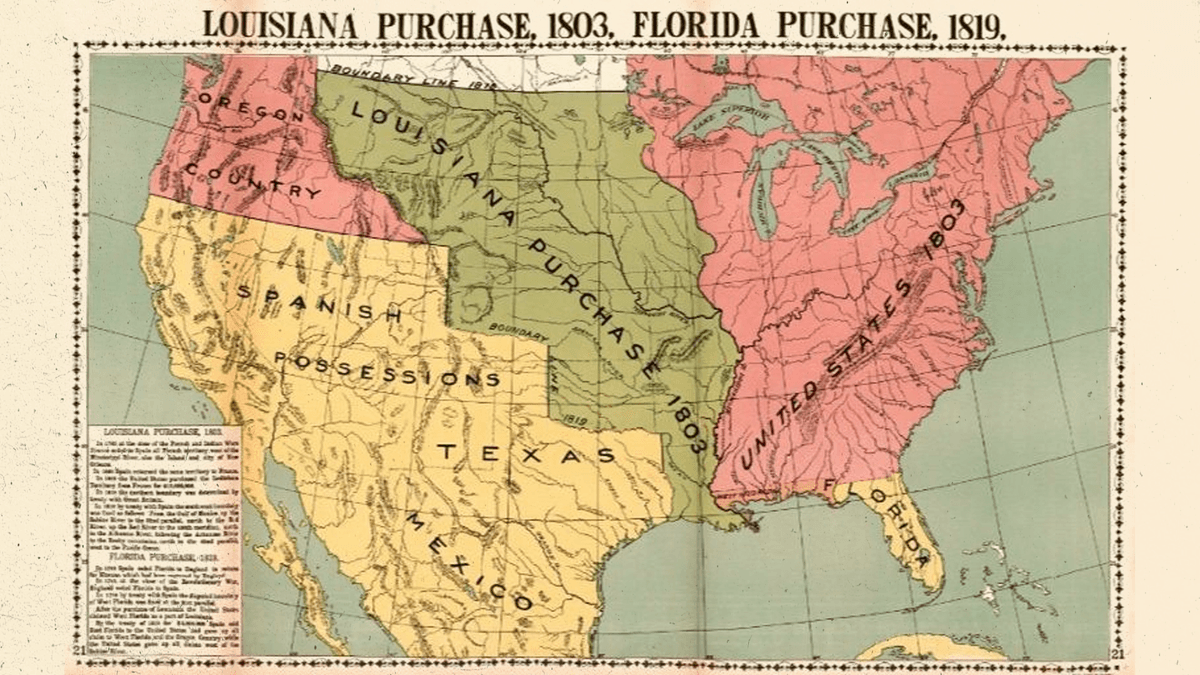
The Louisiana Purchase: A River, A Bargain, and a Bigger United States
In 1803 the United States bought the vast Louisiana Territory from France, doubling the nation’s size, securing the Mississippi River, and setting the stage for westward expansion and hard questions about slavery and Native sovereignty.
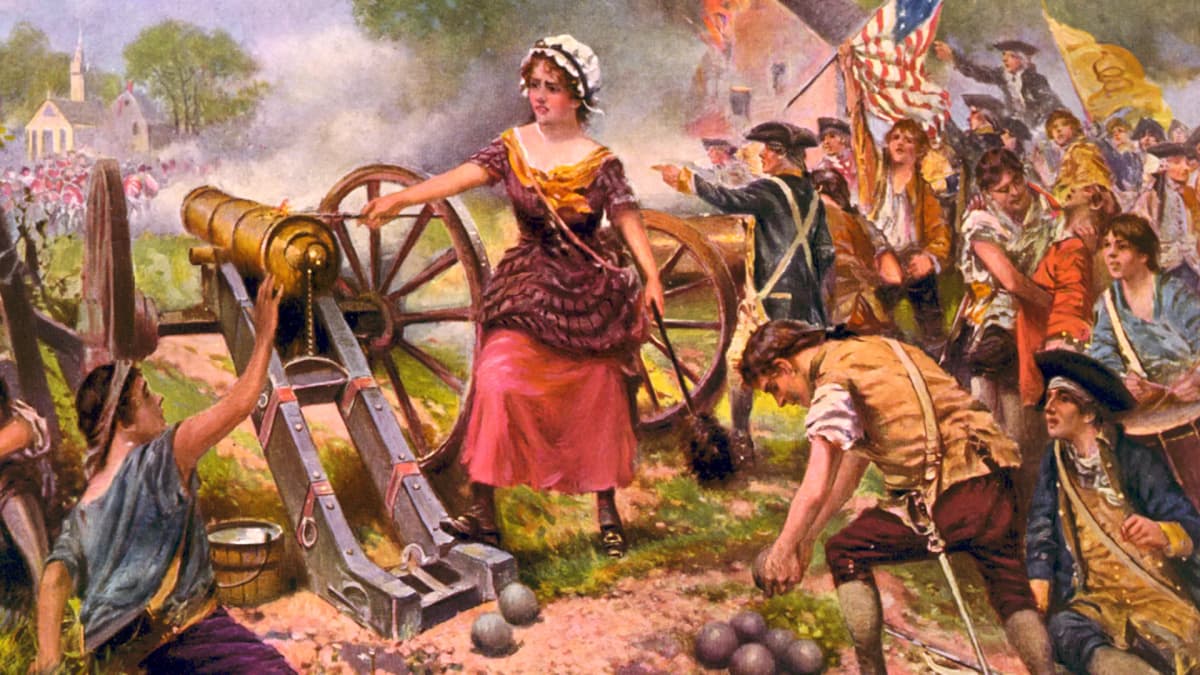
Who Was Molly Pitcher? Unpacking the Legend, the Facts, and the Firepower
Was she a single fearless woman, or the name shouted when soldiers needed water? The truth is more complicated—and more powerful. Meet the women behind the legend of Molly Pitcher.
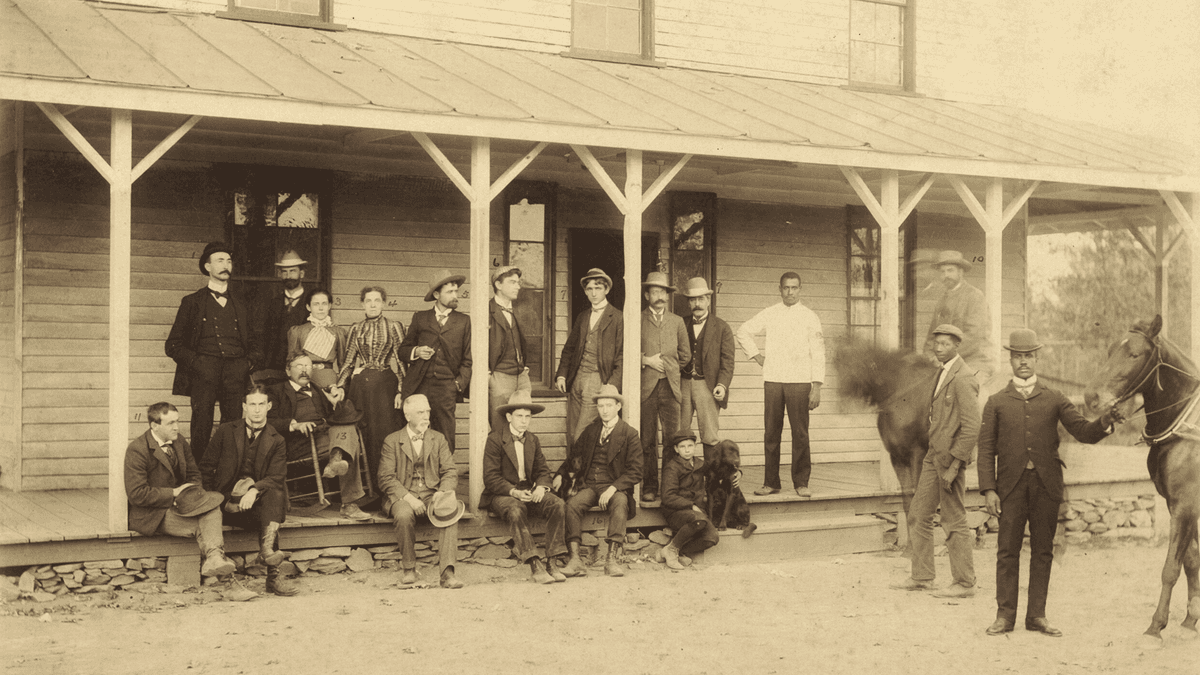
Reed Gold Mine: The First American Gold Rush
The first gold rush in U.S. history began not in California, but in North Carolina—thanks to a doorstop, a 12-year-old boy, and a lucky find in a creek.
Further Reading
Stay curious!