

1960: The 'Wind of Change' Blows Through Africa
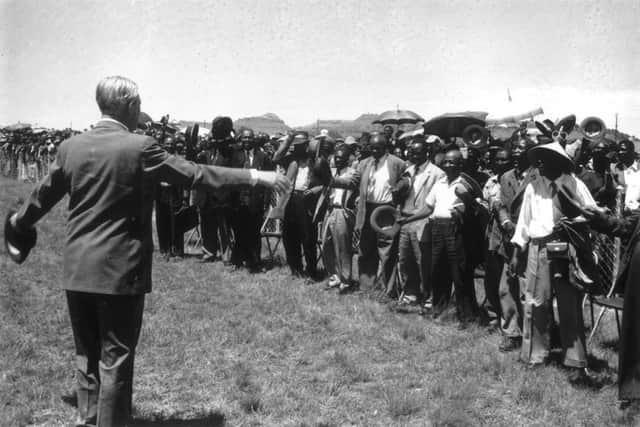
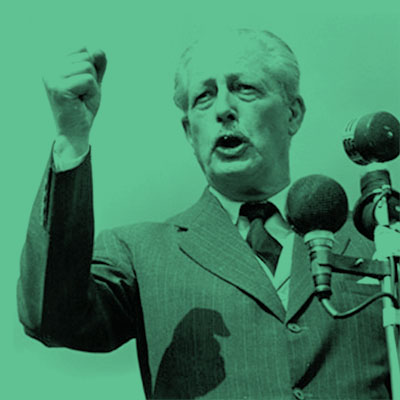
British Prime Minister Harold Macmillan delivers his 'Wind of Change' speech in South Africa.
What Happened?
The British Empire was, by 1960, no longer the invincible force it once was. Post-World War II economic strain, mounting African nationalist movements, and Cold War geopolitics had put Britain in an untenable position: hold on to its colonies through force or let them go. Harold Macmillan, a staunch Conservative, had been touring Africa for weeks, witnessing firsthand the growing push for independence. The old world order was shifting, and Macmillan was about to make it official.
Speaking before South Africa’s white-dominated Parliament, Macmillan acknowledged the rising demand for African self-rule. His words made it clear: Britain would no longer stand in the way of decolonization. But his speech wasn’t just about independence—it was also a diplomatic pressure play. The Cold War loomed large, and Macmillan knew that newly independent nations would have to choose between aligning with the democratic West or the communist East. Britain hoped that by stepping back gracefully, it could retain influence in Africa’s future.
But South Africa had no interest in grace. Prime Minister Hendrik Verwoerd, architect of apartheid, rebuked Macmillan’s speech, insisting that white South Africans had a right to rule as they saw fit. His response was met with thunderous applause from the white lawmakers in the chamber. If anything, Macmillan’s words only deepened South Africa’s resolve to cling to apartheid. Less than two years later, South Africa declared itself a republic and cut ties with the Commonwealth, further isolating itself from global pressure.
Elsewhere, the ‘wind of change’ swept through Africa like a storm. Ghana had led the way in 1957, but by the end of 1960, Nigeria, Somalia, and several other nations had joined the ranks of the newly independent. Across the continent, Black leaders seized the moment, using Macmillan’s speech as validation that their cause was not just justifiable but inevitable.
Of course, independence did not erase colonial scars. Many newly liberated nations were left with fragile economies, arbitrary borders drawn by foreign rulers, and political instability. And in South Africa, the fight against apartheid raged on for more than three decades. Macmillan’s speech acknowledged a shifting tide, but change—real change—would require more than words. The lesson of the ‘Wind of Change’ is the same today as it was then: Words can acknowledge injustice, but only action dismantles it.
Why It Matters
The 'Wind of Change' speech was more than a polite nod to history—it was Britain’s reluctant admission that empire was unsustainable. But it also revealed a deeper truth: Those who benefit from oppression rarely surrender power willingly. Decolonization was not a gift from Europe; it was won by generations of resistance, sacrifice, and unshakable belief in self-determination. And even after independence, the ghosts of colonial rule remain, in borders drawn by strangers, in economies built for foreign profit, and in systems designed to favor the few over the many. The question for us today is this: When the wind of change blows again, will we recognize it—or resist it?
?
When Britain controlled parts of Africa, they made decisions about land, resources, and laws. Do you think it was fair for one country to control another? Why or why not?
How do you think it would feel to be told where you could live, work, or go to school just because of how you look?
Why do you think some people resist change, even when it means more fairness for others? Have you ever seen or experienced a time when standing up for what’s right was difficult?
Dig Deeper
After World War II, Europe was changing radically, and its place in the world was changing as well. European powers had colonized around the world in the 18th and 19th centuries, and in the 20th century, it all came crashing down. Of course the degree of crashing was variable from country to country.
Related
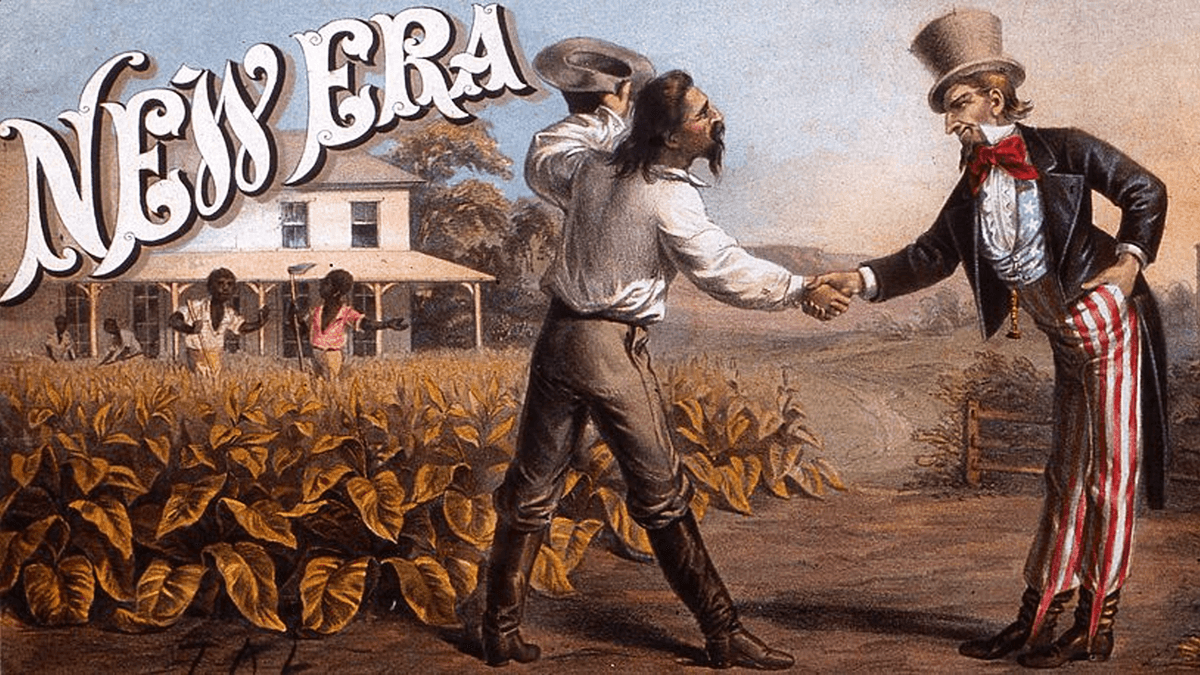
Reconstruction: Rebuilding a Nation and Redefining Freedom
After the Civil War, the United States faced the enormous task of reintegrating the South, securing rights for freedpeople, and redefining citizenship and equality. Reconstruction (1865–1877) was a bold experiment in democracy—filled with groundbreaking laws, historic firsts, and fierce backlash.
Human Rights
Human rights are the basic freedoms and protections that belong to every person on Earth. They help keep people safe, ensure dignity, and make freedom, justice, and peace possible. But these rights aren’t just given—they must be understood, protected, and defended by all of us.
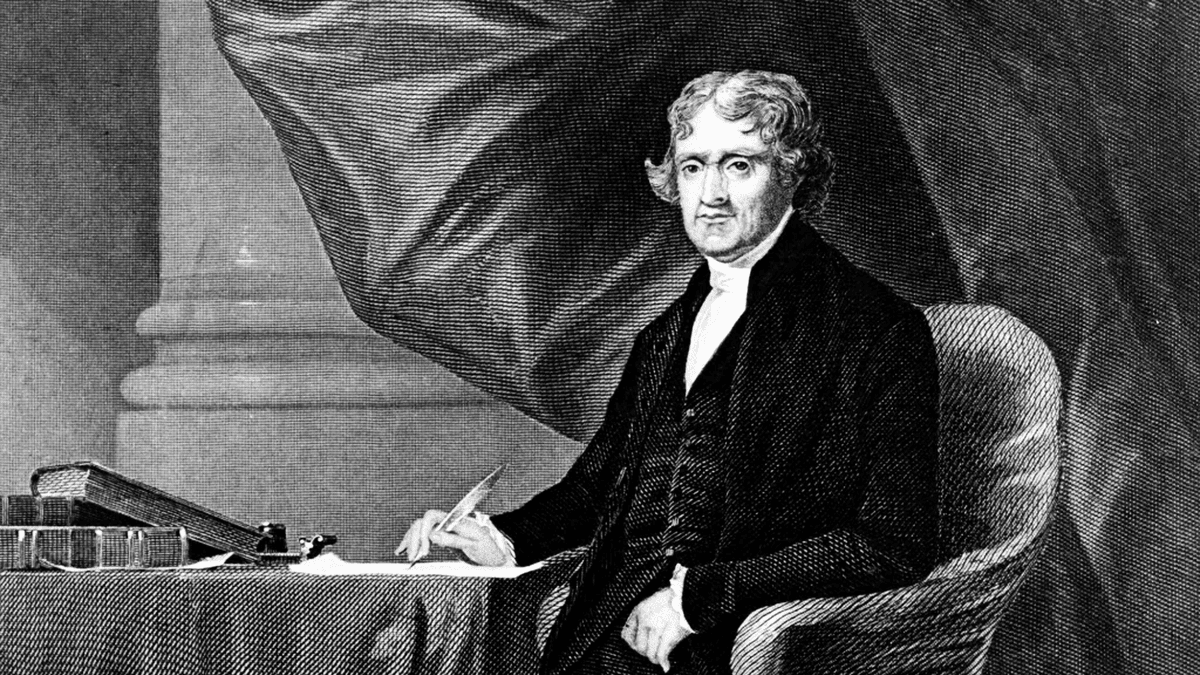
Thomas Jefferson’s Balancing Act: Power, Principles, and Pirates
He wanted smaller government. He ended up doubling the country. Jefferson’s presidency is the story of a man trying to shrink power—and finding out how complicated that gets when the world comes knocking.
Further Reading
Stay curious!