

1950: Senator Joseph McCarthy’s Red Scare Begins
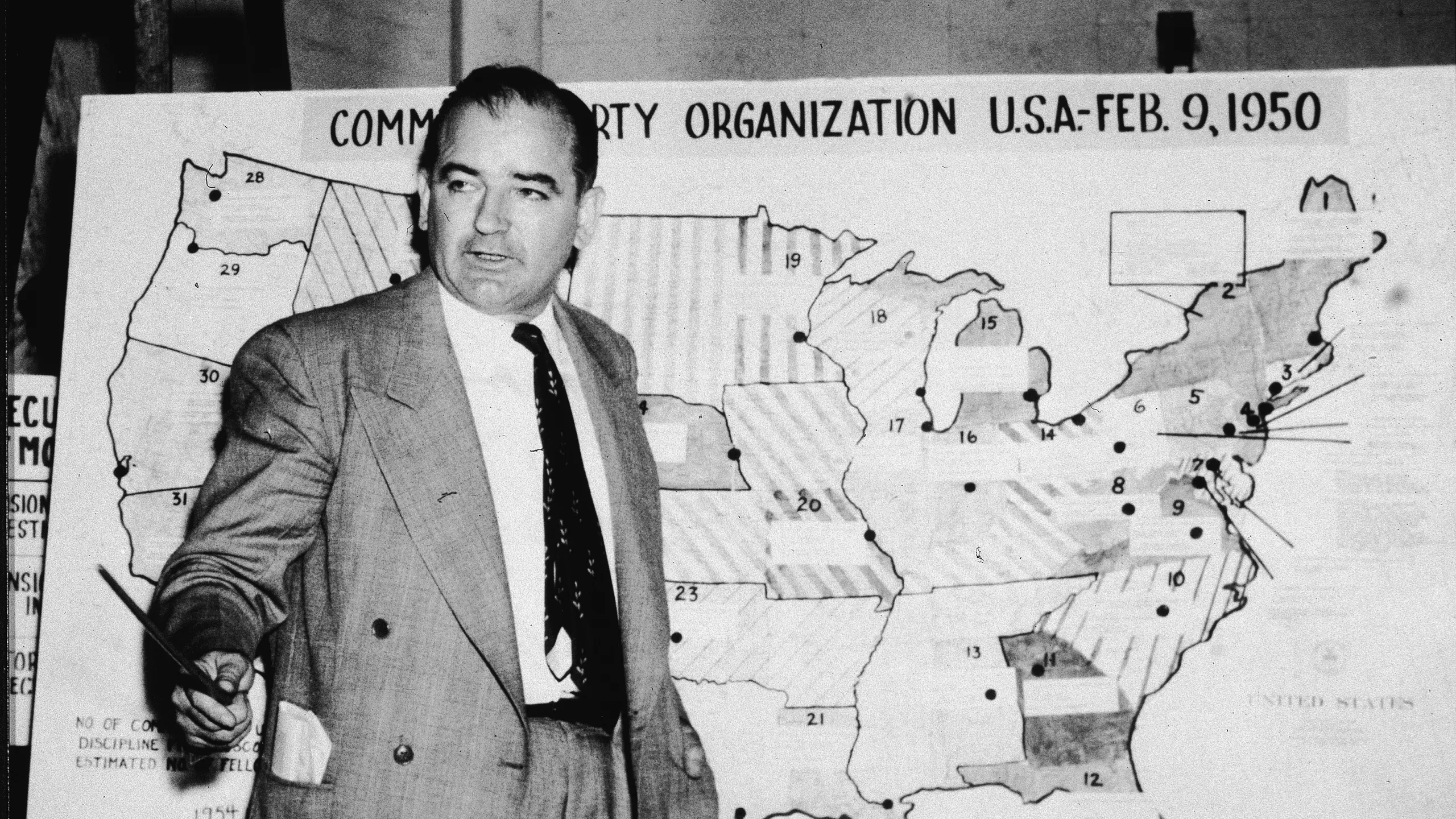
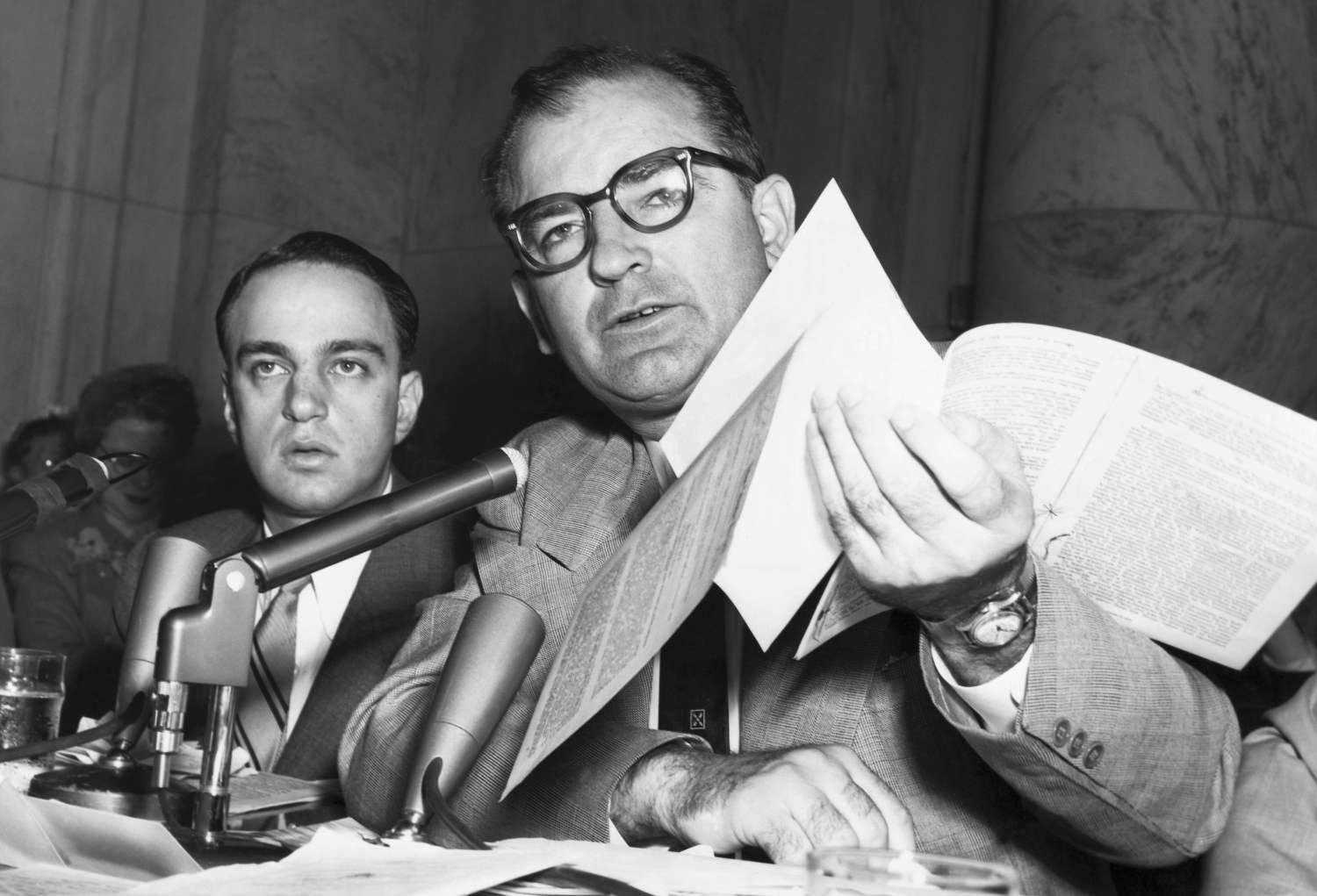
Senator Joseph McCarthy brandishing a list of supposed communists in the U.S. government, igniting a nationwide frenzy of suspicion and fear.
What Happened?
During the early years of the Cold War, tensions between the United States and the Soviet Union ran high. With communism spreading globally, many American leaders feared it could take root at home. Seizing on that fear, Senator Joseph McCarthy found his issue: rooting out ‘traitors’ in the U.S. government.
On February 9, 1950, McCarthy claimed he had a list of 205 communists working in the State Department. The number changed frequently, but the effect was the same—headlines blared, panic spread, and McCarthy’s rise to power was cemented.
In the following years, McCarthy wielded his influence ruthlessly, accusing public figures, military officers, and even fellow senators of communist sympathies. Careers were destroyed, and dissent became dangerous.
By 1954, McCarthy turned his sights on the U.S. Army, launching televised hearings that exposed his reckless tactics. Americans watched as lawyer Joseph Welch famously asked, 'Have you no sense of decency, sir?' That moment marked the beginning of McCarthy’s downfall.
Later that year, the Senate officially censured McCarthy, stripping him of power. Just three years later, he died in disgrace. However, the fear-driven politics he championed—blacklists, loyalty oaths, and labeling dissenters as 'un-American'—continue to resurface in modern times.
Why It Matters
McCarthyism wasn’t just about communism—it was about fear, control, and the erosion of civil liberties. It showed how dangerous political rhetoric can be when driven by paranoia rather than facts. The Red Scare led to blacklists, wrongful imprisonments, and the silencing of voices across journalism, academia, and the arts. Today, it serves as a warning: when we sacrifice truth for security, who really wins? And at what cost?
?
Why do you think people were so quick to believe McCarthy’s accusations? What made his claims so powerful?
How do you think fear influences political decisions? Can you think of examples from today where fear is used to gain power?
What happens when people are unfairly blamed for problems they didn’t cause? How would it feel to be treated as an “enemy” just for having different beliefs?
Dig Deeper
In the 1950s, as part of a campaign to expose suspected Communists, thousands of individuals were aggressively investigated and questioned before government panels. Named after its most notorious practitioner, the phenomenon known as McCarthyism destroyed lives and careers. But how did this episode of political repression take off?
Related
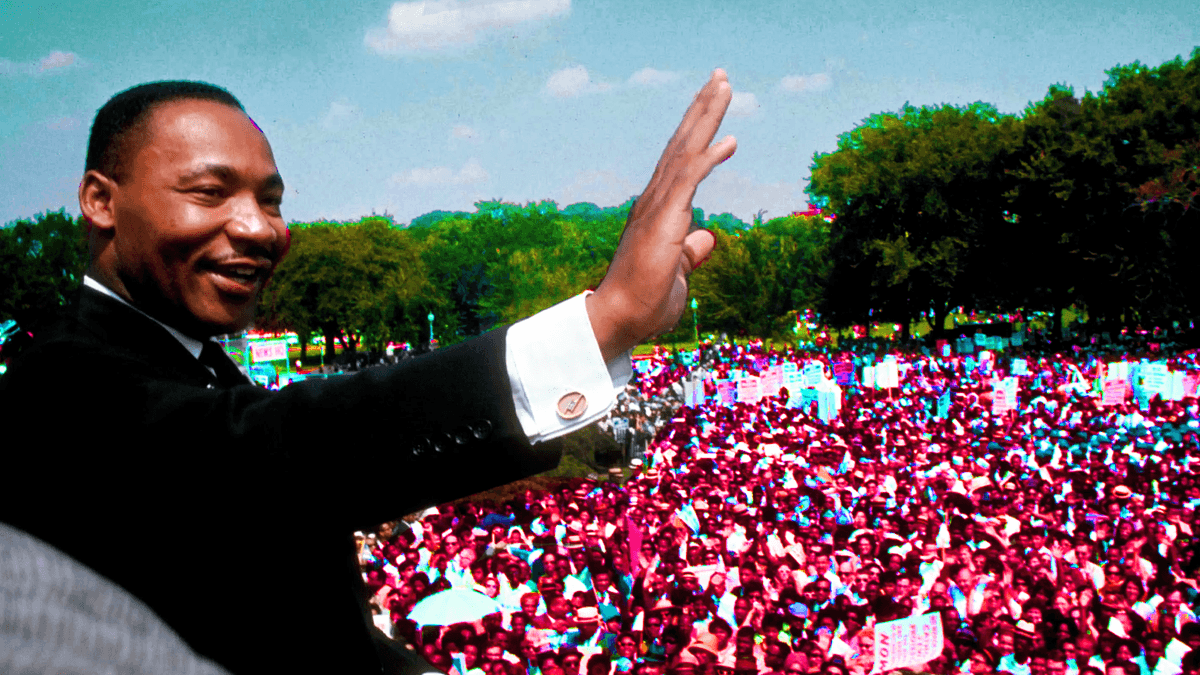
MLK the Disrupter and the Poor People’s Campaign
Dr. Martin Luther King Jr.’s final chapter was about more than civil rights—it was a bold demand for economic justice that challenged the nation’s values at their core.
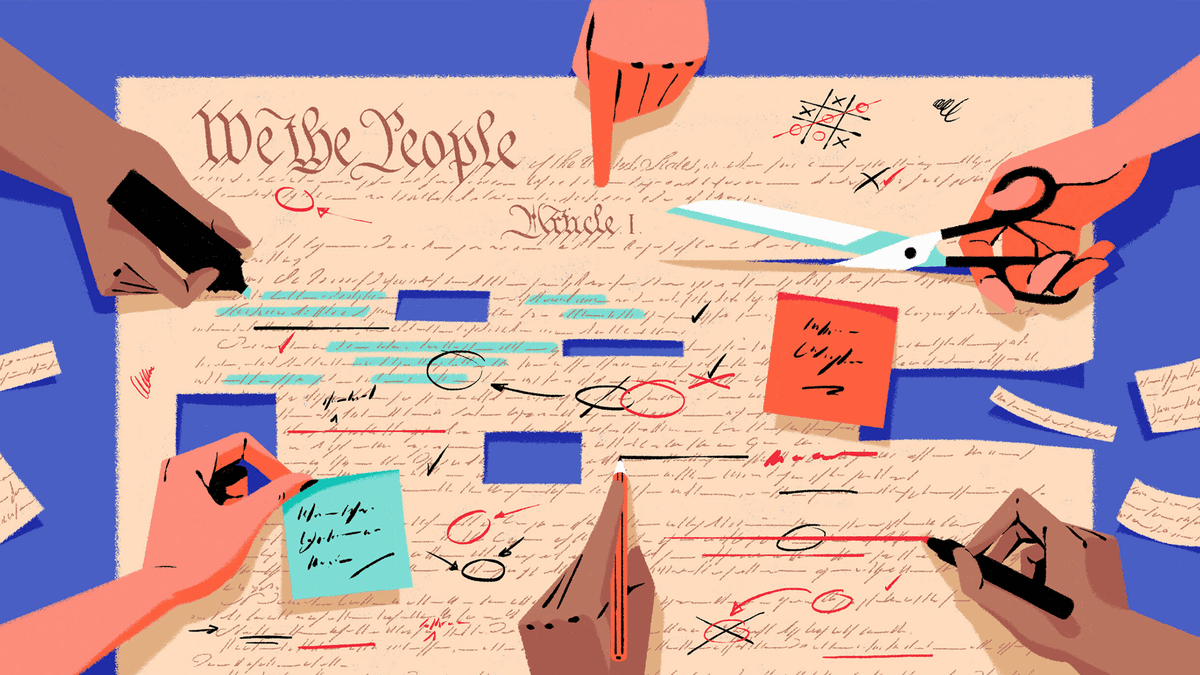
Building a New Nation: Foundations of State and National Government
From the shaky Articles of Confederation to the Constitution and Bill of Rights, discover how America’s founders navigated the turbulent waters of self-government—and why North Carolina took its time joining the party.
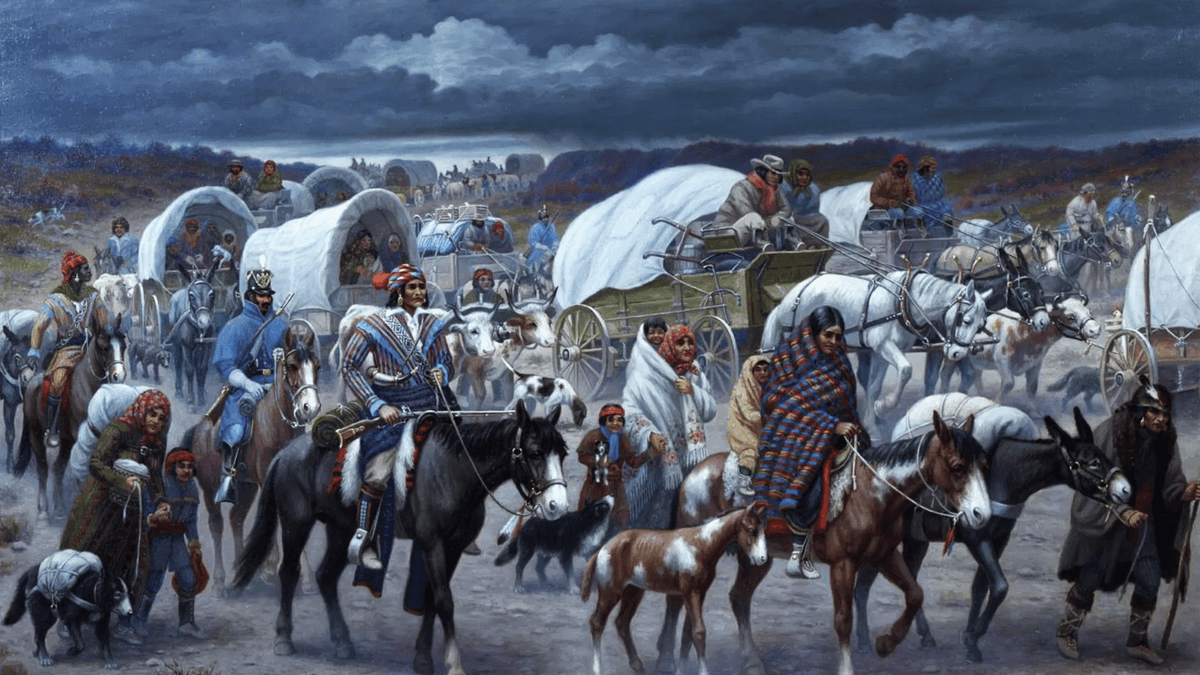
Indian Removal and the Trail of Tears
In the 1830s, the U.S. government forced thousands of Native Americans—including the Cherokee—off their ancestral lands, leading to a deadly westward march known as the Trail of Tears.
Further Reading
Stay curious!