

1964: Bob Dylan’s The Times They Are A-Changin’ Is Released
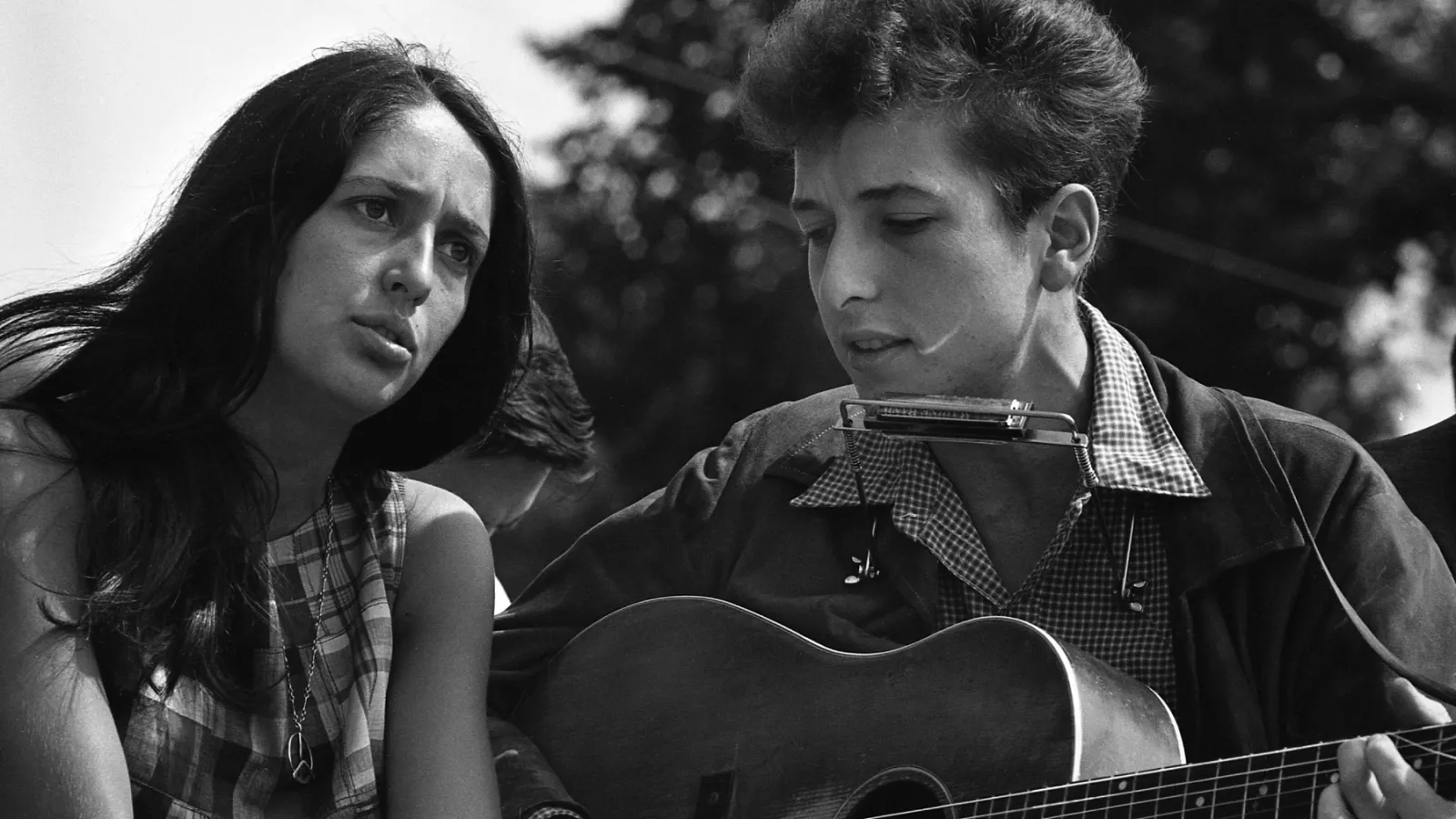
Bob Dylan’s The Times They Are A-Changin’ became the soundtrack for a world in motion.
What Happened?
By the early 1960s, folk music was intertwined with activism, and Dylan—just 22 years old—was at the forefront. His previous albums had already introduced audiences to his poetic, socially conscious songwriting, but The Times They Are A-Changin’ took a sharper tone, tackling injustice head-on.
The album’s title track quickly became an anthem of change, urging senators, congressmen, parents, and critics to step aside if they couldn’t embrace the new world being built. The lyrics carried echoes of Biblical prophecy and folk tradition, warning that ‘the first one now will later be last.’
Many listeners saw the song as a generational divide, a rallying cry for the young to challenge authority and demand a better future. But Dylan rejected the idea that it was about youth versus age. Instead, he described it as a song that separated ‘aliveness from deadness,’ a feeling rather than a manifesto.
Just months after Dylan recorded the song, President John F. Kennedy was assassinated. When Dylan opened his next concert with The Times They Are A-Changin’, he was struck by the audience’s reaction. ‘I couldn't understand why they were clapping, or why I wrote the song,’ he later reflected. ‘For me, it was just insane.’
The album’s other tracks continued Dylan’s critique of injustice, from ‘Only a Pawn in Their Game,’ which condemned the systemic racism behind the murder of civil rights activist Medgar Evers, to ‘With God on Our Side,’ which questioned America’s moral certainty in war.
Why It Matters
Dylan’s The Times They Are A-Changin’ is more than a protest album—it’s a time capsule of an America at a crossroads. It captured the anxiety and urgency of the 1960s, reflecting both the hope and turmoil of a country on the brink of transformation. The title track, now an immortal folk anthem, reminds us that change is constant, and that every generation faces its own reckoning. Over 50 years later, it still asks an uncomfortable but necessary question: Will we resist the tides of history, or learn to swim?
?
Why do you think The Times They Are A-Changin’ resonated so deeply with people in the 1960s? What about it still resonates today?
Bob Dylan later distanced himself from being a ‘protest singer.’ Why do you think he felt that way, despite writing such powerful political songs?
How does music influence social and political movements? Can you think of modern songs that have had a similar impact?
Dig Deeper
This footage was taken by DA Pennebaker for the documentary "Don't Look Back," but was not used in the final cut. The sound recording itself is from Sheffield (Apr. 30), the first concert of his eight-show England tour.
Related
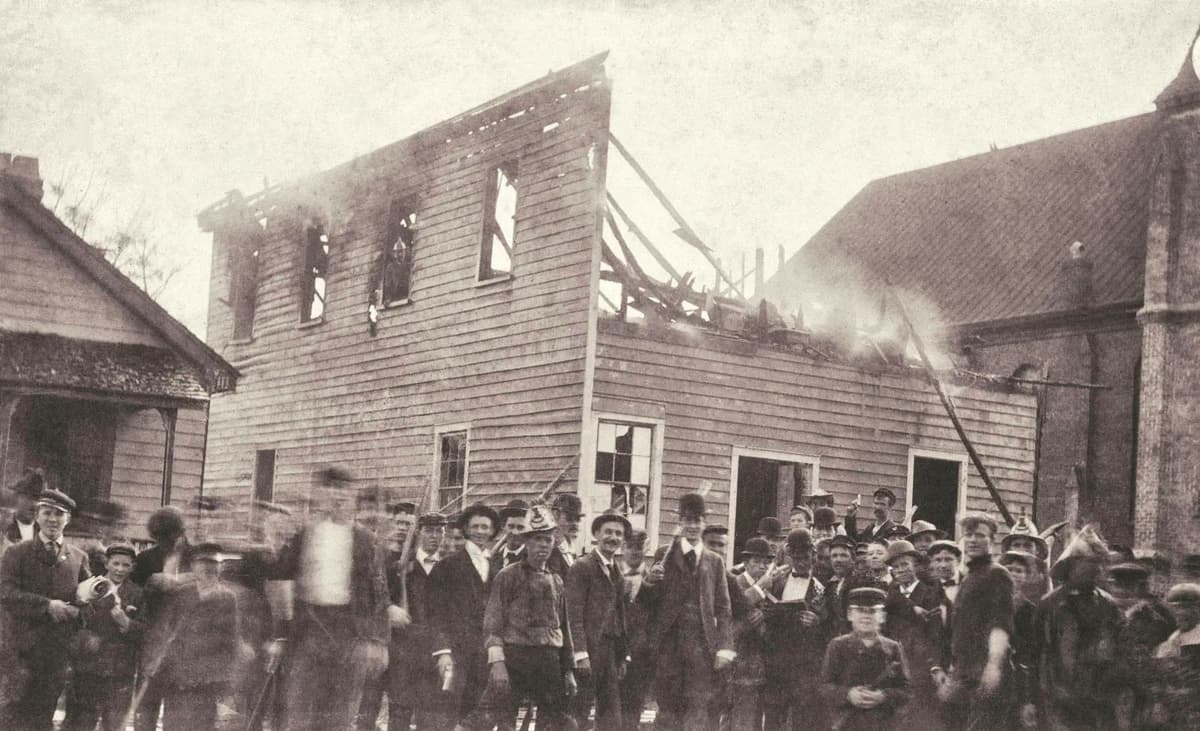
The Wilmington Coup: When Democracy Was Burned Down
In 1898, Wilmington, North Carolina had a thriving Black middle class, a multiracial government — and then a white mob overthrew it. Armed. Organized. Violent. This was no riot. It was a coup.
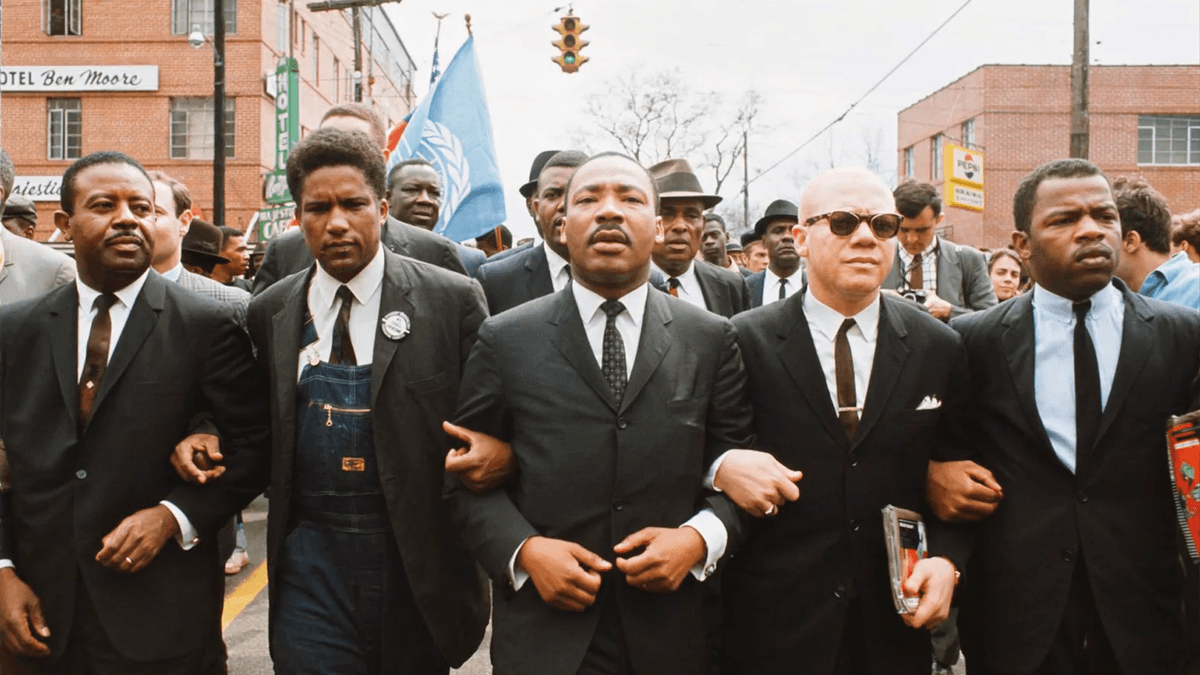
Montgomery Bus Boycott, Greensboro Sit-In, and the Rise of MLK
From Montgomery’s buses to Greensboro’s lunch counters, ordinary citizens ignited extraordinary change — and a new national leader emerged.
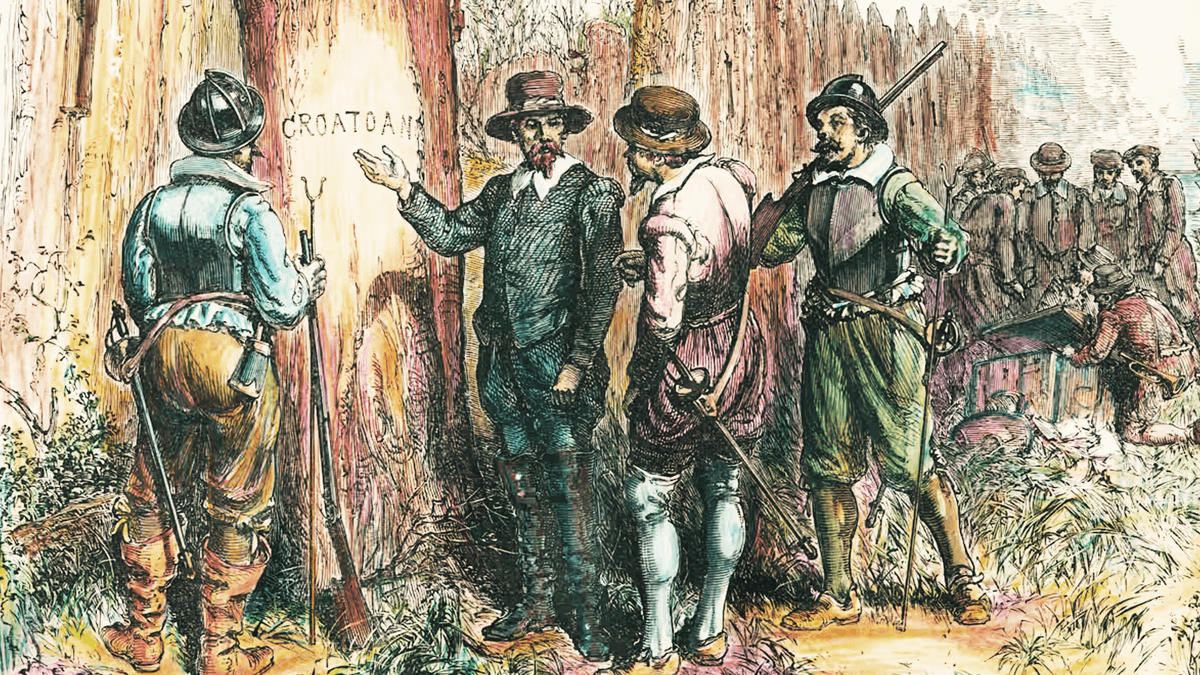
English Colonization: Roanoke, Jamestown, and Early Settlements
From vanished colonies and tobacco empires to pirates and indigenous resistance, the story of England’s first attempts at colonization in North America is anything but boring.
Further Reading

Stay curious!