

1990: Nelson Mandela is Freed After 27 Years
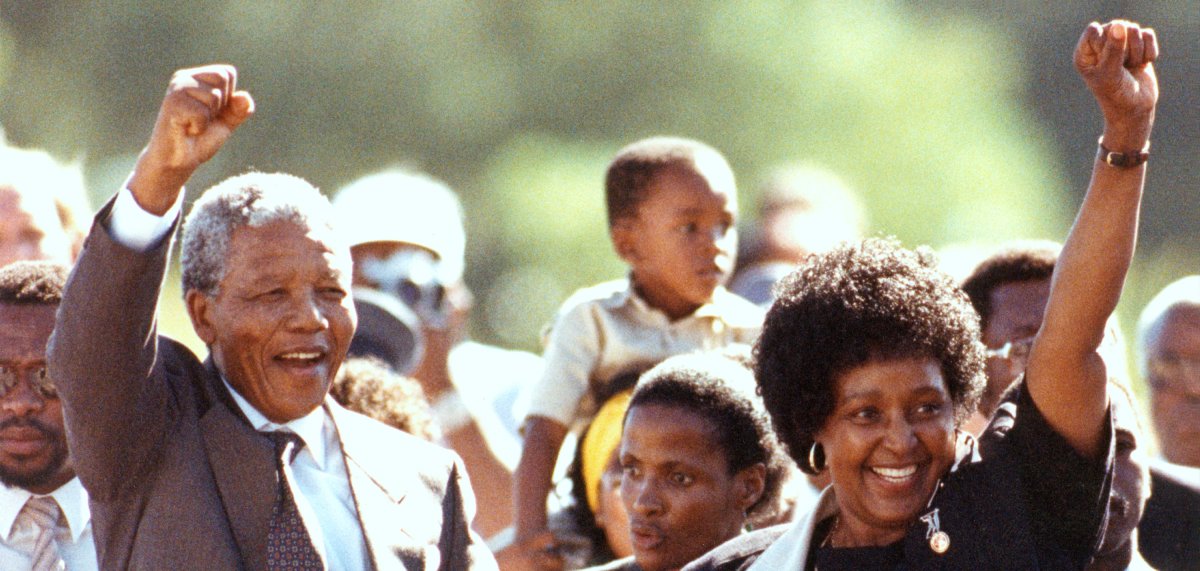
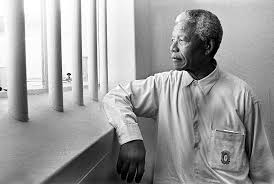
Nelson Mandela, hand in hand with Winnie Mandela, walks triumphantly out of Victor Verster Prison as crowds cheer.
What Happened?
On February 11, 1990, at exactly 16:14 local time, Nelson Mandela stepped out of Victor Verster Prison, ending nearly three decades of imprisonment. For years, the South African government had tried to silence him, refusing to release photographs of him and keeping him hidden from public view. But even in confinement, Mandela became the face of resistance against apartheid, a living symbol of the fight for freedom. His release was not just about one man—it was a defining moment in the global struggle for justice, proving that even the most entrenched systems of oppression can be dismantled.
Born in 1918, Nelson Mandela became a leader in the African National Congress (ANC) and a key figure in the fight against apartheid. Initially committed to nonviolent protest, he shifted tactics following the 1960 Sharpeville Massacre, which saw South African police open fire on unarmed protestors, killing 69 people. In response, Mandela co-founded the ANC’s armed wing, Umkhonto weSizwe, believing that armed resistance was the only path left.
Arrested in 1962 and later sentenced to life in prison for sabotage, Mandela spent 18 years on Robben Island, enduring grueling conditions. He was confined to a small cell, subjected to hard labor in a limestone quarry, and allowed just one visitor per year. Despite this, Mandela remained a leader behind bars, organizing fellow prisoners and secretly communicating with ANC members on the outside.
Throughout the 1980s, international pressure mounted against South Africa’s apartheid regime. Economic sanctions, cultural boycotts, and relentless activism forced the government to reconsider its stance. In 1989, newly elected President F.W. de Klerk unbanned the ANC and announced Mandela’s release.
When Mandela finally walked free, the world held its breath. Thousands lined the streets waving ANC flags, and millions watched on television as he delivered a speech that would set the course for South Africa’s future. 'The struggle is far from over,' he declared. Over the next four years, he worked to negotiate the end of apartheid, paving the way for the nation’s first democratic elections in 1994—where he would be elected its first Black president.
Why It Matters
Mandela’s release wasn’t just about ending his imprisonment—it symbolized the crumbling of apartheid and the triumph of justice over oppression. His unwavering belief in equality, even after 27 years behind bars, transformed him into a global icon of resilience. More than three decades later, his story serves as a powerful reminder that freedom is never simply handed over—it must be continuously fought for, generation after generation. Just as Mandela challenged laws designed to oppress, people today must ask themselves: What injustices still require the same level of courage and commitment? How can individuals, communities, and future generations continue the legacy of those who fought for justice before them?
?
Mandela believed that everyone deserves to be treated equally, no matter their skin color or background. Do you think people are treated fairly today? What are some ways you can help make the world a more fair and kind place?
In some places, kids today still don’t have the same rights or opportunities as others. If you could change one unfair rule in the world right now, what would it be and why?
Mandela once said, 'To be free is not merely to cast off one’s chains, but to live in a way that respects and enhances the freedom of others.' What do you think he meant by that?
Mandela once said, 'Education is the most powerful weapon which you can use to change the world.' How do you think learning new things can help make the world a better place?
Dig Deeper
Nelson Rolihlahla Mandela was a nonviolence anti-apartheid activist, politician and philanthropist who became South Africa’s first black president. Find out more about his life in this short biography.
Explore how Dutch and British colonization of South Africa led to Apartheid, the strict national policy of racial segregation.
Related
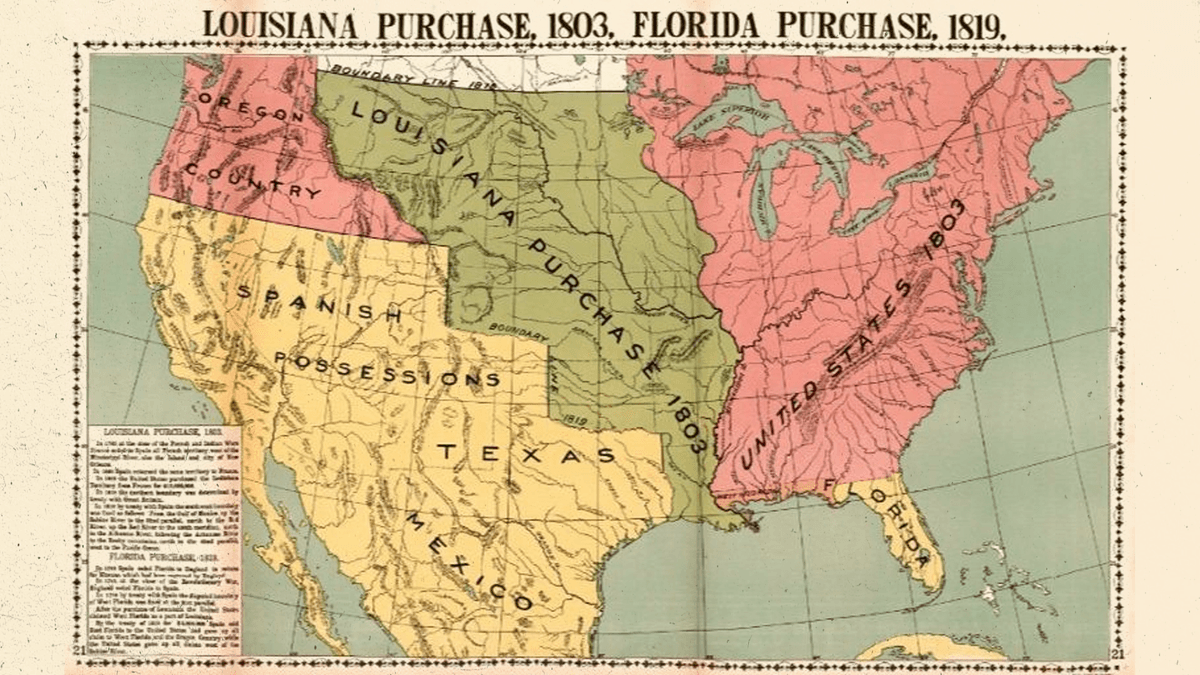
The Louisiana Purchase: A River, A Bargain, and a Bigger United States
In 1803 the United States bought the vast Louisiana Territory from France, doubling the nation’s size, securing the Mississippi River, and setting the stage for westward expansion and hard questions about slavery and Native sovereignty.
The War on Terror: A New Era of U.S. Power
After the September 11th attacks, the United States didn't just declare war on terrorism—it redefined national security, global alliances, and the limits of civil liberties.
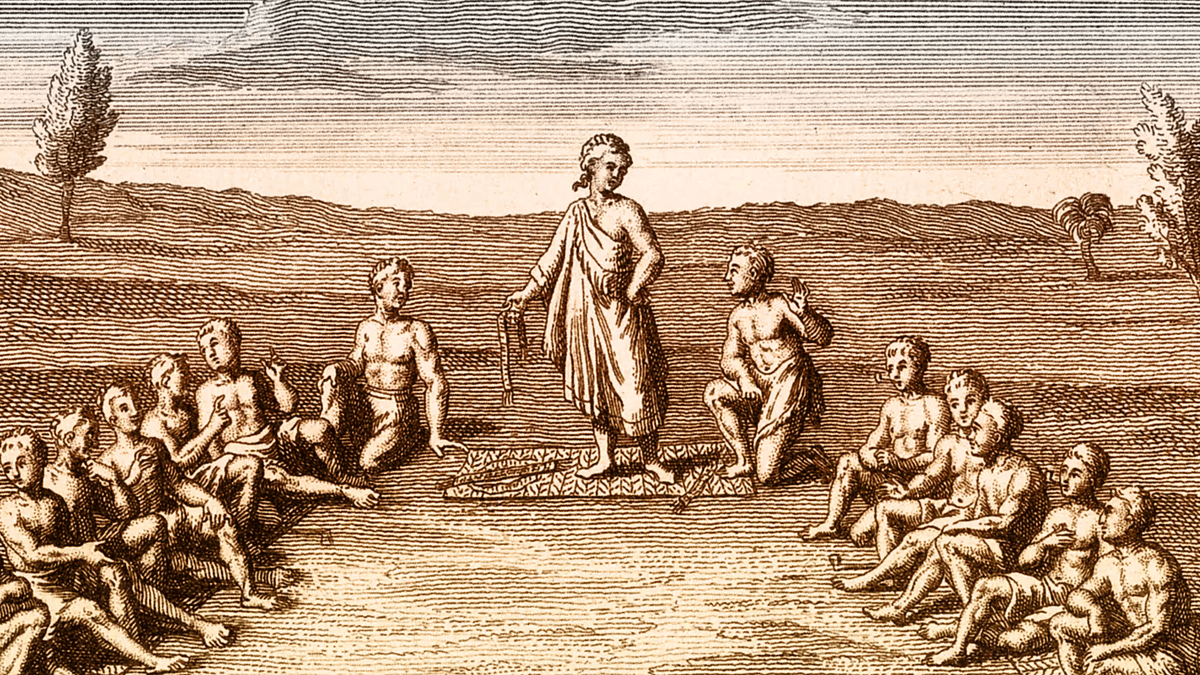
The Haudenosaunee Confederacy: Indigenous Roots of American Democracy
Long before the Founding Fathers gathered in Philadelphia, a league of Native Nations had already established one of the world’s oldest participatory democracies—an Indigenous blueprint for unity, peace, and governance.
Further Reading
Stay curious!