

The Assassination of Malcolm X
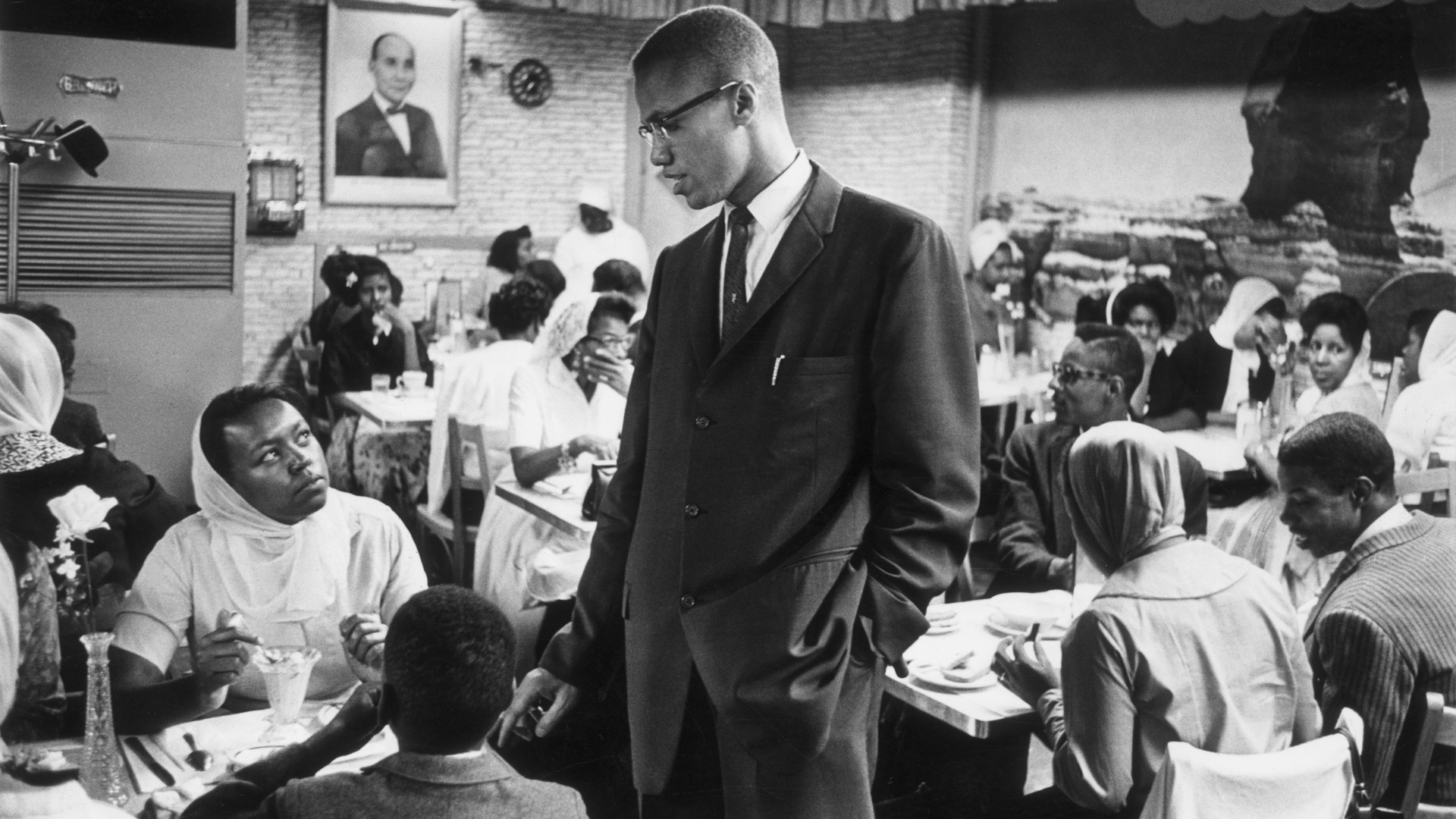
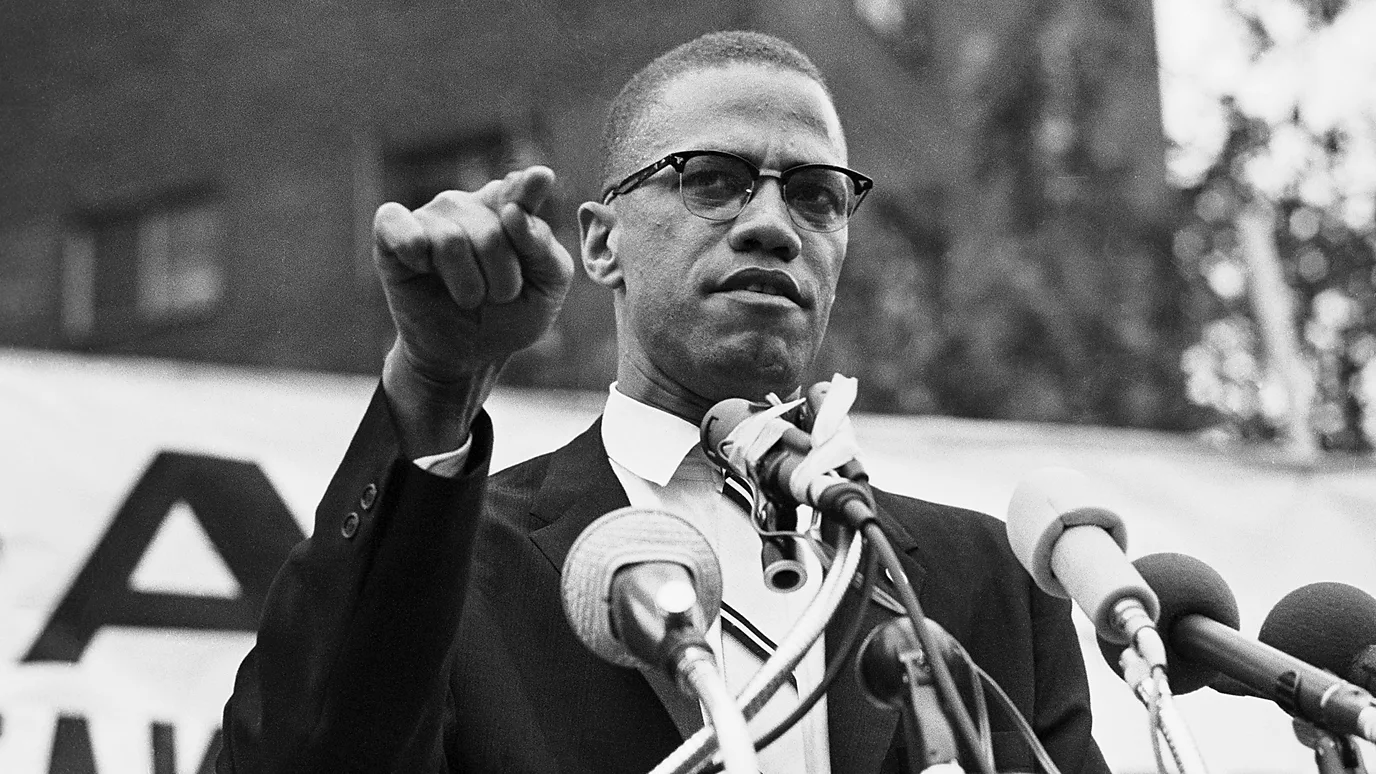
A former minister of the Nation of Islam, Malcolm had become a global advocate for Black self-determination and unity.
What Happened?
Malcolm X’s journey to revolutionary leadership was anything but ordinary. Born Malcolm Little in 1925, he grew up amid racial terror and systemic injustice. His father was murdered by white supremacists, and his mother was institutionalized, leaving young Malcolm to navigate the foster system. By his early 20s, he was incarcerated for burglary—a moment that became a turning point. In prison, he discovered the teachings of Elijah Muhammad and the Nation of Islam, beginning a transformation that would change the course of history.
As Malcolm X, he became a minister, organizer, and fiery orator who rejected nonviolence in favor of self-defense. ‘By any means necessary’ became his rallying cry. He electrified audiences with his searing critiques of white supremacy and his call for Black empowerment. But by 1964, his growing disillusionment with the Nation of Islam—particularly with its leader Elijah Muhammad—led to his departure. He embraced Sunni Islam after a life-changing pilgrimage to Mecca, where he saw racial unity among Muslims of all backgrounds.
His new vision? A global movement for human rights. He founded the Organization of Afro-American Unity, advocating for Pan-African solidarity and an end to racial oppression. But he was also aware that his break from the Nation of Islam had made him a marked man. Threats escalated. His home was firebombed. The FBI kept him under constant surveillance. And then, on February 21, 1965, as he took the stage in Harlem, he was assassinated in front of his wife and children.
Three members of the Nation of Islam—Mujahid Abdul Halim, Muhammad A. Aziz, and Khalil Islam—were arrested and convicted. Yet, decades later, new evidence emerged suggesting that the FBI and NYPD had withheld crucial information. In 2021, Aziz and Islam were exonerated, their wrongful convictions finally overturned after more than half a century.
Malcolm X was more than a man—he was a movement. He evolved from a militant separatist to an advocate for global Black unity, and his ideas continue to inspire generations fighting for justice. His assassination was meant to end his influence, but instead, it cemented his legacy as a revolutionary thinker whose words still ignite minds today.
So how do we honor Malcolm’s legacy? By challenging oppression. By demanding truth. By refusing to let history be whitewashed. And most of all, by continuing the fight for liberation—not just in words, but in action.
Why It Matters
Malcolm X was more than a historical figure—he was a force. His ideas challenged complacency and demanded radical change. He warned that racism was a global system, not just an American problem. He saw the connections between Black liberation, anti-colonial struggles, and economic justice. His assassination reminds us that voices of truth are often silenced, but the truth itself cannot be killed. Today, when systemic racism still persists, when oppression still thrives, Malcolm’s words remain relevant: ‘You can’t separate peace from freedom because no one can be at peace unless he has his freedom.’
?
How did Malcolm X’s philosophy evolve over time, and why is that evolution significant?
What lessons can modern activists learn from Malcolm X’s approach to organizing and resistance?
How did the government and law enforcement respond to Malcolm X during his lifetime, and what does that tell us about how power structures react to revolutionary leaders?
Dig Deeper
Preacher, revolutionary. #MalcolmX lived and died for Black liberation. This is the extraordinary transformation of a man who became a hero for generations.
In this clip from 1965, after leaving the Nation of Islam, Malcolm X appears on CBC-TV's 'Front Page Challenge' weeks before his assassination. He proclaims, "I'm against any form of segregation and racism."
Related
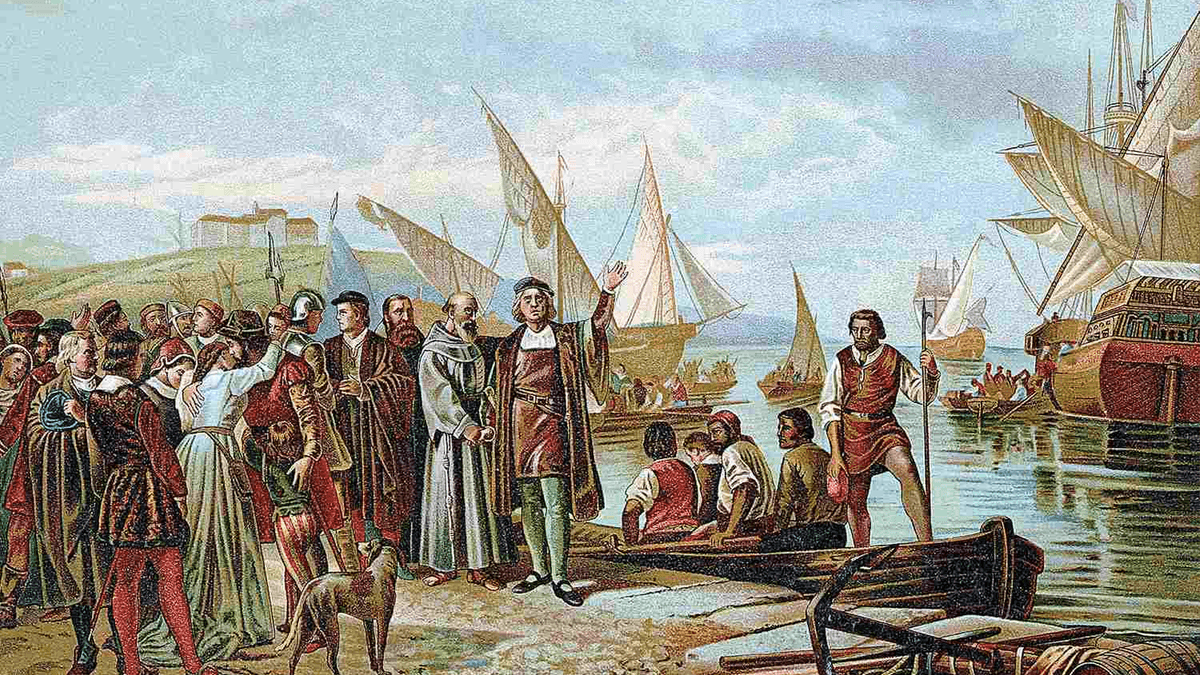
European Exploration of the Americas
When European explorers set sail across the Atlantic, they weren’t just chasing trade routes—they were rewriting the world’s future. But discovery for some meant devastation for others.
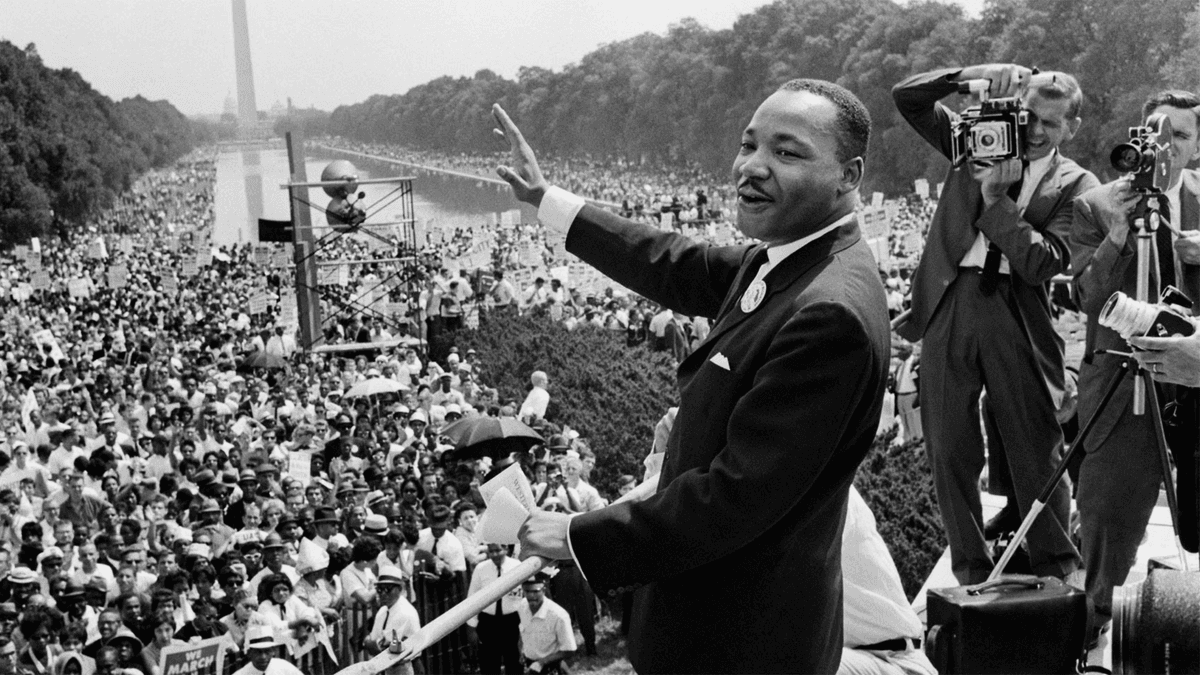
The Civil Rights Movement: Struggle, Solidarity, and Social Change
From classrooms to courthouses, buses to bridges, the Civil Rights Movement reshaped America’s laws — and its conscience.
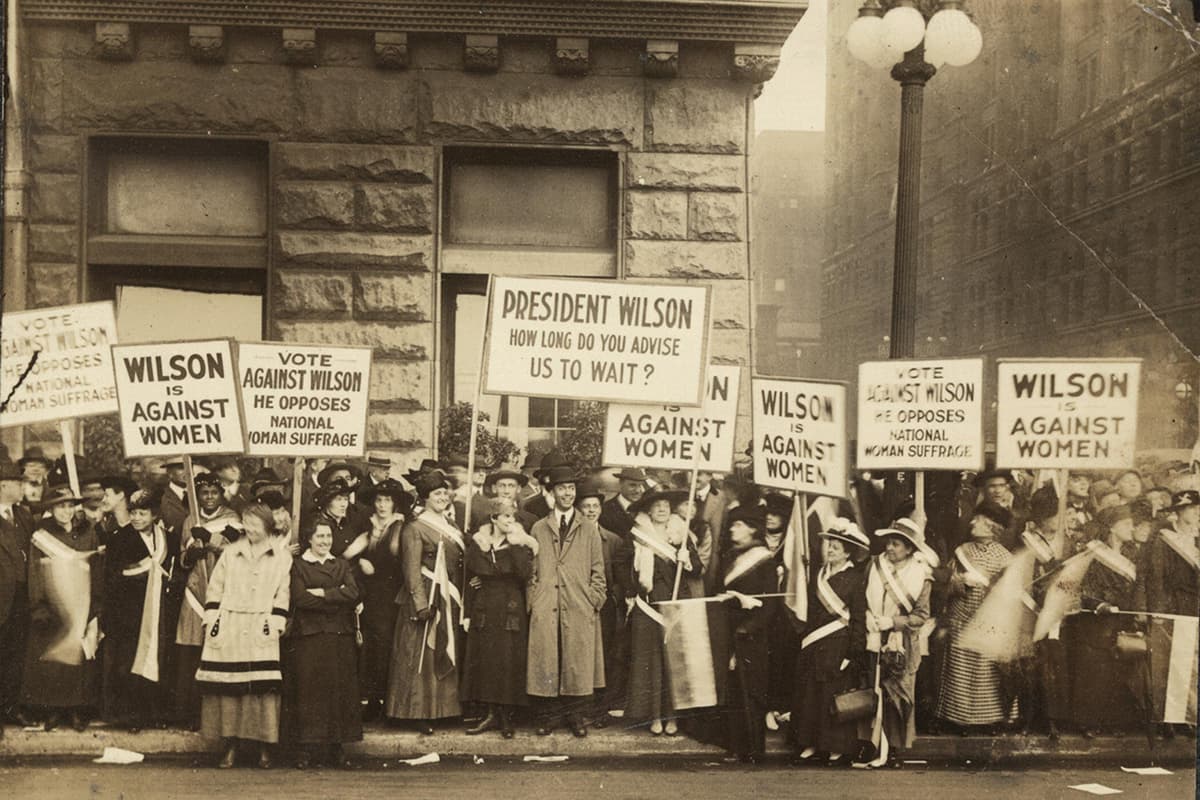
Votes for Women: The Fight for the 19th Amendment
It took more than 70 years of protests, petitions, and picket lines to win the right for women to vote in the United States. The 19th Amendment didn’t just expand democracy—it redefined it.
Further Reading
Stay curious!