

The Fall of King Louis-Philippe and the Birth of the Second French Republic
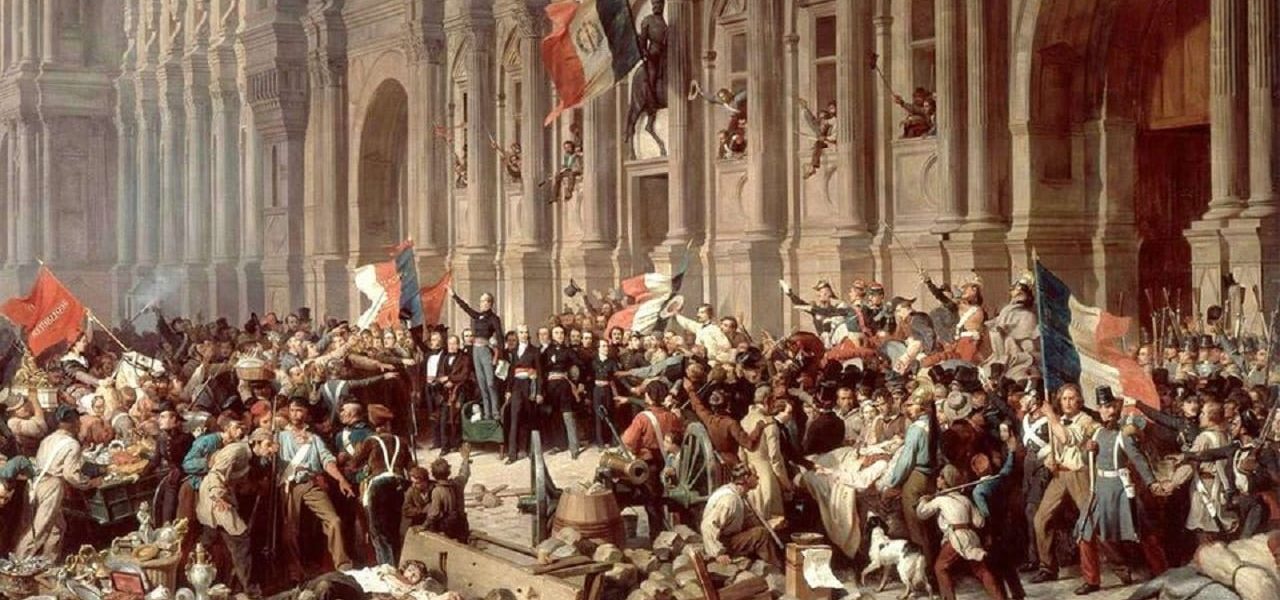
A painting depicting the February 1848 Revolution in Paris, with protesters storming the streets and barricades.
What Happened?
By the 1840s, France was plagued by economic crises, high unemployment, and growing inequality. A series of poor harvests in 1846-1847 led to food shortages, and government policies that favored the wealthy left the working class struggling to survive. Calls for democratic reforms intensified, with activists pushing for expanded voting rights and political representation.
Despite mounting unrest, King Louis-Philippe and his government, led by Prime Minister François Guizot, refused to enact meaningful reforms. To bypass bans on political gatherings, reformers organized ‘banquets’ where they discussed their demands for change. The government, fearing these meetings would incite revolution, banned them outright in early 1848. This decision backfired spectacularly.
On February 22, 1848, demonstrators took to the streets of Paris, demanding reforms. As the protests grew, they clashed with government troops. The National Guard, initially deployed to control the crowd, instead sided with the protesters. On February 23, amid escalating violence, government troops fired into a crowd, killing dozens of civilians. This massacre turned public outrage into full-scale revolution.
By February 24, Paris was covered in barricades, and revolutionary forces controlled key areas of the city. Realizing he had lost control, King Louis-Philippe abdicated in favor of his grandson. However, the people of Paris rejected the monarchy entirely. Revolutionaries stormed the Chamber of Deputies, and by evening, the Second French Republic was proclaimed.
With the monarchy overthrown, a provisional government was formed, made up of both moderate and radical republicans. Among them was Alphonse de Lamartine, who played a key role in shaping the new republic. Over the following months, the new government introduced sweeping reforms, including universal male suffrage and workers’ rights protections.
However, the unity among revolutionaries soon faded. While radicals pushed for social reforms, conservatives sought to maintain order and property rights. In December 1848, Louis-Napoleon Bonaparte, nephew of Napoleon I, was elected president. Although he had promised to uphold the Republic, he later staged a coup in 1851, dissolving the government and establishing the Second French Empire.
The February Revolution of 1848 was part of a larger wave of uprisings across Europe. Inspired by events in France, revolutions broke out in Germany, Austria, Italy, and beyond, as people demanded constitutional rule, national independence, and an end to autocratic governments. While many of these movements were ultimately suppressed, they set the stage for future democratic reforms and national unifications in Europe.
Though the Second French Republic was short-lived, its establishment marked a critical step in France’s transition toward democracy. The fall of Louis-Philippe and the birth of the Republic demonstrated the power of the people to challenge oppressive governments and demand change. The ideals of liberty, equality, and fraternity continued to shape France’s political identity in the years to come.
Why It Matters
The February Revolution of 1848 was a turning point in European history, proving that mass movements could overthrow monarchies and demand democratic reforms. While the Second French Republic was short-lived, it paved the way for future revolutions and shaped France’s long-term political development. It also inspired revolutionary uprisings across Europe, reinforcing the idea that governments must be accountable to the people, not just the elite.
?
Dig Deeper
Examine the French Revolution, and get into how and why it differed from the American Revolution. Was it the serial authoritarian regimes? The guillotine? The Reign of Terror? All of this and more contributed to the French Revolution not being quite as revolutionary as it could have been.
The formal title for France today is the Fifth French Republic and given that most nations have only had one period of republicanism (or maybe two), how has France managed to have five? To find out watch this short and simple animated history documentary.
Related
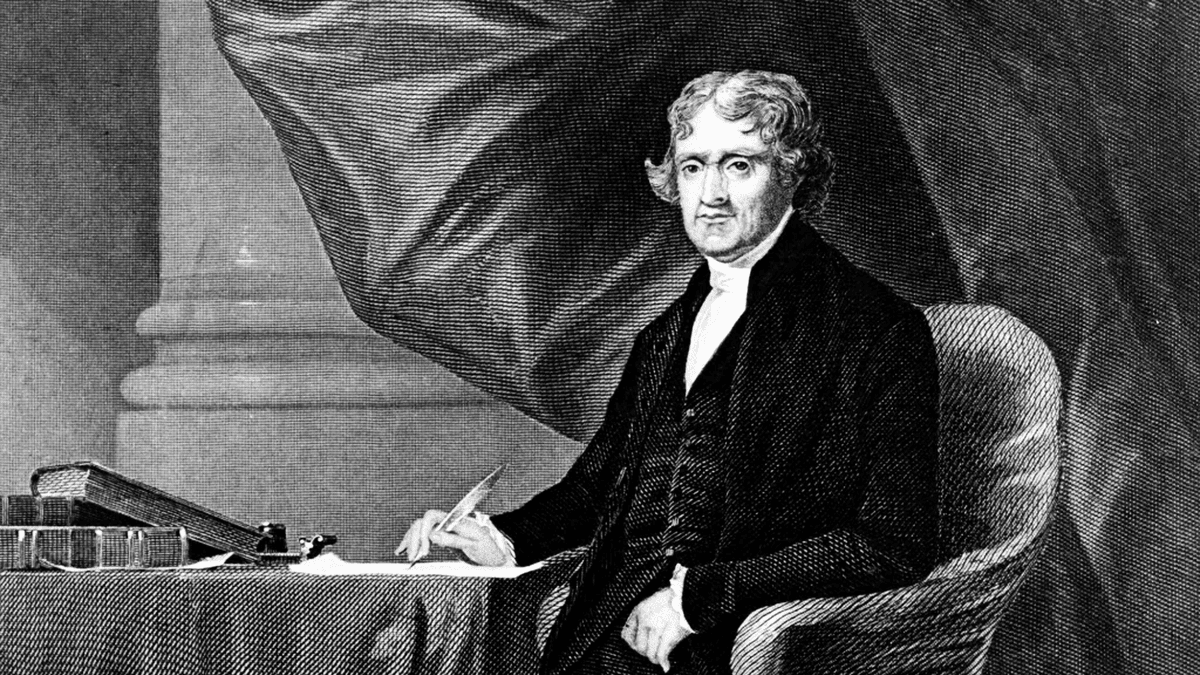
Thomas Jefferson’s Balancing Act: Power, Principles, and Pirates
He wanted smaller government. He ended up doubling the country. Jefferson’s presidency is the story of a man trying to shrink power—and finding out how complicated that gets when the world comes knocking.
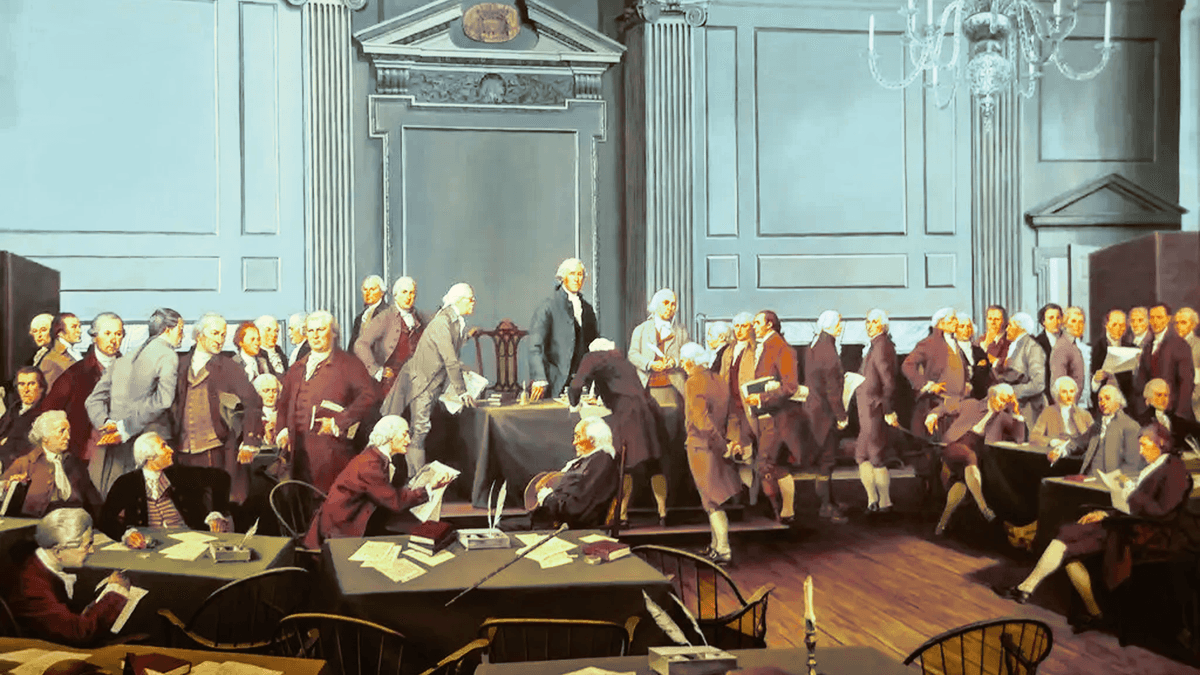
From Articles to the Constitution
The Articles of Confederation got us through a revolution—but not much more. Weak laws, no executive, and constant in-fighting forced the Founders back to the drawing board. What came next? The Constitution.
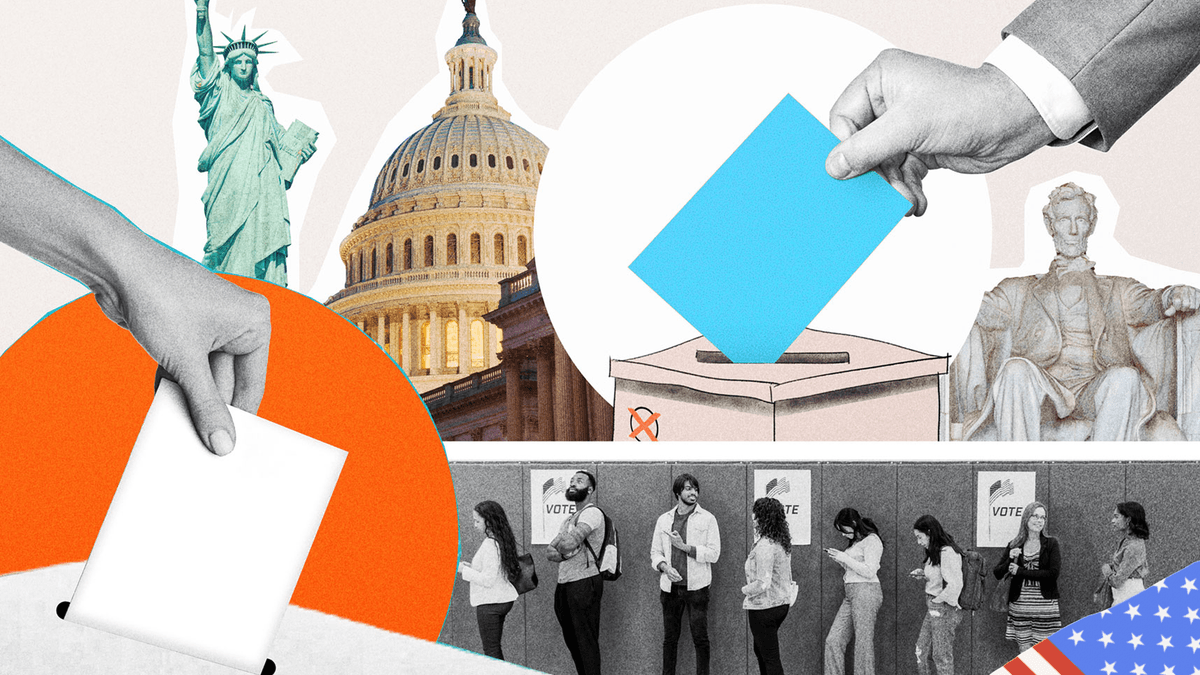
Democracy: Government by the People
Democracy is more than voting every few years. It is a way of sharing power, protecting rights, and making sure ordinary people have a real voice in how they are governed.
Further Reading
Stay curious!