

The Salem Witch Trials Begin: The Arrest of Sarah Good, Sarah Osborne, and Tituba

An illustration of a woman on trial for witchcraft in 17th-century Salem, surrounded by judges and accusers.
What Happened?
In late 17th-century New England, Puritan society was a rigid and deeply religious community where fear of the devil ran rampant. When Reverend Samuel Parris’ daughter and niece began exhibiting bizarre and violent fits in early 1692, a doctor, lacking any medical explanation, declared witchcraft the culprit.
Under pressure, the girls accused three women: Tituba, an enslaved Indigenous woman from the Caribbean; Sarah Good, a homeless beggar despised by the community; and Sarah Osborne, an elderly woman who had been entangled in legal disputes over property rights. With little standing to defend themselves, the three became easy targets for the first wave of accusations.
Sarah Good, born into a well-off family, had suffered years of misfortune, leaving her destitute and begging for food. The community viewed her with suspicion and disdain. Her social status all but sealed her fate. Even her own husband testified against her, ensuring that she stood no chance of escaping the court’s verdict.
The Salem courts relied heavily on ‘spectral evidence’—testimony that accused witches sent spirits to torment their victims. Good was defiant, repeatedly denying her guilt, but she was powerless against a legal system designed to convict. She was sentenced to hang, though her execution was postponed until she gave birth in prison. Tragically, her infant did not survive, and Good was hanged on July 19, 1692.
Her six-year-old daughter, Dorcas, was also accused of witchcraft and spent months imprisoned, a child caught in the web of mass hysteria. Even when evidence against Good was disproven, such as an accuser falsely claiming to have been stabbed with her knife, judges simply urged the accuser to continue with ‘true’ testimony.
The trials did not stop with Good, Osborne, and Tituba. Over the next year, accusations spiraled, engulfing neighbors, friends, and even respected figures. The fear of witchcraft was fueled by deep-seated societal tensions, economic struggles, and a culture that thrived on religious extremism and xenophobia.
In 1711, the Massachusetts colonial government issued pardons and reparations for some of the accused, acknowledging the gross injustice of the trials. However, it wasn’t until 2022 that Elizabeth Johnson Jr., the last convicted Salem ‘witch,’ was officially exonerated, 330 years after her wrongful conviction.
The Salem Witch Trials remain a stark warning about the dangers of mass hysteria, scapegoating, and systems of power that thrive on fear rather than truth. What happened in 1692 serves as a reminder that societies must always guard against moral panics and ensure that justice is grounded in reason, not paranoia.
Why It Matters
The Salem Witch Trials are more than a relic of the past. They are a mirror reflecting the perils of mass hysteria, unjust legal systems, and the persecution of marginalized groups. Whether in history books or modern courtrooms, fear-driven accusations continue to threaten justice. The lessons of 1692 are still relevant today, who do we scapegoat in times of crisis? What unchecked powers do we allow to shape narratives? And how often do we realize injustice only after the damage has been done?
?
Dig Deeper
Dig into how the infamous Salem Witch Trials began and why they remain a cautionary tale of the dangers of groupthink and scapegoating.
What fueled the frenzy that sent so many to their deaths in colonial America? And how did Americans reckon with the aftermath of the panic?
Related

Trickle-Down Economics
For decades, politicians have promised that cutting taxes for the rich would benefit everyone. But does the wealth really 'trickle down'—or does it just stay at the top? A deep dive into the history, evidence, and impact of trickle-down economics.
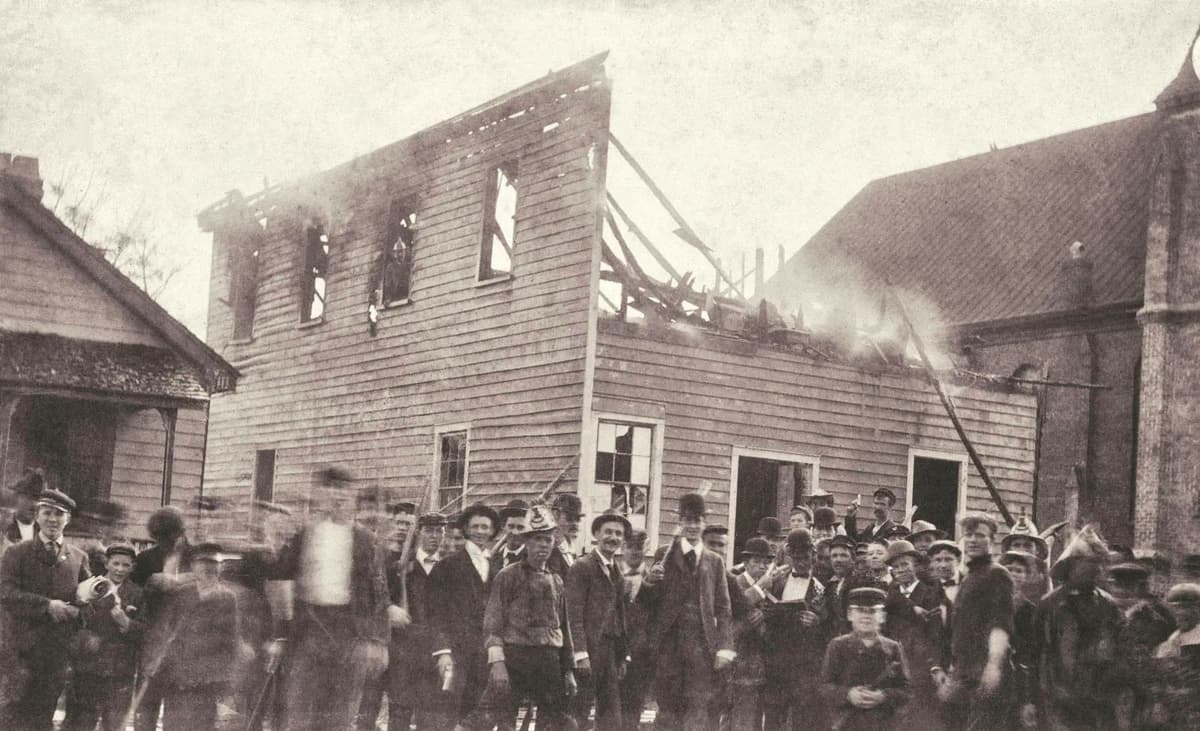
The Wilmington Coup: When Democracy Was Burned Down
In 1898, Wilmington, North Carolina had a thriving Black middle class, a multiracial government — and then a white mob overthrew it. Armed. Organized. Violent. This was no riot. It was a coup.
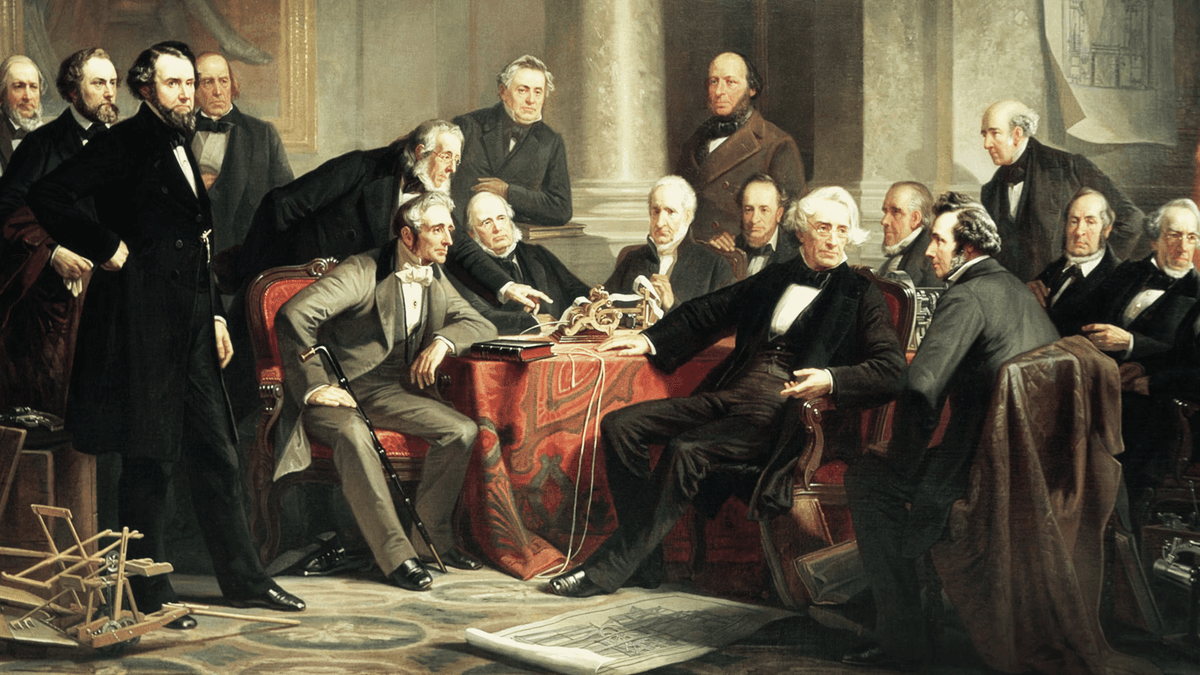
The Enlightenment: Revolution of the Mind
The Enlightenment wasn’t just an era of smart people in powdered wigs—it was a radical shift in how humans understood power, truth, and their place in the world. Its ideas fueled revolutions, rewrote constitutions, and laid the intellectual bricks of modern democracy.
Further Reading

Stay curious!