

The Tenure of Office Act and the Power Struggle Over Reconstruction

An 1868 political cartoon depicting Andrew Johnson being impeached, symbolizing the clash between the presidency and Congress during Reconstruction.
What Happened?
In the turbulent years after the Civil War, President Andrew Johnson clashed with Radical Republicans in Congress over how to reconstruct the South. Johnson, a Southern Democrat, favored lenient policies that allowed former Confederate leaders to return to power, while Congress sought stronger measures to protect the rights of freed Black Americans.
To curb Johnson’s ability to remove officials who supported Reconstruction, Congress passed the Tenure of Office Act on March 2, 1867, overriding his veto. The Act required Senate approval for the president to fire executive officials who had been confirmed by the Senate. Though framed as a general check on presidential power, the law was widely understood to be aimed at one man: Secretary of War Edwin Stanton, a staunch ally of Congressional Reconstruction.
When Johnson attempted to remove Stanton in 1868 and replace him with Lorenzo Thomas, he directly violated the Tenure of Office Act. Congress responded by launching impeachment proceedings—the first against a U.S. president. Johnson’s impeachment trial captivated the nation, with daily tickets issued for members of the public eager to witness history unfold in the Senate chamber.
After an 11-week trial, the Senate fell just one vote short of convicting Johnson and removing him from office. Though he remained in power, his presidency was effectively crippled, and he did not seek reelection. Meanwhile, the political struggle over Reconstruction continued, with Congress maintaining dominance over federal policies in the South.
The Tenure of Office Act remained a point of contention for decades. In 1878, President Rutherford B. Hayes challenged it when he attempted to clean up corruption in the New York Customs House, and President Grover Cleveland went even further in 1887, successfully pushing for the Act’s repeal. Finally, in 1926, the Supreme Court ruled in Myers v. United States that the law had been unconstitutional all along, affirming the president’s authority to remove executive officials without Senate interference.
While the Tenure of Office Act was short-lived, its legacy echoes in modern debates over executive power and congressional oversight. The battle between Johnson and Congress set important precedents for the balance of power in the federal government, influencing later conflicts over presidential authority, from Franklin D. Roosevelt’s Supreme Court packing plan to Richard Nixon’s Watergate scandal and beyond.
Why It Matters
The Tenure of Office Act was one of the most significant legislative checks on presidential power in American history, but it also revealed the dangers of politically motivated laws. By restricting the president’s authority, Congress sought to protect its Reconstruction agenda, but it also set the stage for a constitutional crisis. The impeachment of Andrew Johnson was a defining moment in the battle over Reconstruction and the limits of executive authority. Though the law was eventually repealed and declared unconstitutional, the questions it raised—how far should presidential power extend, and how much control should Congress have over executive decisions—continue to shape American governance today.
?
How did the Tenure of Office Act challenge the balance of power between the president and Congress?
Why did Radical Republicans in Congress believe it was necessary to restrict Johnson’s ability to remove officials?
What role did Edwin Stanton play in the Reconstruction era, and why did his removal spark such controversy?
Why do you think Johnson’s impeachment trial ultimately failed by just one vote?
How do modern debates over executive power reflect the struggles that led to the Tenure of Office Act?
Dig Deeper
A detailed look at the first impeachment of a U.S. president, the political battle over Reconstruction, and the Tenure of Office Act’s role in shaping American history.
Related
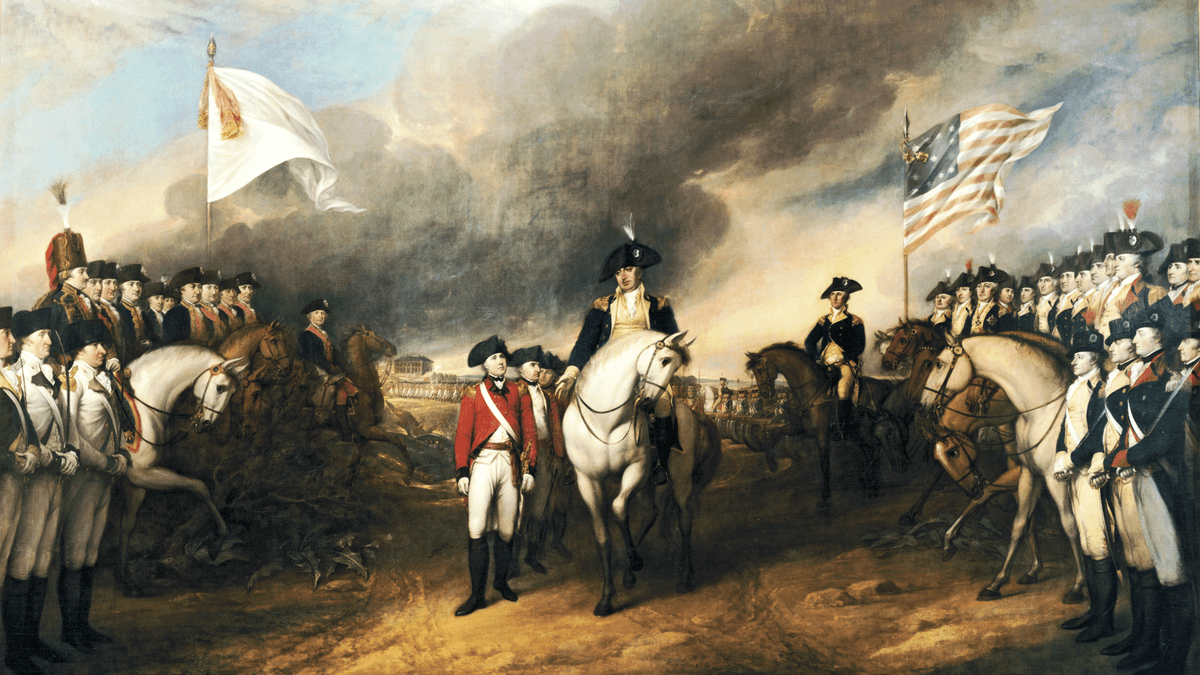
American Revolutionary War: From Protest to a New Nation
How arguments over taxes and rights grew into an eight-year war—and how ideas, allies, and perseverance turned thirteen colonies into the United States.
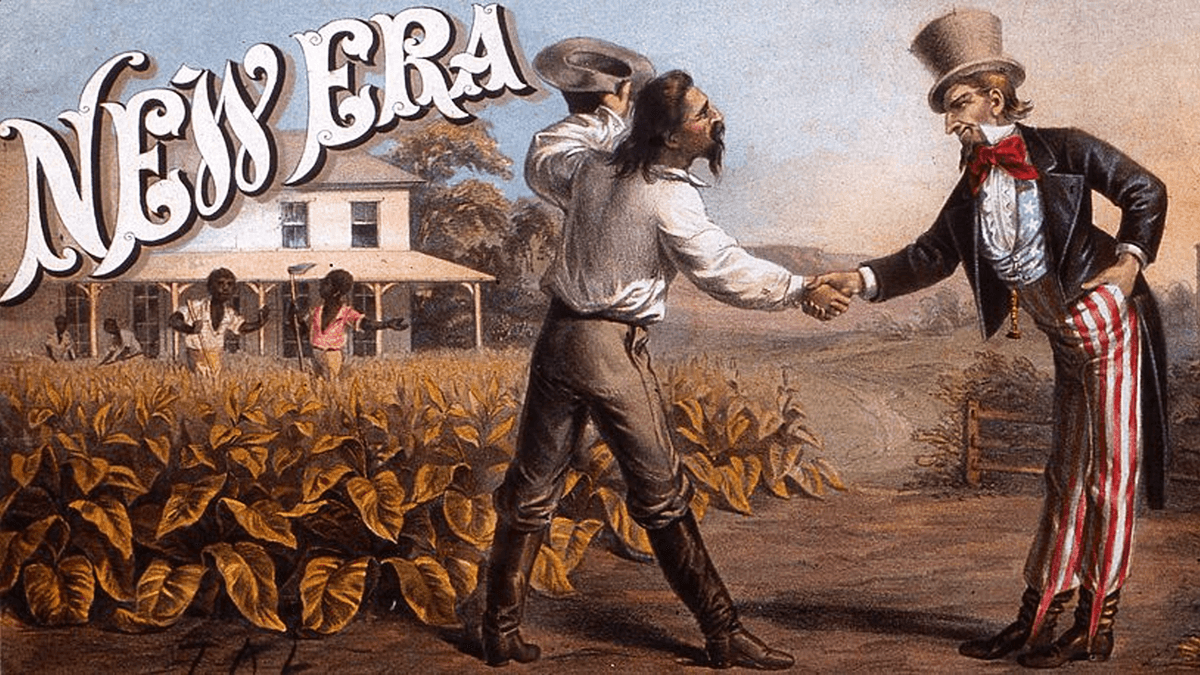
Reconstruction: Rebuilding a Nation and Redefining Freedom
After the Civil War, the United States faced the enormous task of reintegrating the South, securing rights for freedpeople, and redefining citizenship and equality. Reconstruction (1865–1877) was a bold experiment in democracy—filled with groundbreaking laws, historic firsts, and fierce backlash.
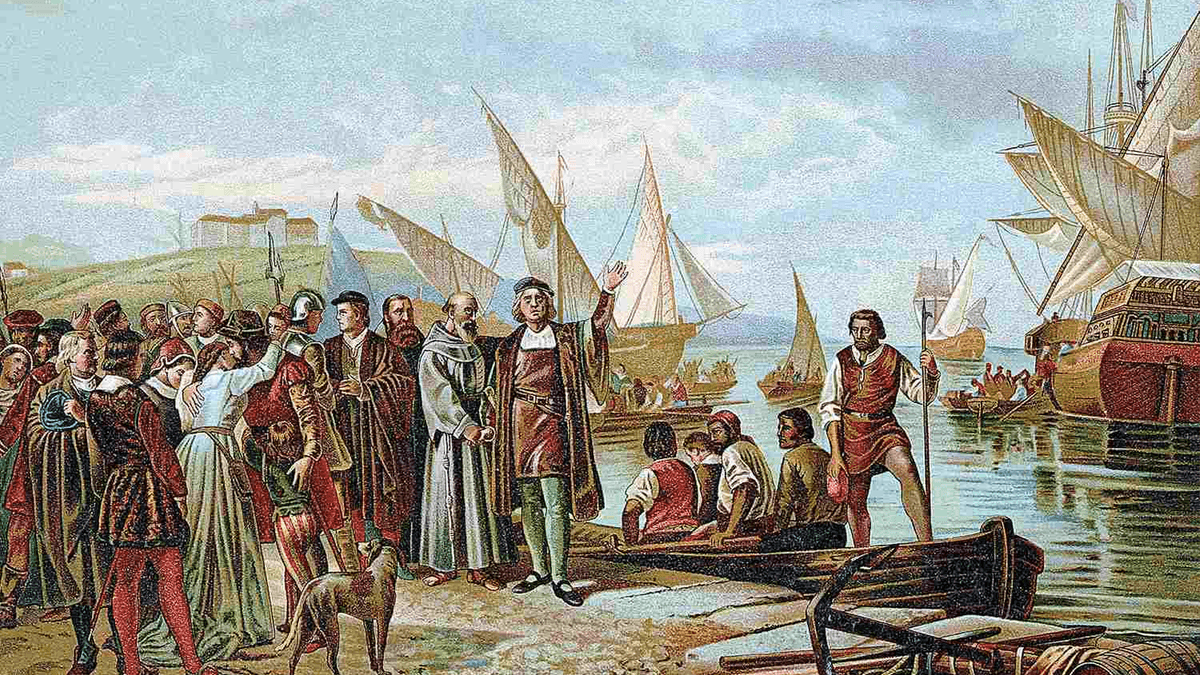
European Exploration of the Americas
When European explorers set sail across the Atlantic, they weren’t just chasing trade routes—they were rewriting the world’s future. But discovery for some meant devastation for others.
Further Reading

Stay curious!