

The U.S. Constitution Takes Effect—Sort Of
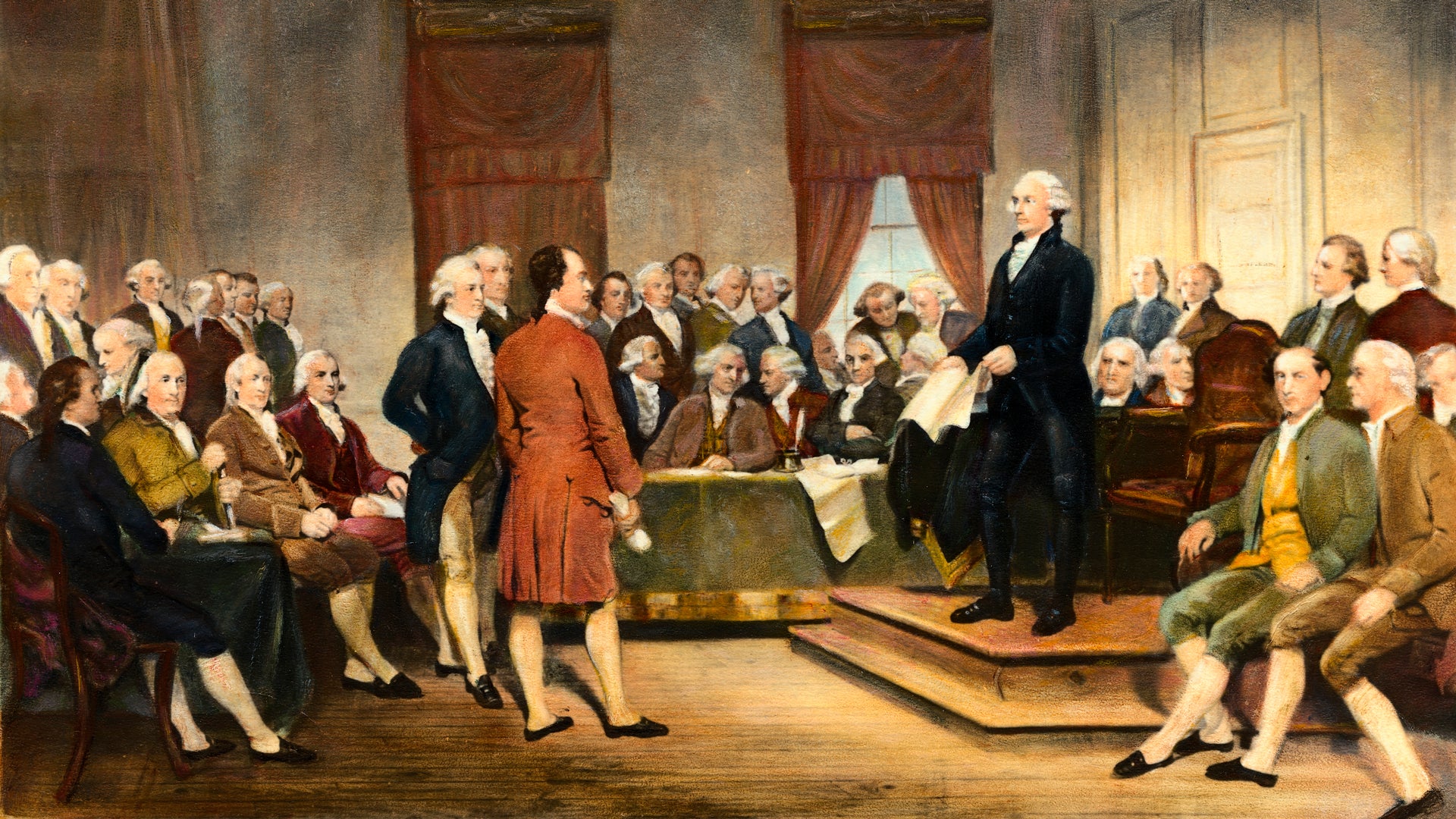
A historical depiction of Federal Hall in New York City, where the first Congress met under the U.S. Constitution.
What Happened?
The U.S. Constitution was ratified by the states in 1788, but it didn’t automatically go into effect. The Confederation Congress, which had governed under the weaker Articles of Confederation, selected March 4, 1789, as the date to transition power to the newly formed federal government. This day marked the official start of the U.S. government as we know it today.
The first Congress met at Federal Hall in New York City, the nation’s temporary capital. However, the opening session was far from functional. Out of 81 members, only 22 showed up. Without enough legislators to form a quorum, Congress was unable to conduct business, delaying the full operation of the new government. It would take another month before enough members arrived to proceed.
Despite these early hurdles, Congress eventually got to work. By September 1789, they had finalized the Bill of Rights, which was later sent to the states for ratification. This landmark document would become a defining element of American democracy, securing fundamental rights and freedoms.
March 4 remained a significant date in American politics for over a century. It was chosen as the official end of each two-year congressional session and also served as Inauguration Day for new presidents. However, the gap between elections and inaugurations created problems, particularly when lame-duck Congresses and presidents had to govern in times of crisis. This was evident after Abraham Lincoln’s election in 1860, when outgoing President James Buchanan and a divided Congress watched as seven Southern states seceded before Lincoln even took office on March 4, 1861.
To fix these issues, the 20th Amendment was ratified in 1933, moving the start of a new Congress to January 3 and the presidential inauguration to January 20. This reform eliminated the long lame-duck sessions and ensured a smoother transition of power.
March 4 remains a historic date, not just for the start of the U.S. government but for notable events like Lincoln’s two inaugurations and Franklin D. Roosevelt’s 1933 inaugural address, where he famously declared, 'The only thing we have to fear is fear itself.' However, one of the most chaotic March 4 inaugurations was in 1829, when President Andrew Jackson’s supporters stormed the White House, forcing officials to lure them away with free liquor.
Why It Matters
March 4, 1789, marked the beginning of the U.S. government under the Constitution, shaping the foundation of American democracy. However, the challenges faced on this first day—delays, absent lawmakers, and logistical struggles—highlighted the difficulties of governing a new nation. The Constitution established a framework for a government that was meant to evolve, and over time, reforms like the 20th Amendment improved the transition of power. Understanding the complexities of this historic moment reminds us that democracy is not automatic—it requires participation, adaptation, and a commitment to the principles of governance.
?
Why did so few members of Congress show up on the first day of the new government?
How did the early logistical challenges of the U.S. government shape later reforms?
What role did the Bill of Rights play in solidifying the new constitutional government?
How did the 20th Amendment change the way Congress and the presidency operate?
What were the consequences of lame-duck Congresses and presidents before the 20th Amendment?
Dig Deeper
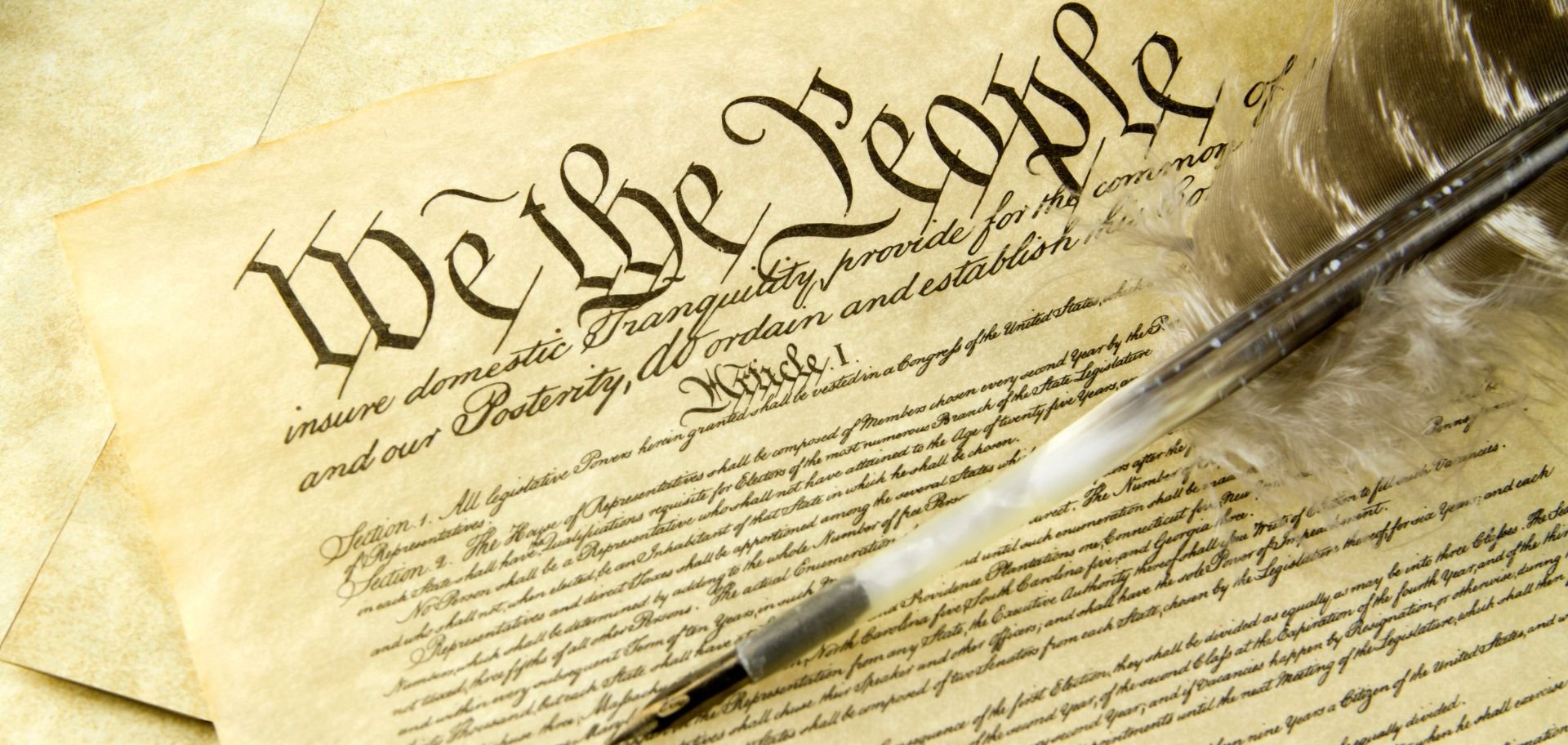
During and after the American Revolutionary War, the government of the new country operated under the Articles of Confederation. While these Articles got the young nation through its war with England, they weren't of much use when it came to running a country. So, the founding fathers decided to try their hand at nation-building, and they created the Constitution of the United States, which you may remember as the one that says We The People at the top.
How did a meeting intended to revise the Articles of Confederation lead to the new Constitution for the United States? Discover how a handful of men--sitting in sweltering heat and shrouded by secrecy--changed the course of history for America in 1787.
Related
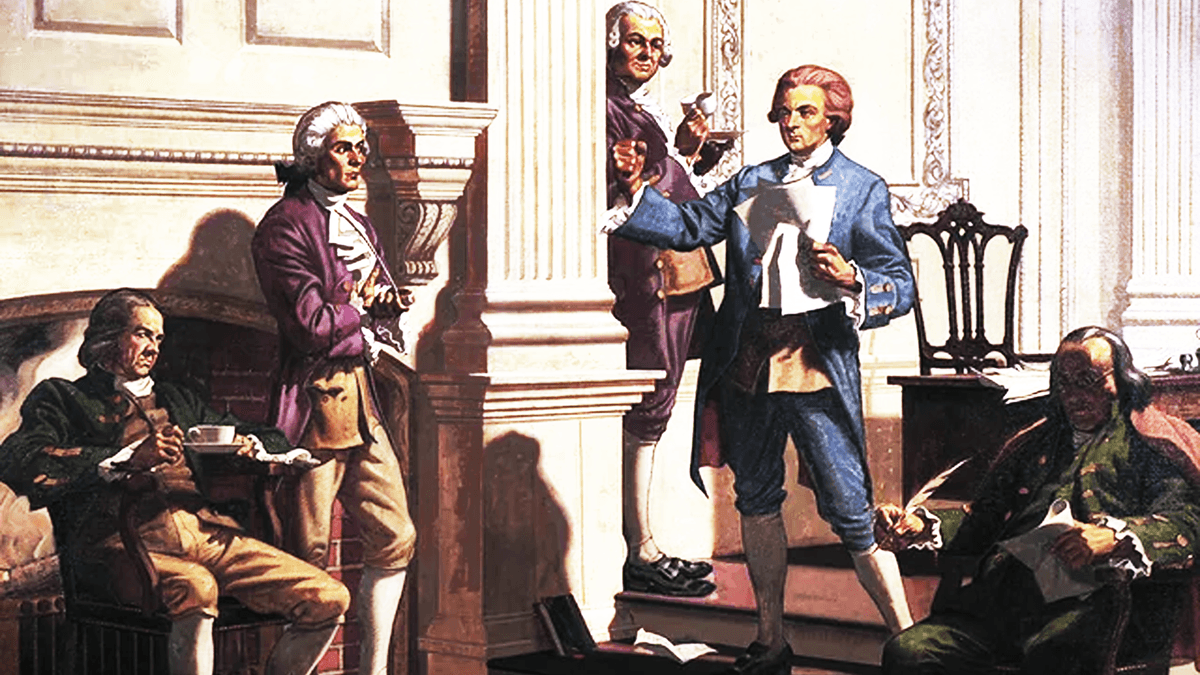
Halifax Resolves and the Road to Revolution
How North Carolina went from protest to the first official call for full independence from Britain.
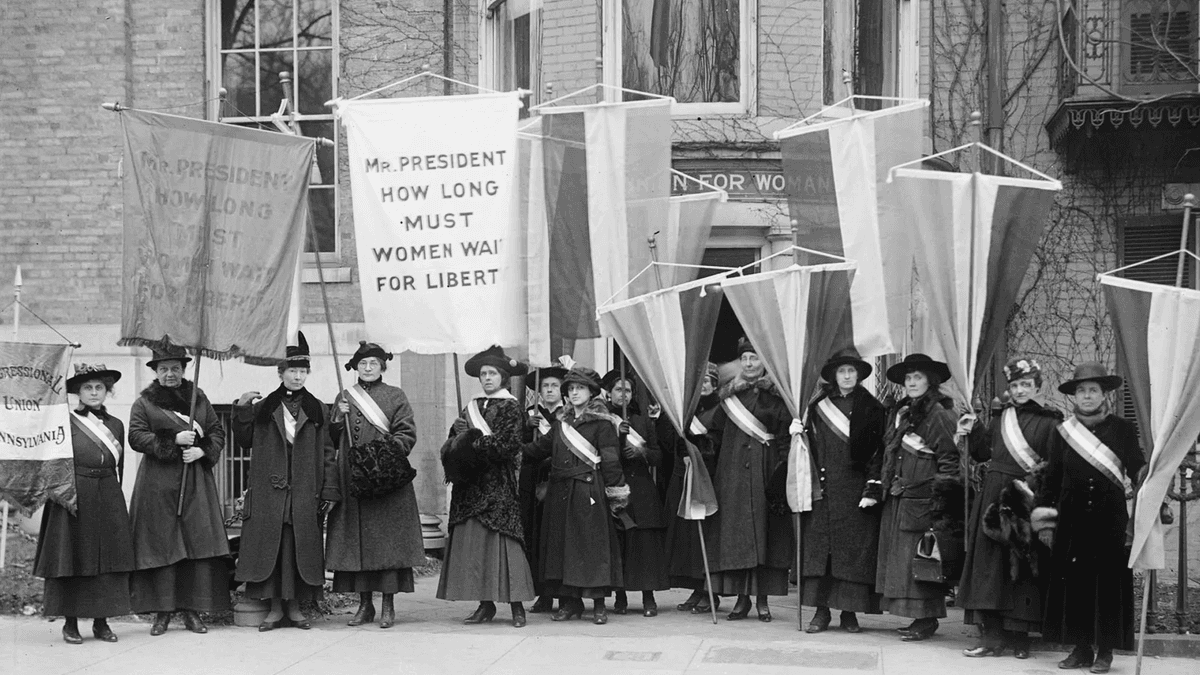
The Progressive Era: Reform, Regulation, and the Limits of Change
From breaking up monopolies to marching for women’s votes, the Progressive Era sought to fix America’s problems — but often left some voices out of the conversation.
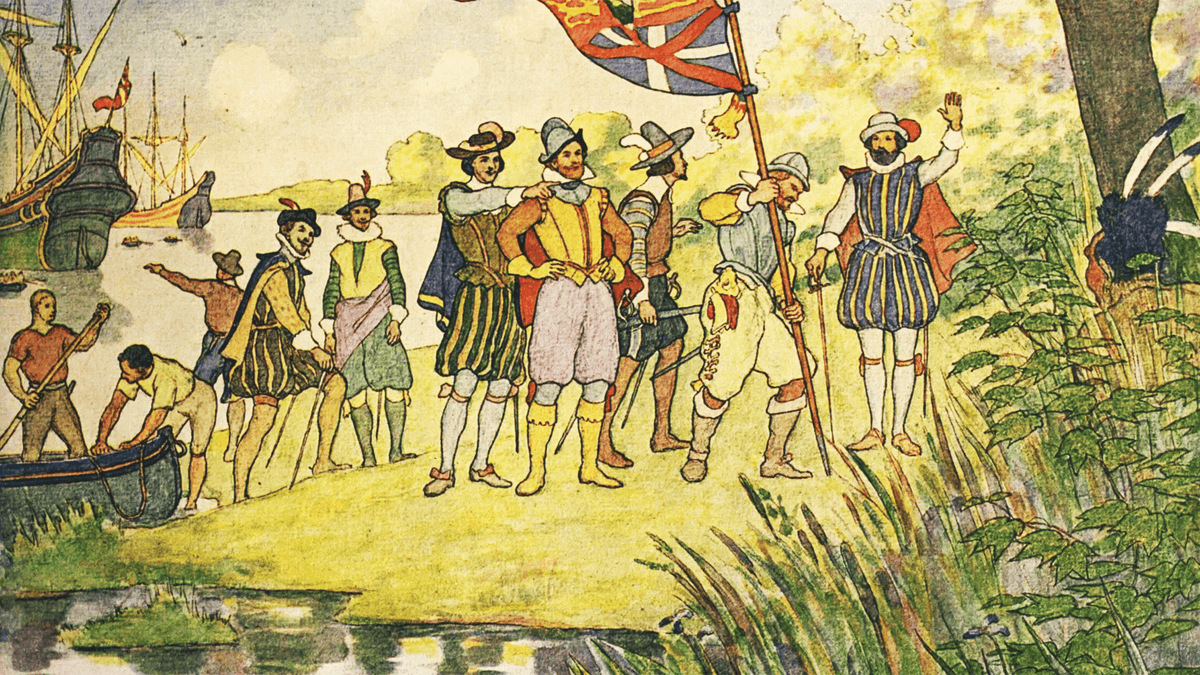
Joint-Stock Companies: Capitalism, Colonization, and Risk
Without joint-stock companies, there might be no Jamestown, no thirteen colonies—and no United States. These early capitalist ventures let investors fund risky New World settlements without bankrupting the Crown.
Further Reading
Stay curious!