

The Black Death: A Plague Written in the Stars?
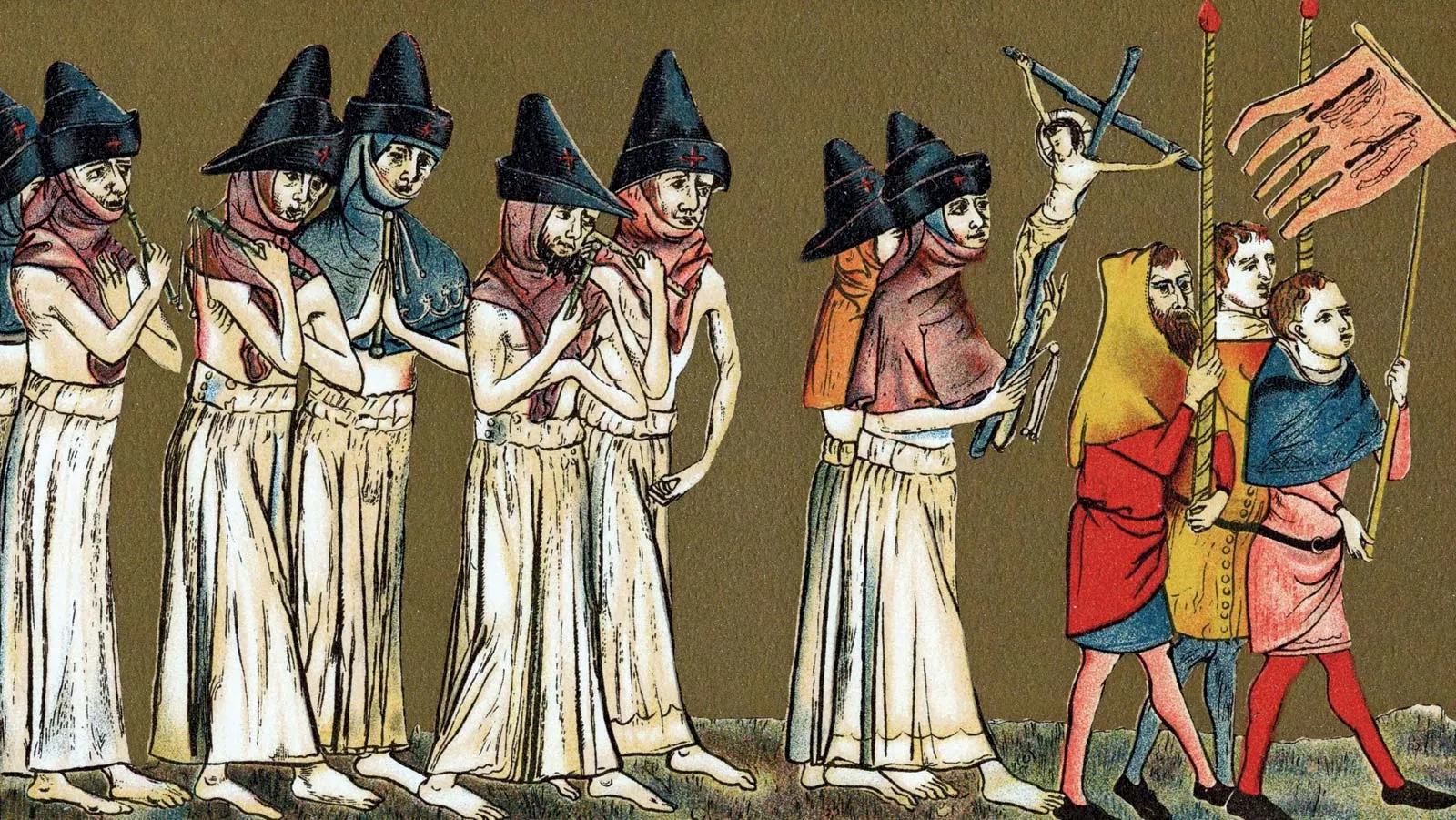
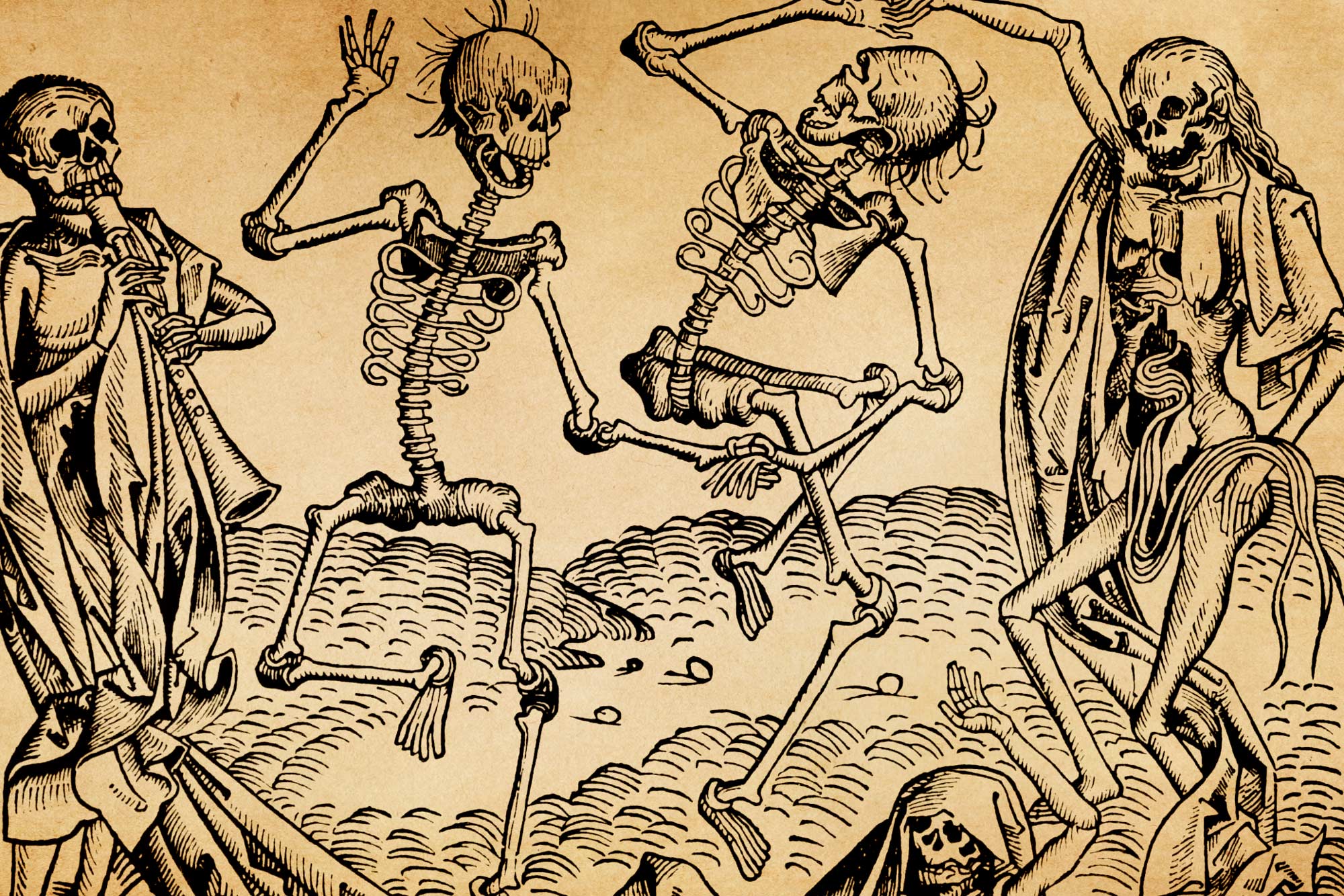
A medieval illustration of plague doctors treating victims of the Black Death.
What Happened?
On March 20, 1345, a triple conjunction of Saturn, Jupiter, and Mars in the constellation Aquarius led medieval scholars to declare that the stars had cursed humanity with a deadly plague. This was the Black Death—one of the most devastating pandemics in human history. In reality, the disease was caused by the bacterium Yersinia pestis, which spread through flea-infested rats hitching rides on trade ships.
The plague likely first appeared in Mongolia around 1320 before sweeping through China and India. By 1346, it had reached the Black Sea, where a gruesome siege at the port of Kaffa may have accelerated its spread. According to legend, the Tatars—stricken by the disease—catapulted plague-ridden corpses over the walls of their Italian enemies, who then fled to Europe, unknowingly carrying the infection with them.
By 1347, the plague was raging through Venice, with up to 600 people dying per day at its peak. The following year, it reached France, killing 50,000 people in Paris alone. By 1348, it had devastated England. Despite early denials, every nation learned the hard way that no border, class, or belief system could keep the Black Death at bay.
The symptoms were terrifying: fever, chills, headaches, and white-coated tongues followed by swollen lymph nodes (buboes), which turned black as internal bleeding set in. Victims often died within a week. A more severe pneumonic form of the disease infected the lungs, killing 95% of those who contracted it.
In a desperate search for explanations, society turned on itself. Witches, Romani people, and especially Jewish communities were scapegoated, tortured, and burned alive, accused of poisoning wells and spreading the plague. Others saw the disease as divine punishment for sin, leading to a rise in extremist religious cults and self-flagellation. Pseudo-cures ranged from bathing in urine to drinking mercury, none of which did anything but make things worse.
Though the worst was over by 1352, the Black Death left behind a changed world. Entire villages vanished, feudal systems collapsed due to labor shortages, and survivors found themselves in higher demand, giving rise to the earliest wages for workers. The plague resurfaced periodically until the 1700s but never again reached the apocalyptic scale of the 14th century.
Why It Matters
The Black Death remains one of the deadliest pandemics in human history, reshaping economies, religious beliefs, and even social structures. It also serves as a stark reminder of how misinformation—like blaming celestial events or persecuting innocent people—can spread as quickly as disease itself. While medieval scholars looked to the stars for answers, we now know that pandemics require science, not superstition, to stop them. Understanding the true causes of disease and responding with knowledge rather than fear remains as crucial today as it was in 1345.
?
Why did medieval scholars believe astrology played a role in the Black Death?
How did the Black Death contribute to the decline of feudalism in Europe?
What were some of the false cures people tried during the plague, and why did they persist?
How did scapegoating and misinformation make the Black Death even deadlier?
What are some modern parallels to how people responded to the Black Death?
Dig Deeper
In modern times, if you get sick your parents take you to the doctor and you get some medicine to feel better, but in the fourteenth century illnesses like "The Black Death" would spread from town to town, wiping out entire villages of people.
he bubonic plague, which killed around 1/5 of the world’s population in the 14th century, is still around today -- but it now claims only a few thousand lives each year. How did that number shrink so drastically?
Related
The Declaration of Independence: Ideas, Action, and Aftermath
When the colonies declared independence, they didn’t just start a war—they launched an idea that would echo across centuries. But did America live up to it?
Free Market Fever: The Deregulation Debate
When is government the problem—and when is it the solution? Deregulation reshaped the U.S. economy, slashing rules and reshuffling power in the name of freedom and efficiency.
The Tulsa Race Massacre: Black Wall Street Burned
Greenwood was known as Black Wall Street—until a white mob burned it to the ground. The Tulsa Race Massacre wasn’t a riot. It was a coordinated attack. And it was nearly erased from history.
Further Reading
Stay curious!