

The Butler Act: When Tennessee Banned Evolution
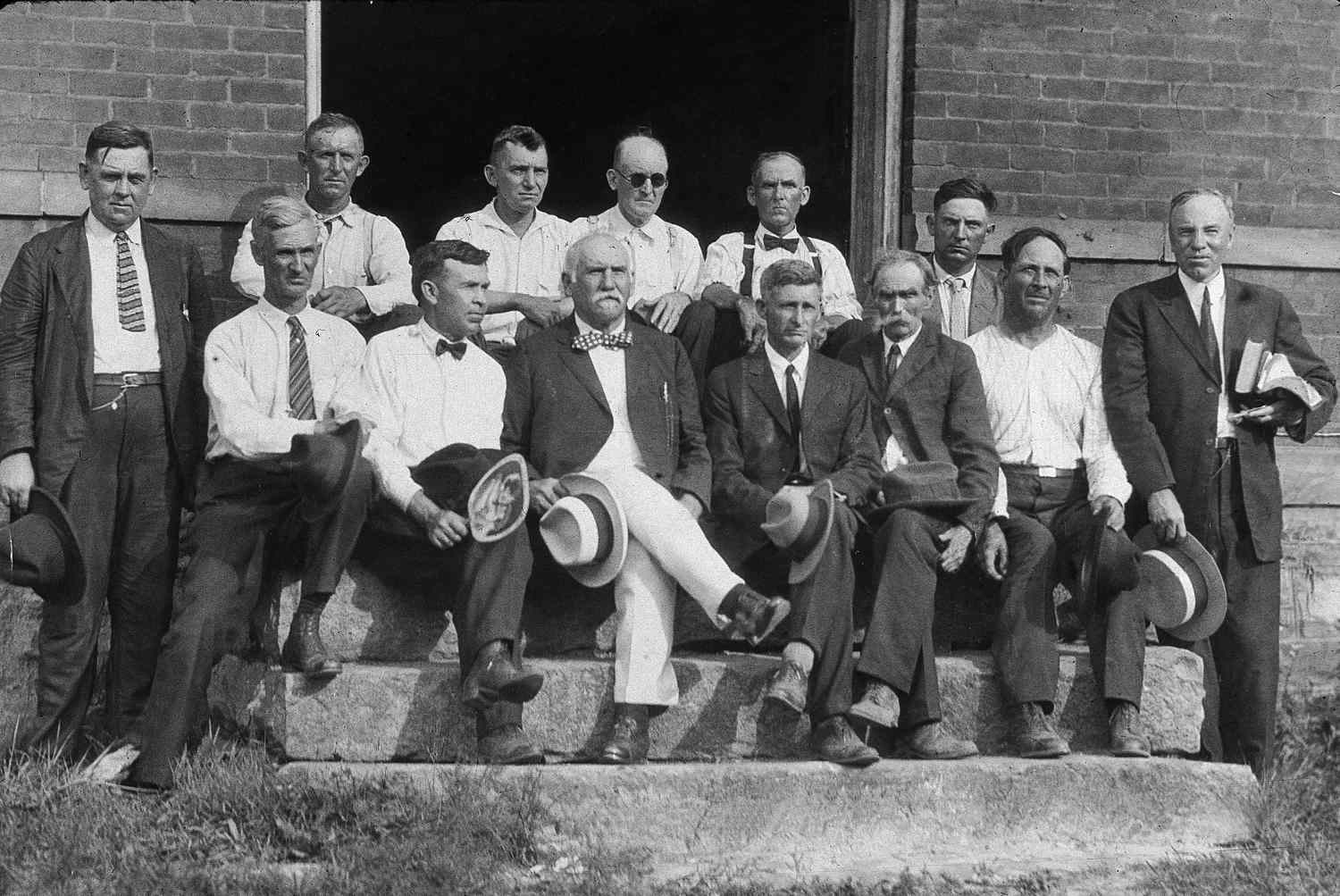
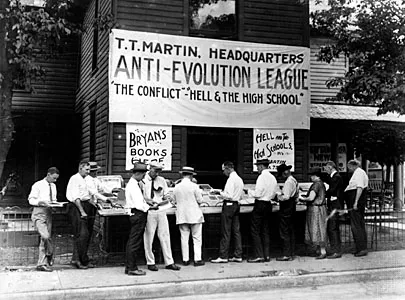
The Butler Act—signed into law on March 21—made it illegal to teach evolution in public schools, setting the stage for one of the most dramatic courtroom showdowns in American history.
What Happened?
Proposed by Tennessee State Representative John W. Butler, the Butler Act was a reaction to growing concern among religious leaders about the teaching of evolution in public classrooms. The law passed overwhelmingly and was signed by Governor Austin Peay, who believed it would quiet concerns about secularism in education. Instead, it ignited a firestorm.
The law stated it was illegal to teach 'any theory that denies the story of the Divine Creation of man as taught in the Bible.' Teachers who violated it could face fines up to $500. Many thought it was more symbolic than enforceable—until Dayton, Tennessee decided to put it to the test.
Enter John T. Scopes, a high school football coach and occasional science teacher. At the urging of town boosters looking to put Dayton on the map, Scopes agreed to challenge the law. The ACLU supported his defense, setting the stage for a courtroom drama that would captivate the nation.
Dubbed the 'Trial of the Century,' the Scopes Trial began in July 1925. Famed defense attorney Clarence Darrow squared off against William Jennings Bryan, a three-time presidential candidate and devout Christian. The trial featured packed courtrooms, circus-like crowds, and the first live broadcast of a court case in American history.
While the court ultimately found Scopes guilty, the trial exposed deep rifts in American society—between tradition and modernity, science and faith, rural and urban America. Though the Tennessee Supreme Court later overturned Scopes' conviction on a technicality, it upheld the law itself.
The Butler Act remained in effect for over 40 years. It wasn't until 1967 that Tennessee repealed the law, just a year before the U.S. Supreme Court ruled similar anti-evolution statutes unconstitutional in Epperson v. Arkansas. Yet even today, the debate over what belongs in science classrooms continues—evolution vs. intelligent design, academic freedom vs. state standards. The shadows of Dayton still linger.
Why It Matters
The Butler Act and the Scopes Trial weren't just about biology—they were about who gets to decide what knowledge is valid, what truth belongs in schools, and how a society navigates the line between faith and fact. Nearly a century later, the questions raised in Dayton, Tennessee remain central to debates over education, free speech, and the role of religion in public life. When science is put on trial, it's not just evolution in the witness box—it's democracy itself.
?
Why do you think the Butler Act stayed in effect for over 40 years, even after the Scopes Trial?
What does the Scopes Trial reveal about the role of public education in shaping society?
Should religion and science coexist in public schools, or should they be kept separate? Why?
How can laws like the Butler Act shape what students learn—and what they don’t?
Are there modern-day equivalents to the Butler Act? What topics are controversial in education today?
Dig Deeper
In July 1925, a young science teacher named John Scopes was in court, accused of contravening the Butler Act – a Tennessee law that prohibited the teaching of evolution in schools.
The 1925 Scopes Monkey Trial was one of the most important legal battles of its time. Two of the era’s great speakers, Clarence Darrow and William Jennings Bryan, faced off in a debate encompassing science, religion, and Constitutional rights.
Related
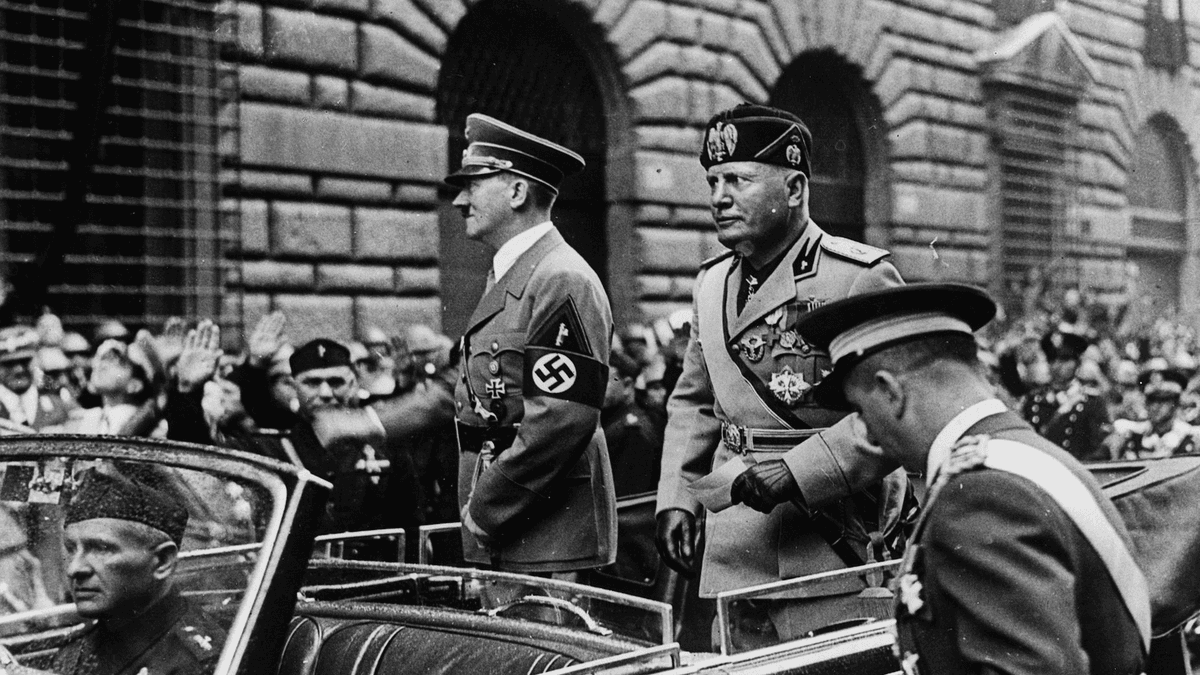
Fascism: Power, Propaganda, and the Fall of Democracy
Fascism emerged from the ruins of World War I and found its foothold in fear, nationalism, and economic despair. It promised unity, but delivered control, conformity, and catastrophe.
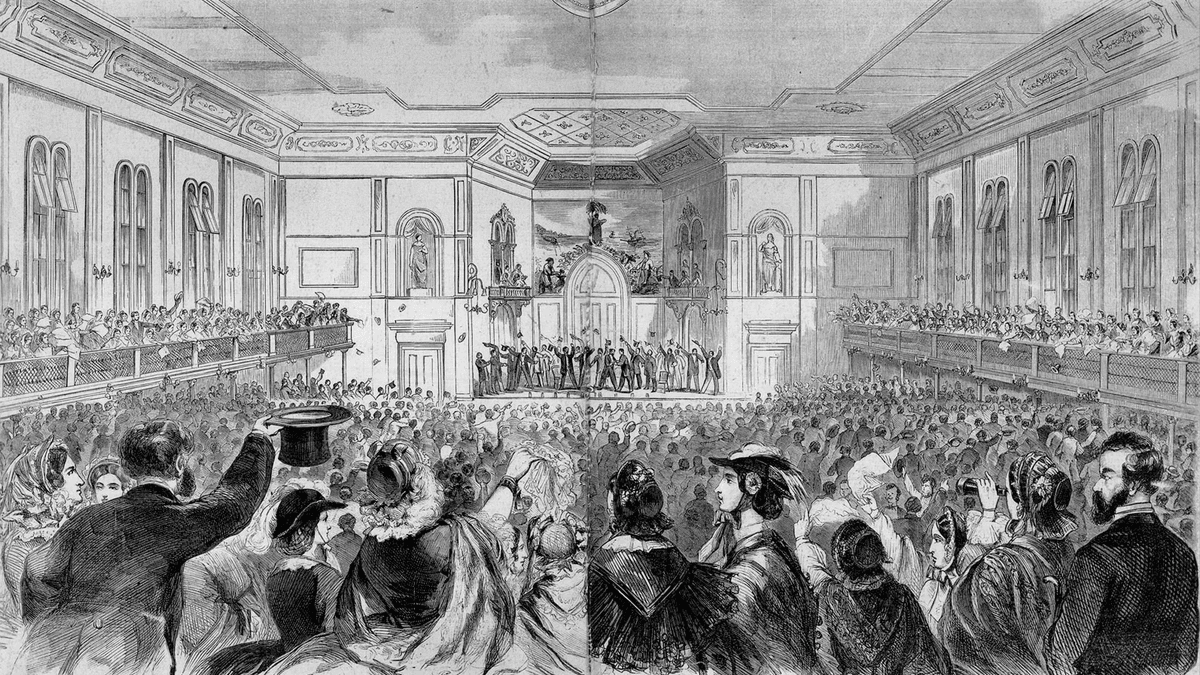
North Carolina’s Road to Secession
Why a state known for hesitation became a decisive force in the Confederacy.
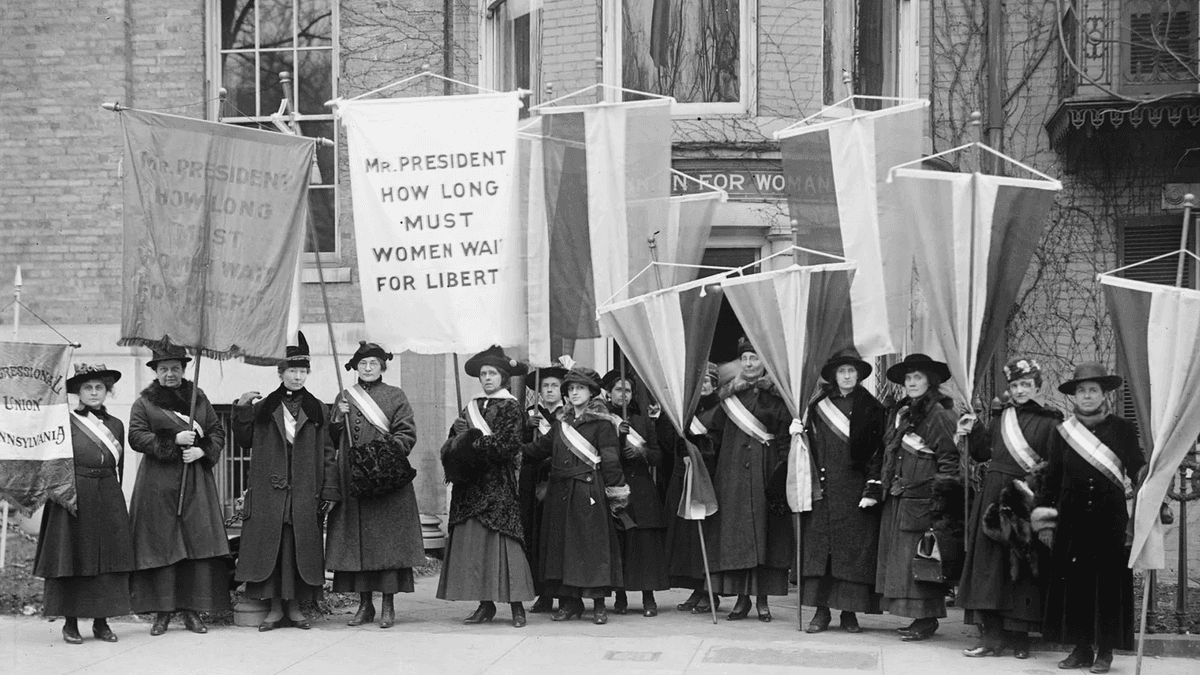
The Progressive Era: Reform, Regulation, and the Limits of Change
From breaking up monopolies to marching for women’s votes, the Progressive Era sought to fix America’s problems — but often left some voices out of the conversation.
Further Reading
Stay curious!