

Mussolini Launches the Fasci di Combattimento
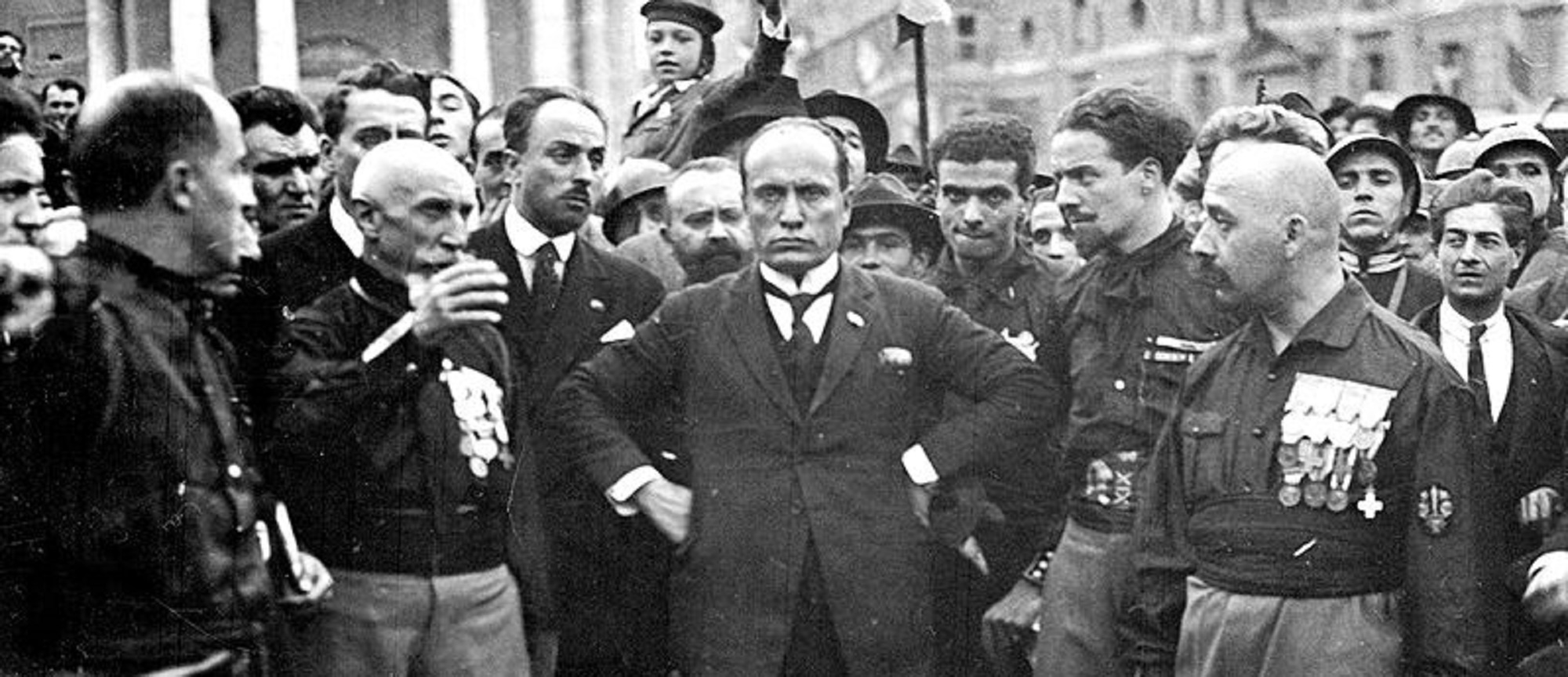
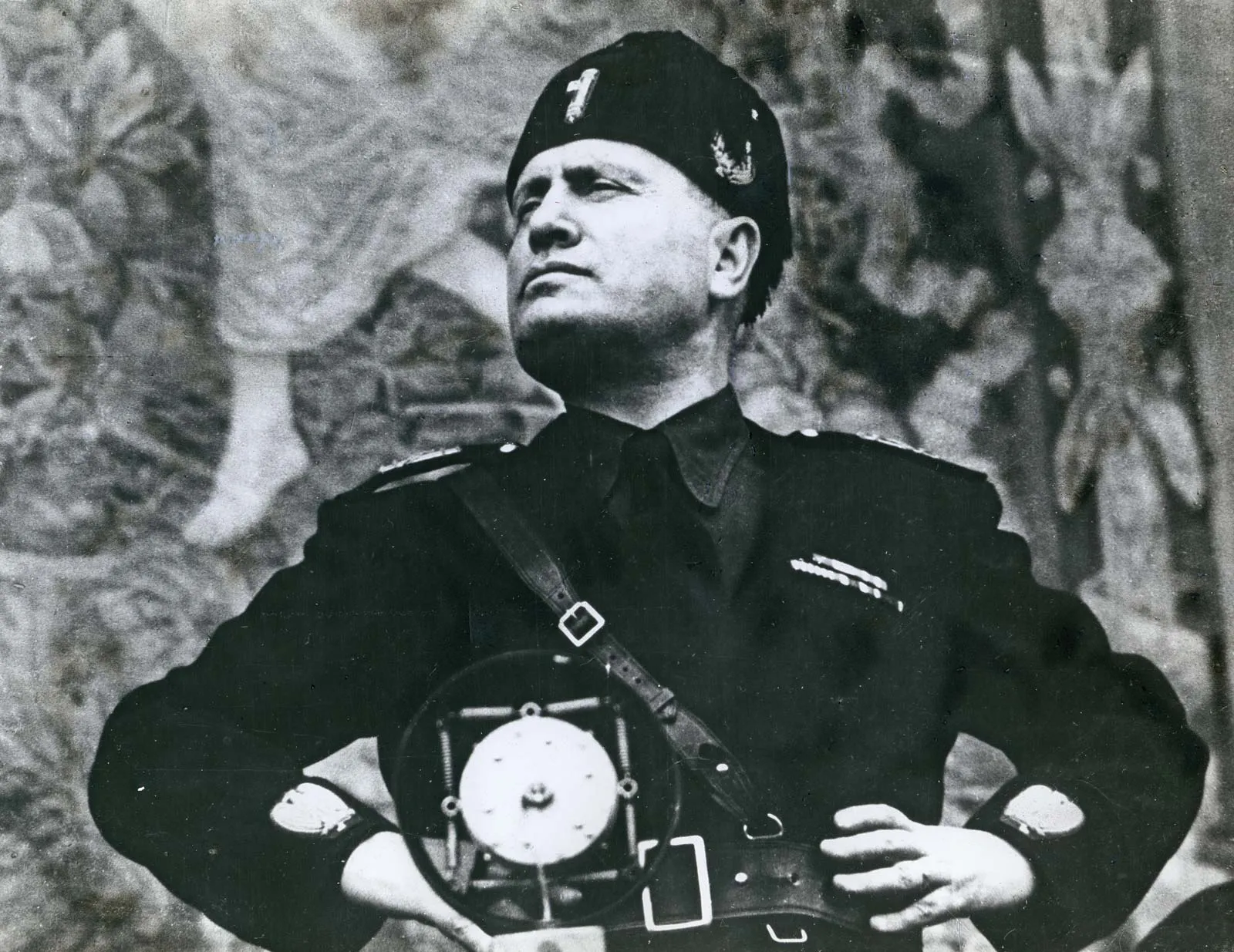
Benito Mussolini, a former Socialist journalist turned World War I veteran, introduced the world to his new political invention: fascism.
What Happened?
When Mussolini founded the Fasci di Combattimento—translated as 'Fighting Bands'—he wasn’t yet the dictator of Italy. But the seeds of authoritarianism were already taking root. His rhetoric fused nationalism, militarism, and anti-socialist fervor, all wrapped in the myth of a glorious Roman past. His message was clear: democracy had failed, and only a strong leader could restore order and pride.
The Fasci’s original members were war veterans, disillusioned by Italy’s political disarray and economic turmoil after World War I. Mussolini’s call to action? Sabotage leftist political candidates 'by any means necessary.' This wasn’t a metaphor. Armed squads—later known as the Blackshirts—roamed the streets, attacking unions, destroying Socialist offices, and terrorizing anyone seen as an obstacle to their vision of national rebirth.
By 1922, the movement had grown into a political force. Mussolini led a paramilitary March on Rome, and instead of resisting, King Victor Emmanuel III handed him power. What began as street violence turned into state power. Within a few short years, Mussolini dismantled Italy’s democratic institutions, outlawed opposition parties, and created a cult of personality as 'Il Duce'—The Leader.
Fascism glorified war, demanded absolute loyalty, and celebrated racial and imperial domination. Mussolini expanded Italy’s colonial rule through brutal invasions in Africa, allied with Hitler in the Spanish Civil War, and ultimately helped forge the Berlin-Rome Axis during World War II. The results were catastrophic: persecution of Jews, suppression of dissent, and the deaths of millions.
In 1943, Mussolini was ousted by his own party. But Hitler rescued him and made him a puppet ruler in Nazi-occupied northern Italy. In 1945, as the Axis powers collapsed, Mussolini was captured by partisans and executed. His body—hung upside down in a Milanese square—became a final, grim warning of where fascism leads.
And yet, a century later, the playbook Mussolini wrote continues to circulate: demonize the left, glorify a strongman, declare unity through violence, and promise greatness by purging dissent. The uniforms may be gone, but the fascist impulse—its fears, fantasies, and followers—remains disturbingly familiar.
Why It Matters
Fascism wasn’t born in a battlefield or a government building—it started in a meeting room, with a flag, a slogan, and a dangerous idea: that one man’s will was worth more than an entire people’s freedom. Mussolini’s rise teaches us that democracies don’t always collapse—they get traded away, piece by piece, for security, identity, and revenge. Recognizing the warning signs isn’t just historical trivia—it’s civic survival.
?
What makes people support authoritarian leaders, even when it means giving up their own freedoms?
How did Mussolini use fear, violence, and media to build a fascist state—and are those same tactics used today?
Why do you think some people today still admire or downplay Mussolini’s legacy?
Can a democracy be lost without a single shot being fired? What lessons does Mussolini’s rise offer us now?
How do movements like fascism spread across borders—and what role do ordinary people play in stopping or supporting them?
Dig Deeper
This documentary traces the rise of Benito Mussolini and how the Fasci di Combattimento evolved into one of the most dangerous political forces of the 20th century.
Learn the key traits of fascist ideology—where it began, how it spread, and why it still poses a threat today.
Related
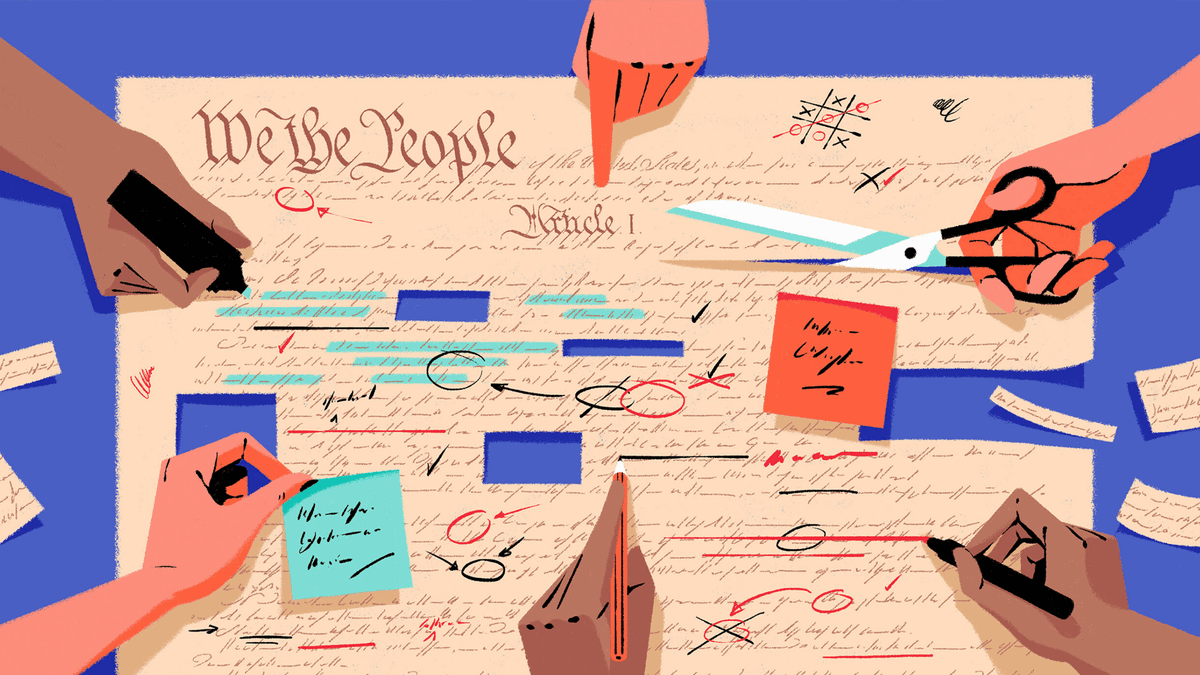
Building a New Nation: Foundations of State and National Government
From the shaky Articles of Confederation to the Constitution and Bill of Rights, discover how America’s founders navigated the turbulent waters of self-government—and why North Carolina took its time joining the party.
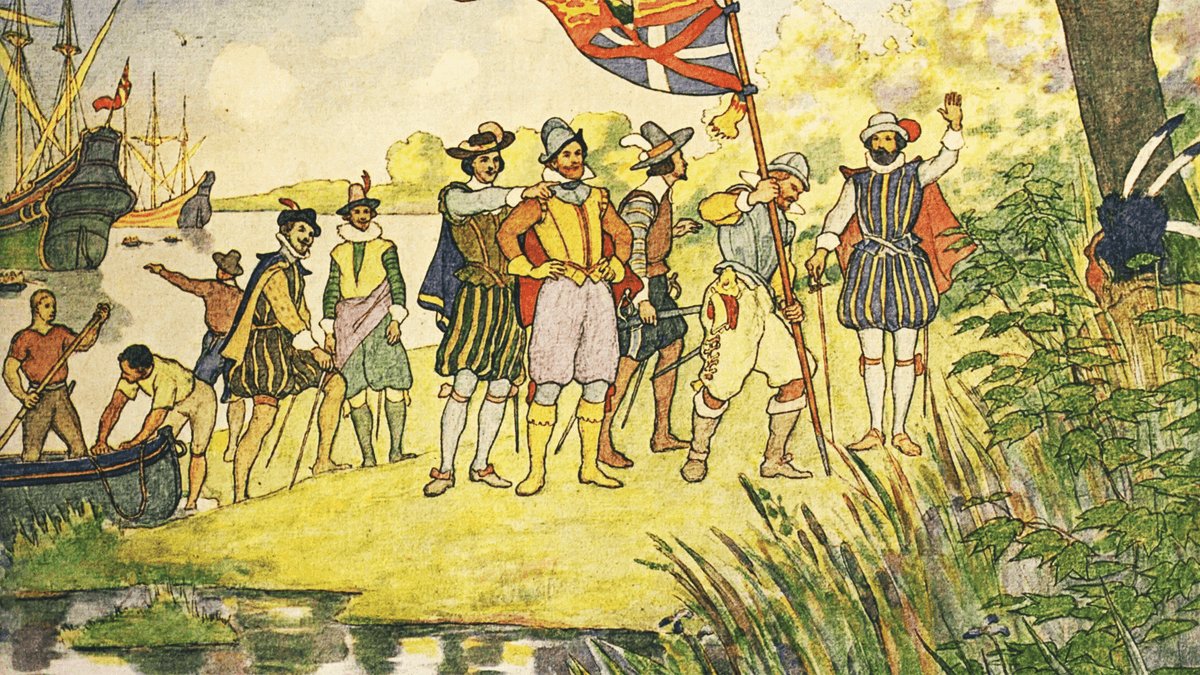
Joint-Stock Companies: Capitalism, Colonization, and Risk
Without joint-stock companies, there might be no Jamestown, no thirteen colonies—and no United States. These early capitalist ventures let investors fund risky New World settlements without bankrupting the Crown.
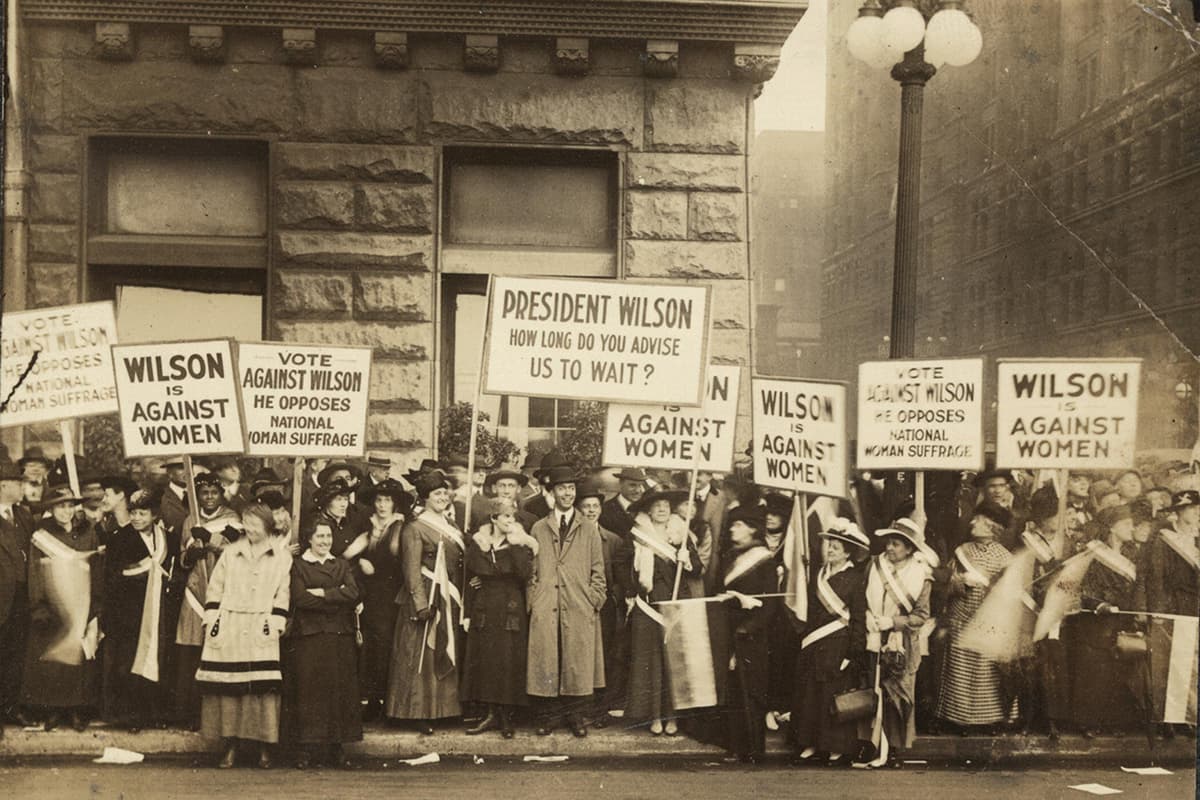
Votes for Women: The Fight for the 19th Amendment
It took more than 70 years of protests, petitions, and picket lines to win the right for women to vote in the United States. The 19th Amendment didn’t just expand democracy—it redefined it.
Further Reading
Stay curious!