

Jonas Salk Announces Polio Vaccine: A Shot of Hope on the Radio Waves
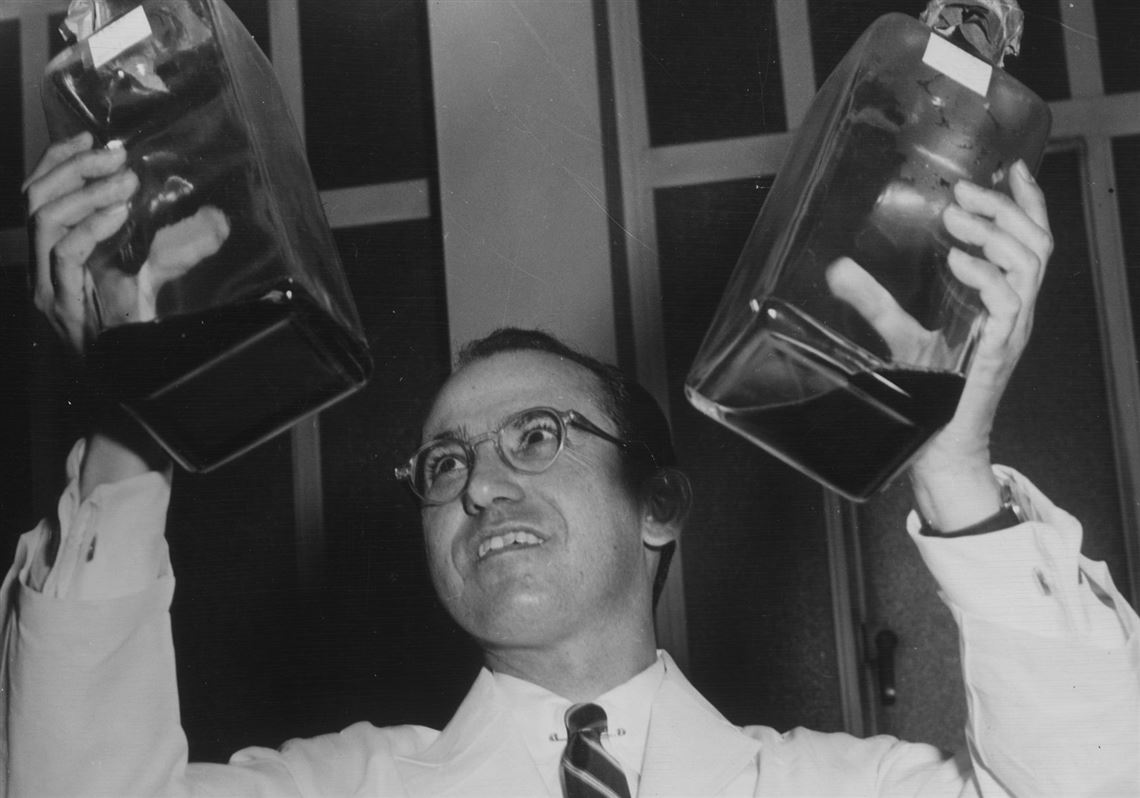
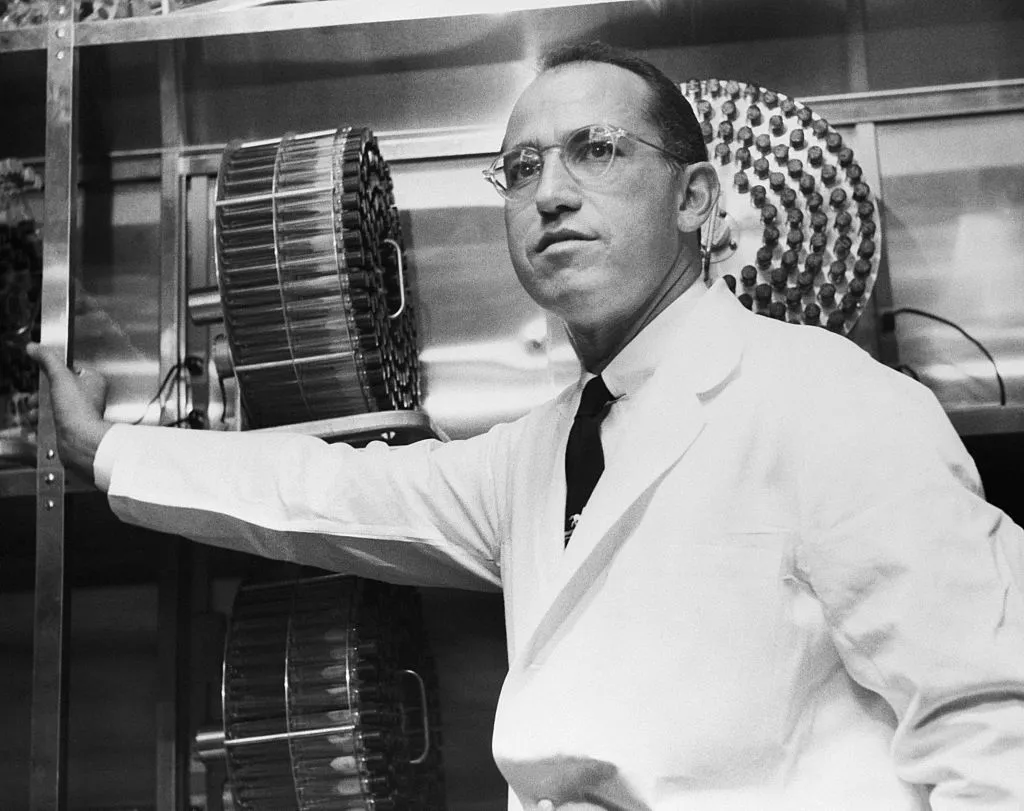
Dr. Jonas Salk holding a vial of the polio vaccine, speaking into a radio microphone.
What Happened?
In the early 1950s, polio was the stuff of nightmares. It struck without warning, mostly targeting kids, and often left its victims paralyzed—or worse. In 1952 alone, over 58,000 cases were reported in the U.S., and more than 3,000 people died. The scariest part? There was no cure. Quarantines and iron lungs were the only ways to deal with the outbreak.
But on March 26, 1953, Dr. Jonas Salk stepped up to a national radio mic and announced something unbelievable: a vaccine that worked. He had tested it on himself, his family, and former polio patients. It triggered the immune system to create protection against the virus. It was safe. It was effective. And it was ready.
One year later, over a million school kids joined the first major vaccine trial. Two years after that, polio cases had dropped by nearly 90%. Salk became a household name, but he never patented the vaccine. When asked why, he said: "Could you patent the sun?"
Though there were setbacks—including a tragic batch of defective vaccines—public health efforts pressed forward. Salk’s work inspired other scientists, like Albert Sabin, whose oral polio vaccine made global immunization possible. Together, their breakthroughs fueled one of the greatest medical success stories in human history.
By 2000, polio had been eliminated from the Americas. Today, it’s on the brink of global eradication. What started with a risky experiment and a radio broadcast became a world-changing fight for health justice—and it all began with a man who believed medicine should belong to the people.
Why It Matters
Jonas Salk didn’t just create a vaccine—he helped redefine what public health could be. His decision not to profit off the polio vaccine showed that science could serve the people, not just the powerful. His story reminds us that bold ideas, when shared freely, can save the world.
?
Why was Jonas Salk’s choice not to patent the vaccine such a big deal?
What challenges did scientists face in developing a vaccine for polio?
How did the polio epidemic shape public attitudes toward vaccines and science?
What can Salk’s legacy teach us about fairness and access in healthcare today?
Why is polio so close to being eradicated, and what’s stopping us from finishing the job?
Dig Deeper
If we’ve had vaccines for the polio virus for almost 70 years, why haven’t we been able to fully eradicate it from the globe?
If we’ve had vaccines for the polio virus for almost 70 years, why haven’t we been able to fully eradicate it from the globe?
Related
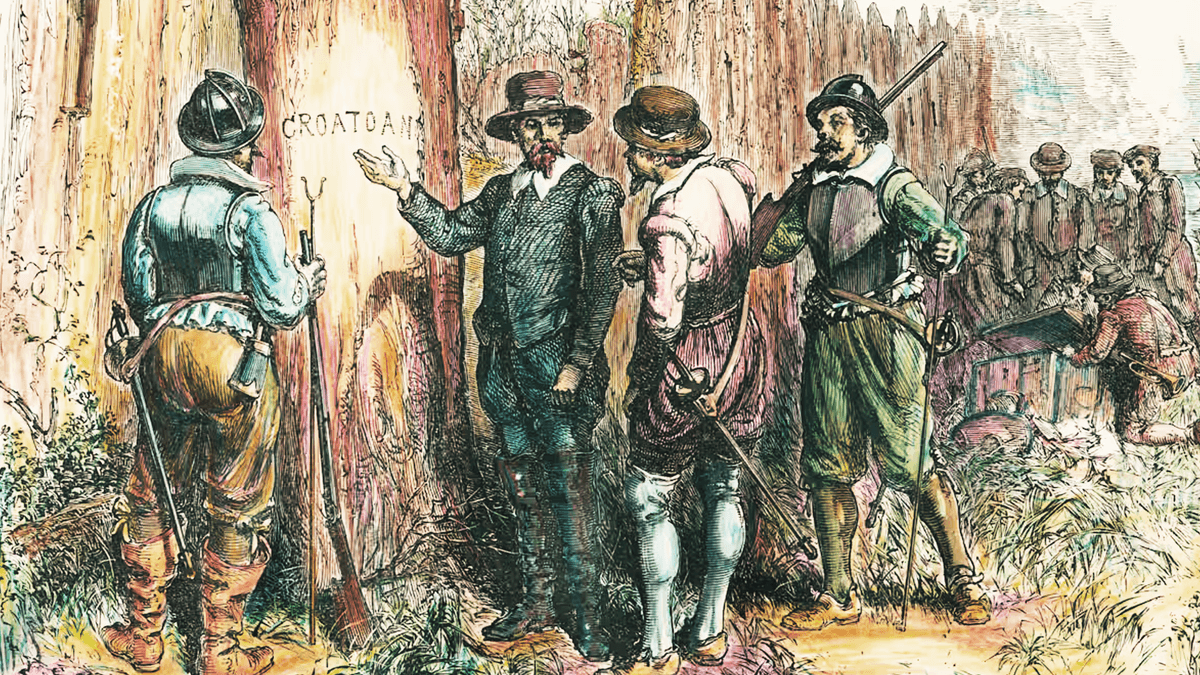
English Colonization: Roanoke, Jamestown, and Early Settlements
From vanished colonies and tobacco empires to pirates and indigenous resistance, the story of England’s first attempts at colonization in North America is anything but boring.
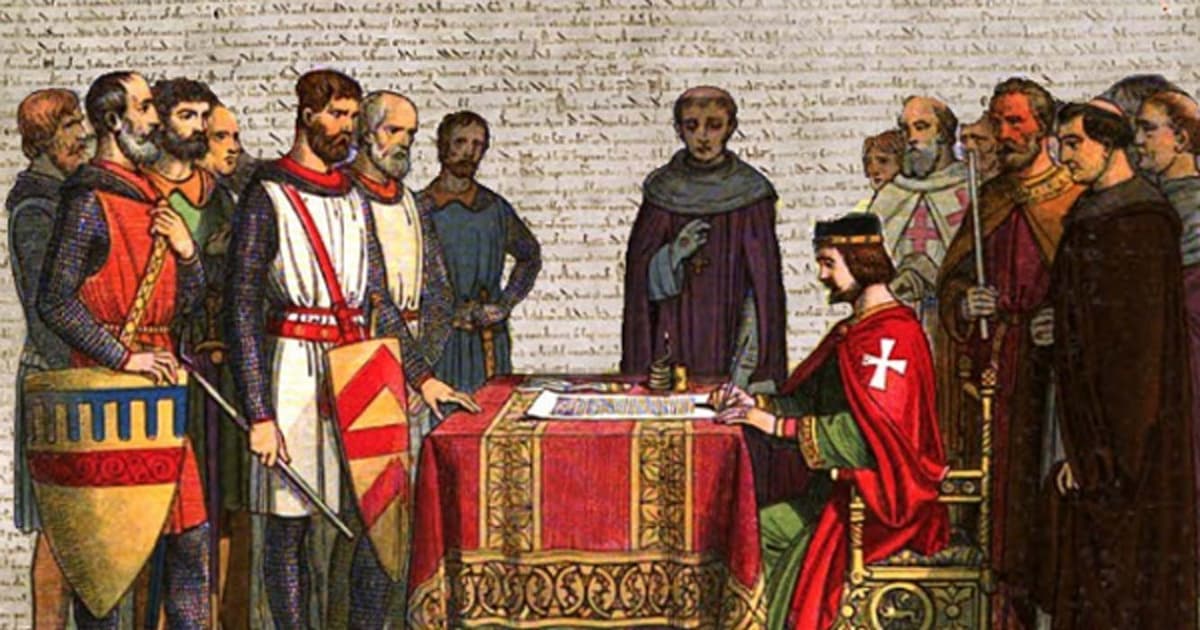
Magna Carta
On May 12, 1215, a gang of angry English barons forced King John into a corner—and launched a document that would echo across centuries. It wasn’t democracy, but it was a dent in the divine right of kings.
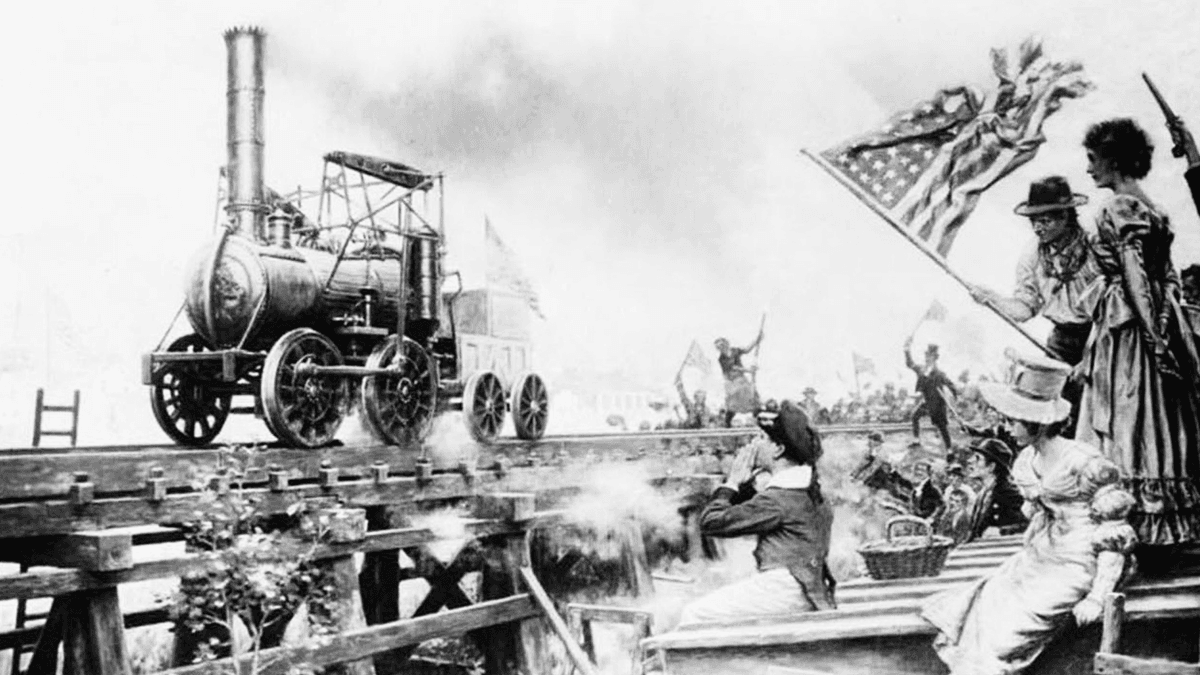
The Market Revolution: How Innovation Transformed America
In the early 1800s, America changed from a land of small farms to a booming nation of factories, railroads, and markets. The Market Revolution connected people, goods, and ideas—while also revealing deep inequalities in who benefited from progress.
Further Reading
Stay curious!