

U.S. Combat Troops Leave Vietnam: The Longest War Comes Home
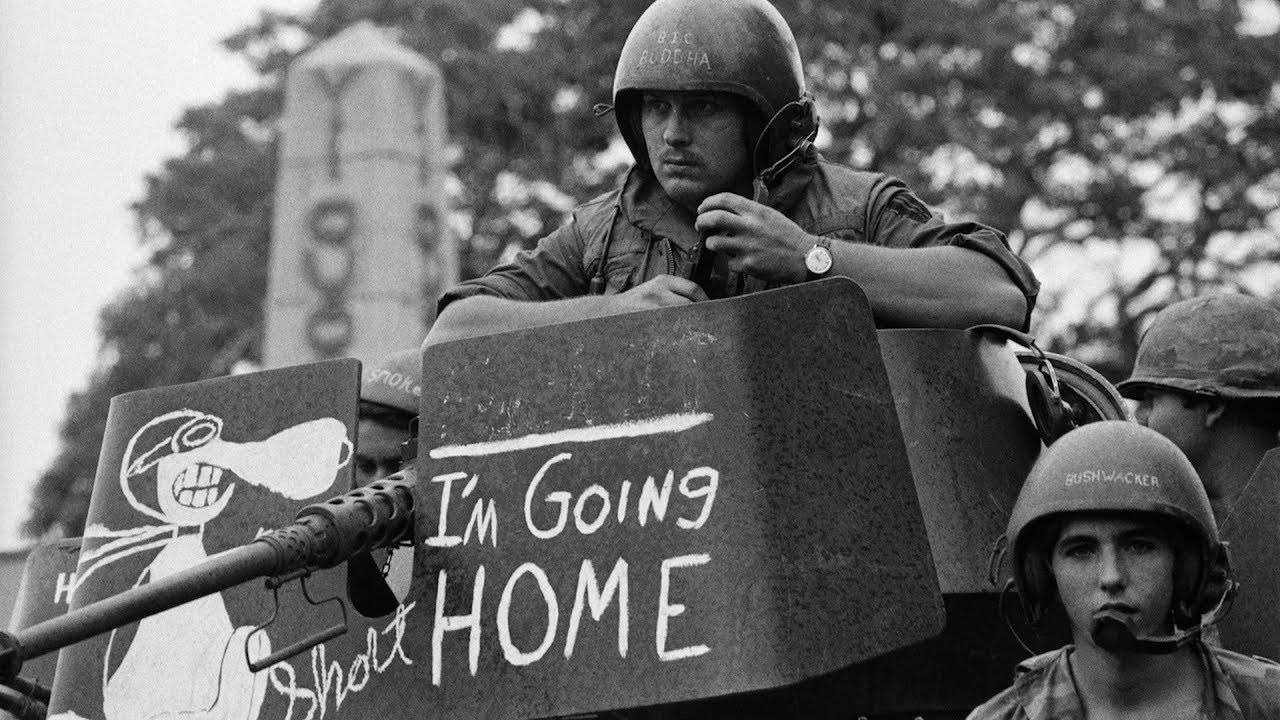
American combat troops left Vietnam, bringing an official end to direct U.S. military involvement.
What Happened?
By the early 1970s, the Vietnam War had become a symbol of everything Americans feared about foreign entanglements and government overreach. It had started with whispers—military advisors in the '50s and '60s—and exploded into a full-blown war with over half a million U.S. troops on the ground by 1969.
Public support collapsed after years of brutal fighting, rising casualties, and shocking images like the My Lai massacre. The Tet Offensive shattered the illusion of progress. In 1968, President Lyndon B. Johnson announced he wouldn't seek reelection, and peace talks began.
Under President Nixon, U.S. troops began withdrawing, even as the war spilled into neighboring Cambodia and Laos. Protests surged. Draft resistance grew. And by January 1973, a peace agreement had been signed in Paris, promising a ceasefire and the safe return of American POWs.
Two months later, on March 29, 1973, the last American combat forces left Vietnam. Though military advisers and civilian contractors remained, the official U.S. war effort was over. It was a moment of relief, grief, and reflection.
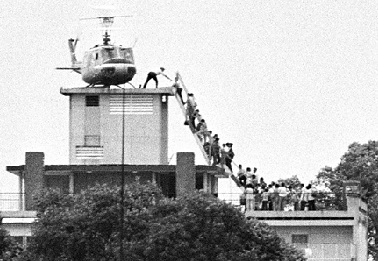
The war wasn’t truly over. The ceasefire broke almost immediately, and by 1975 Saigon had fallen to communist forces. Nearly 58,000 Americans and over 2 million Vietnamese were dead. What began as a Cold War conflict became a national wound. And even today, the war’s legacy lingers—in our politics, our military, and our trust in government.
Why It Matters
March 29, 1973 wasn’t just the end of a military deployment. It was the beginning of reckoning. The Vietnam War forced Americans to question their government, their values, and the cost of power. It remains a cautionary tale about the limits of force, the dangers of misinformation, and the human price of war.
?
What were the main reasons public support for the Vietnam War declined?
How did the Vietnam War change the way Americans view foreign intervention?
What role did the media and protest movements play in ending the war?
Why was the Paris Peace Agreement seen as more symbolic than effective?
How did Vietnam shape future U.S. military policies and decisions?
Dig Deeper
You've probably heard about the Vietnam War, or seen it portrayed in movies and TV, but do you know how it started?
Related
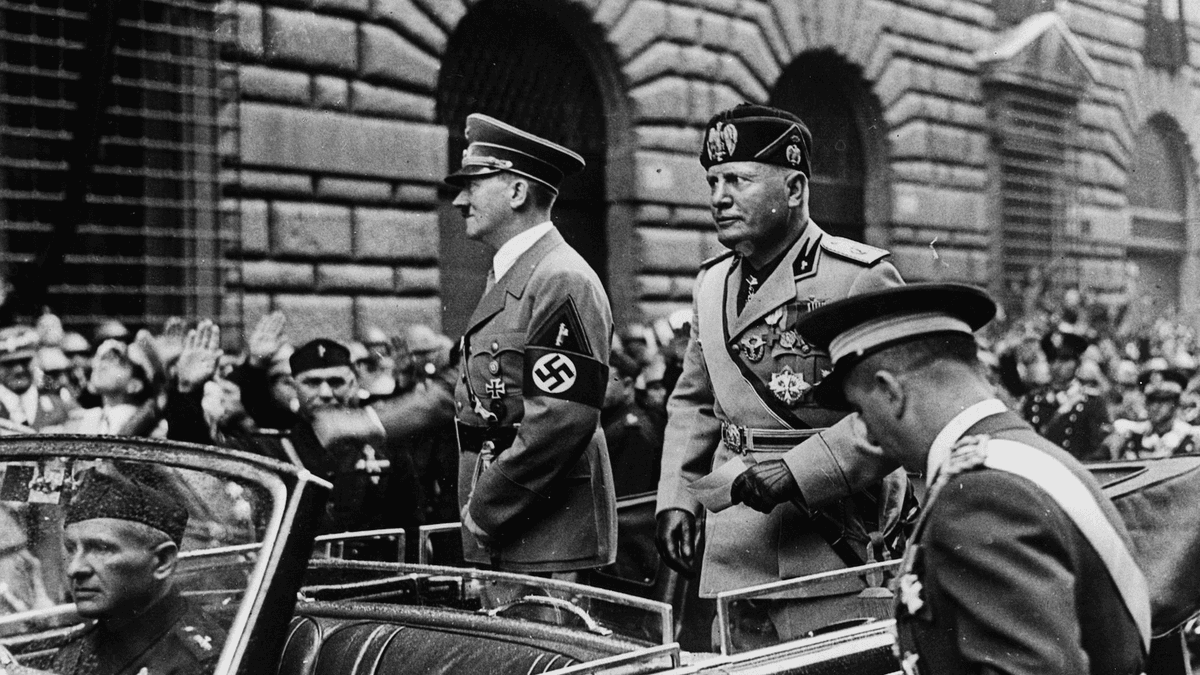
Fascism: Power, Propaganda, and the Fall of Democracy
Fascism emerged from the ruins of World War I and found its foothold in fear, nationalism, and economic despair. It promised unity, but delivered control, conformity, and catastrophe.
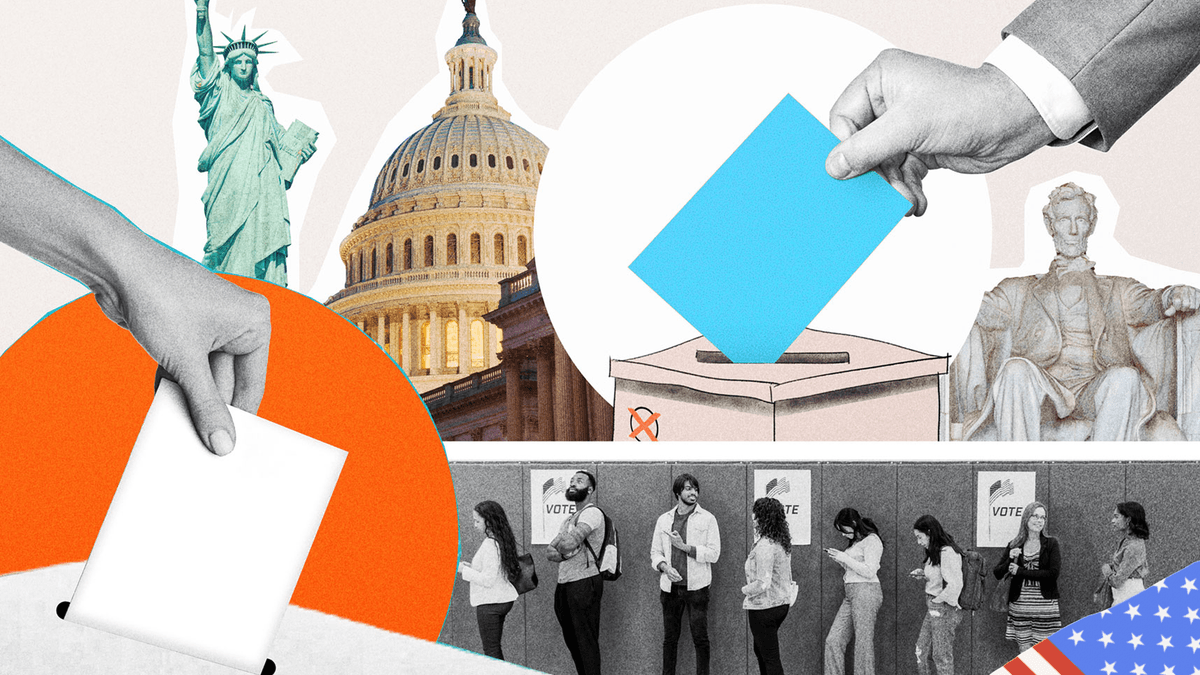
Democracy: Government by the People
Democracy is more than voting every few years. It is a way of sharing power, protecting rights, and making sure ordinary people have a real voice in how they are governed.
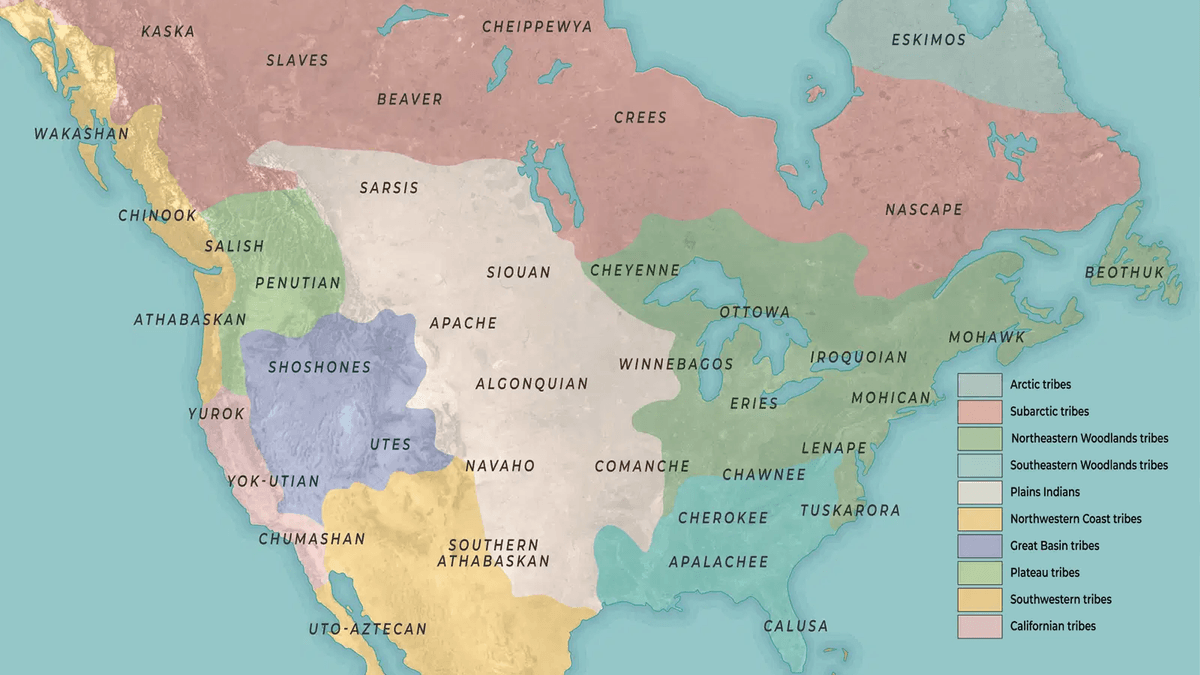
Indigenous Nations Before European Contact
Long before Columbus, Indigenous nations flourished across North America. From hunters following mammoths to farmers building vast trade networks, Native peoples shaped the land—and the land shaped them.
Further Reading
Stay curious!