

The 15th Amendment Is Adopted: A Promise and a Struggle for the Right to Vote
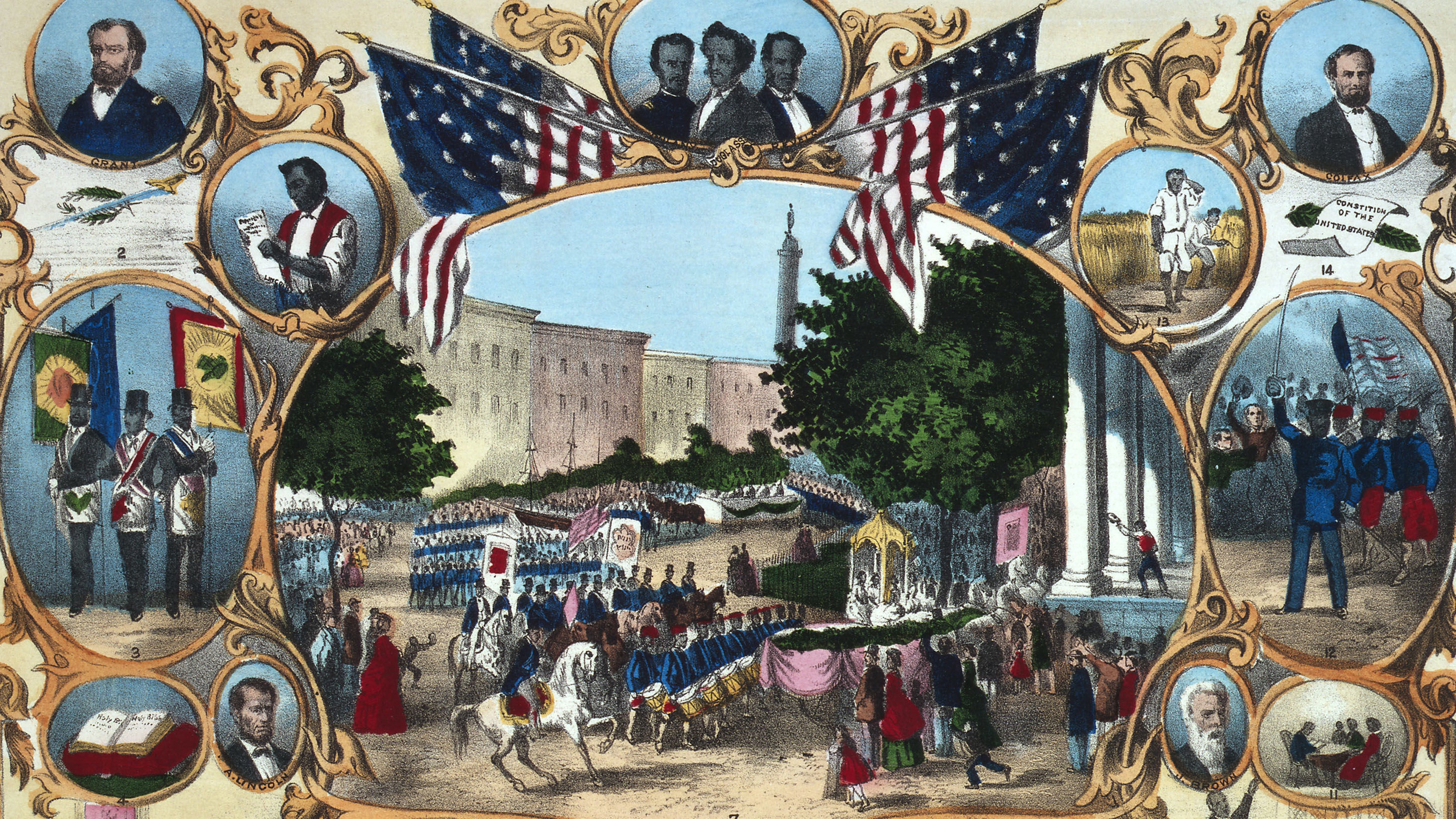
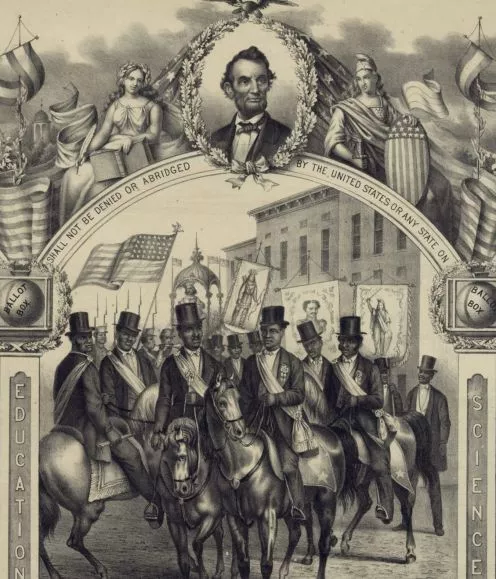
15th Amendment, declaring that voting rights could not be denied on the basis of race.
What Happened?
The promise of the 15th Amendment was simple: no American citizen should be denied the right to vote because of the color of their skin. Passed by Congress in 1869 and formally adopted on March 30, 1870, it was a major win for the Reconstruction-era movement to extend civil rights to formerly enslaved Black Americans.
Just one day after its ratification, Thomas Mundy Peterson of Perth Amboy, New Jersey, became the first African American to vote under the new amendment. Across the South, Black voters and leaders rose quickly—helping elect representatives, build public education systems, and reshape democracy. By 1877, over 600 African Americans had served in state legislatures, and 16 in Congress, including Hiram Rhodes Revels of Mississippi—the first Black U.S. senator.
But this era of Black political power was short-lived. As Reconstruction ended and federal troops withdrew, white supremacist groups like the Ku Klux Klan used violence and terror to prevent Black people from voting. States passed new laws—poll taxes, literacy tests, and property requirements—that didn’t mention race but targeted Black voters all the same.
Despite these setbacks, the 15th Amendment endured. It became the legal foundation for future civil rights victories, from the Voting Rights Act of 1965 to ongoing fights for voter access today. It’s a reminder that freedom is not just declared—it must be defended, generation after generation.
Why It Matters
The 15th Amendment was more than a legal document—it was a declaration that Black voices mattered in the shaping of American democracy. Though often denied in practice, its promise laid the groundwork for the civil rights movements of the 20th and 21st centuries. We honor not just its passage, but the struggle it ignited.
?
Why did the 15th Amendment not guarantee real voting rights for all Black Americans right away?
What tactics were used to get around the 15th Amendment during the Jim Crow era?
How did Reconstruction shape Black political power in the 1870s?
What was the significance of Thomas Mundy Peterson’s vote on March 31, 1870?
How is the 15th Amendment still relevant to voting rights debates today?
Dig Deeper
Reconstruction, after the divisive, destructive Civil War, Abraham Lincoln had a plan to reconcile the country and make it whole again. Then he was shot, Andrew Johnson took over, and the disagreements between Johnson and Congress ensured that Reconstruction would fail. The election of 1876 made the whole thing even more of a mess, and the country called it off, leaving the nation still very divided.
Related
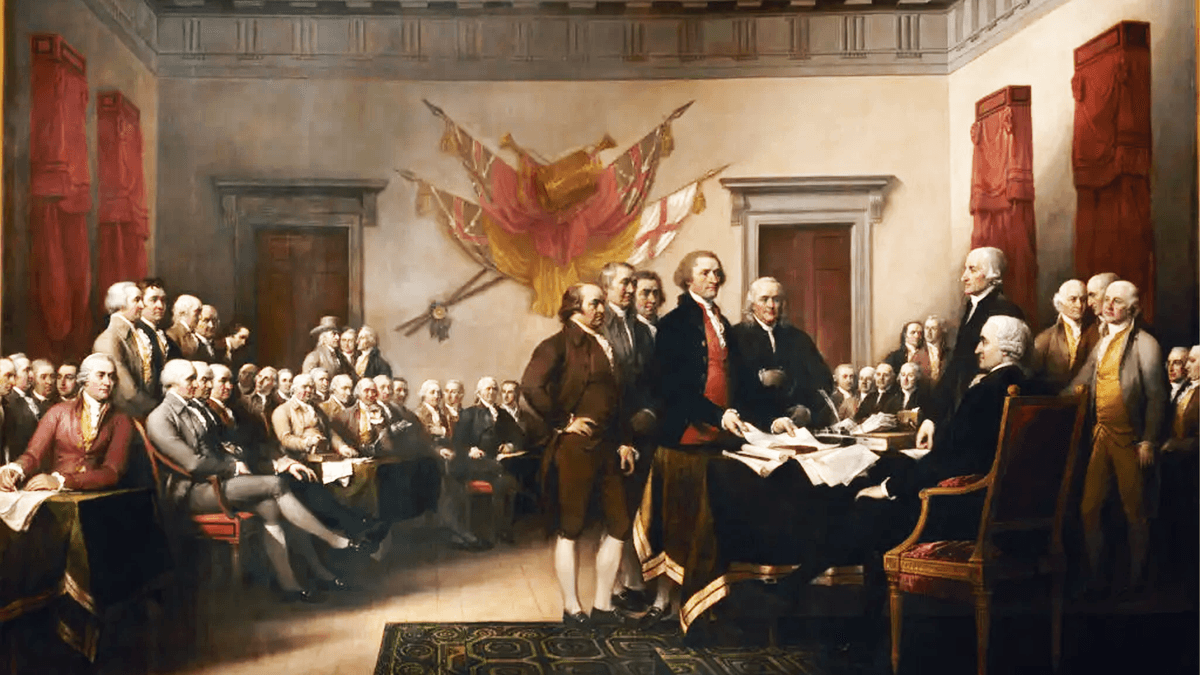
The Declaration of Independence: Ideas, Action, and Aftermath
When the colonies declared independence, they didn’t just start a war—they launched an idea that would echo across centuries. But did America live up to it?
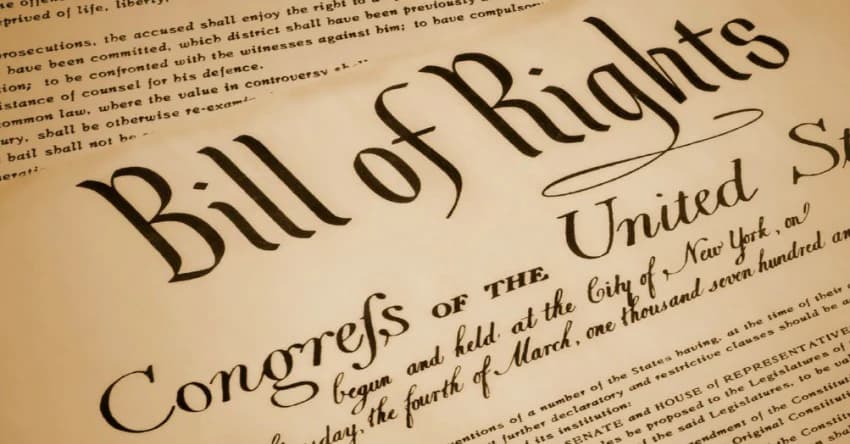
The Bill of Rights: What Is It and What Does It Actually Do?
The Bill of Rights wasn’t added to the Constitution because everything was going great, it was added because the people didn’t trust the government. And they had every reason not to.
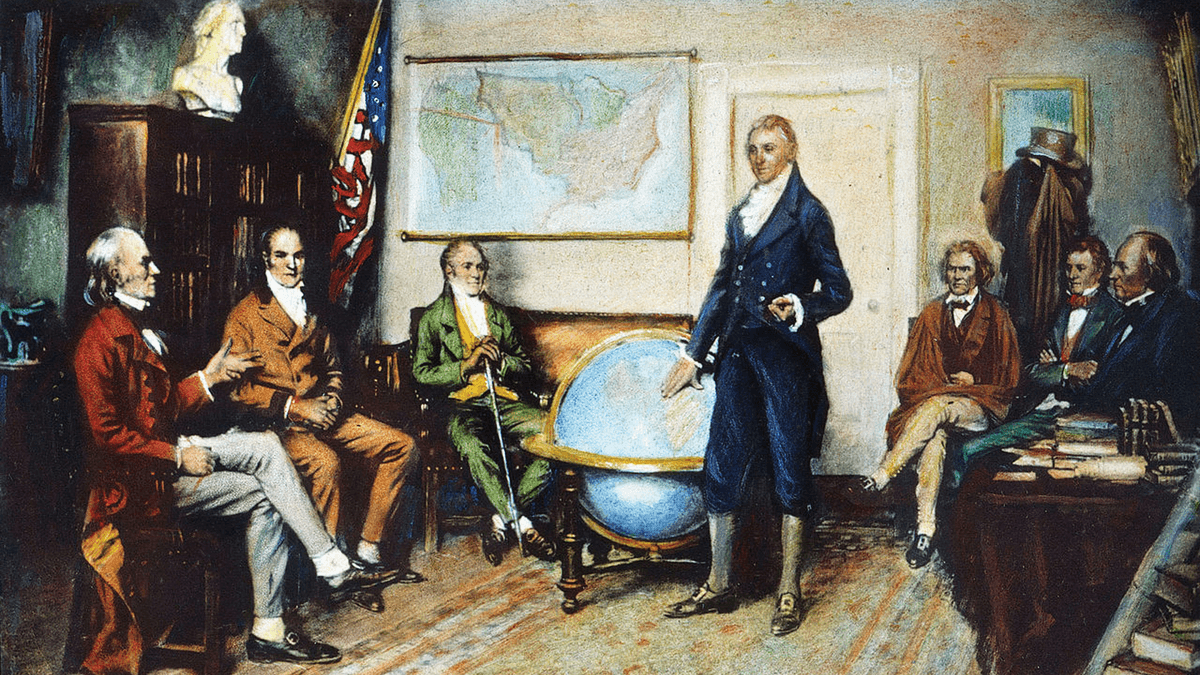
The Monroe Doctrine
How a young United States told the world to stay out of the Western Hemisphere—and what that meant for the Americas.
Further Reading
Stay curious!